
 Save
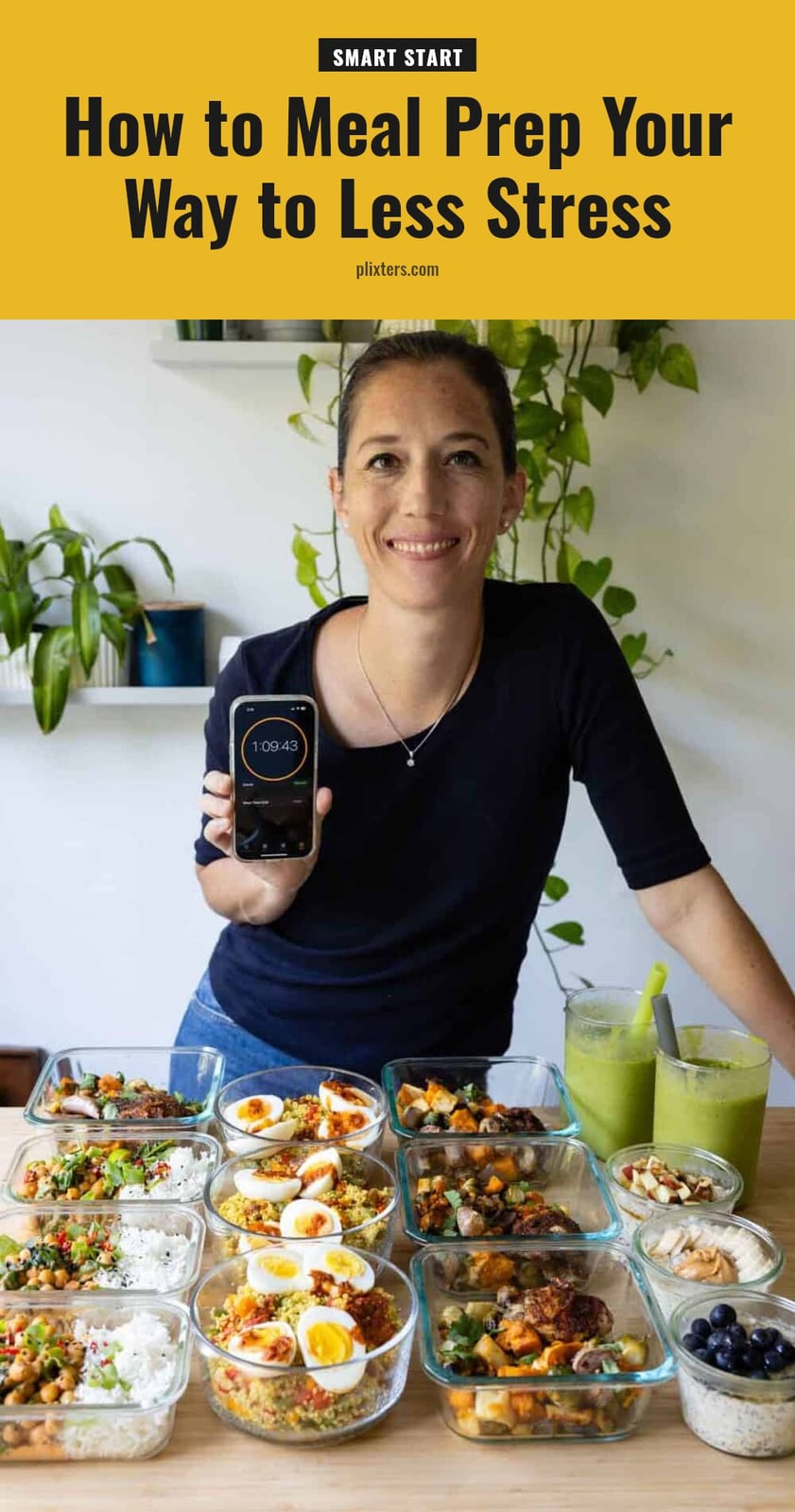
If you’re tired of spending money on takeout or watching fresh ingredients go bad in your fridge, meal prepping is your answer. It’s a simple way to plan and prepare meals or components in advance, saving you both time and cash. This article covers the essential tools, step-by-step steps, common mistakes, and smart storage tips to help you start meal prepping on a budget.
Key Takeaways
- Plan meals around grocery store sales and versatile ingredients to cut costs.
- Invest in airtight glass or BPA-free plastic containers for safe storage.
- Cool food completely before refrigerating or freezing to prevent bacteria.
- Start with 1-2 meals or components and gradually increase your prep volume.
- Label containers with dates and use frozen items within 2-6 months for meats.
9 ideas in this post
- Why Meal Prepping is Your Budget-Friendly Secret Weapon
- Essential Tools for Smart Meal Prepping
- Your Step-by-Step Guide to Budget Meal Prep
- Common Meal Prep Mistakes and How to Avoid Them
- Smart Tips for Efficient and Safe Meal Prepping
- How Much Time and Money Meal Prepping Can Save You
- Storing and Reheating Your Prepped Meals Safely
- Frequently Asked Questions
- Final Thoughts
Why Meal Prepping is Your Budget-Friendly Secret Weapon
Meal prepping is a strategic way to plan and prepare meals or components in advance, saving time and money. By having ready-to-eat options on hand, you make healthier food choices without the last-minute scramble. Focusing on bulk purchasing and versatile ingredients significantly cuts down on grocery bills and reduces takeout expenses, making it a budget-friendly secret weapon.
Essential Tools for Smart Meal Prepping
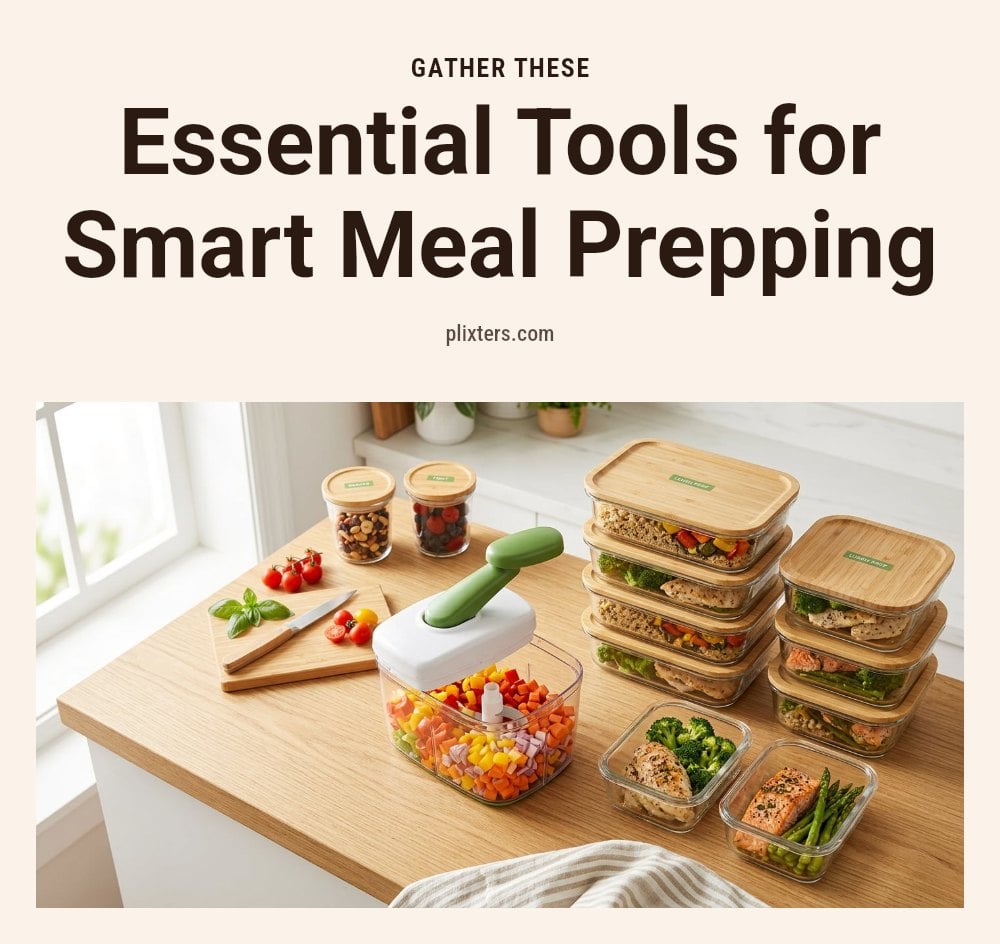
Airtight food storage containers are crucial for freshness and safety. Choose glass or BPA-free plastic to avoid chemical leaching. Basic kitchen tools like sharp knives, cutting boards, and large pots or pans are necessary for efficient preparation. A food thermometer is vital for ensuring proper cooking temperatures and safe reheating. My tip: invest in a set of nesting containers in various sizes to streamline storage.
Your Step-by-Step Guide to Budget Meal Prep
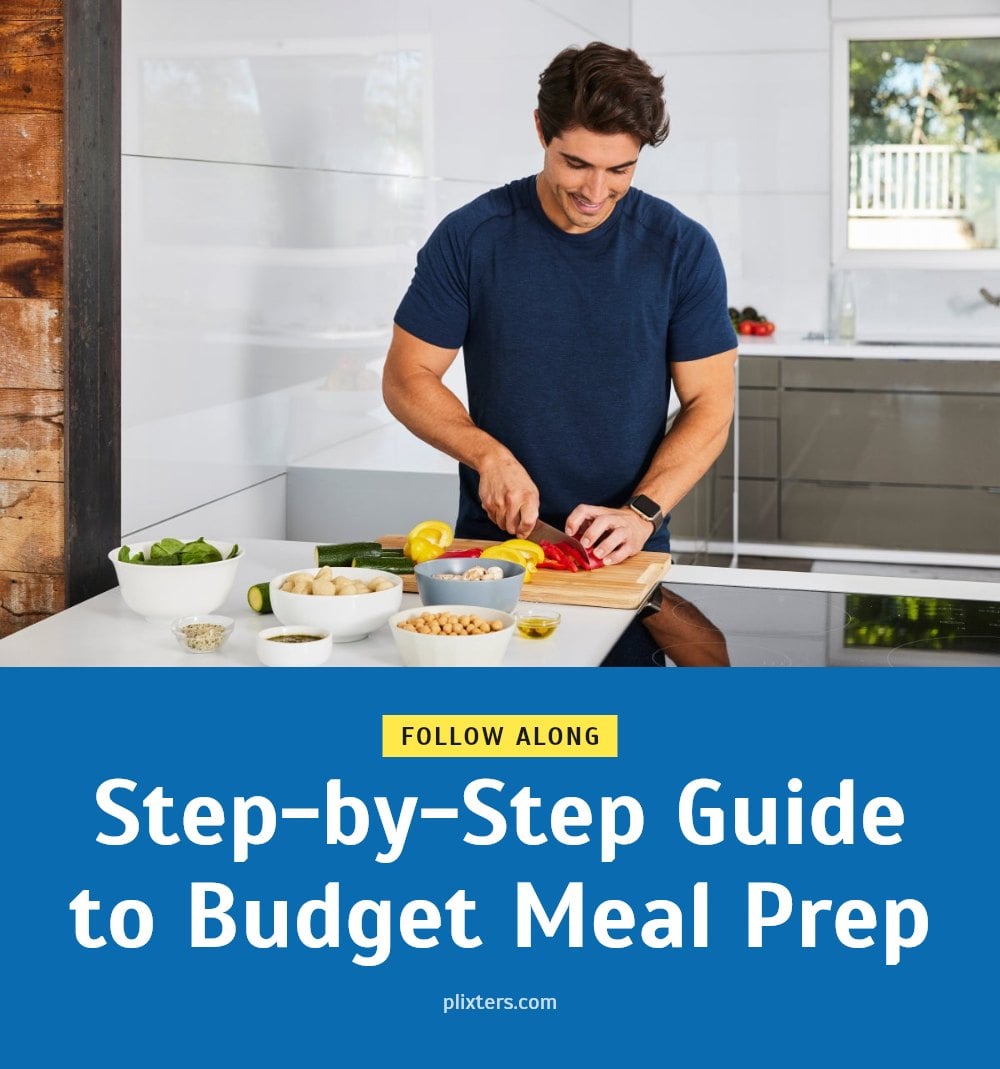
- Plan around sales and versatile ingredients: Start by checking your grocery store’s weekly ad. Pick two or three proteins and a few grains or vegetables that can work in different dishes. For example, roasted chicken can become salad, wraps, or a stir-fry, and a bag of quinoa can serve as a base for bowls, soups, or breakfast porridge.
- Write a detailed grocery list: List every ingredient you need, including spices, oils, and snacks. Stick to the list when you shop. This cuts down impulse buys and ensures you have everything for the week. Tip: Group items by store section to speed up your trip.
- Batch cook your foundations: Cook a large batch of rice, quinoa, or roasted chicken breasts at once. Roast a sheet pan of broccoli, bell peppers, and sweet potatoes. These components become the building blocks for lunches and dinners all week. Caution: Don’t overcook vegetables if you plan to reheat them later. Aim for al dente so they stay crisp.
- Cool food within two hours: The USDA recommends refrigerating cooked food within two hours to prevent bacterial growth. Spread hot items on a baking sheet or in shallow containers to speed cooling. Once they reach room temperature, transfer to the fridge. Never place hot food directly into the refrigerator.
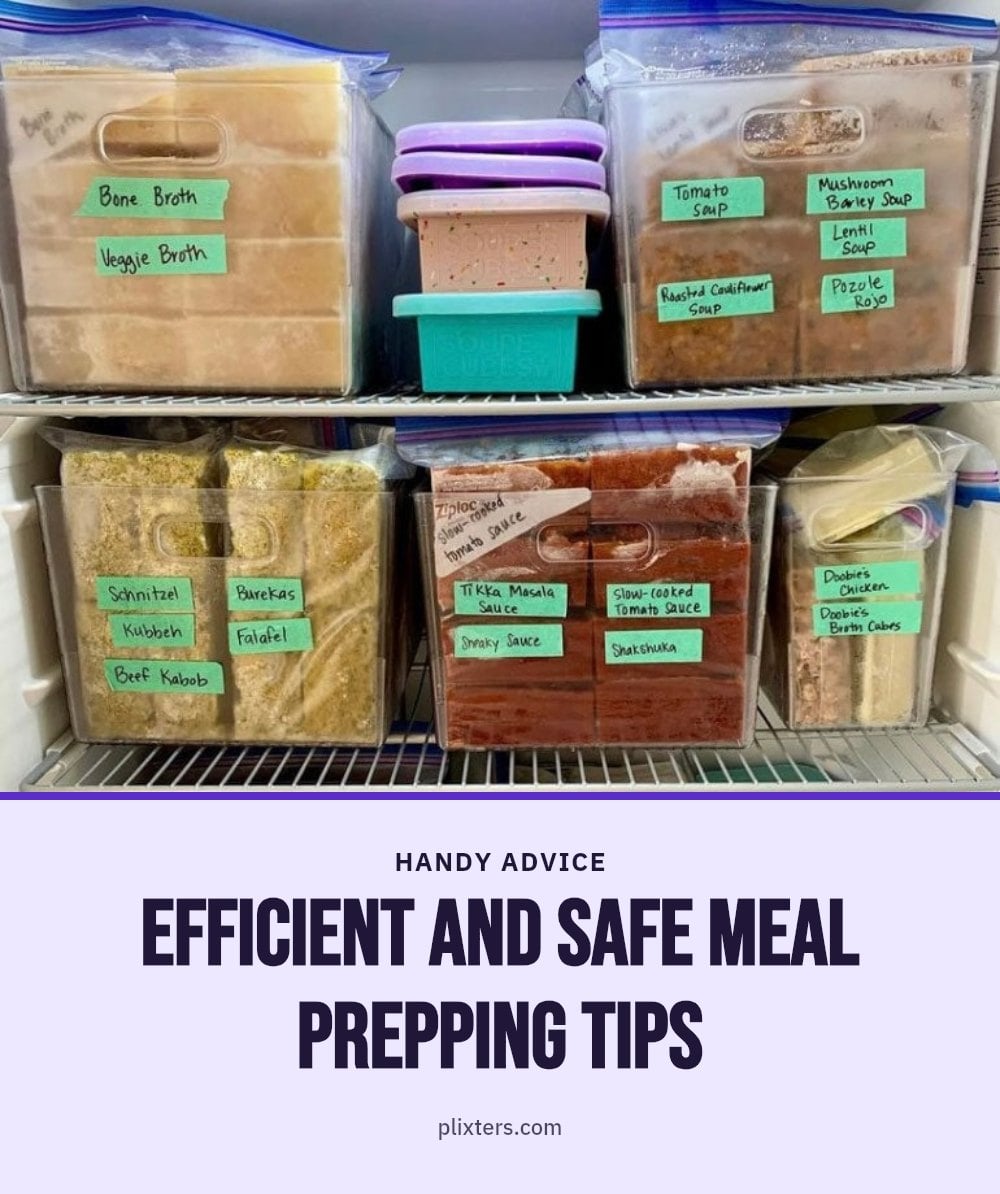
- Portion and label everything: Divide meals into airtight containers, glass or BPA-free plastic works best. Write the date and contents on each lid with a marker. This helps you track freshness and grab what you need without guessing. Pro move: Freeze portions you won’t eat within 3-4 days for longer storage.
Common Meal Prep Mistakes and How to Avoid Them
- Not planning meals in advance: This often leads to last-minute takeout. Always start with a plan and a grocery list.
- Buying too many perishable ingredients: Focus on versatile items and plan around sales to avoid food waste.
- Improperly cooling food before storage: This is a major safety risk. Always cool food within two hours.
- Making the same meal every day: Repurpose components into new dishes, like turning roasted chicken into salads or sandwiches, to keep meals interesting.
Smart Tips for Efficient and Safe Meal Prepping
Start small: Prep just one or two meals or components, like a batch of quinoa or roasted chicken breasts. As you get comfortable, gradually increase the volume.
Use your freezer: Cooked meats, vegetables, and entire meals freeze well for months. This extends freshness and gives you backup meals for busy days.
Don’t overcook vegetables: If you plan to reheat them, cook them al dente. Overcooking leads to mushy results after reheating.
Practice food safety: Always wash your hands thoroughly before and after handling food. Use separate cutting boards for raw meats and produce to prevent cross-contamination.
How Much Time and Money Meal Prepping Can Save You
Meal prepping typically takes 2-4 hours once a week. That investment gives you ready-to-eat meals for 3-4 days, or longer if you freeze portions. By planning around grocery store sales and buying in bulk, you can cut your weekly grocery bill by 20-40% compared to daily cooking or takeout.
The initial cost of quality airtight containers pays off quickly. You will waste less food and make fewer impulse purchases, which adds up to real savings over time.
Storing and Reheating Your Prepped Meals Safely
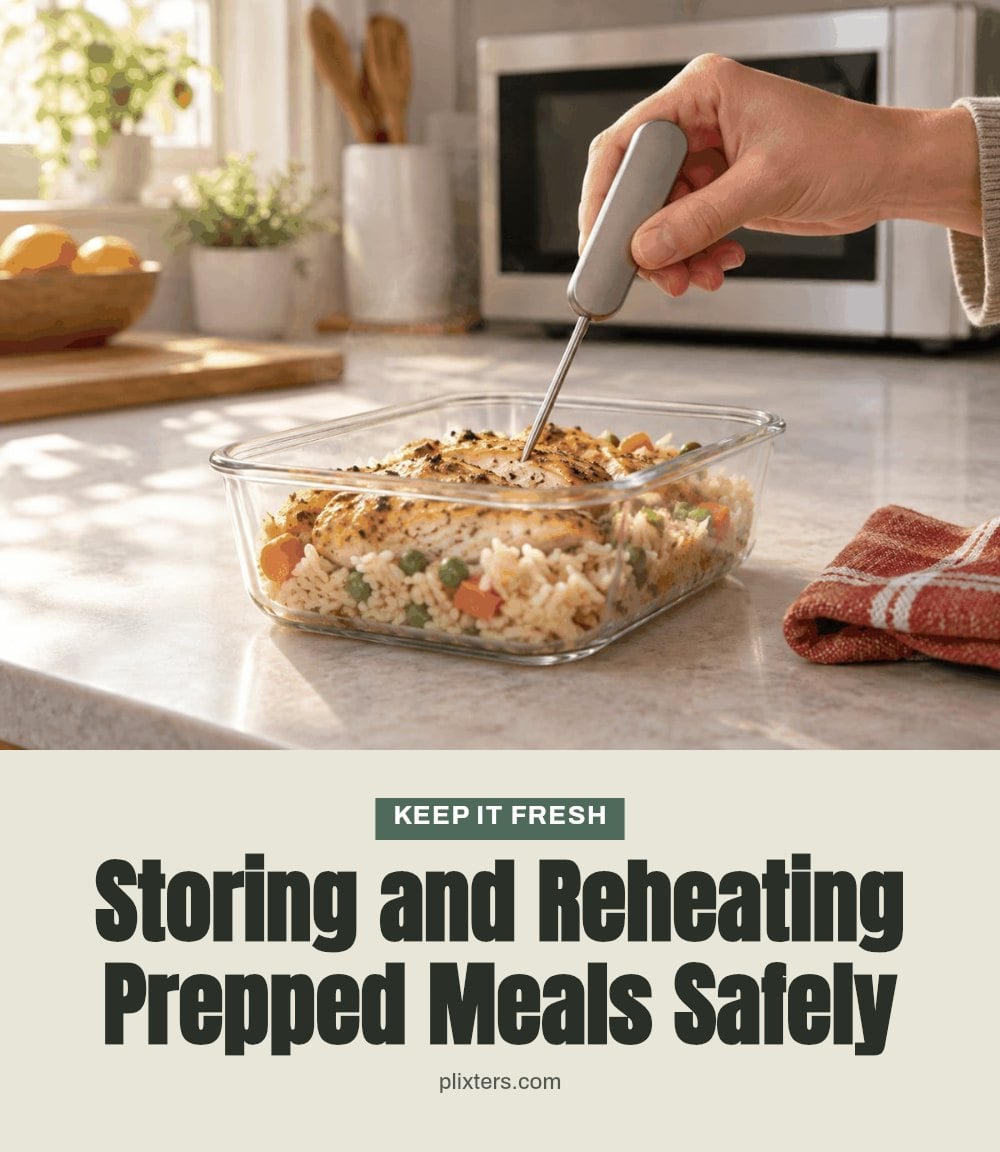
Most cooked foods stay safe in the refrigerator for 3-4 days. Always check for unusual smells or appearances before eating. Cooked meats and poultry can be frozen for 2-6 months, while cooked vegetables last 8-12 months in the freezer.
Reheat all food to an internal temperature of 165°F (74°C) to kill any potential bacteria. Never leave cooked food at room temperature for more than two hours. Promptly refrigerate or discard any leftovers that have been out longer.
Frequently Asked Questions
How long does meal prep food last in the fridge?
Most cooked foods stay safe in the refrigerator for 3-4 days. Always check for unusual smells or appearances before eating, even if it’s within that window. For longer storage, freeze portions instead.
Can I freeze meal prepped food?
Yes, freezing is a great way to extend the life of your prepped meals. Cooked meats and poultry can be frozen for 2-6 months, while cooked vegetables last 8-12 months. Use freezer-safe containers or bags, and label them with the date.
What are the best containers for meal prepping?
Airtight containers are essential. Choose glass or BPA-free plastic to avoid chemical leaching. Make sure they are microwave-safe if you plan to reheat in them. Good seals keep food fresh and prevent spills.
Is meal prepping really cheaper?
Yes, if you plan around sales and buy in bulk. By focusing on versatile ingredients and avoiding impulse purchases, you can cut your weekly grocery bill by 20-40% compared to buying individual meals or eating out. It also reduces food waste.
How much time does meal prepping take each week?
Most people spend 2-4 hours once a week on meal prep. That time includes planning, shopping, cooking, and storing. As you get more comfortable, you may find ways to streamline the process.
Final Thoughts
Start small by prepping just one or two meals or components, like a batch of quinoa or roasted chicken. This keeps the task manageable and helps you build a routine. Expect to spend 2-4 hours once a week, and you’ll have ready-to-eat meals for 3-4 days, or longer if you freeze portions. With planning and smart shopping, you can cut your grocery bill by 20-40% and avoid last-minute takeout.
This article provides general information about meal prepping and is not a substitute for professional advice. If you have specific health concerns or dietary needs, consult a doctor or registered dietitian. Always follow food safety guidelines to prevent illness.




