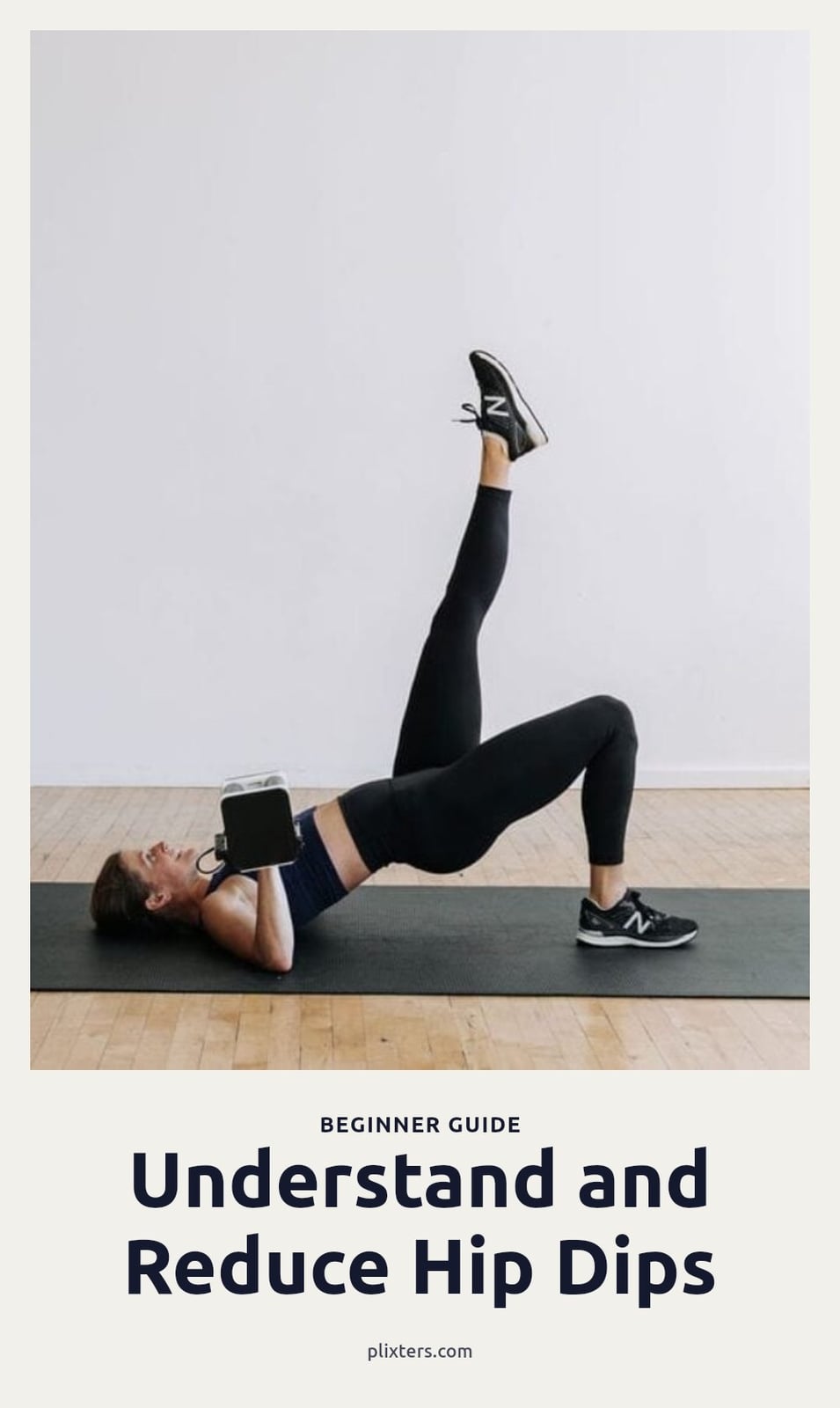
 Save
You’ve probably noticed those natural indentations on the sides of your hips and wondered what they are. They’re called hip dips, and they’re a completely normal part of your anatomy, linked to your bone structure and how your body distributes fat and muscle. This article explains what causes hip dips and shares eight exercises that can help build muscle around the area, potentially making them less noticeable if that’s your goal.
Key Takeaways
- Hip dips are natural indentations caused by your bone structure, not a sign of poor health.
- You cannot eliminate hip dips entirely through diet or exercise; they are largely structural.
- Exercises targeting the gluteus medius, gluteus minimus, and vastus lateralis may help reduce their prominence.
- Weight loss can sometimes make hip dips more visible by reducing fat padding around the hips.
- Consistent exercise for several weeks to months may lead to noticeable changes in muscle tone.
12 ideas in this post
- What Are Hip Dips and Why Do I Have Them?
- 1. Side-Lying Leg Raises
- 2. Clam Shells with Resistance Band
- 3. Glute Bridges
- 4. Squats for Overall Leg Strength
- 5. Lunges for Glute and Quad Development
- 6. Fire Hydrants for Outer Hip Activation
- 7. Donkey Kicks for Glute Definition
- 8. Romanian Deadlifts (RDLs)
- Understanding Your Anatomy and Hip Dips
- Frequently Asked Questions
- Final Thoughts
What Are Hip Dips and Why Do I Have Them?
Hip dips are natural indentations on the sides of your hips, where the skin connects to your thigh bone (femur). They are a normal anatomical variation, primarily influenced by your unique bone structure, including hip width and femur angle. Fat distribution and muscle mass around the glutes also play a role in how noticeable they appear. They are not a sign of poor health or something that needs to be ‘fixed’.
1. Side-Lying Leg Raises
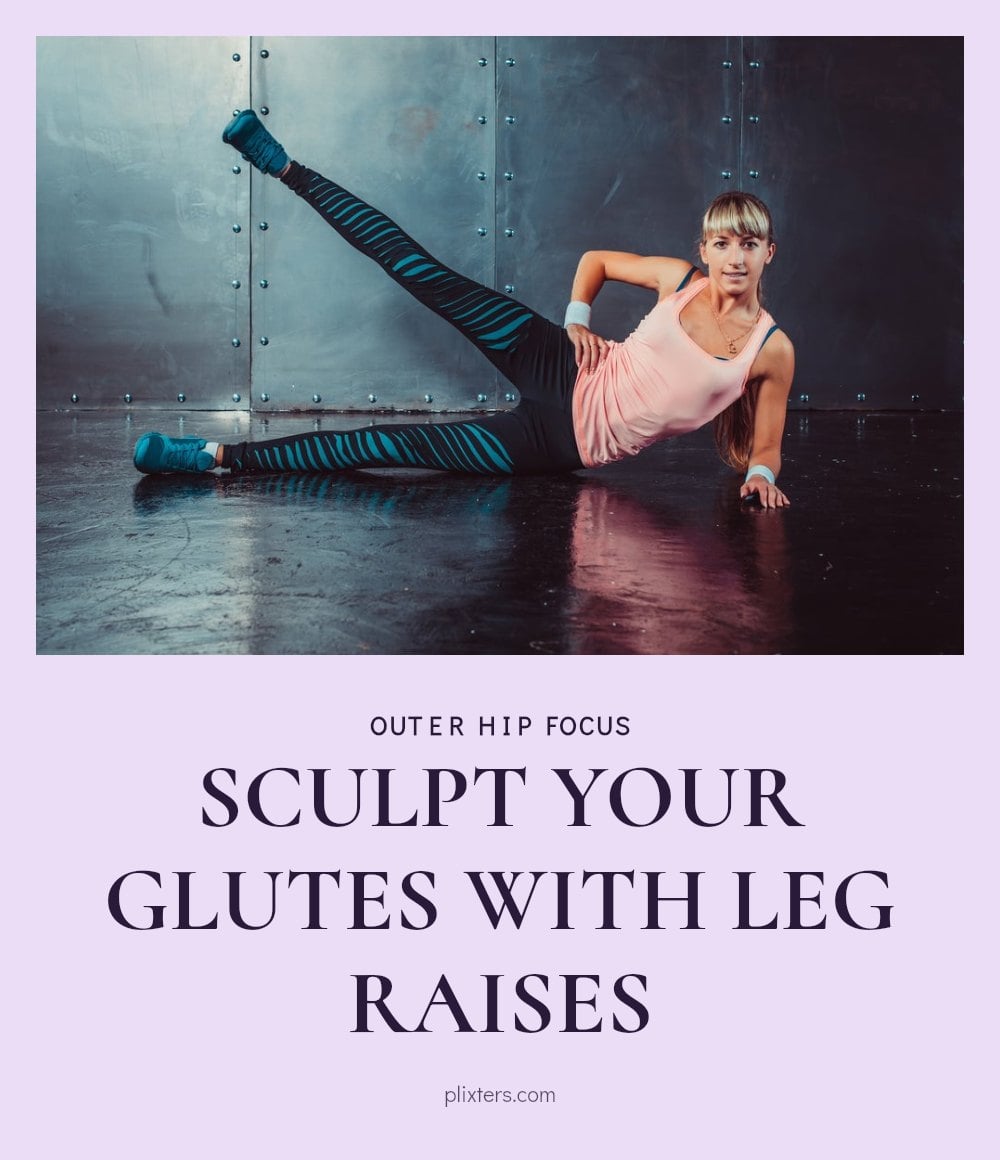
Side-lying leg raises target the gluteus medius, a key muscle for hip stability and shaping the side of your hip. Lie on your side, legs stacked, and lift your top leg straight up toward the ceiling, keeping your core engaged. My tip: Focus on slow, controlled movements to truly engage the muscle, avoiding swinging your leg.
2. Clam Shells with Resistance Band
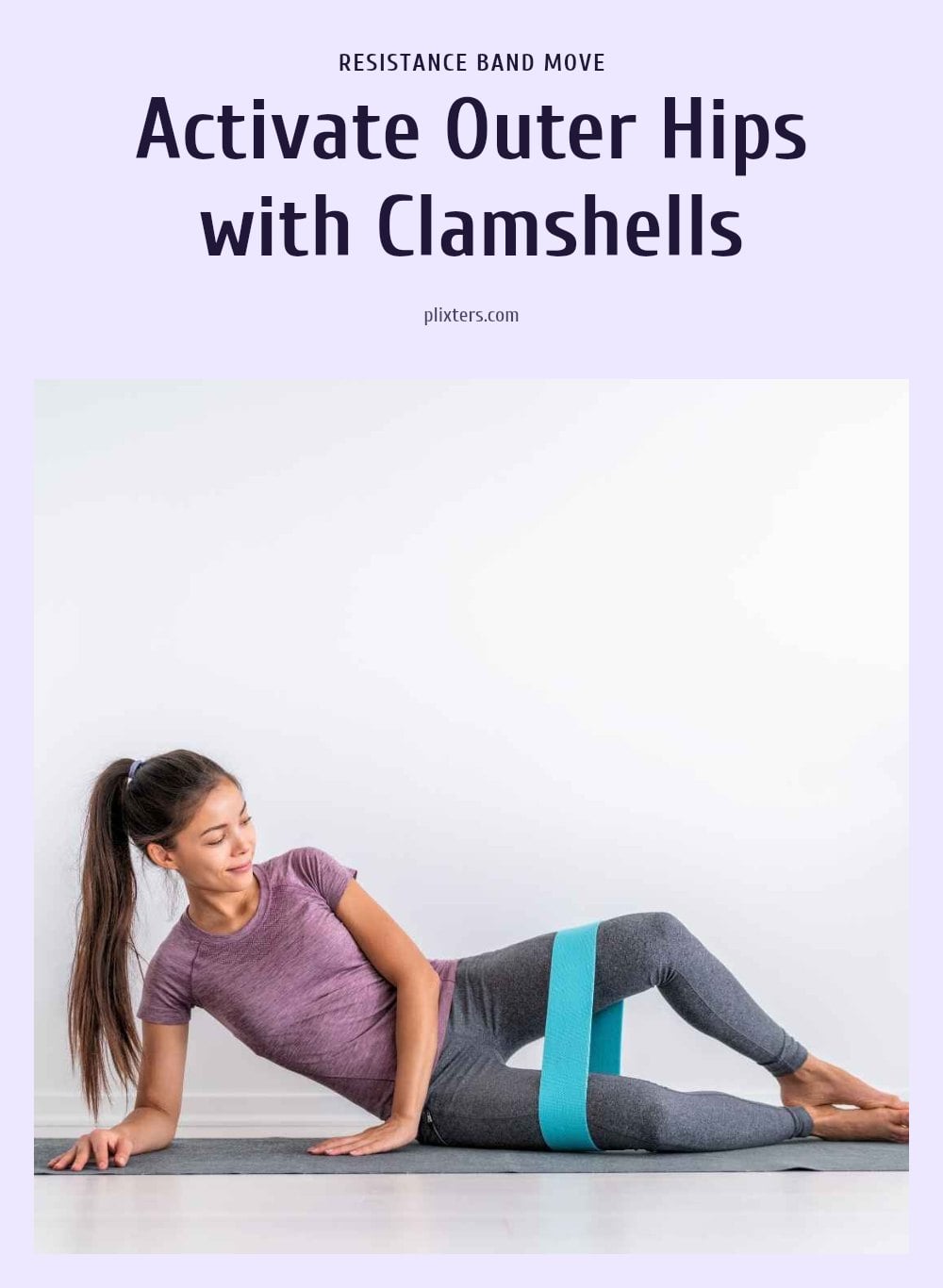
Clam shells are excellent for isolating and strengthening the gluteus medius and minimus. Lie on your side with knees bent, feet together. Place a resistance band above your knees. Keep your feet together and open your top knee like a clam shell. Caution: Don’t let your hips roll back; keep them stacked to maximize glute engagement.
3. Glute Bridges
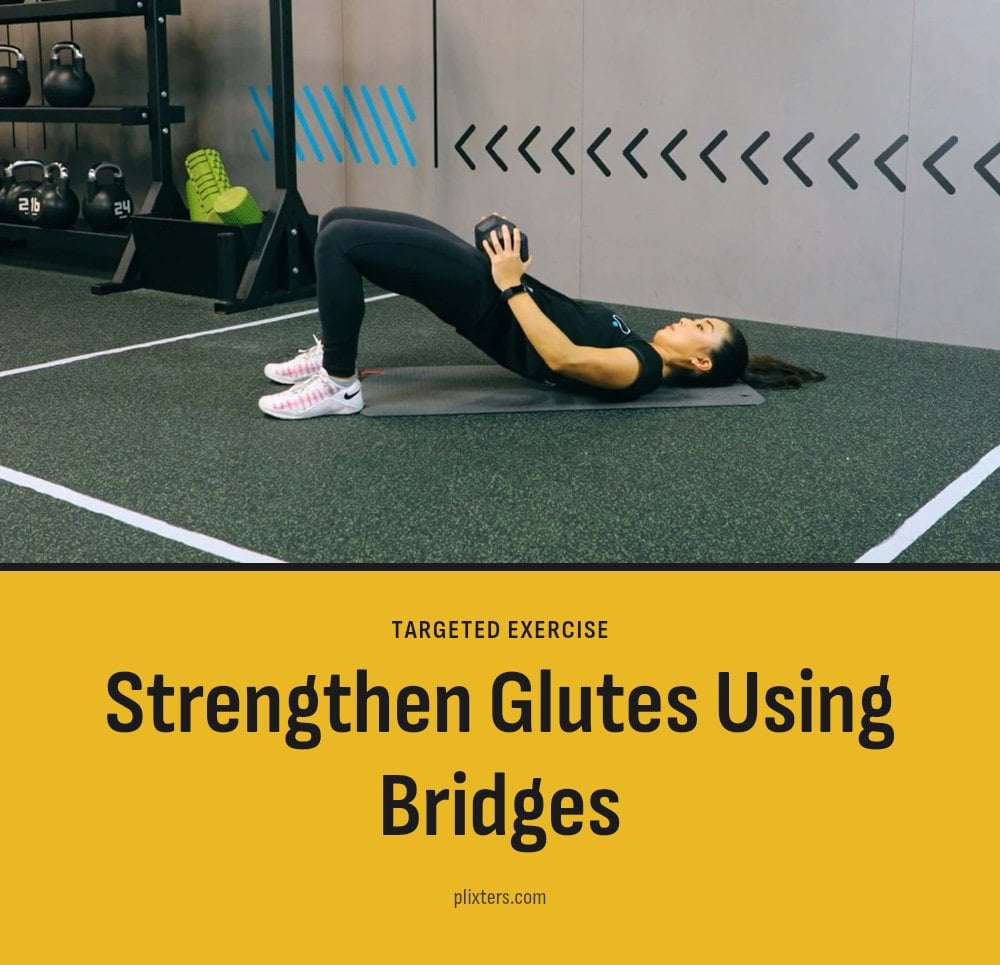
Glute bridges engage your entire gluteal complex, including the gluteus maximus, medius, and minimus, helping to build overall hip strength and shape. Lie on your back with knees bent, feet flat on the floor. Lift your hips toward the ceiling, squeezing your glutes at the top. My tip: Add a dumbbell across your hips for extra resistance as you get stronger.
4. Squats for Overall Leg Strength
Squats work your glutes, quadriceps, and hamstrings in one movement, making them a top compound exercise for lower body strength and balance. Stand with feet shoulder-width apart, then lower your hips as if sitting in a chair while keeping your chest up and core braced.
Tip: Try sumo squats with a wider stance and toes turned out. This variation emphasizes the inner glutes and adductors, which can help shape the area around hip dips more directly.
5. Lunges for Glute and Quad Development
Lunges build muscle in your glutes and quads, which helps create a more balanced lower body. Step forward with one leg and lower your hips until both knees bend at about a 90-degree angle.
Caution: Keep your front knee aligned with your ankle and do not let it push past your toes. This protects your knee joint and keeps the tension on your glutes and quads where it belongs.
6. Fire Hydrants for Outer Hip Activation
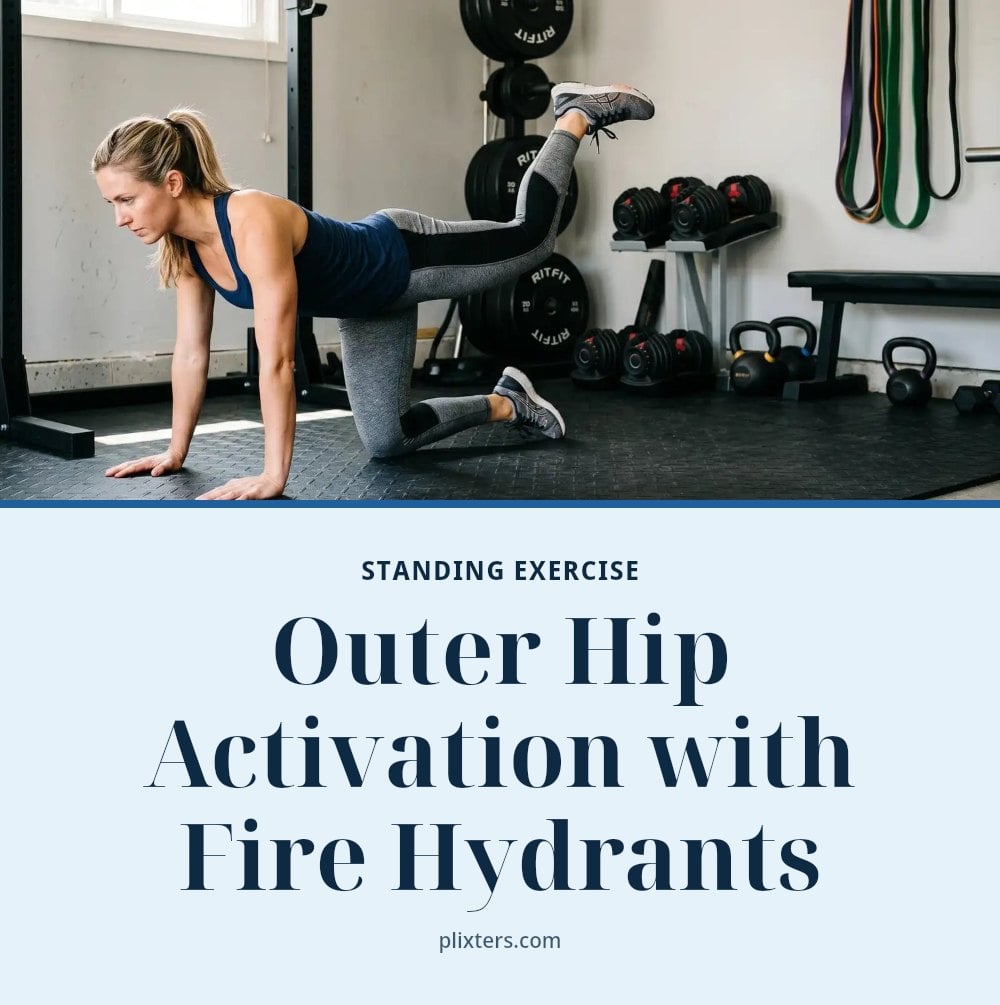
Fire hydrants target your outer glutes and hip abductors, which can help fill out the area around hip dips. Start on all fours with your hands under your shoulders and knees under your hips. Lift one bent knee out to the side, keeping your core stable and hips level.
Good to know: Perform these slowly and with control so your muscles do the work, not momentum. Lower your knee back down with the same slow tempo for a full contraction.
7. Donkey Kicks for Glute Definition
Donkey kicks target the gluteus maximus, the largest muscle in your glutes, helping you build a rounder, stronger backside. Start on all fours with your hands under your shoulders and knees under your hips. Keeping your knee bent at 90 degrees, lift one leg straight up toward the ceiling, pushing through your heel.
Pro move: Squeeze your glute hard at the top of the movement for one second before lowering. This pause maximizes muscle activation and makes each rep count. Keep your core braced and your hips level throughout.
8. Romanian Deadlifts (RDLs)
Romanian deadlifts (RDLs) build hamstring and glute strength, improving the overall shape and contour of your lower body. Hold dumbbells or a barbell, hinge at your hips with a slight bend in your knees, and lower the weight toward the floor.
Caution: Maintain a flat back throughout the movement to prevent injury and properly engage the target muscles. Keep the bar close to your legs as you lower it.
Understanding Your Anatomy and Hip Dips
Your bone structure, specifically the width of your hips and the angle where your thigh bone connects, is the main factor behind hip dips. Genetics dictate this structure and also influence how your body distributes fat and builds muscle. While you cannot change your bone structure, building muscle in the glutes and outer thighs can create a smoother contour around the indentations.
Fat distribution and muscle mass in the hip area affect how visible hip dips are. Weight loss can sometimes make them more prominent if padding reduces, while weight gain might make them less noticeable. Accepting your natural body shape is a key part of any fitness journey.
Frequently Asked Questions
Are hip dips a sign of being unhealthy?
No, hip dips are not a sign of being unhealthy. They are a normal anatomical variation influenced by your bone structure, fat distribution, and muscle mass. People of all body types, shapes, and sizes can have hip dips, and they do not indicate any medical condition.
Can diet changes get rid of hip dips?
No specific diet can remove hip dips because they are largely determined by your bone structure and genetics. While weight gain might make them less noticeable if fat distributes to the hip area, extreme dieting or weight loss can actually make them more prominent by reducing fat padding around the hips.
How long does it take to see results from hip dip exercises?
Consistent exercise for several weeks to months may lead to noticeable changes in muscle tone around the hips. However, significant alteration of the hip dip appearance is not guaranteed, as the indentations are primarily structural. Results vary based on your individual body and how consistently you train.
Do hip dips disappear with weight gain?
Weight gain might make hip dips less noticeable if fat is distributed to the hip area, but it does not eliminate them entirely. Since hip dips are caused by the skin attaching to the thigh bone, they remain present regardless of body weight, though the amount of fat padding can affect their visibility.
Is it normal to have hip dips?
Yes, it is completely normal to have hip dips. They are a common anatomical feature that affects people of all body types, shapes, and sizes. Hip dips are not a medical condition or a sign that something is wrong with your body.
Final Thoughts
If you want to work on the area around your hip dips, focus on compound exercises like squats and lunges, plus targeted moves like side-lying leg raises and clam shells. Be patient: it can take several weeks to months of consistent training to see changes in muscle tone, and results vary based on your unique body. Remember, hip dips are a normal part of human anatomy, so embrace your natural shape while you build strength.
This article is for general informational purposes only and does not constitute medical or professional advice. If you have concerns about your body, persistent pain, or a pre-existing condition, please consult a doctor, physical therapist, or qualified fitness professional.