 Save
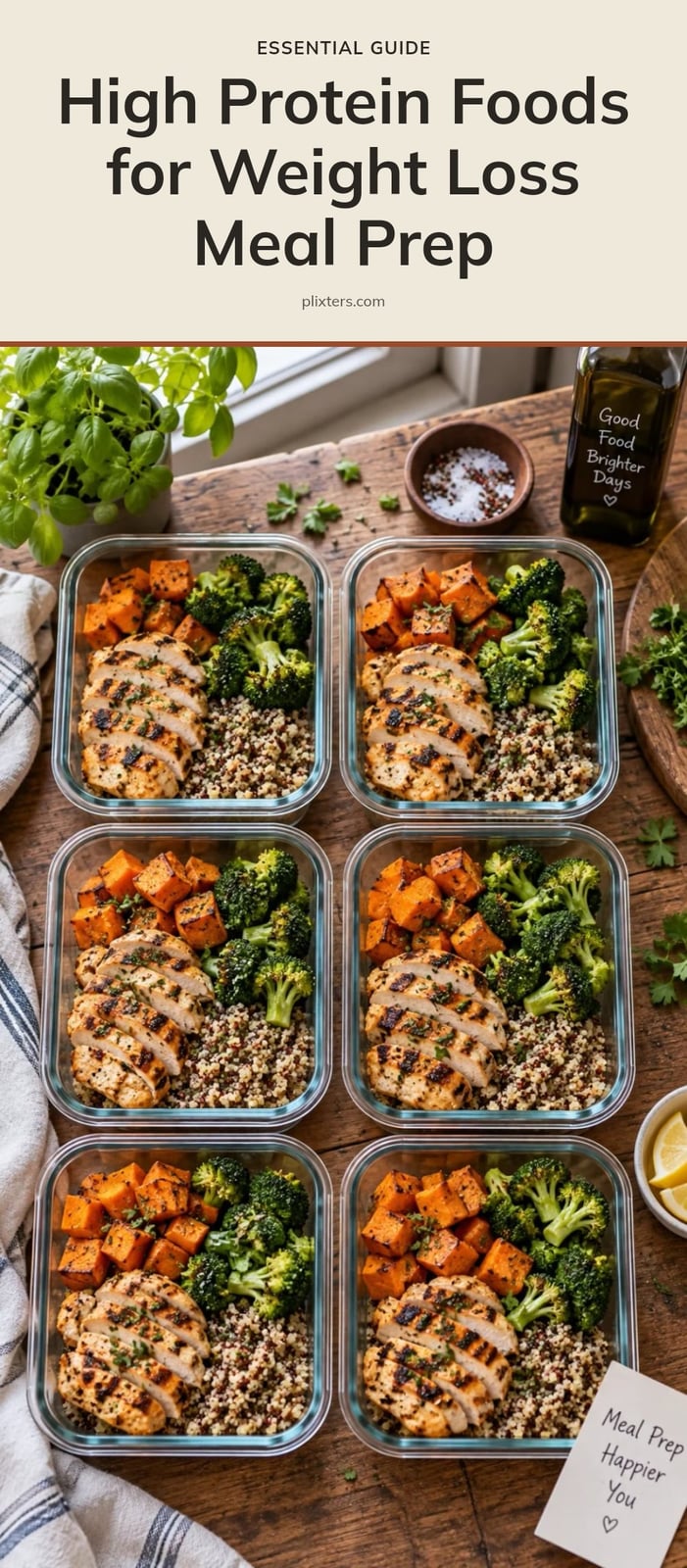
If you’re looking to lose weight without feeling like you’re starving all the time, protein is your best friend. It keeps you full longer, helps your body burn a few extra calories during digestion, and protects your muscle mass while you shed fat. This guide covers the best high-protein foods to include in your weight loss plan, along with practical tips for using them every day.
Key Takeaways
- Include a lean protein source at every meal to support satiety and muscle maintenance.
- Distribute protein intake evenly throughout the day rather than loading up at one meal.
- Aim for 1.2 to 1.6 grams of protein per kilogram of body weight for weight loss.
- Pair protein with fiber-rich vegetables and whole grains for balanced nutrition.
- Choose whole, unprocessed protein foods over supplements or highly processed options.
16 ideas in this post
- Why High Protein Foods Are Key for Weight Loss
- 1. Lean Chicken and Turkey Breast
- 2. Salmon and Other Fatty Fish
- 3. Eggs: The Complete Protein
- 4. Greek Yogurt and Cottage Cheese
- 5. Lentils, Beans, and Chickpeas
- 6. Quinoa: A Complete Plant Protein
- 7. Nuts and Seeds for Snacking
- 8. Tofu and Edamame
- 9. Lean Beef and Pork
- 10. Whey and Casein Protein Powders
- 11. Nutritional Yeast
- 12. Spirulina
- Common Protein Mistakes to Avoid for Weight Loss
- Frequently Asked Questions
- Final Thoughts
Why High Protein Foods Are Key for Weight Loss
Protein is my secret weapon for staying full between meals, and the science backs it up. Your body actually burns more calories digesting protein than it does breaking down fats or carbs, which is a nice metabolic bonus. On top of that, getting enough protein helps preserve the muscle mass that keeps your metabolism humming, especially when you’re cutting calories. It’s not magic, but it’s pretty close to a weight loss superpower.
1. Lean Chicken and Turkey Breast
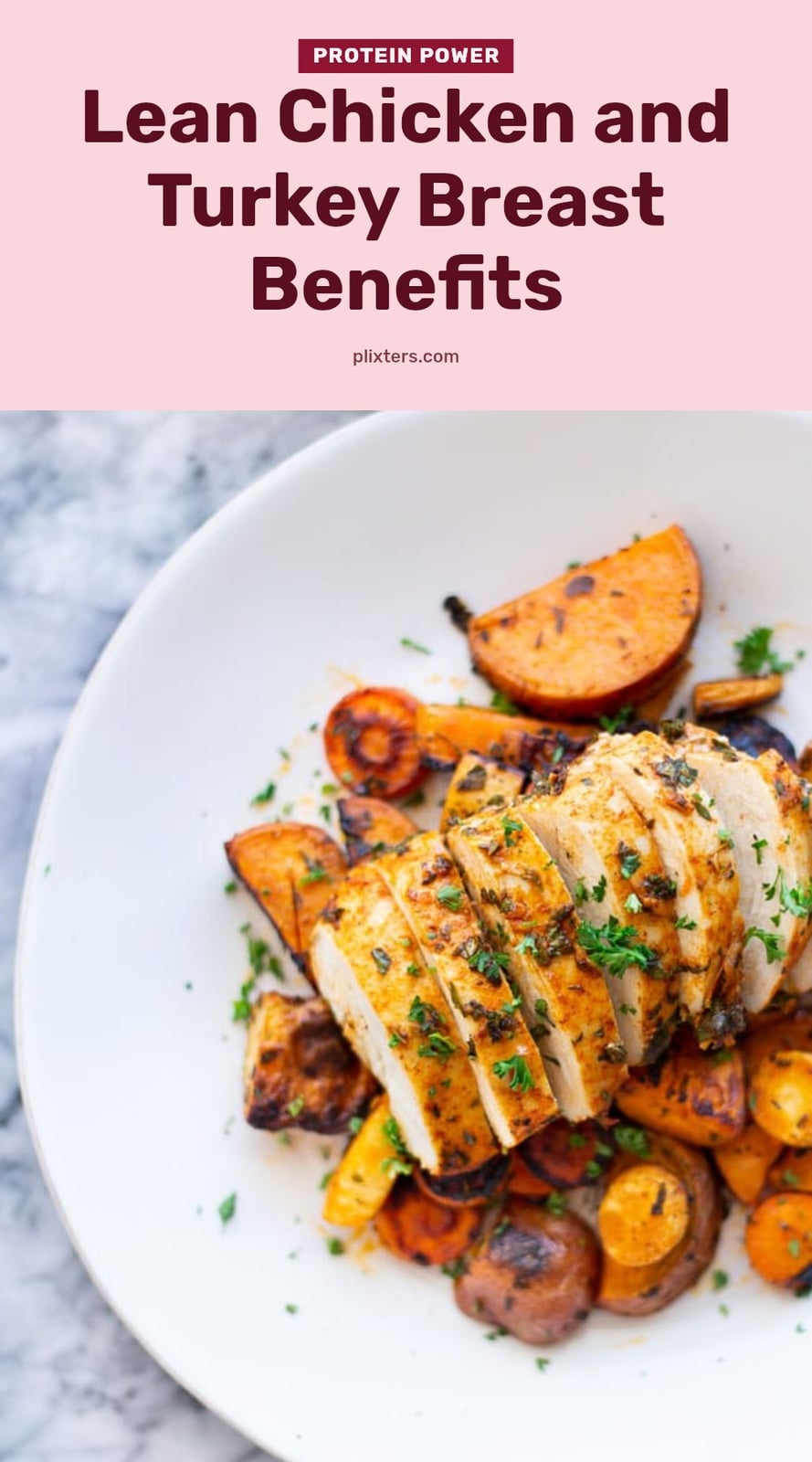
Lean chicken and turkey breast are my go-to for a protein boost without the extra fat. Skinless breasts keep the fat content low, so you get pure, high-quality protein.
- Grill them: A simple marinade keeps the meat juicy.
- Bake them: Perfect for meal prep.
- Stir-fry them: Quick and easy for busy weeknights.
My tip: Always opt for skinless breasts to keep the fat content low.
2. Salmon and Other Fatty Fish
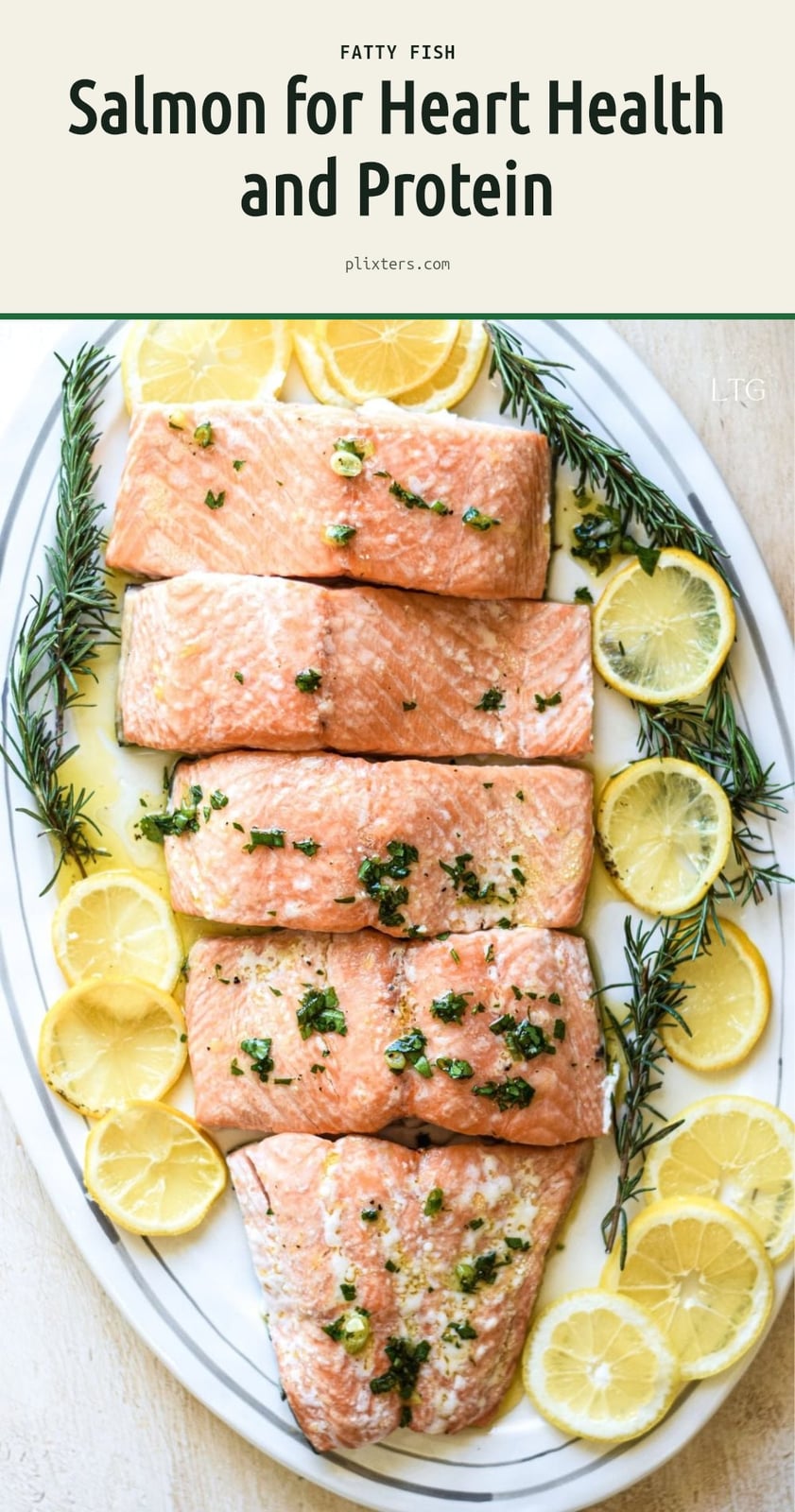
Salmon is a double win: it delivers high-quality protein and loads of omega-3 fatty acids that support heart and brain health. Other excellent options include tuna, mackerel, and sardines.
- Grill a fillet: It takes just minutes and tastes amazing.
- Add to salads: Canned salmon or tuna makes lunch easy.
- Try sardines on toast: A quick, savory snack.
My tip: Aim for at least two servings of fatty fish per week.
3. Eggs: The Complete Protein
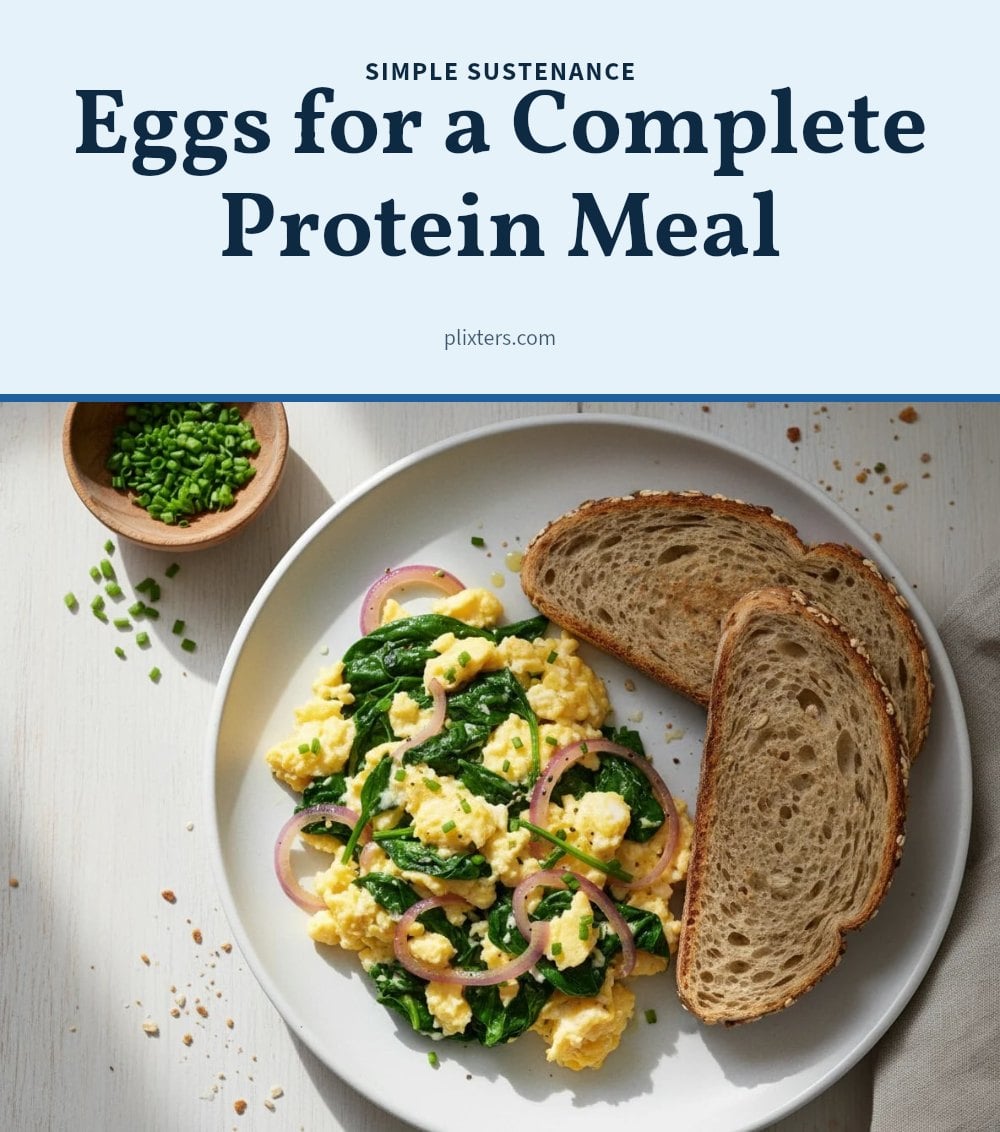
Eggs are the complete package: they contain all nine essential amino acids your body needs, making them a perfect protein source. They’re affordable, versatile, and work for breakfast, lunch, or dinner.
- Scramble them: Add veggies for a nutrient boost.
- Hard-boil them: A portable snack that keeps you full.
- Bake them into frittatas: Great for meal prep.
My tip: Don’t skip the yolk. It contains many vital nutrients, including vitamin D and choline.
4. Greek Yogurt and Cottage Cheese
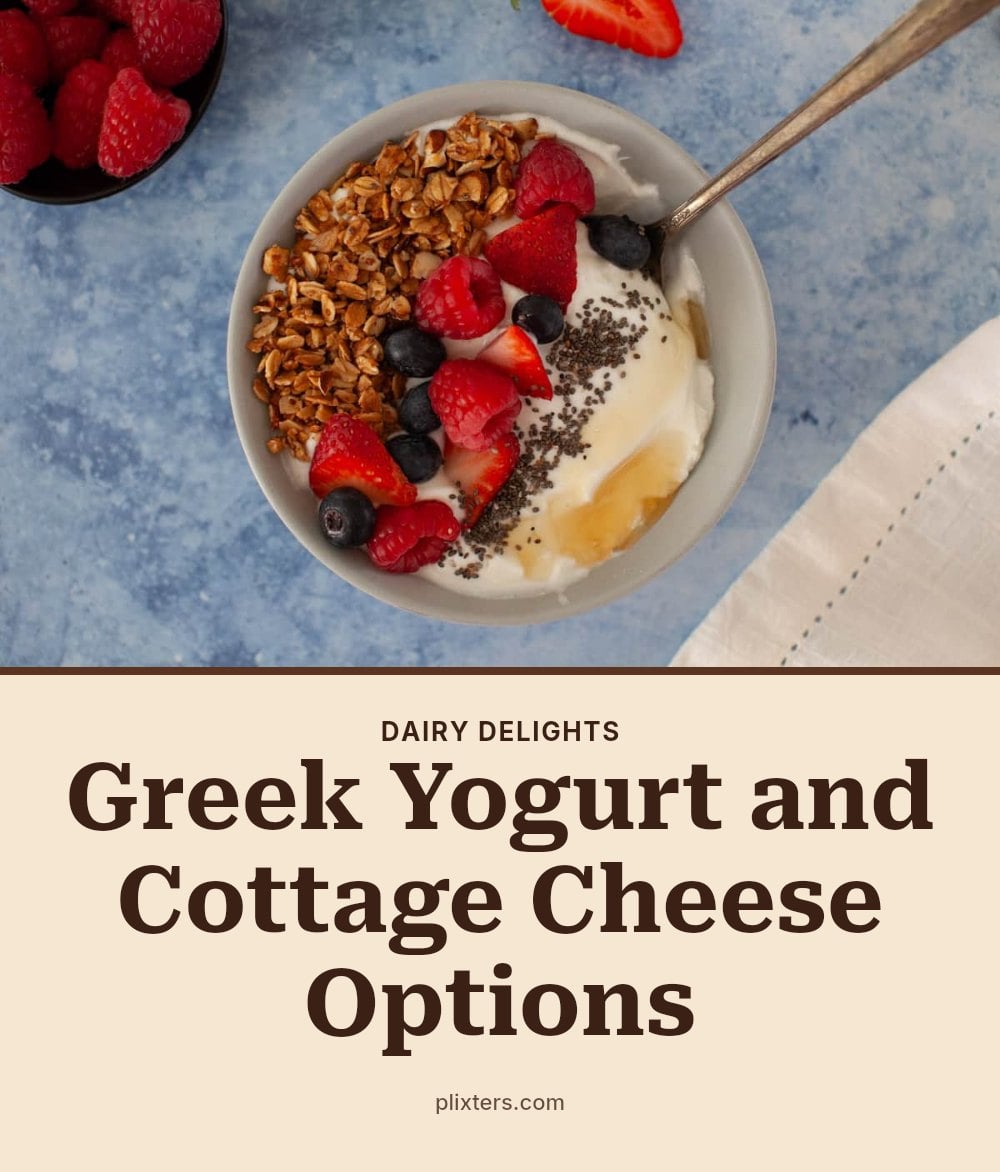
Greek yogurt and cottage cheese are dairy powerhouses packed with protein and calcium, supporting bone health and keeping you full. Greek yogurt often has more protein and less sugar than regular yogurt. My tip: Choose plain, unsweetened varieties and add your own fruit or a drizzle of honey.
5. Lentils, Beans, and Chickpeas
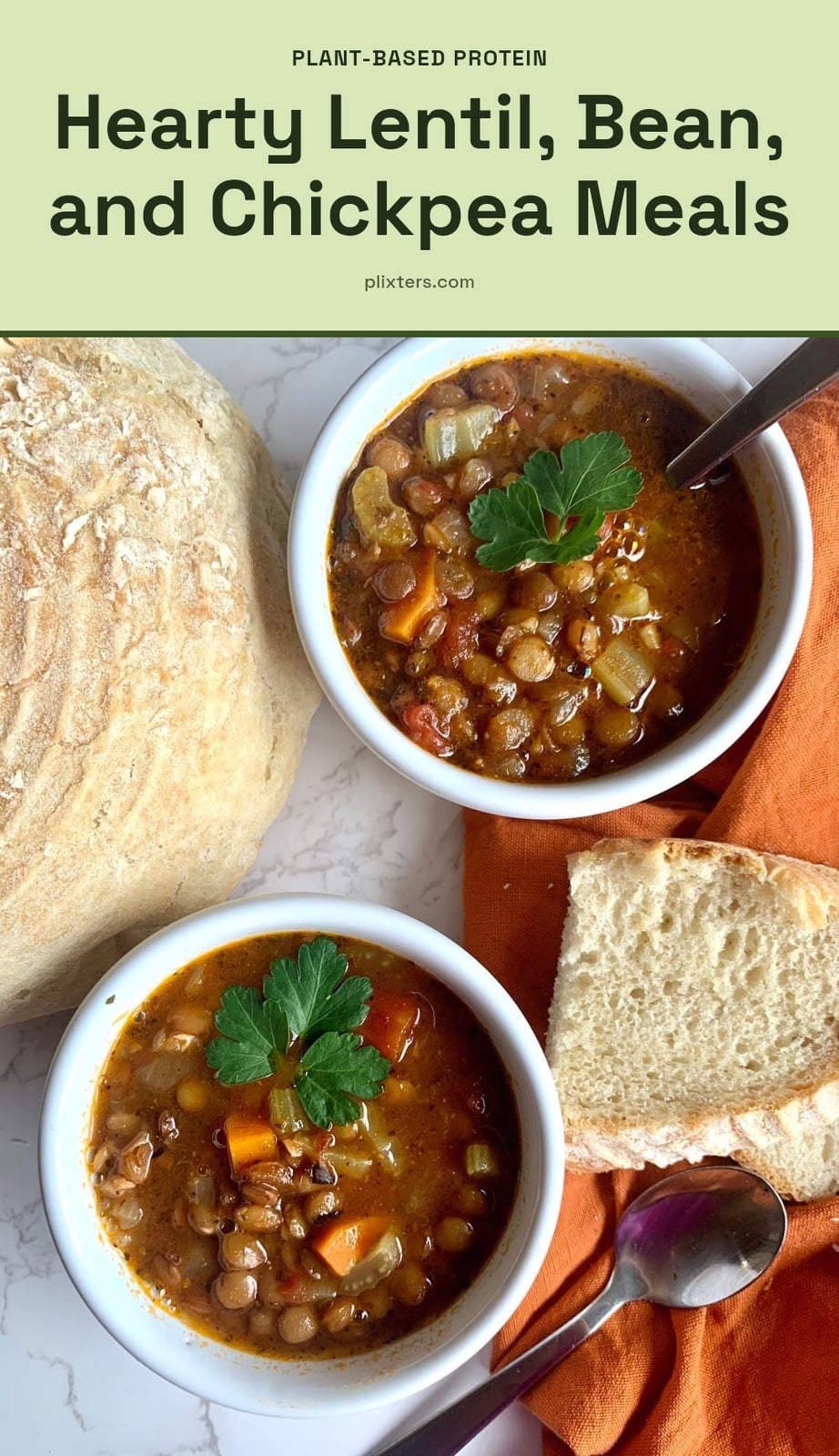
For my plant-based friends, lentils, beans, and chickpeas are incredible sources of both protein and fiber. The fiber content helps keep you full and supports digestive health, making them a smart choice for weight management. They’re perfect in soups, salads, stews, or as a meat substitute in dishes like tacos or burgers.
Tip: Rinse canned beans to reduce sodium, and pair them with a whole grain like brown rice for a complete amino acid profile.
6. Quinoa: A Complete Plant Protein
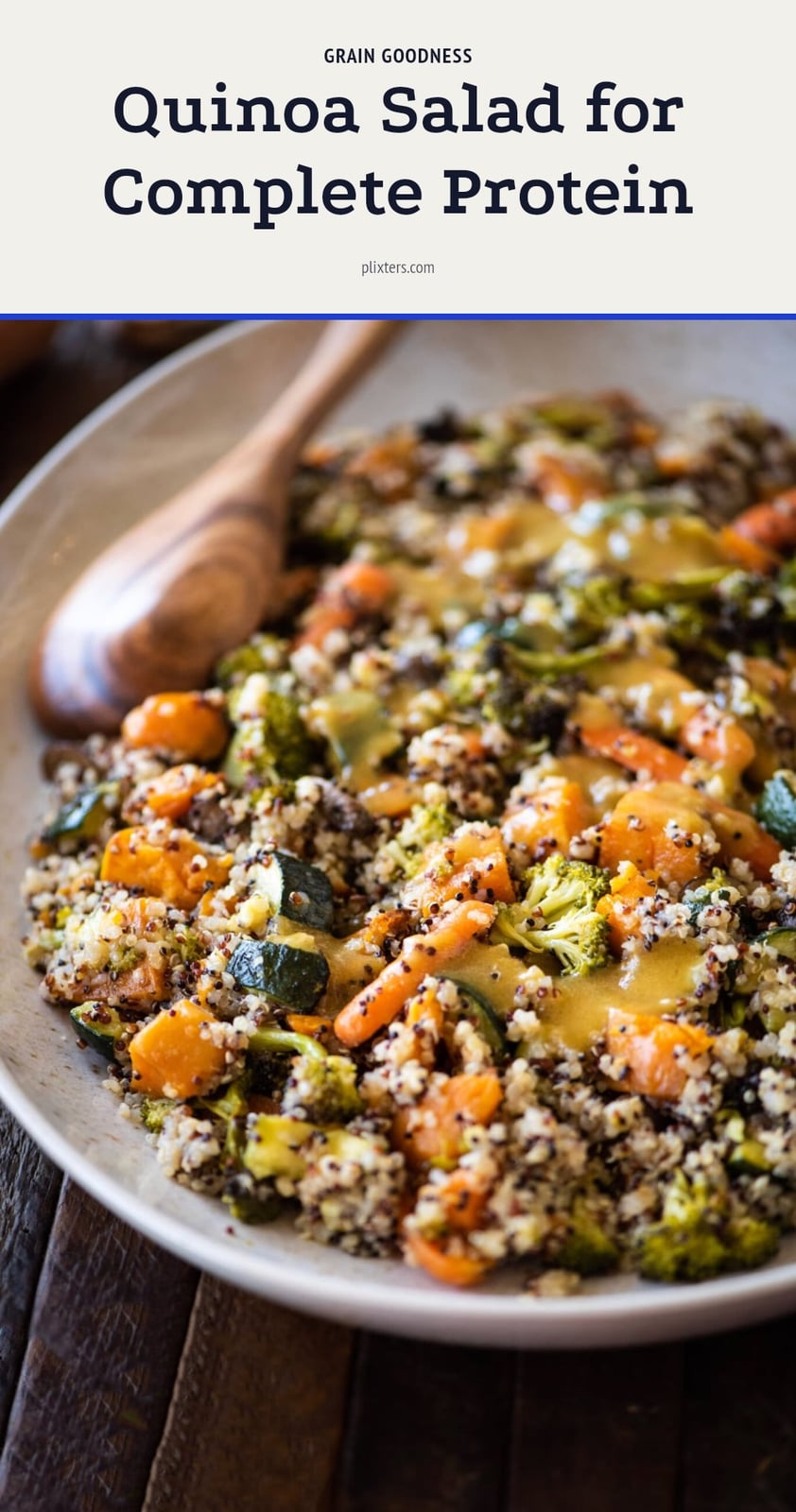
Quinoa stands out as one of the few plant-based foods that’s a complete protein. It’s also a good source of fiber and various minerals. My tip: Use it as a base for salads, a side dish, or even in breakfast bowls.
7. Nuts and Seeds for Snacking
Almonds, chia seeds, flax seeds, and pumpkin seeds deliver protein, healthy fats, and fiber in every handful. They are excellent for satisfying hunger between meals without a blood sugar crash. Tip: Watch your portion sizes, as they are calorie-dense, even though they are healthy. A small handful (about 1 ounce) is enough to keep you going.
8. Tofu and Edamame
Tofu and edamame are fantastic plant-based protein sources that deserve a regular spot in your kitchen. Tofu is incredibly versatile: it absorbs marinades and seasonings well, so it works in stir-fries, scrambles, soups, or grilled as a main dish. Edamame makes a quick, satisfying snack straight from the pod or added to salads and stir-fries for extra protein and fiber.
9. Lean Beef and Pork
Lean cuts of beef (like sirloin or round) and pork (like tenderloin) can be excellent protein sources when chosen wisely. They provide essential nutrients like iron and B vitamins that support energy and metabolism. Good to know: Trim visible fat before cooking and opt for grilling or baking over frying to keep the fat content low.
10. Whey and Casein Protein Powders
Protein powders are supplements, not replacements for whole foods. Whey digests quickly, which can help after a workout, while casein digests slowly, making it a good option between meals or before bed. Pro move: Use powders to fill gaps in your diet, not to replace meals or snacks.
11. Nutritional Yeast
Nutritional yeast is an often-overlooked ingredient with a cheesy, savory flavor that makes it a favorite in vegan cooking. It’s a complete protein and rich in B vitamins, which support energy metabolism. Quick tip: Sprinkle it on popcorn, salads, or roasted vegetables for a protein and flavor boost.
12. Spirulina
Spirulina is a blue-green algae that packs a serious protein punch, often containing up to 60% protein by dry weight. It’s also loaded with vitamins, minerals, and antioxidants, making it one of the most nutrient-dense foods you can add to your diet.
- Tip: Add a teaspoon to smoothies or juices for an easy nutritional boost. The powder blends in well without altering the taste much, so you get a protein and antioxidant kick without extra effort.
Common Protein Mistakes to Avoid for Weight Loss
Even with the best intentions, it’s easy to fall into a few common traps when adding more protein to your diet. Here are the mistakes I see most often and how to avoid them.
- Thinking more protein equals faster weight loss: Protein is a powerful tool for weight loss because it boosts satiety and has a higher thermic effect, but overall calorie intake still matters. You still need a calorie deficit to lose weight, so protein is part of the strategy, not a shortcut.
- Ignoring fat content in protein sources: Fatty cuts of meat or full-fat dairy can add hidden calories. Choose lean options like skinless poultry, lean cuts of beef, or low-fat dairy to keep your calorie count in check.
- Not eating enough protein at breakfast: Starting your day with protein can boost satiety and reduce cravings later on. Aim for at least 15-20 grams at your first meal, such as two eggs with Greek yogurt or a smoothie with protein powder.
- Relying too heavily on one protein type: Variety ensures you get a full spectrum of nutrients. Mix up your sources between animal and plant-based options like chicken, fish, eggs, lentils, and quinoa.
- Confusing supplements with whole foods: Protein powders are supplements, not replacements. Prioritize whole, unprocessed foods like chicken, fish, eggs, and legumes first, and use powders only when you need a convenient boost.
Frequently Asked Questions
How much protein do I need for weight loss?
For weight loss and muscle preservation, many experts suggest a protein intake between 1.2 and 1.6 grams per kilogram of body weight per day. This is higher than the general recommendation of 0.8 grams per kilogram. It’s best to consult a healthcare professional or registered dietitian to find the right amount for your specific needs.
Can I get enough protein from plant-based foods?
Yes, you can absolutely meet your protein needs with plant-based sources. Foods like lentils, beans, chickpeas, quinoa, tofu, edamame, nuts, and seeds all provide protein. Just be sure to eat a variety of them throughout the day to get all the essential amino acids your body needs.
Are protein shakes good for weight loss?
Protein shakes can be a convenient way to boost your intake, especially after a workout, but they should not replace whole food sources. Whole foods provide additional nutrients like fiber, vitamins, and minerals that shakes lack. Use them as a supplement, not a staple.
What are some easy ways to add more protein to breakfast?
Start with eggs: scrambled, hard-boiled, or in an omelet with veggies. Greek yogurt or cottage cheese with fruit is another quick option. You can also add a scoop of protein powder to oatmeal or a smoothie, or enjoy a slice of whole-grain toast with nut butter.
Does protein help build muscle while losing weight?
Yes, adequate protein intake is crucial for preserving and building lean muscle mass, especially when you’re in a calorie deficit for weight loss. Muscle helps keep your metabolism active, making it easier to maintain your weight loss over time.
Final Thoughts
For sustainable weight loss, make lean protein a consistent part of your meals rather than an occasional addition. Realistic expectations are key: results vary based on your overall diet, activity level, and metabolism, but a high-protein approach can support long-term weight management. My tip is to start by upgrading one meal at a time, like swapping sugary cereal for eggs or Greek yogurt at breakfast.
This article is for informational purposes only and does not constitute medical or dietary advice. Individual protein needs vary based on age, activity level, and health status. Consult a doctor or registered dietitian before making significant changes to your diet, especially if you have a pre-existing health condition.