 Save
Your hair wash day can be the secret to healthier, shinier hair if you get the routine right. It’s not just about scrubbing in shampoo and hoping for the best. This article walks you through the essential steps to take before, during, and after washing to address common concerns like buildup, dryness, and damage.
From pre-poo treatments to the right drying technique, I’ll share the tips that make a real difference. My tip: think of wash day as a full ritual, not a chore, and your hair will thank you.
Key Takeaways
- Detangle your hair gently before washing to prevent breakage.
- Focus shampoo on your scalp and conditioner on your mid-lengths to ends.
- Use warm water to wash and cool water to rinse for added shine.
- Blot hair dry with a microfiber towel or cotton t-shirt, never rub.
- Apply leave-in conditioner or serum to damp hair for extra moisture.
9 ideas in this post
- What is Hair Wash Day and Why Does it Matter?
- Your Essential Hair Wash Day Toolkit
- Step-by-Step: Your Best Hair Wash Day Routine
- Common Hair Wash Day Mistakes to Avoid
- Pro Tips for a Healthier Hair Wash Day
- How Long Does Hair Wash Day Take and How Often?
- When to Consult a Professional About Your Hair
- Frequently Asked Questions
- Final Thoughts
What is Hair Wash Day and Why Does it Matter?
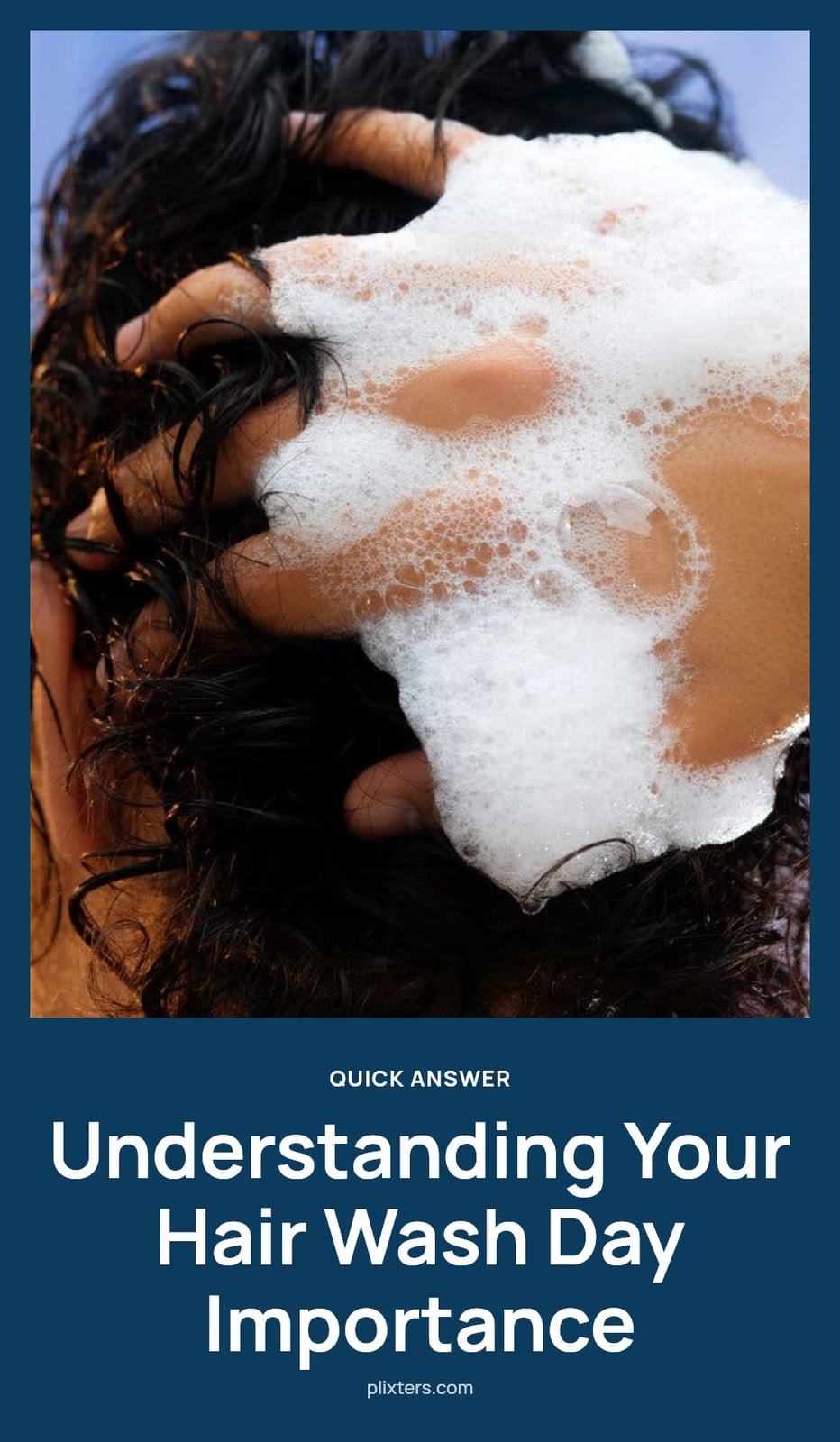
Hair wash day is the dedicated routine you follow to truly care for your hair, not just clean it. It goes beyond a quick shampoo by including preparation, proper washing, and post-wash care. A well-planned wash day tackles common issues like product buildup, scalp health, and moisture balance, leaving your hair looking and feeling its best.
Your Essential Hair Wash Day Toolkit
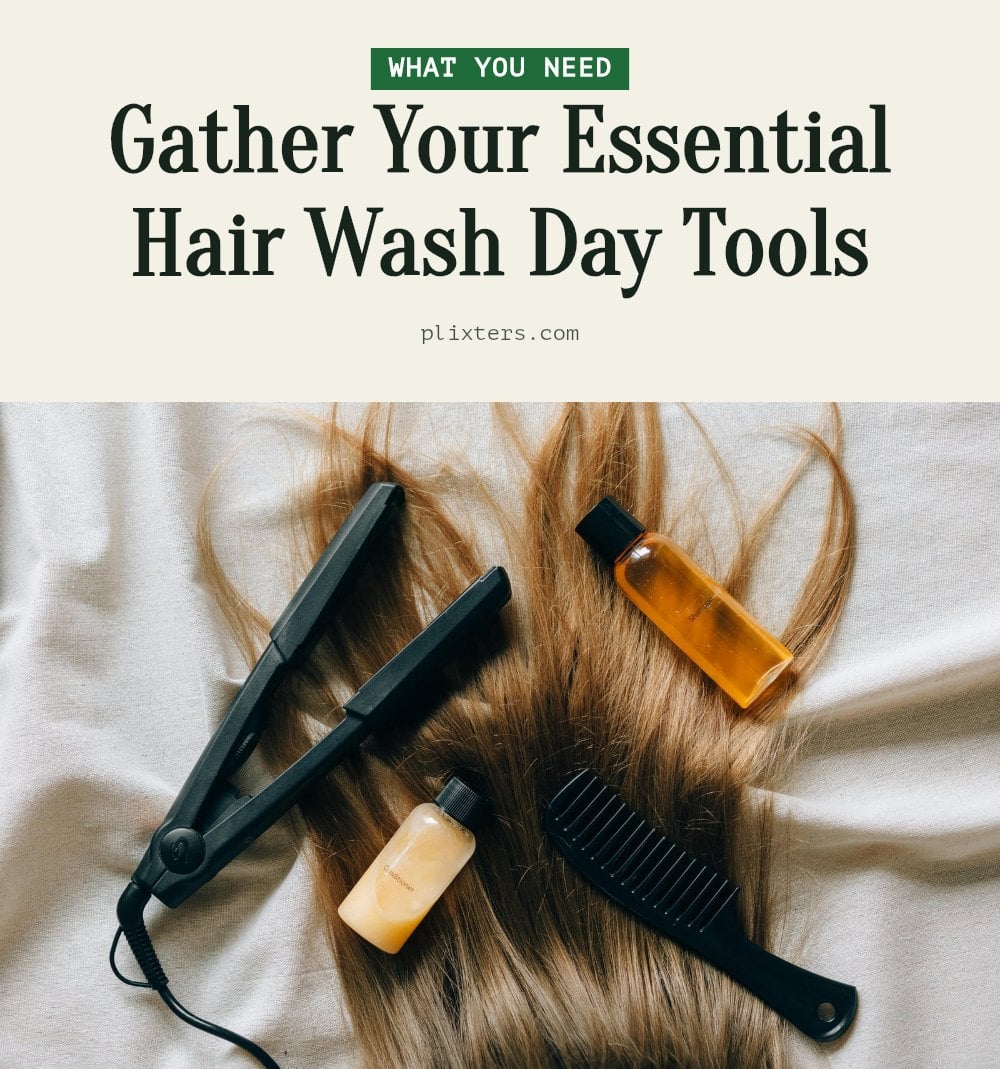
Having the right tools and products makes all the difference. Here is what you need for a successful hair wash day.
- Hairbrush or wide-tooth comb: For gentle detangling before you wet your hair.
- Pre-poo treatment: A hair oil or mask applied before shampooing to protect dry or delicate strands.
- Shampoo and conditioner: Choose formulas suited to your hair type, whether for moisture, volume, or color protection.
- Deep conditioner or hair mask: Provides extra hydration and repair, especially for dry or damaged hair.
- Microfiber towel or cotton t-shirt: Absorbs water without the friction that causes frizz.
- Leave-in conditioner or hair serum: Locks in moisture and offers detangling or heat protection.
- Heat protectant: Essential if you plan to use hot styling tools after washing.
Step-by-Step: Your Best Hair Wash Day Routine
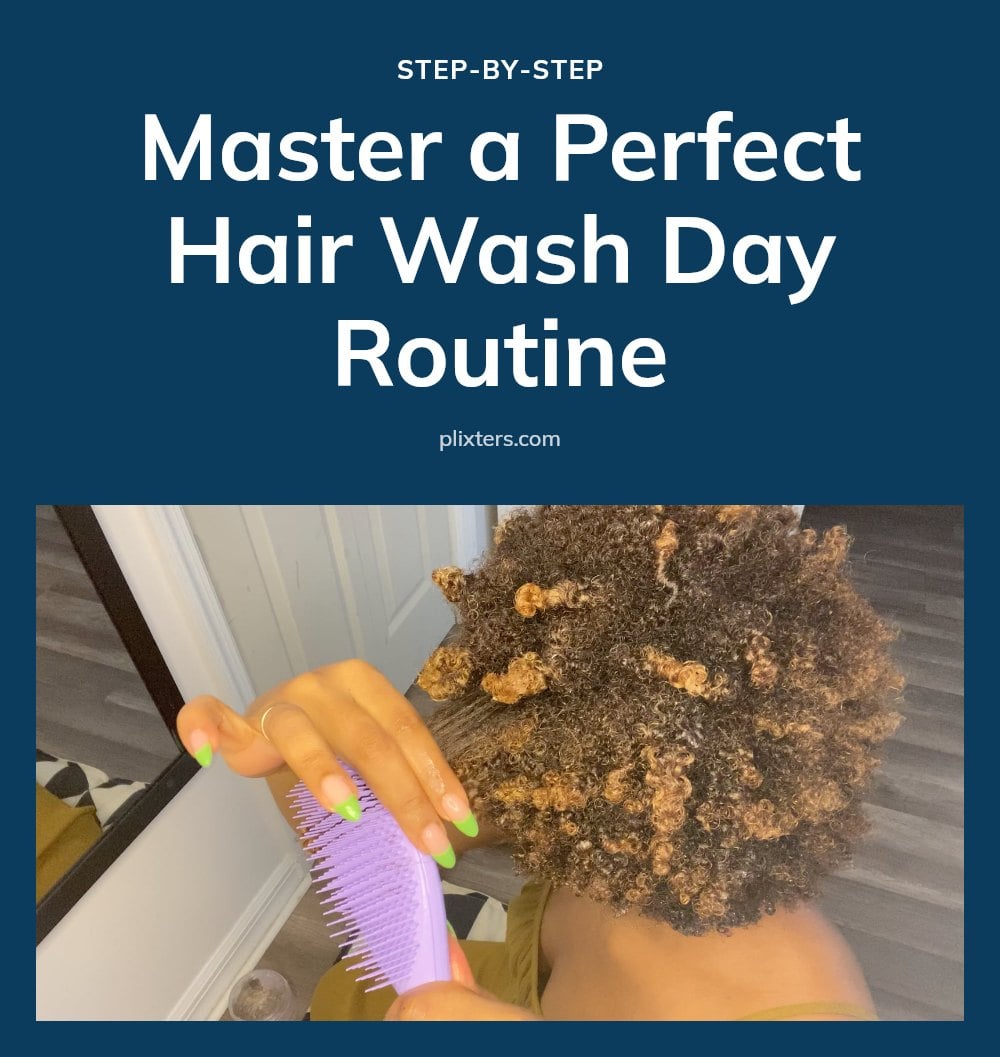
Follow these steps for a thorough and gentle wash day routine.
- Detangle dry hair: Use a wide-tooth comb or brush to remove knots before getting your hair wet. This prevents breakage and makes washing smoother.
- Apply pre-poo treatment: If your hair is dry or prone to tangles, apply a pre-shampoo oil or mask to the ends. Leave it on for 10-15 minutes before shampooing.
- Wet hair with warm water: Warm water opens the cuticles, allowing shampoo to cleanse effectively. Avoid excessively hot water, which can strip natural oils.
- Apply shampoo to scalp: Focus the shampoo on your scalp to remove oil and buildup. Gently massage with your fingertips for about a minute, then let the lather run through the lengths as you rinse.
- Squeeze out excess water: Before conditioning, gently squeeze your hair to remove extra water so the conditioner can penetrate better.
- Apply conditioner from mid-lengths to ends: Avoid the scalp. Leave it on for 2-5 minutes, then rinse with cool water to seal the cuticles and add shine.
- Blot hair dry: Use a microfiber towel or a cotton t-shirt to gently squeeze out moisture. Do not rub.
- Apply leave-in products: While hair is still damp, apply a leave-in conditioner or serum for moisture and detangling. If you plan to use heat styling, apply a separate heat protectant after the leave-in product.
Common Hair Wash Day Mistakes to Avoid

Even a well-intentioned routine can go wrong. Avoid these common pitfalls.
- Not detangling before washing: Wet hair is more fragile. Skipping this step leads to tangles and breakage.
- Applying shampoo to the length: Shampoo is for the scalp. Putting it on the ends strips natural oils and causes dryness.
- Not rinsing thoroughly: Product residue leaves hair dull and can cause buildup over time.
- Using too much product: More isn’t better. Excess product weighs hair down and makes it look greasy.
- Rubbing hair harshly with a towel: Vigorous rubbing with a terrycloth towel creates frizz and damages the cuticle.
- Using excessively hot water: Hot water strips the scalp of natural oils and can irritate sensitive skin.
Pro Tips for a Healthier Hair Wash Day
Scalp massage: While shampooing, use your fingertips to massage your scalp in circular motions for 1-2 minutes. This stimulates blood circulation, which some believe supports healthy hair growth. Focus on the pressure being firm but gentle; never use your nails.
Water temperature: Start with warm water to open the cuticles and lift dirt and oil. Finish your rinse with cool water to seal the cuticles, which adds shine and reduces frizz. Avoid hot water, as it strips natural oils.
Product focus: Shampoo belongs on your scalp to break down buildup. Conditioner belongs from mid-lengths to ends, where hair is driest and needs moisture. This targeted approach prevents greasy roots and dry ends.
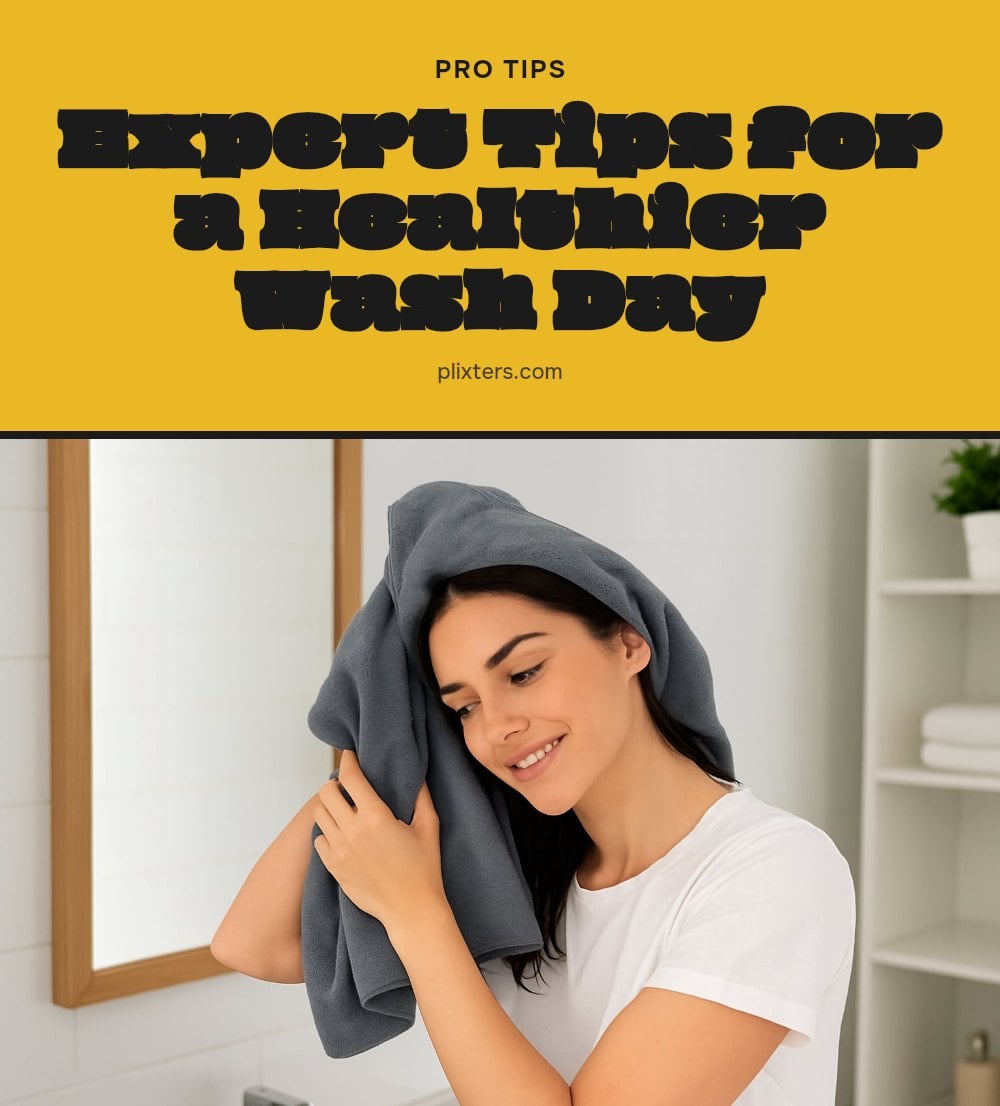
Gentle drying: Swap your terry towel for a microfiber towel or an old cotton t-shirt. Blot and squeeze sections of your hair instead of rubbing. This reduces friction that causes frizz and breakage.
Air drying: Whenever your schedule allows, skip the blow-dryer. Air drying is the gentlest method and minimizes cumulative heat damage. If you must use heat, always apply a protectant first.
How Long Does Hair Wash Day Take and How Often?
A full hair wash day routine takes anywhere from 15 minutes to an hour. The time depends on your hair length, thickness, and how many steps you include, such as a pre-poo treatment or deep conditioning mask.
Most people wash their hair every 2 to 4 days. Adjust this based on your hair type, how oily your scalp gets, your activity level, and the environment you live in. Oily hair may need more frequent washing, while curly or dry hair can go longer between washes.
Product costs vary widely. Drugstore options are budget-friendly, while salon brands cost more. You do not need expensive products to get good results; focus on formulas that match your hair needs.
When to Consult a Professional About Your Hair
Most hair concerns can be managed at home, but some situations call for a professional opinion. See a dermatologist or a trusted stylist if you experience any of the following:
Excessive hair loss: If you notice significantly more shedding than usual, especially in patches, get it evaluated.
Persistent scalp irritation: Redness, itching, or flaking that does not improve with over-the-counter treatments may indicate a medical condition.
Allergic reactions: If a product causes swelling, redness, or itching, stop using it and consult a professional.
Unexplained changes: Sudden shifts in hair texture, excessive dryness, or changes in your scalp condition warrant a checkup.
Frequently Asked Questions
How often should I wash my hair?
It depends on your hair type, scalp oiliness, activity level, and environment. Most people wash every 2 to 4 days, but those with very oily scalps may need more frequent washing, while drier hair types can go longer. Pay attention to how your hair feels and adjust accordingly.
Can I use hot water to wash my hair?
It is best to avoid excessively hot water because it can strip natural oils and irritate your scalp. Stick with warm water to open the cuticles for effective cleansing, then switch to cool water for the final rinse to seal the cuticles and boost shine.
What is a pre-poo treatment?
A pre-poo treatment is a product, like a hair oil or mask, applied to your hair before shampooing. It helps protect dry or delicate hair from the stripping effects of shampoo, reducing moisture loss and tangling. Apply it to your lengths and ends, then shampoo as usual.
Should I detangle my hair wet or dry?
Detangle your hair when it is dry, before you get it wet. Wet hair is more fragile and prone to breakage, so removing knots beforehand makes washing smoother and prevents damage. Use a wide-tooth comb or a brush designed for gentle detangling.
How can I make my hair less greasy between washes?
To reduce greasiness between washes, avoid over-conditioning near your scalp and focus conditioner on your ends. You can also use a dry shampoo on your roots to absorb excess oil. Washing too frequently can sometimes trigger more oil production, so find a balance that works for your scalp.
Final Thoughts
For the best results, stick to a routine that matches your hair type and lifestyle. Expect to spend 15 minutes to an hour on wash day, repeating every 2 to 4 days as needed. Remember, consistency with these steps will help you achieve healthier, more manageable hair over time.
This article provides general information for educational purposes only and is not a substitute for professional medical or hair care advice. If you experience excessive hair loss, scalp irritation, or allergic reactions to products, please discontinue use and consult a dermatologist or healthcare professional.