
 Save
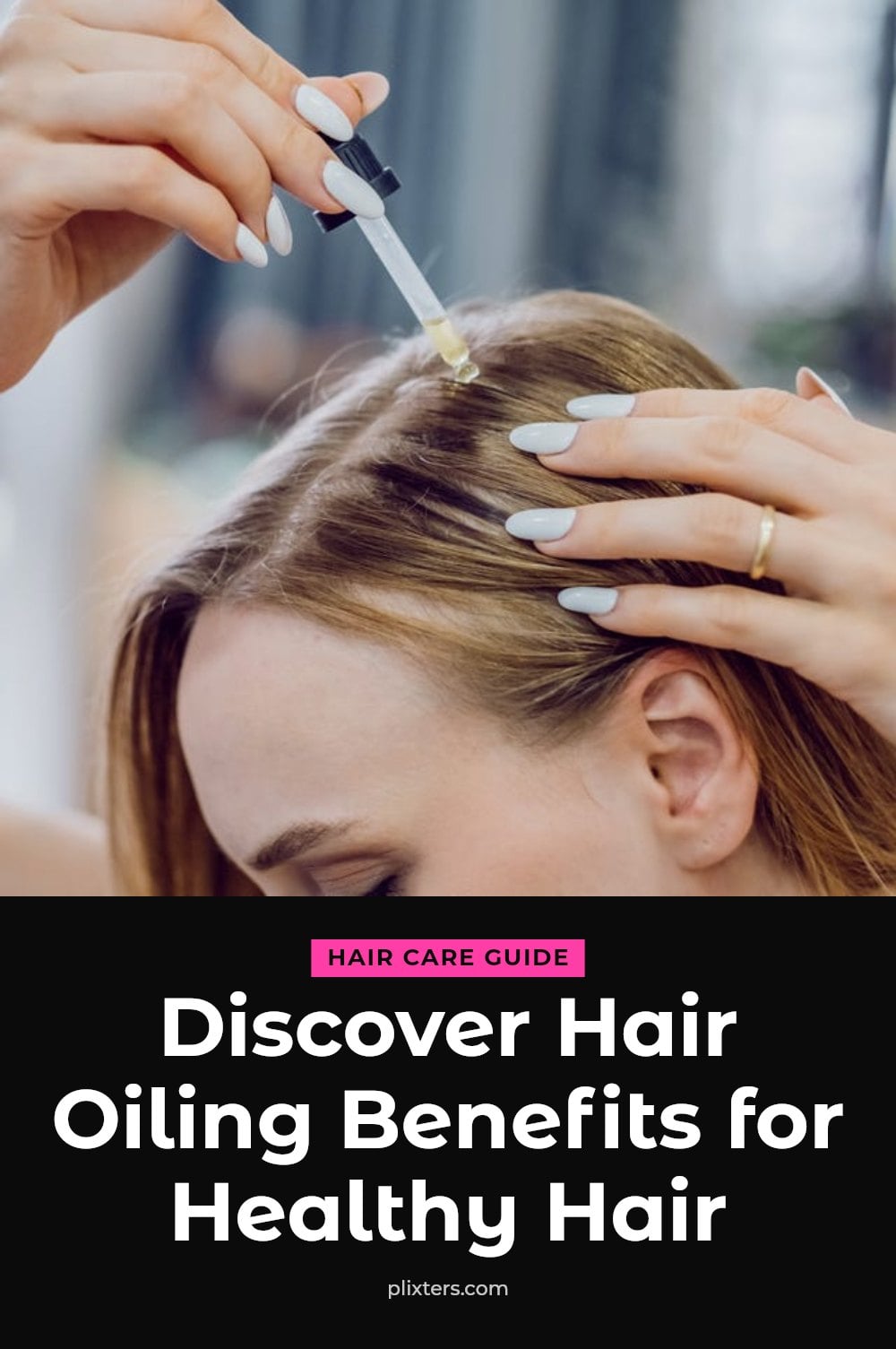
If you’re looking to add serious shine, tame frizz, and improve your hair’s overall health without a cabinet full of products, hair oiling might be your new favorite ritual. This ancient practice, rooted in Ayurvedic tradition, involves applying oil to your hair and scalp to nourish and protect. In this article, I’ll walk you through the key benefits and share my top tips for getting it right, from choosing the perfect oil for your hair type to avoiding the common mistakes that can leave hair greasy.
Key Takeaways
- Choose an oil that matches your hair type: coconut for deep penetration, argan for shine, jojoba for scalp balance.
- Warm the oil slightly before applying to dry or slightly damp hair for better absorption.
- Focus oil on mid-lengths and ends; use a gentle scalp massage only if your scalp is dry.
- Leave oil on for at least 30 minutes, then shampoo thoroughly to avoid buildup.
- Stick with oiling 1-2 times per week; visible results in shine and texture take several weeks.
15 ideas in this post
- What is Hair Oiling and How Can It Benefit Your Hair?
- 1. Choose the Right Oil for Your Hair
- 2. Warm Your Oil Gently
- 3. Apply to Dry or Slightly Damp Hair
- 4. Focus on Mid-Lengths and Ends
- 5. Massage Your Scalp Gently
- 6. Leave it On for the Right Amount of Time
- 7. Shampoo Thoroughly to Remove Residue
- 8. Incorporate Oiling as a Pre-Poo Treatment
- 9. Use a Wide-Tooth Comb for Distribution
- 10. Patch Test New Oils for Safety
- 11. Be Patient for Visible Results
- Common Hair Oiling Mistakes to Avoid
- Frequently Asked Questions
- Final Thoughts
What is Hair Oiling and How Can It Benefit Your Hair?
Hair oiling is an ancient practice of applying oil to the hair and scalp to nourish, condition, and protect. It can significantly improve hair texture, add shine, reduce frizz, and promote scalp health. The key to effective hair oiling is choosing the right oil for your hair type and applying it correctly.
1. Choose the Right Oil for Your Hair

Coconut oil is one of the few oils that can actually penetrate the hair shaft, thanks to its small molecular structure. This helps reduce hygral fatigue, the damage from repeated swelling and drying, and provides deep conditioning from within. For maximum penetration, apply it to dry hair before washing.
Argan, jojoba, and olive oils work differently: they coat the hair surface, sealing the cuticle to lock in moisture and add shine. These are excellent for frizz control and protection against environmental stress.
My tip: For oily scalps, a lighter oil like jojoba can help balance sebum production without clogging pores. Dry or coarse hair responds better to richer oils like castor or almond, which provide more intense moisture.
2. Warm Your Oil Gently
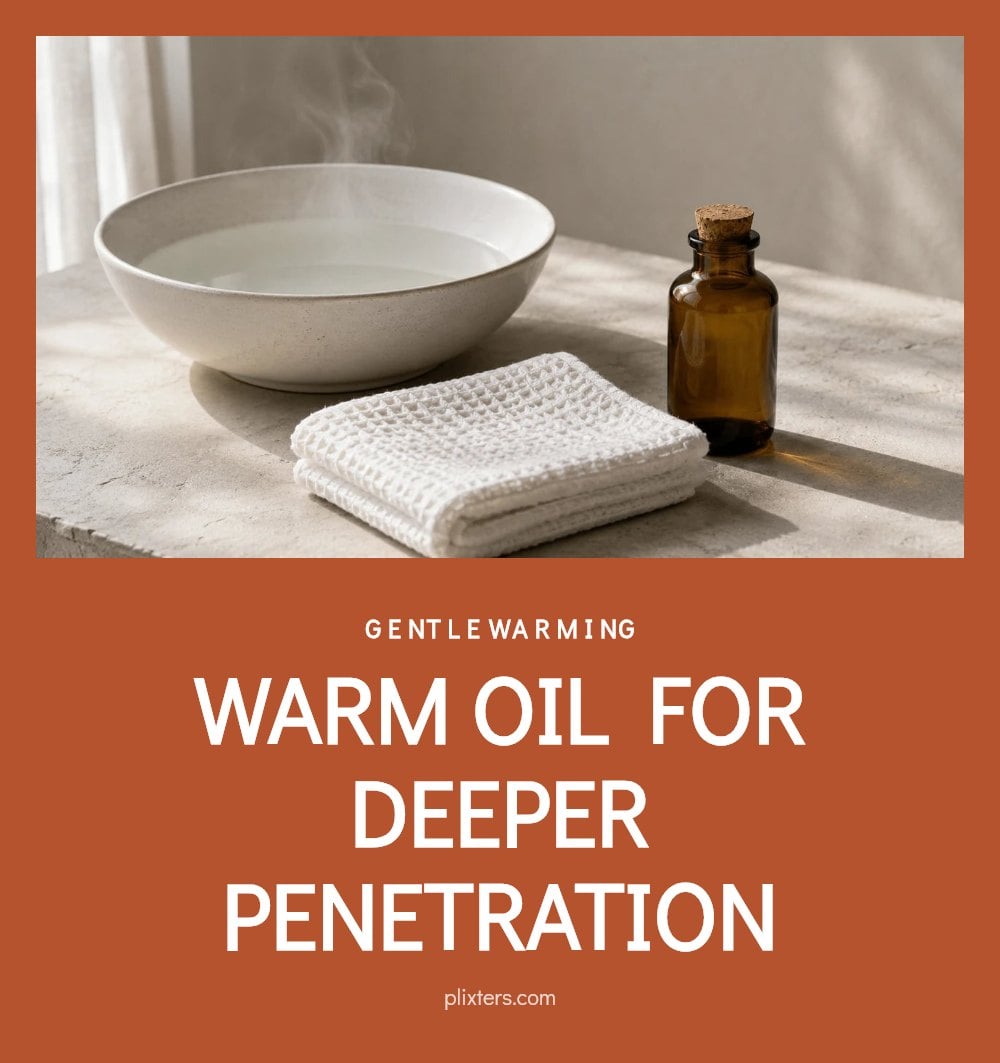
Slightly warming the oil before application helps it spread more easily and may enhance absorption into the hair shaft. My tip: Place your oil bottle in a bowl of warm water for a few minutes; never microwave the oil directly as it can create hot spots and burn your scalp.
3. Apply to Dry or Slightly Damp Hair
Applying oil to dry hair allows for better absorption and a more even coating. If your hair is slightly damp, it can help distribute the oil more smoothly, but avoid applying to soaking wet hair before heat styling, as this can ‘fry’ the hair.
4. Focus on Mid-Lengths and Ends
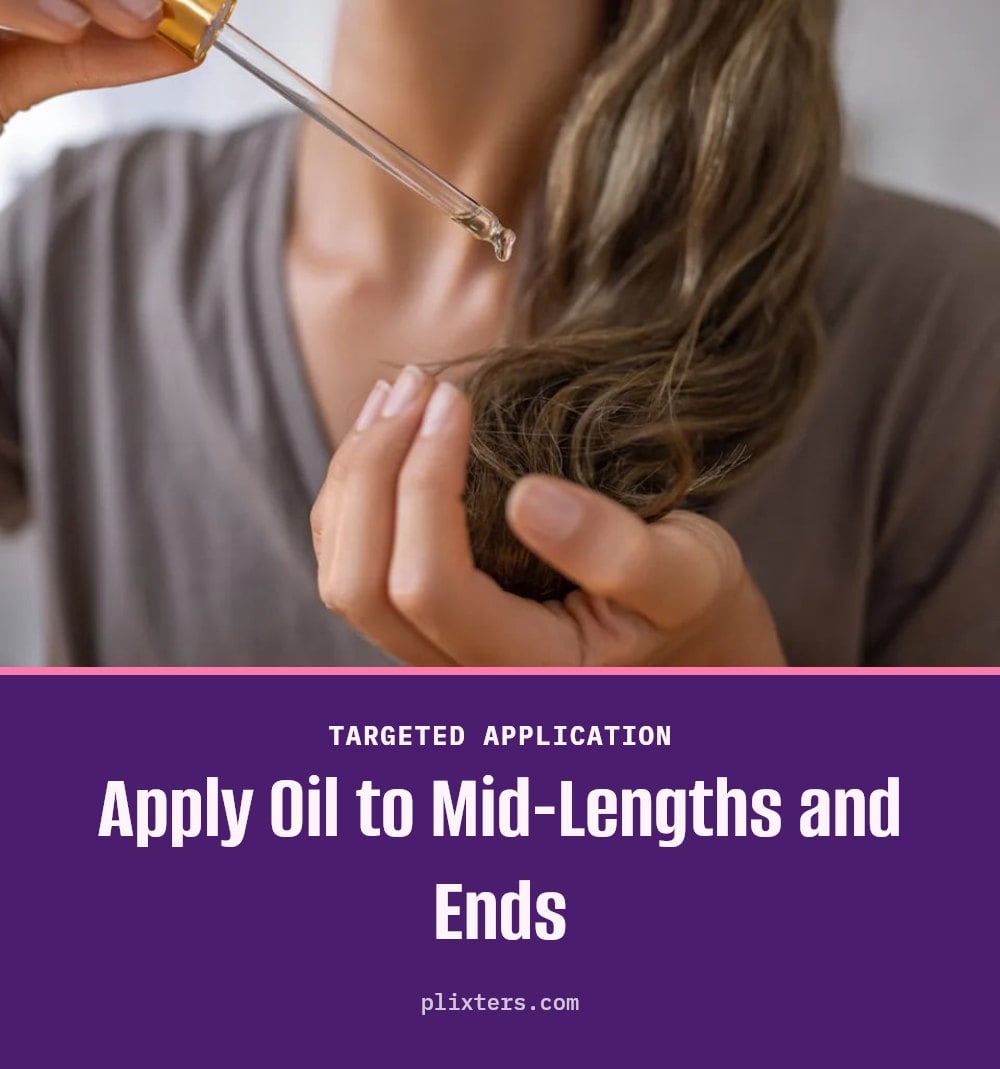
The mid-lengths and ends of your hair are the oldest and driest parts, making them the most prone to split ends and breakage. Concentrating the oil here seals the cuticle, which locks in moisture and smooths down the frizz-causing outer layer.
- Apply oil: Start at the ears and work your way down to the tips. Use a dime-sized amount for each side.
- Don’t drench the roots: Unless you are targeting scalp issues, keep the oil off your scalp to avoid weighing down the crown.
5. Massage Your Scalp Gently

If you have a dry, flaky scalp or simply want to stimulate circulation, a gentle scalp massage with oil can help. The massage increases blood flow, which some believe supports hair growth, and the oil can soothe dryness.
- Use fingertips, not nails: Apply a small amount of oil to your fingertips and massage in small circular motions for 2-3 minutes.
- Caution: Avoid scalp oiling if you have an oily scalp or dandruff unless you are using a treatment oil like tea tree, which has antimicrobial properties. Direct application can worsen buildup.
6. Leave it On for the Right Amount of Time
For the best balance of nourishment and easy washing, leave the oil on for at least 30 minutes. This gives the oil enough time to penetrate the hair shaft or coat the cuticle, depending on the oil type.
My tip: For a deeper treatment, I sometimes leave it on for 2-3 hours on a weekend. Avoid leaving oil on for multiple days without washing, as this can attract dirt, cause buildup, and potentially lead to scalp irritation.
7. Shampoo Thoroughly to Remove Residue

Thorough shampooing is non-negotiable after oiling. Any leftover residue will make your hair look greasy and feel heavy, and over time it can lead to product buildup on the scalp.
- Shampoo twice if needed: Apply shampoo directly to the scalp and roots first, then work the lather through the lengths. Rinse and repeat if your hair still feels slick.
- Focus on the scalp: The roots and scalp hold the most oil residue, so spend extra time massaging the shampoo into those areas.
8. Incorporate Oiling as a Pre-Poo Treatment
Applying oil before shampooing acts as a pre-poo treatment, protecting your hair from the harshness of some detergents. This is especially helpful for dry or color-treated hair, as the oil helps maintain moisture during cleansing. Apply your chosen oil to dry hair 30 minutes before you plan to shampoo, focusing on the mid-lengths and ends, and then proceed with your normal wash routine.
9. Use a Wide-Tooth Comb for Distribution
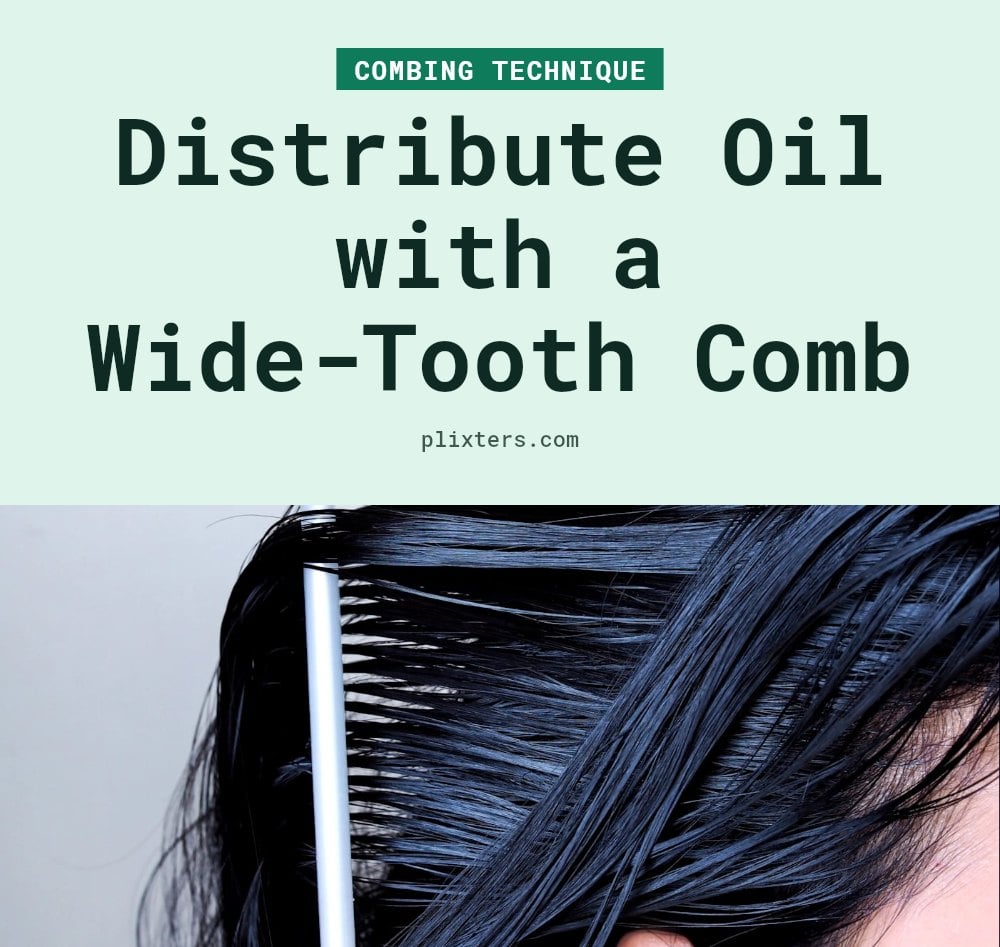
After applying the oil, grab a wide-tooth comb and gently work it through your hair from the ends upward. This ensures the oil is evenly distributed from root to tip, so every strand gets conditioned. A wide-tooth comb also detangles without snapping hair, which is especially important when your strands are coated and slippery.
10. Patch Test New Oils for Safety
Before you slather a new oil all over your head, do a patch test. Apply a small drop to the skin behind your ear or on your inner arm and wait 24 hours. This simple step catches any allergic reactions or sensitivities before you commit to a full application, saving you from a potential itchy or irritated scalp.
11. Be Patient for Visible Results
Don’t expect a miracle after one oiling session. Hair oiling works best as a consistent habit, done 1-2 times per week. Visible improvements in shine, texture, and manageability typically show up after several weeks of regular use. Stick with it, and your hair will thank you.
Common Hair Oiling Mistakes to Avoid
Using too much oil: This is the number one mistake. Too much oil makes hair greasy, hard to wash out, and can weigh it down. Start with a small amount; you can always add more if needed.
Not washing thoroughly enough: Leftover residue makes hair look dull and feel heavy. Always shampoo at least once, and sometimes twice, to ensure all oil is removed.
Choosing the wrong oil: An oil that’s too heavy for fine hair can make it limp, while a light oil may not be enough for coarse hair. Match the oil to your hair type and concerns.
Leaving oil on for too long: While overnight oiling works for some, leaving oil on for multiple days without washing can attract dirt and lead to scalp issues or product buildup.
Applying oil to an already oily scalp: If your scalp is naturally oily or prone to buildup, adding more oil can worsen the problem unless you’re using a specific treatment oil like tea tree for its antimicrobial properties.
Frequently Asked Questions
How often should I oil my hair?
For best results, aim to oil your hair 1-2 times per week. This frequency provides enough nourishment without risking product buildup or weighing your hair down. Adjust based on your hair type: fine hair may do well with once a week, while dry or coarse hair can handle twice weekly.
Can hair oiling cause hair loss?
Properly done, hair oiling is not known to cause hair loss. In fact, scalp massage during oiling may support hair growth by boosting circulation. However, using too much oil or leaving it on for too long can lead to buildup that clogs follicles, which might contribute to shedding. Always wash thoroughly and don’t overdo it.
Is it better to oil hair wet or dry?
It’s generally better to apply oil to dry or slightly damp hair. Dry hair allows for better absorption and an even coating. Damp hair can help distribute the oil more smoothly, but avoid applying to soaking wet hair, especially if you plan to use heat styling afterward, as this can damage the hair.
What is the best oil for hair growth?
There’s no single best oil for hair growth, as results vary. Coconut oil penetrates the hair shaft to reduce breakage, which can help length retention. Massaging the scalp with a carrier oil like jojoba or almond oil, sometimes with a few drops of rosemary essential oil (diluted), is a popular approach for stimulating circulation.
Can I leave hair oil in overnight?
Leaving oil in overnight is possible but not always recommended. For some, especially with fine or oily hair, overnight oiling can lead to product buildup or attract dirt. If you try it, use a light oil, apply sparingly, and protect your pillowcase. A safer option is a few hours before washing.
Final Thoughts
For most hair types, a consistent routine of oiling once or twice a week is the sweet spot. Expect to see a real difference in softness and shine after about a month of regular use. My tip: Start with a lightweight oil like jojoba if you have fine hair, and don’t skip the patch test for any new oil. Your hair will thank you for the extra care.
This article is for informational purposes only and does not constitute medical or professional hair care advice. Individual results may vary. If you have a persistent scalp condition, hair loss, or any concerns about your hair health, please consult a dermatologist or a qualified hair care professional.




