 Save
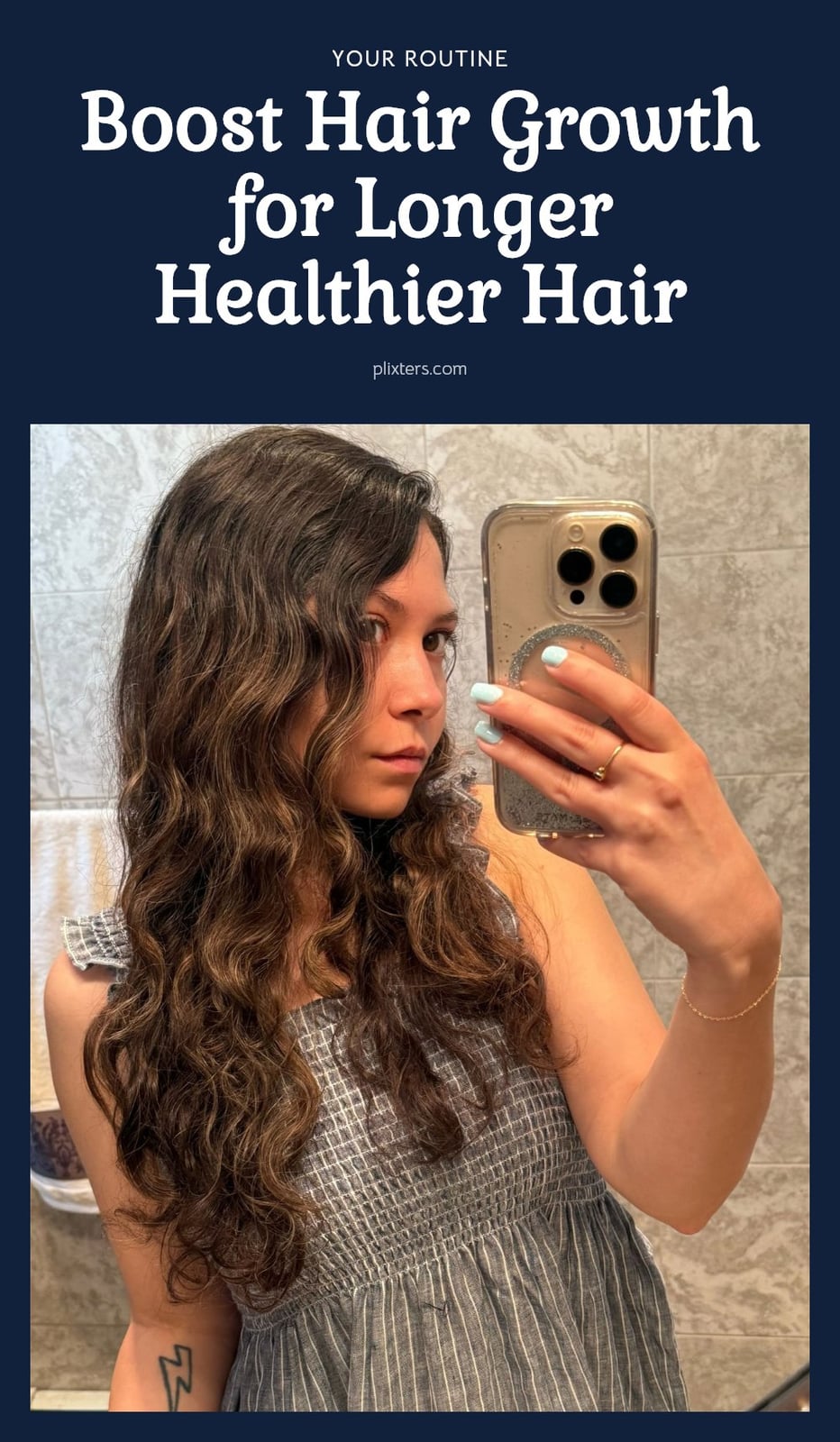
If you’re feeling like your hair has hit a plateau and just won’t grow past a certain point, you’re not alone. The truth is, hair growth is a slow, natural process, and there’s no instant fix. This article breaks down a practical, step-by-step routine that focuses on scalp health, minimizing damage, and supporting your body from the inside out, so you can help your hair reach its full potential.
Key Takeaways
- Hair grows about 0.5 inches per month, so visible results take several months to a year.
- Focus on scalp health with regular gentle massage to support the growth cycle.
- Eat a balanced diet rich in protein, iron, zinc, and vitamins D and E.
- Trim split ends every 6-8 weeks to prevent breakage, not to speed growth.
- Protect hair from excessive heat and avoid harsh chemicals or tight hairstyles.
9 ideas in this post
- How to Encourage Hair Growth for Longer, Healthier Strands
- Essential Tools and Products for Hair Growth
- Your Step-by-Step Hair Growth Routine
- Understanding Your Hair’s Growth Cycle
- Common Hair Growth Mistakes to Avoid
- Lifestyle Tips for Optimal Hair Growth
- When to Consult a Professional About Hair Growth
- Frequently Asked Questions
- Final Thoughts
How to Encourage Hair Growth for Longer, Healthier Strands
Hair grows about 0.5 inches per month, so patience is key. To support your natural growth cycle, focus on scalp health, minimizing damage, and proper nutrition. A consistent routine combining gentle care, a balanced diet, and stress management is the most effective approach for promoting longer, healthier strands.
Essential Tools and Products for Hair Growth
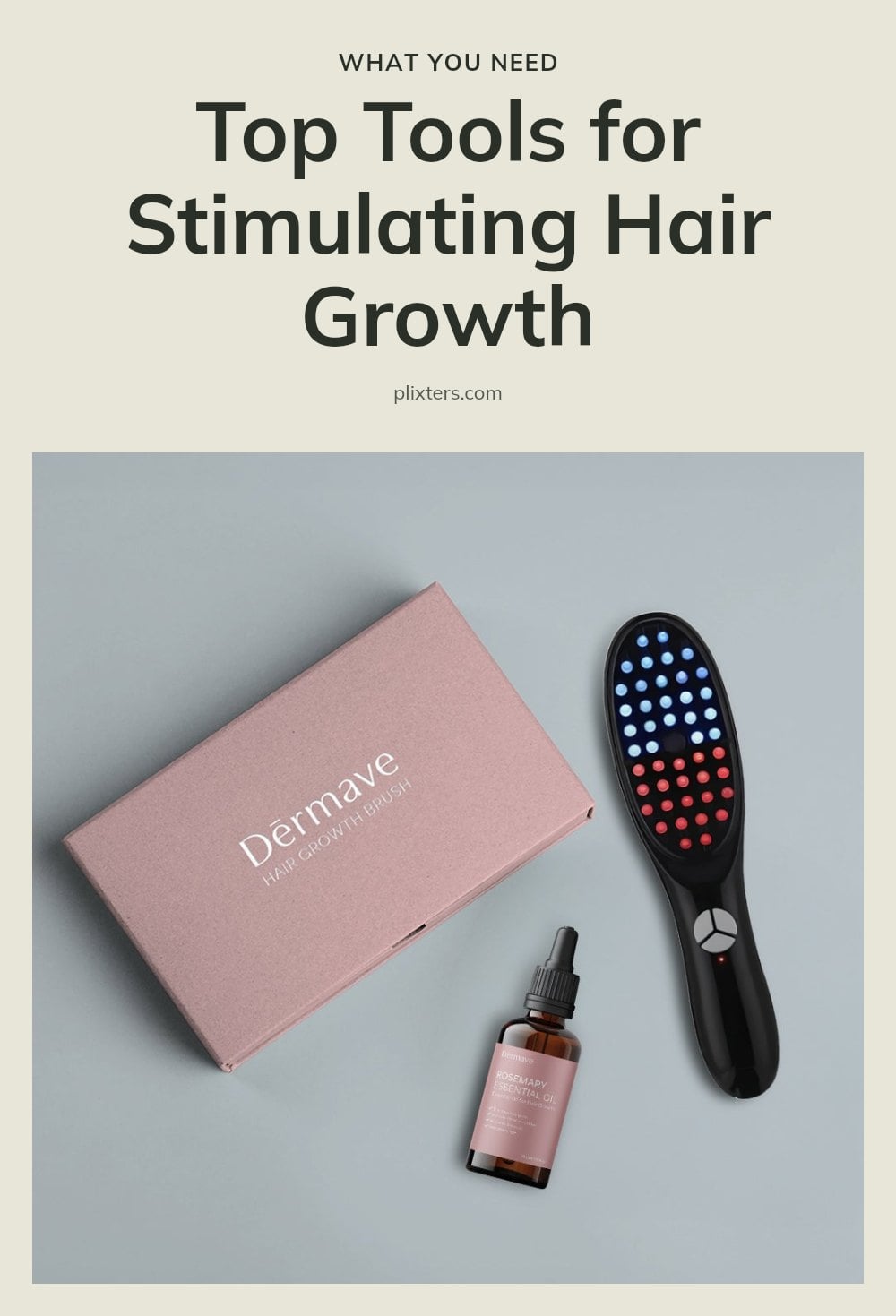
You don’t need a lot of fancy gear to support hair growth. Start with these basics:
- Gentle shampoo and conditioner suited to your hair type.
- Deep conditioner or hair mask for weekly nourishment.
- Scalp massager to stimulate blood flow.
- Heat protectant spray to prevent styling damage.
- Wide-tooth comb for detangling wet hair.
- Silk or satin pillowcase to reduce friction.
- Optional: Hair growth serum or essential oils (rosemary, peppermint) if desired. Always patch test before applying to your scalp.
- Optional: Dietary supplements (iron, zinc, biotin, vitamin D) after consulting a doctor.
Your Step-by-Step Hair Growth Routine
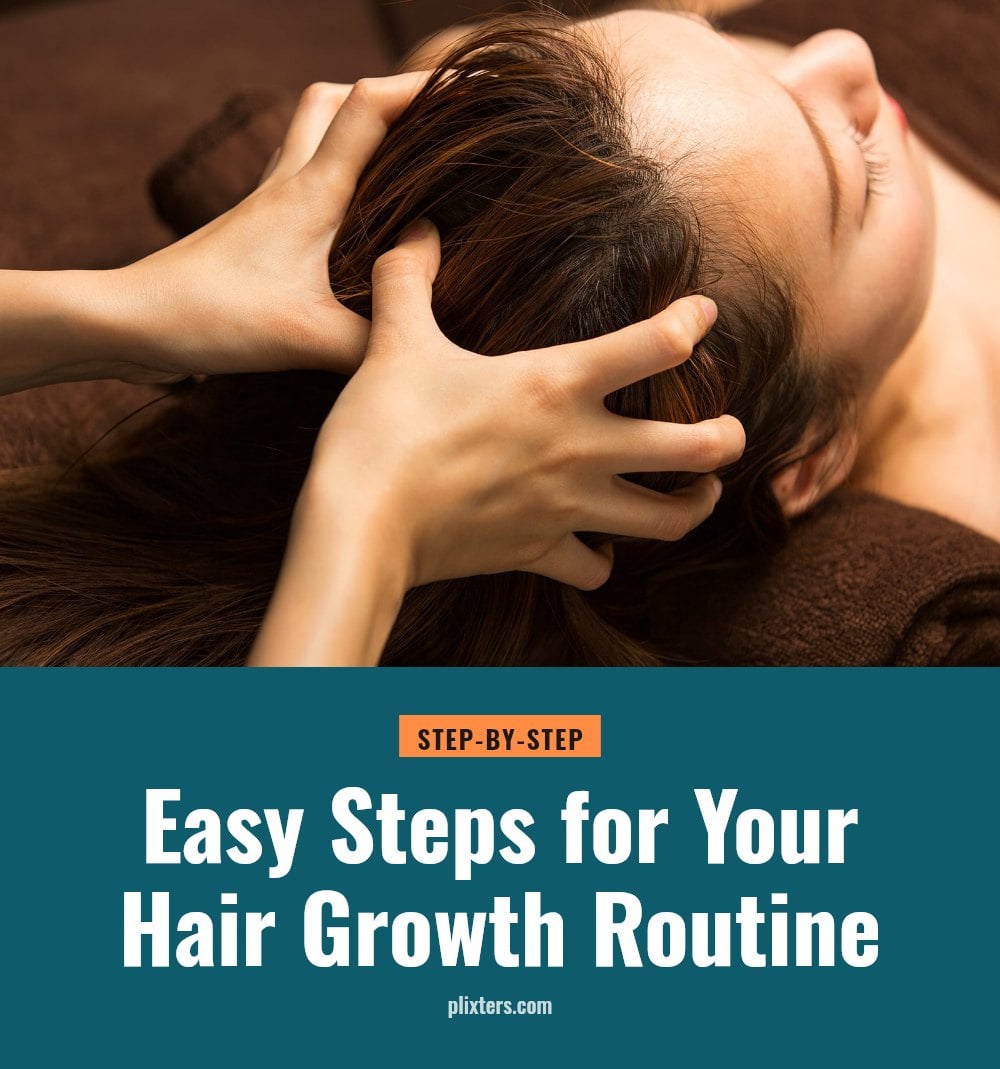
Follow this routine consistently to give your hair the best chance to grow longer and healthier.
- Cleanse and condition gently: Wash your scalp and hair with a gentle shampoo and conditioner suited to your hair type. Avoid over-shampooing, which can strip natural oils and lead to dryness.
- Massage your scalp regularly: Use your fingertips or a scalp massager to stimulate circulation. Do this for a few minutes before washing or anytime during the day.
- Deep condition weekly: Apply a deep conditioner or hair mask once a week to strengthen hair and prevent breakage. Leave it on for the time recommended on the product label.
- Protect from heat and chemicals: Always apply a heat protectant spray before blow-drying, curling, or straightening. Minimize chemical treatments like coloring or perms.
- Detangle carefully: Use a wide-tooth comb on wet hair, starting at the ends and working your way up. Wet hair is fragile, so be gentle to avoid breakage.
- Trim split ends regularly: Schedule a trim every 6-8 weeks to remove split ends and prevent them from traveling up the hair shaft, which can cause more damage.
Understanding Your Hair’s Growth Cycle
Understanding Your Hair’s Growth Cycle
Your hair doesn’t grow nonstop. It follows a cycle with three distinct phases. The active growth phase is called anagen. This phase can last anywhere from 2 to 7 years, and it’s what determines how long your hair can actually get. A longer anagen phase means more potential length. After anagen comes catagen, a short transition period that lasts a few weeks. Then the hair enters telogen, the resting phase, where it sits in the follicle until it eventually sheds.
Genetics largely control how long each phase lasts and how fast your hair grows. That’s why two people can follow the same routine and see different results. On average, hair grows about 0.5 inches (1.25 cm) per month. Knowing this helps set realistic expectations. If you’re aiming for longer hair, you’re looking at months of consistent care, not overnight change.
Common Hair Growth Mistakes to Avoid
Myth: Trimming makes hair grow faster. Trimming removes split ends and prevents breakage from traveling up the shaft, but it doesn’t speed growth from the root. Stick to trims every 6-8 weeks for health, not length.
Over-shampooing: Washing too often strips natural oils, leaving hair dry and brittle. Aim for 2-3 times per week or as your scalp requires.
Ignoring diet: Hair health starts inside. Deficiencies in iron, zinc, biotin, and vitamins D and E can slow growth. Prioritize a balanced diet before reaching for supplements.
Vigorous brushing when wet: Wet hair is fragile and stretches more. Brushing aggressively causes breakage. Use a wide-tooth comb and start from the ends.
Expecting instant results: Hair grows about 0.5 inches per month. Consistency over months and years, not weeks, is what delivers visible change.
Lifestyle Tips for Optimal Hair Growth
Eat a balanced diet: Hair is made of protein, so prioritize lean meats, eggs, beans, and nuts. Also include healthy fats and vitamins A, C, D, E, plus iron and zinc from leafy greens and whole grains.
Stay hydrated: Water supports every cell, including hair follicles. Aim for 8-10 cups daily.
Manage stress: High stress can trigger telogen effluvium, a temporary increase in shedding. Incorporate activities like walking, meditation, or journaling.
Protect hair at night: A silk or satin pillowcase reduces friction and prevents breakage while you sleep. It also helps maintain your hairstyle longer.
Be gentle overall: Avoid harsh chemicals, tight ponytails or braids that pull at the scalp, and excessive heat. Less damage means more length retained.
When to Consult a Professional About Hair Growth
While gradual thinning or slow growth is often normal, certain signs warrant a professional opinion. See a doctor or dermatologist if you experience sudden or significant hair loss, notice patches of baldness or thinning, or have persistent scalp issues like severe itching, flaking, or redness. These can signal an underlying health condition. Also consult a professional before starting any new dietary supplements for hair growth, especially if you have existing health conditions or take other medications.
Frequently Asked Questions
How long does it take to see hair growth results?
Since hair grows about 0.5 inches per month, it can take several months to a year to notice a meaningful difference in length. Consistency with your routine is key, as results depend on the natural growth cycle and overall hair health.
Can stress really cause hair loss?
Yes, stress can trigger a temporary condition called telogen effluvium, which pushes more hair follicles into the resting phase and leads to increased shedding. Managing stress through relaxation techniques or exercise may help reduce this effect.
Are hair growth supplements necessary?
Not for everyone. If your diet is balanced, you may not need supplements. However, deficiencies in iron, zinc, biotin, or vitamin D can impact growth. It’s best to consult a doctor before starting any supplement to check for actual deficiencies.
What is the best type of brush for hair growth?
There isn’t a specific brush that makes hair grow faster, but using a wide-tooth comb on wet hair is gentlest to prevent breakage. A soft-bristle brush can help distribute natural oils from the scalp down the hair shaft, which supports overall hair health.
Does frequent washing slow down hair growth?
Washing too often can strip natural oils, leading to dryness and potential breakage, which makes hair appear thinner. However, washing frequency doesn’t directly affect the growth rate from the root. Use a gentle shampoo and adjust washing to your hair type.
Final Thoughts
My biggest recommendation is to be consistent with your routine and patient with the process. Realistically, you won’t see dramatic changes overnight, but sticking with gentle care, a good diet, and stress management can make a real difference over several months. Focus on the health of your hair and scalp, and the length will follow in time.
This article is for general informational purposes only and does not constitute medical or professional advice. Hair growth can be affected by underlying health conditions. If you experience sudden or significant hair loss, or have persistent scalp issues, please consult a doctor or dermatologist for personalized guidance.