 Save
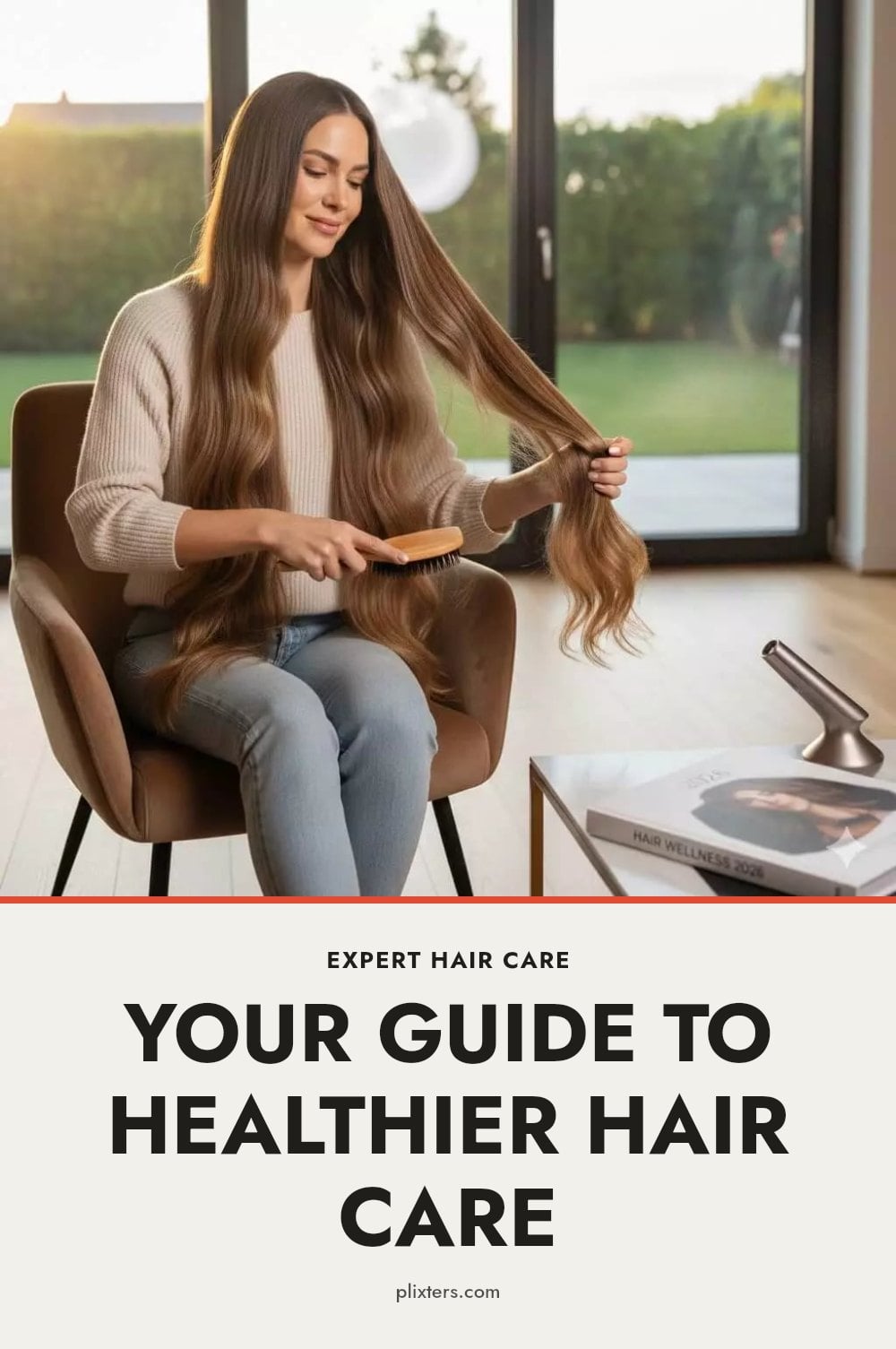
You already know the basics of washing and conditioning, but getting healthier hair really comes down to a few consistent habits that work with your specific hair type. This guide covers the smartest ways to wash, condition, detangle, and protect your hair, plus tips on trims, sleep, and diet that make a real difference over time.
Key Takeaways
- Wash frequency depends on your hair type and scalp oiliness; some need daily washing, others 2-3 times a week.
- Always use a heat protectant spray before styling with heat tools to prevent cuticle damage.
- Detangle wet hair with a wide-tooth comb starting from the ends to minimize breakage.
- Get a trim every 6-8 weeks to remove split ends and prevent damage from traveling up the shaft.
- Swap your cotton pillowcase for silk or satin to reduce friction and morning frizz.
15 ideas in this post
- The Secret to Great Hair: Consistency and Customization
- 1. Understand Your Hair Type
- 2. Wash Your Hair Smartly
- 3. Condition Correctly
- 4. Detangle with Care
- 5. Protect from Heat
- 6. Regular Trims Are Key
- 7. Deep Condition Weekly
- 8. Protect Hair While You Sleep
- 9. Nourish from Within
- 10. Avoid Tight Hairstyles
- 11. Shield from Environmental Damage
- When to Consult a Professional
- Frequently Asked Questions
- Final Thoughts
The Secret to Great Hair: Consistency and Customization
Great hair doesn’t come from a complicated 12-step routine. It comes from simple, consistent habits that match your hair’s specific needs. Focus on gentle handling, choosing the right products for your hair type, and understanding what your strands actually require. These core habits protect the hair shaft, keep your scalp healthy, and prevent damage over time. The result is healthier, more beautiful hair without the guesswork.
1. Understand Your Hair Type
Before you buy another bottle, figure out your hair type. Is it oily, dry, fine, thick, or color-treated? That single detail determines which products will actually help. My tip: A shampoo for oily hair will strip dry strands, and a rich cream for dry hair will flatten fine hair. Read labels carefully. This customization ensures your hair gets what it needs without being weighed down or under-nourished.
2. Wash Your Hair Smartly

How often you wash depends on your hair type and activity level. Some scalps do best with daily washing, others thrive on 2-3 times a week. Shampoo is for your scalp, not your lengths. Gently massage it into your scalp using your fingertips, not your nails, to avoid irritation. Caution: Extremely hot water strips natural oils and leads to dryness. Stick with warm water instead.
3. Condition Correctly
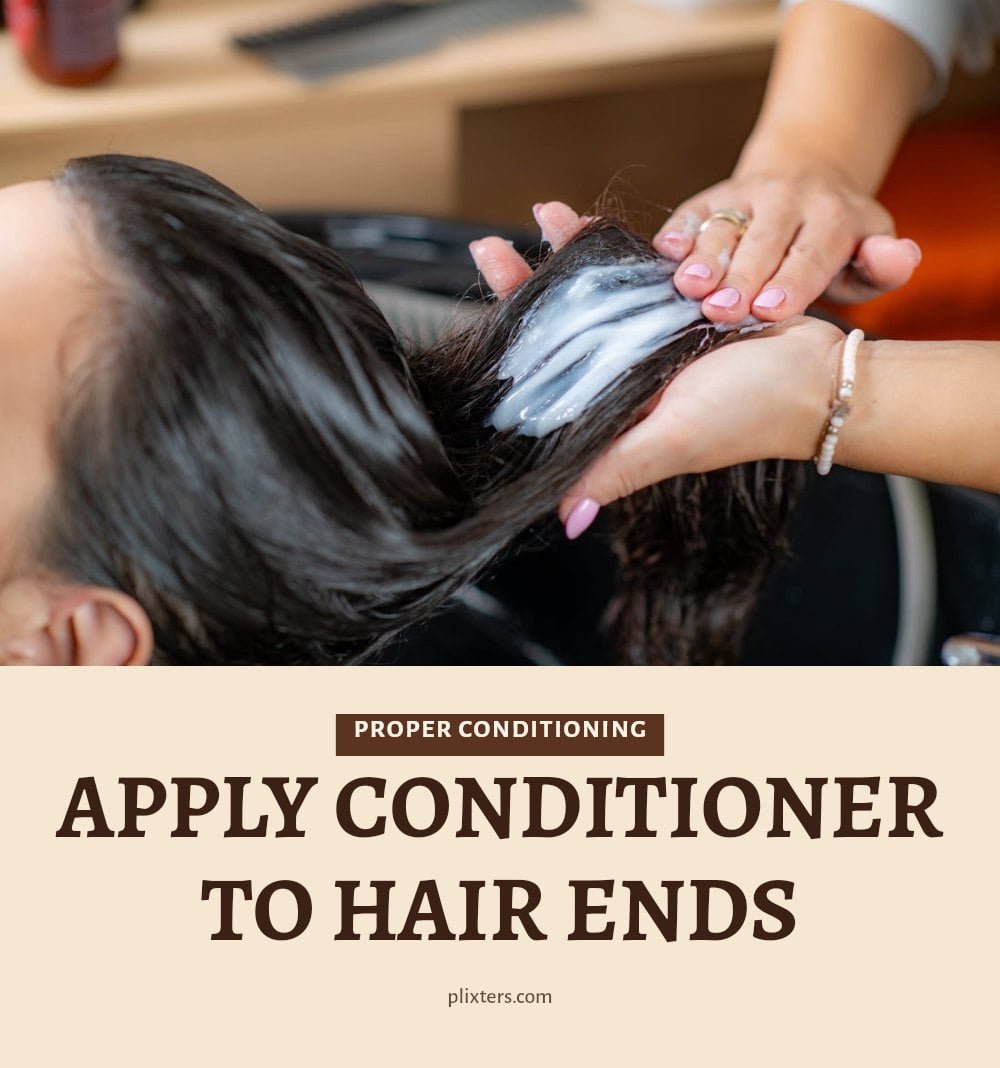
Conditioner belongs on your mid-lengths and ends, where hair is oldest and driest. Applying it to your scalp can weigh down fine hair and make oily roots worse. Rinse thoroughly until the water runs clear. Residue buildup leaves hair looking dull and limp, so take an extra few seconds to rinse well.
4. Detangle with Care
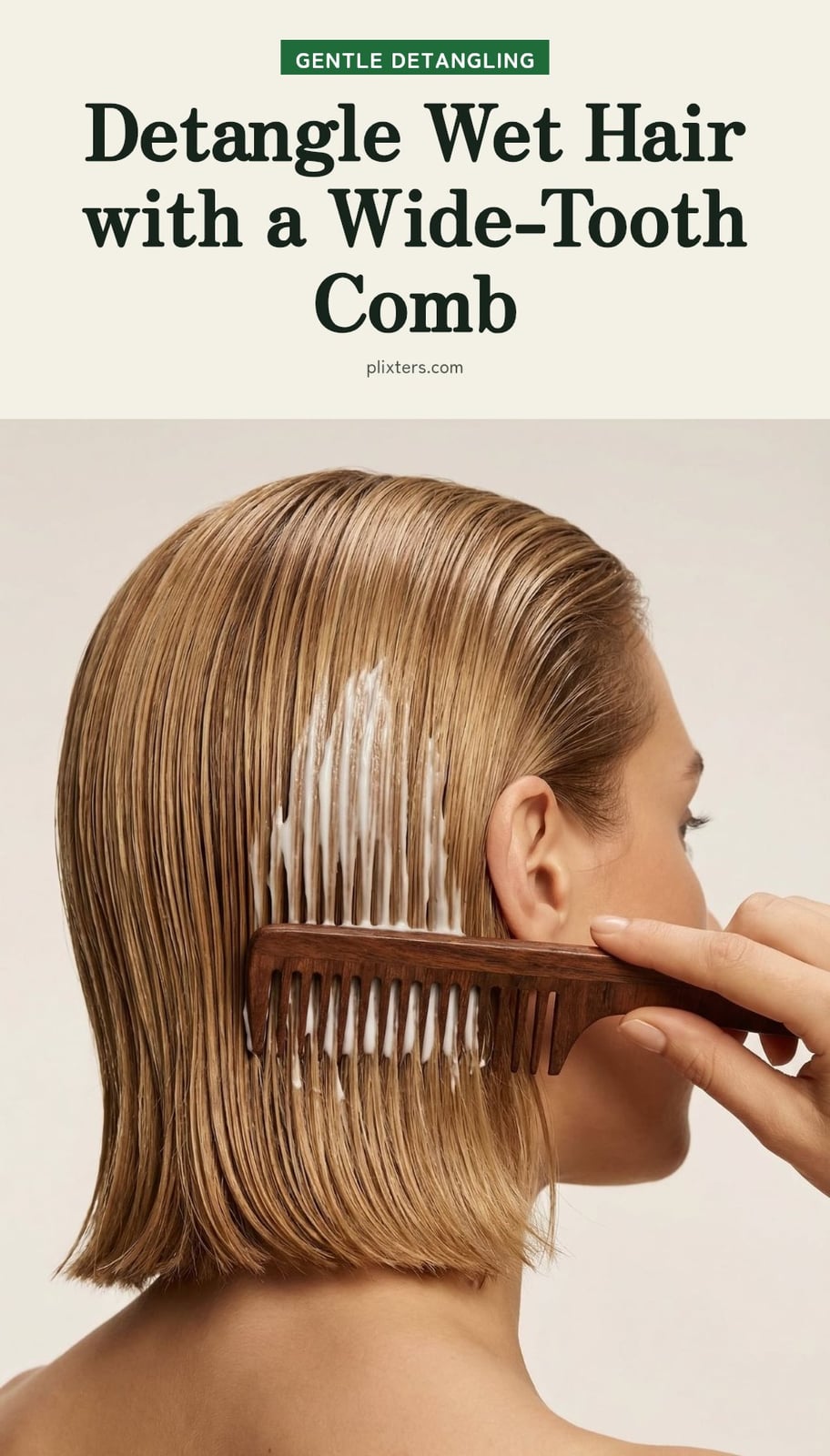
Hair is most fragile when wet, so over-brushing wet hair can cause breakage. Always use a wide-tooth comb for detangling, especially on wet hair, to minimize breakage. Start detangling from the ends and work your way up to the roots, gently easing out knots. This method prevents tugging and snapping, keeping your hair intact.
5. Protect from Heat
Heat styling tools can damage the hair’s cuticle, leading to dryness and breakage if used without protection or at excessive temperatures. Always use a heat protectant spray before any heat styling to create a barrier. My tip: Opt for the lowest effective temperature on your styling tools and air dry whenever possible to minimize heat exposure. This simple habit preserves your hair’s health over time.
6. Regular Trims Are Key
Regular trims (every 6-8 weeks) help remove split ends and maintain hair health. This prevents damage from traveling up the hair shaft, keeping your hair looking fresh and healthy. Don’t ignore regular trims, as allowing split ends to worsen can lead to more significant breakage. A quick trim keeps your ends strong and your style intact.
7. Deep Condition Weekly
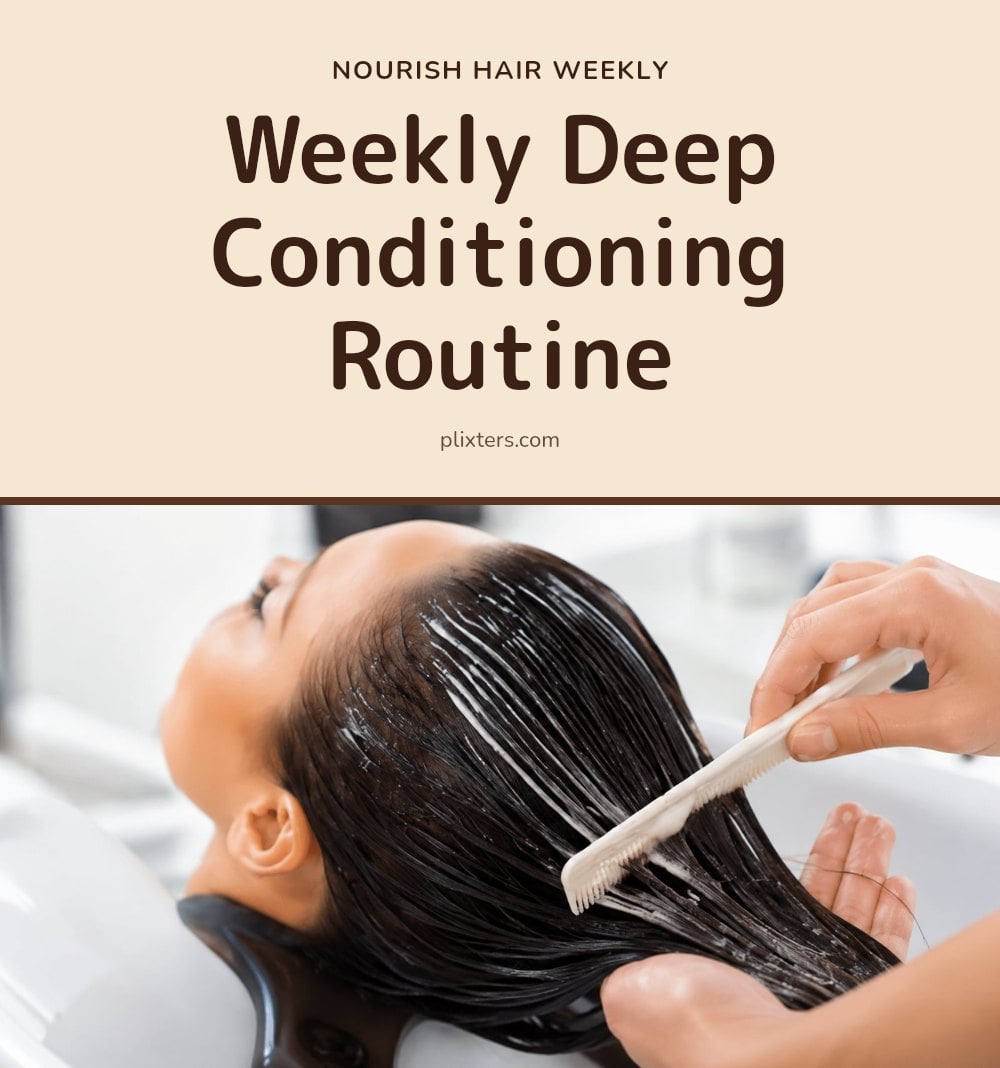
Hair masks or deep conditioners provide intensive moisture and repair, typically used once a week or every other week. These treatments can significantly improve hair texture, shine, and overall health. Tip: Find a mask suited to your hair’s specific needs, whether it’s for hydration, repair, or color protection. Apply it after shampooing, leave it on for the recommended time, then rinse thoroughly for best results.
8. Protect Hair While You Sleep

Swap your cotton pillowcase for a silk or satin one. Cotton creates friction that snags strands and causes breakage and frizz while you sleep. A smooth silk or satin surface lets your hair glide, keeping it smoother and reducing tangles by morning.
9. Nourish from Within
Your hair is made of protein, so what you eat directly affects its strength and growth. A balanced diet with enough protein, vitamins, and minerals supports healthy hair from the inside. Drink plenty of water too, hydration keeps both your body and your hair strands pliable and less prone to breakage.
10. Avoid Tight Hairstyles
Frequent tight ponytails or buns pull on your hair follicles, creating constant tension. Over time, this can lead to traction alopecia, a form of hair loss. Choose looser styles that don’t strain your scalp, and vary your part or updo placement to give follicles a break.
11. Shield from Environmental Damage
UV rays from the sun can dry out your hair and fade color, so protect it outdoors. Before swimming, wet your hair with clean water and apply a leave-in conditioner to create a barrier against chlorine and saltwater. Good to know: A wide-brimmed hat is a stylish way to block harsh sun and keep your hair healthy.
When to Consult a Professional
Persistent scalp irritation, like itching, redness, or excessive flaking, warrants a visit to a dermatologist. The same goes for excessive hair loss or sudden, unexplained changes in hair texture or growth. These can signal an underlying issue that needs professional evaluation.
Before any chemical treatment, such as a new hair dye, always perform a patch test. Apply a small amount of the product to your inner elbow or behind your ear and wait 24 to 48 hours to check for an allergic reaction. Caution: Even products you have used before can cause a reaction if the formula has changed.
Frequently Asked Questions
Are cold water rinses actually good for hair?
Cold water rinses can help seal the hair cuticle, which may promote shine, but the scientific evidence is limited. It’s a low-risk trick that some people find makes their hair look smoother, but it won’t replace a good conditioner or heat protectant.
How often should I use a hair mask?
Hair masks or deep conditioners are typically used once a week or every other week for intensive moisture and repair. If your hair is very dry or damaged, you might benefit from weekly use, but avoid overdoing it as too much moisture can weigh fine hair down.
Do I really need heat protectant?
Yes, if you use any heat styling tools. Heat protectant spray creates a barrier that reduces damage to the hair’s cuticle, which can otherwise lead to dryness and breakage. Even a quick pass with a blow dryer is enough reason to use it.
Can diet really affect my hair’s health?
Yes, because hair is made of protein, a balanced diet with enough protein, vitamins, and minerals supports its strength and growth. Staying hydrated also helps, so think of good nutrition as part of your hair care routine, not a quick fix.
What’s the best way to detangle wet hair?
Use a wide-tooth comb and start detangling from the ends, working your way up to the roots. Hair is most fragile when wet, so be gentle and avoid over-brushing. This method minimizes breakage and eases out knots without pulling.
Final Thoughts
Stick with the habits that match your hair type and you’ll see gradual improvements in texture, shine, and strength over weeks to months. My tip: pick just one or two changes to start, like using a silk pillowcase or switching to a wide-tooth comb, and build from there. Healthy hair is about consistency, not perfection.
This article provides general information about hair care and is not a substitute for professional medical advice. If you experience persistent scalp irritation, excessive hair loss, or sudden changes in hair texture, please consult a dermatologist or healthcare professional.