 Save
If you’ve ever checked the ingredient list on your moisturizer or conditioner, you’ve probably seen glycerin listed near the top. It’s one of the most common hydrating ingredients in beauty products, and for good reason: it works by pulling moisture into your skin and hair. In this article, I’ll walk you through what glycerin is, how it works, and the best ways to use it in your routine without making common mistakes.
Key Takeaways
- Always dilute pure glycerin with water or a carrier oil before applying.
- Apply glycerin to damp skin or hair for better absorption.
- Use glycerin in humid environments to maximize its moisture-attracting benefits.
- Patch test any new glycerin product or DIY mixture first.
- Expect immediate hydration, with full benefits over one to two weeks.
10 ideas in this post
- What is Glycerin and Why Your Skin Needs It
- How Glycerin Works to Hydrate and Protect
- Essential Ingredients for DIY Glycerin Routines
- Step-by-Step: Using Glycerin for Radiant Skin
- Integrating Glycerin into Your Hair Care Routine
- Common Glycerin Mistakes to Avoid
- Pro Tips for Maximizing Glycerin’s Benefits
- When to Expect Results and Cost Considerations
- Frequently Asked Questions
- Final Thoughts
What is Glycerin and Why Your Skin Needs It
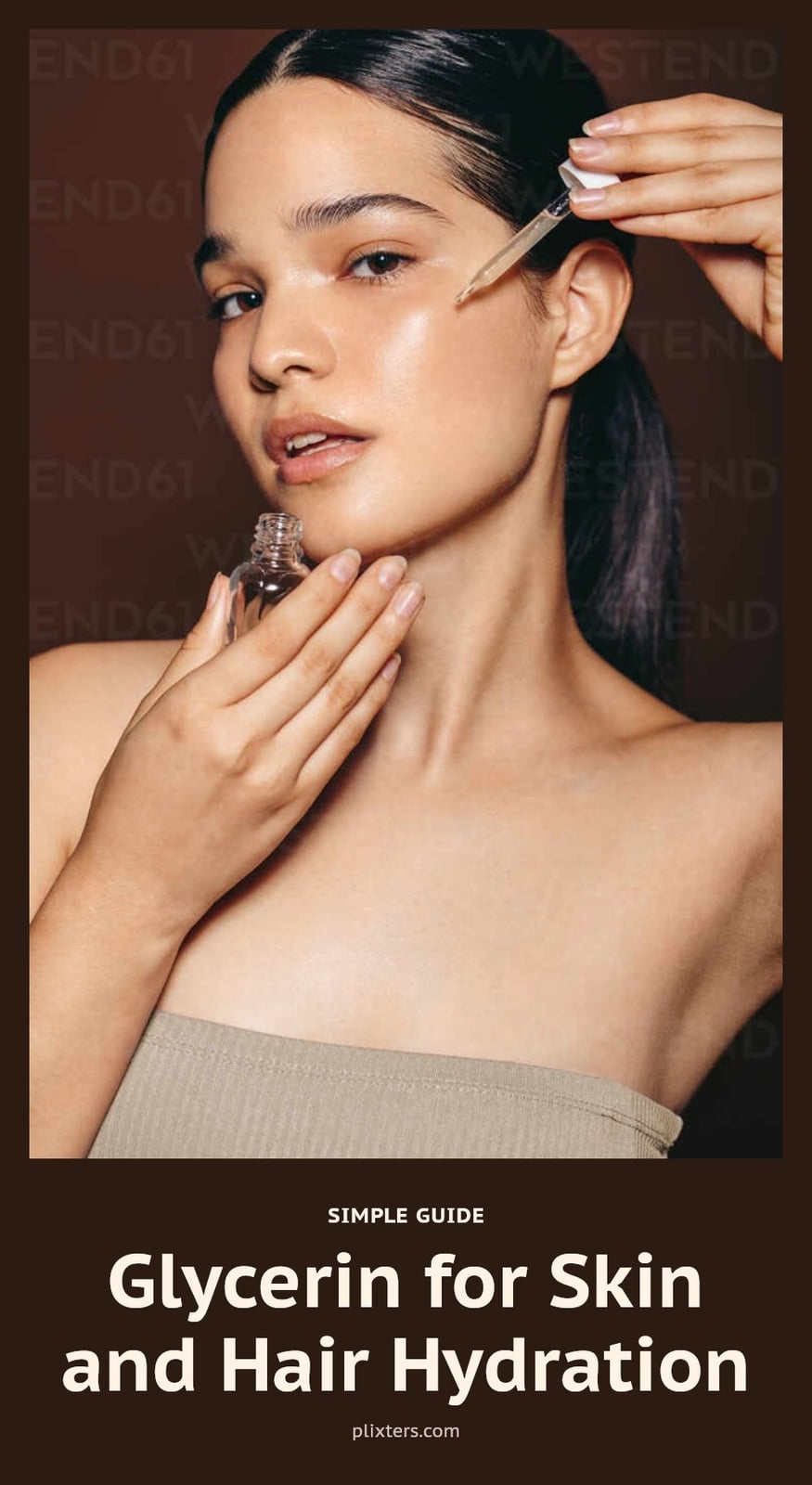
Glycerin is a humectant, which means it draws moisture into your skin and hair. It’s a natural compound often derived from vegetable oils, and you’ll find it in many beauty products because of its hydrating power. My tip: when used correctly, glycerin helps hydrate, soften, and protect, making your skin feel smoother and your hair less frizzy.
How Glycerin Works to Hydrate and Protect

Glycerin pulls water from the air around you and from the deeper layers of your skin up to the surface. This is what makes it such an effective humectant. Once that moisture reaches the outer layer, it doesn’t just sit there. Glycerin helps strengthen your skin’s moisture barrier, which is the protective shield that keeps irritants out and hydration in.
A stronger barrier means less water loss throughout the day. Over time, this consistent hydration improves your skin’s elasticity and promotes a smoother complexion. Your skin becomes more flexible and less prone to fine lines caused by dehydration. The effect is cumulative, so the more regularly you use glycerin-based products, the more your barrier benefits.
Essential Ingredients for DIY Glycerin Routines
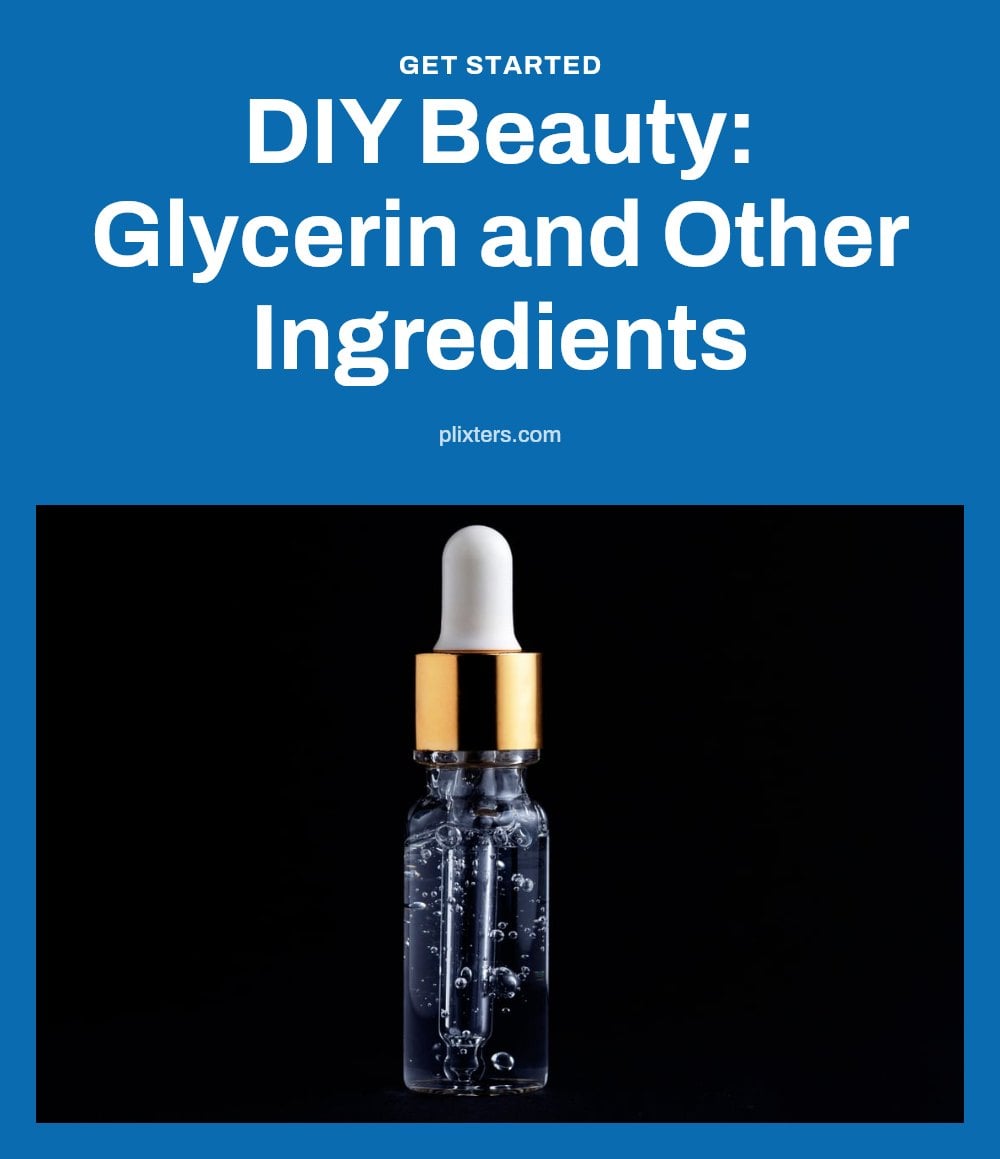
Start with pure liquid glycerin, and vegetable glycerin is the go-to choice because it comes from plant sources and is gentle on skin. You will also need distilled or filtered water to dilute it properly, since tap water can introduce minerals that irritate sensitive skin.
For hair applications, grab a spray bottle so you can mist a diluted glycerin mix evenly through damp strands. For skin mixtures, pick a carrier oil like jojoba or almond oil, which adds emollient benefits and helps the glycerin spread smoothly.
- Pure liquid glycerin: vegetable-based is best.
- Distilled or filtered water: for safe dilution.
- Spray bottle: for hair mists.
- Carrier oils: jojoba or almond for skin blends.
Step-by-Step: Using Glycerin for Radiant Skin
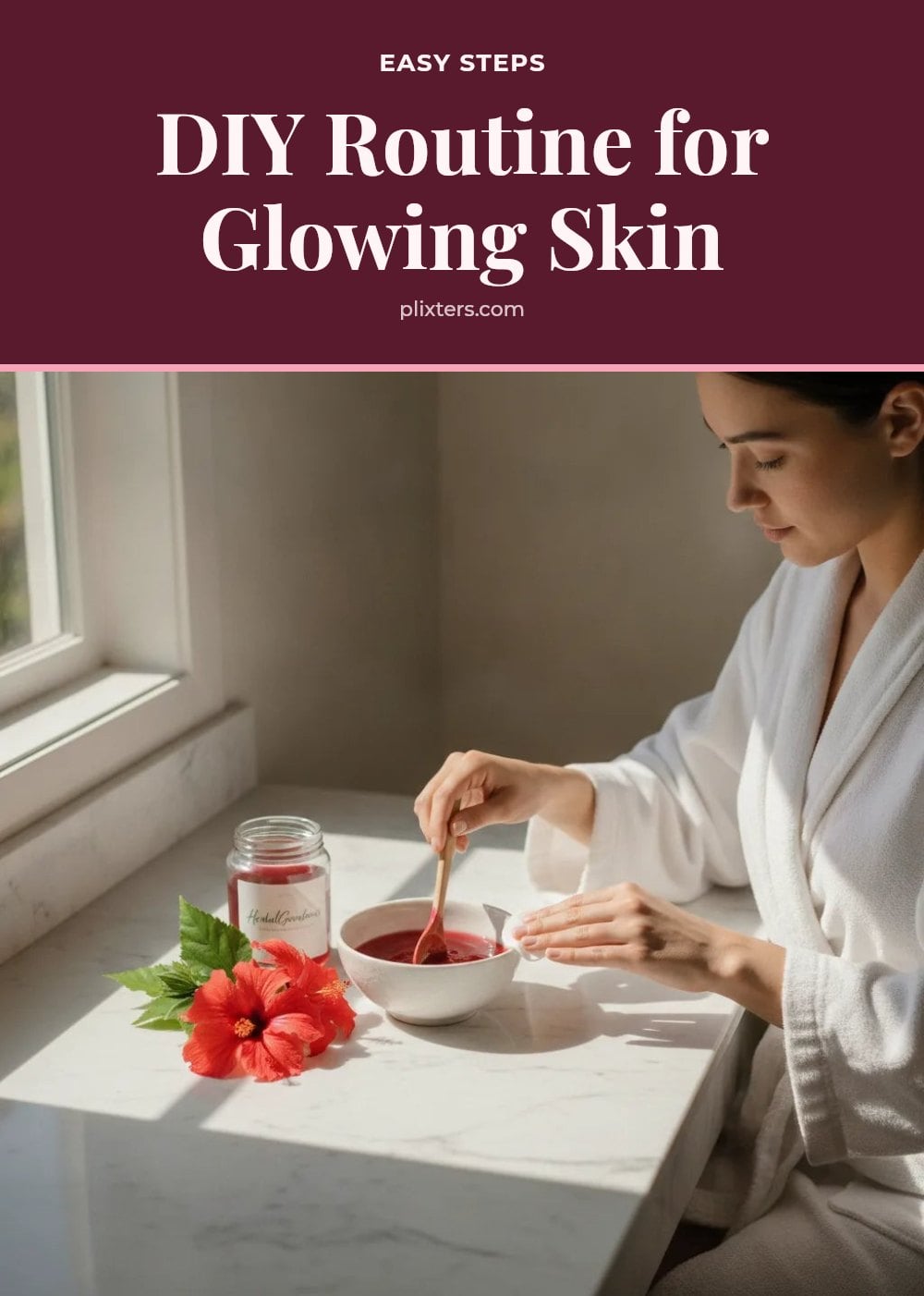
- Dilute the glycerin: Mix one part pure glycerin with three parts water or a carrier oil. Never apply undiluted glycerin to your skin.
- Patch test: Apply a small amount of the mixture to your inner arm and wait 24 hours to check for any reaction.
- Apply to clean, damp skin: After cleansing, while your face is still slightly damp, take a few drops of the diluted glycerin and gently massage it in. Use only a small amount. A little goes a long way.
- Follow with moisturizer if needed: In dry climates, seal the glycerin with a regular moisturizer to prevent moisture loss.
Integrating Glycerin into Your Hair Care Routine
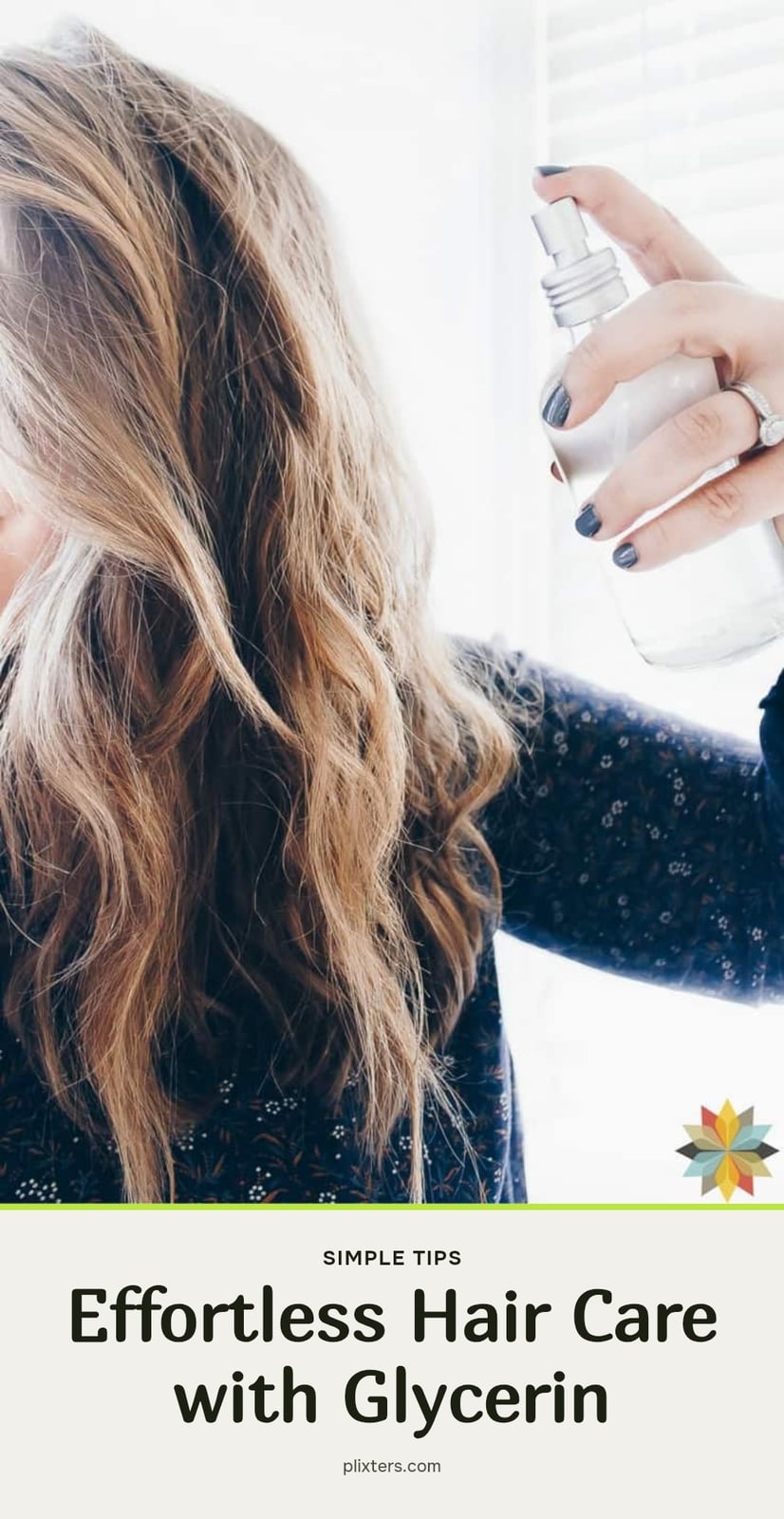
Glycerin hydrates the hair shaft and smooths the cuticle, which reduces frizz and adds softness. To add it to your routine, mix one part pure glycerin with three parts water in a spray bottle for a hydrating hair mist. Alternatively, add one part glycerin to three parts conditioner in your palm before applying. Apply either mixture to damp hair after washing, focusing on mid-lengths and ends where dryness is worst. This helps glycerin pull moisture from the air into your strands without leaving them sticky.
Common Glycerin Mistakes to Avoid
Applying pure glycerin directly to skin or hair is the most common mistake. Without dilution, it pulls moisture from your cells instead of from the air, leaving a sticky residue and potential dryness. In very dry climates, glycerin can draw water out of your skin unless you seal it in with an occlusive like shea butter or a rich cream. Another mix-up: thinking glycerin is only for dry skin. It benefits all skin types because it maintains hydration without clogging pores. And don’t confuse glycerin with mineral oil, glycerin is a humectant that attracts water, while mineral oil is an occlusive that locks moisture in.
Pro Tips for Maximizing Glycerin’s Benefits

Apply glycerin products to damp skin or hair so there is already moisture for the humectant to pull into your cells. Humid environments boost glycerin’s moisture-attracting power, so save your mist or serum for those days. When shopping, check the ingredient list, the higher glycerin appears, the more of it the formula contains. Start with a low concentration, like one part glycerin to two or three parts water, and increase it gradually if your skin or hair feels dry rather than hydrated.
When to Expect Results and Cost Considerations
You’ll notice a hydration boost immediately after applying glycerin. Your skin feels plumper and hair looks smoother. With consistent daily use, improvements in elasticity and overall skin and hair health develop over one to two weeks. Pure liquid glycerin costs very little and is available at drugstores or online. Products that list glycerin as a key ingredient range in price depending on the brand and extra components, but you can always add your own glycerin to a basic moisturizer for a budget-friendly upgrade.
Frequently Asked Questions
Is glycerin good for oily skin?
Yes, glycerin is non-comedogenic, so it won’t clog pores, and it helps maintain hydration without adding oil. It can actually benefit oily skin by keeping the moisture barrier balanced, which may reduce excess oil production. Just use a light formula or a diluted mist to avoid any sticky feel.
Can I leave glycerin on my hair overnight?
Yes, you can leave a diluted glycerin mist on your hair overnight, but make sure it’s properly diluted with water or a carrier oil. Undiluted glycerin can draw moisture out and cause dryness. If you have fine hair, you might want to rinse it out in the morning to avoid buildup.
Does glycerin cause breakouts?
Glycerin is non-comedogenic, meaning it’s unlikely to clog pores or cause breakouts. However, if you have sensitive or acne-prone skin, always patch test a new product first. Stick to non-comedogenic formulations and avoid heavy occlusives that might trap oil and bacteria.
How often should I use glycerin on my skin?
You can use glycerin daily, but start with once a day to see how your skin responds. Apply it in the morning or evening on damp skin, then follow with a moisturizer if needed. In humid climates, you might use it more often; in dry climates, use it sparingly and seal it in with an occlusive.
Final Thoughts
My recommendation is to start with a simple DIY mist: one part glycerin to three parts distilled water, and spritz it on damp skin or hair. Use it daily, but keep an eye on how your skin responds in different climates. In dry air, you may need to layer a moisturizer on top to seal the moisture in. Glycerin is a gentle, effective hydrator that fits easily into any routine, so give it a try and see the difference it makes.
This article is for general information only and is not a substitute for professional medical or dermatological advice. Glycerin is generally safe for topical use, but if you experience irritation, redness, or itching, discontinue use and consult a doctor or dermatologist for persistent or serious skin conditions.