 Save
If you’re dealing with back pain, you know how much it can affect your day. Gentle stretching before bed can be a simple, effective way to ease that tension and improve flexibility. This article covers the best moves to target your lower back, hips, and hamstrings, along with tips for staying safe and getting the most out of your routine.
Key Takeaways
- Hold each stretch for 20-30 seconds with slow, controlled movements.
- Focus on stretches for the lower back, hips, and hamstrings for the best relief.
- Stop immediately if you feel sharp, shooting, or radiating pain.
- Consistency matters, aim for daily stretching, ideally before bed.
- Consult a doctor or physical therapist for chronic or severe back pain.
11 ideas in this post
- How Gentle Stretching Can Relieve Back Pain
- Why Your Back Might Be Hurting
- What You Need for Your Bedtime Stretch Routine
- 1. Knee-to-Chest Stretch
- 2. Pelvic Tilts
- 3. Cat-Cow Stretch
- 4. Child’s Pose
- Common Stretching Mistakes to Avoid
- When to Talk to a Doctor or Physical Therapist
- Frequently Asked Questions
- Final Thoughts
How Gentle Stretching Can Relieve Back Pain
Gentle stretching before bed can significantly reduce back pain. It works by improving flexibility in the spine and easing muscle tension that builds up during the day. For the best results, focus on slow, controlled movements that target the lower back, hips, and hamstrings. Consistency is key: a daily routine builds flexibility and maintains relief over time.
Why Your Back Might Be Hurting
Why Your Back Might Be Hurting
Muscle tension is a major contributor to back pain. It often comes from poor posture or a sedentary lifestyle that keeps muscles stiff and short. Tight hamstrings and hip flexors can pull on the pelvis, which indirectly causes lower back discomfort. Lack of flexibility and weak core muscles also make the back more vulnerable to strain. Stretching directly addresses these issues by releasing tension and improving range of motion.
- Muscle tension: Poor posture and sitting for long hours tighten back muscles.
- Tight hamstrings and hip flexors: They pull on the pelvis, stressing the lower back.
- Weak core: Insufficient support from abdominal muscles makes the back work harder.
What You Need for Your Bedtime Stretch Routine
You don’t need much to start a bedtime stretch routine. A yoga mat or soft carpet gives you a comfortable, non-slip surface. Wear clothing that allows a full range of motion without restriction. A pillow or rolled towel can support your head or lower back during certain stretches. For extra muscle relaxation, use a heating pad or warm compress for a few minutes before you begin.
- Yoga mat or soft carpet
- Comfortable clothing
- Pillow or rolled towel
- Heating pad or warm compress (optional)
1. Knee-to-Chest Stretch

Lie on your back with both legs straight. Bring one knee toward your chest, clasping your hands around your shin or just below the knee. Gently pull the knee closer until you feel a comfortable stretch in your lower back and glute. Hold for 20-30 seconds, breathing deeply. Release slowly and repeat on the other side. This stretch targets the lower back and hips directly.
2. Pelvic Tilts

Lie on your back with knees bent and feet flat on the floor, about hip-width apart. Tighten your abdominal muscles and tilt your pelvis upward, flattening your lower back against the mat. Hold the position for a few seconds, then release. Repeat 8 to 12 times. This movement strengthens your core and gently mobilizes the lower spine.
3. Cat-Cow Stretch

Start on your hands and knees with wrists directly under shoulders and knees under hips. Inhale as you drop your belly toward the floor, lifting your head and tailbone (Cow pose). Exhale as you round your spine toward the ceiling, tucking your chin and tailbone (Cat pose). Flow smoothly between these two positions for 10 to 15 slow repetitions. This dynamic stretch improves spinal mobility and releases tension in the back and neck.
4. Child’s Pose
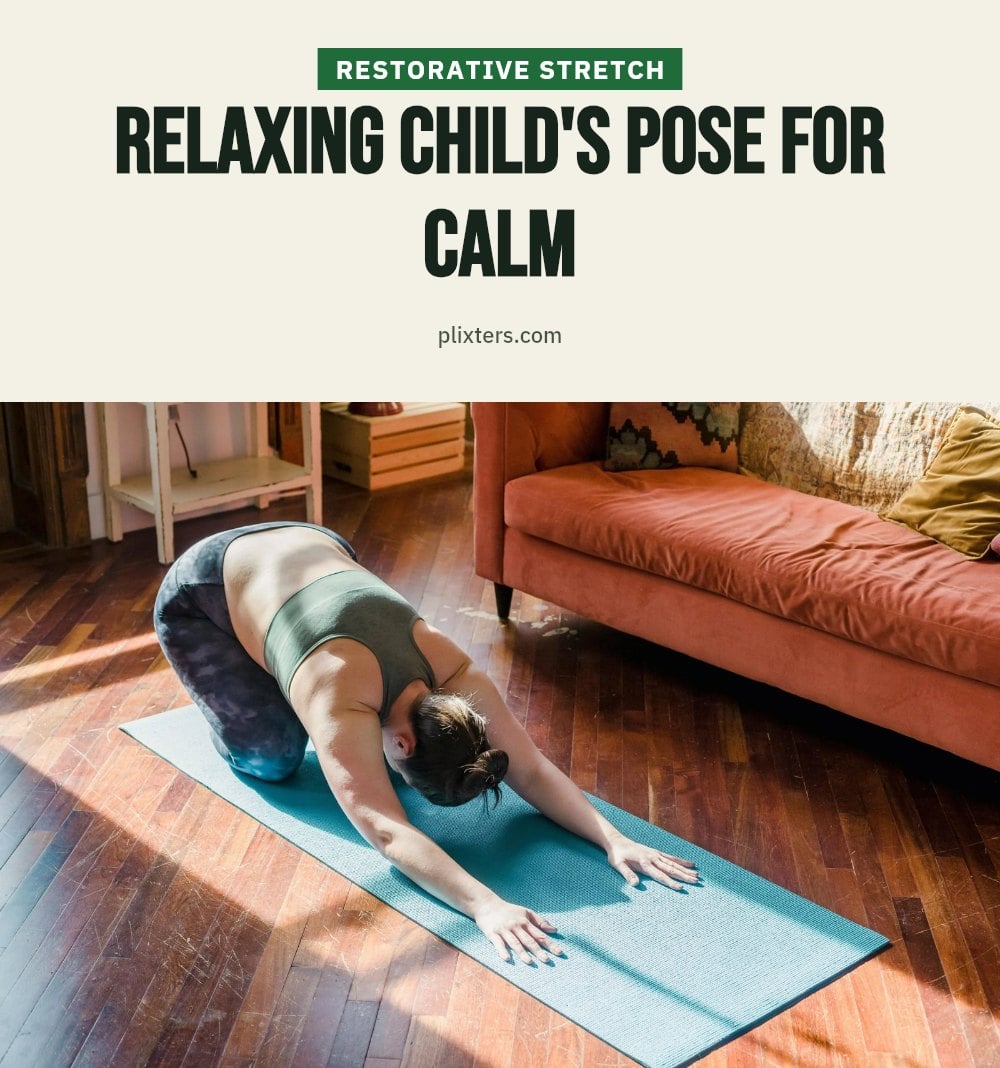
Kneel on your mat, sit your hips back toward your heels, and extend your arms forward on the floor. Rest your forehead on the mat, letting your spine lengthen and relax completely. Breathe deeply and hold this restorative pose for 30 seconds to a minute or longer. Child’s pose gently stretches the lower back, hips, and thighs while calming the nervous system before bed.
Common Stretching Mistakes to Avoid
Stretching too aggressively: Never bounce or jerk into a stretch. Slow, controlled movements prevent injury and allow muscles to relax safely.
Ignoring pain signals: A gentle pull is good, but sharp or increasing pain means you should stop immediately. Pain is a warning, not a goal.
Not holding stretches long enough: Aim for 20 to 30 seconds per stretch to truly improve flexibility. Shorter holds offer little benefit.
Neglecting supporting muscles: Remember to stretch your hamstrings and hips. Tightness in these areas pulls on the pelvis and directly contributes to lower back discomfort.
When to Talk to a Doctor or Physical Therapist
Sharp, shooting, or radiating pain, numbness, or tingling means stop stretching and see a doctor. If you have a pre-existing back condition, injury, or chronic pain, talk to a professional before starting any routine. When consistent stretching doesn’t help and pain persists or gets worse, get a medical evaluation. Conditions like osteoporosis, disc herniation, or spinal stenosis always require professional guidance for safe stretches.
Frequently Asked Questions
How often should I stretch for back pain?
For the best results, stretch daily or most days of the week. A consistent routine of 10-15 minutes before bed helps improve flexibility and reduce muscle tension over time. If you miss a day, just pick it back up the next day.
Can stretching make back pain worse?
Yes, if done incorrectly. Stretching too aggressively, bouncing, or pushing into sharp pain can aggravate your back. Always stretch gently and stop if you feel any sharp, shooting, or radiating pain. If pain persists, see a doctor or physical therapist.
Should I use heat or ice before stretching for back pain?
Heat is generally recommended before stretching. A warm bath or heating pad can help relax tight muscles and make your stretches more effective. Ice is better for acute injuries or inflammation, but not typically needed before a gentle stretching routine.
What are the best stretches for lower back pain before bed?
Knee-to-chest, pelvic tilts, cat-cow, and child’s pose are all excellent choices for bedtime. These stretches target the lower back, hips, and glutes, helping release tension built up during the day. Hold each for 20-30 seconds and breathe deeply.
Final Thoughts
For lasting relief, make gentle stretching a nightly habit. Focus on moves like knee-to-chest, pelvic tilts, cat-cow, and child’s pose, and remember to breathe deeply throughout. Don’t expect overnight results, noticeable improvements in flexibility and pain often come after several weeks of consistent practice. Listen to your body, and when in doubt, check with a professional.
This information is for general informational purposes only and does not constitute medical advice. Always consult a doctor, physical therapist, or other qualified health professional before starting a new stretching routine, especially if you have a pre-existing back condition, injury, or chronic pain.