
 Save
If you’re looking to gain weight, you might feel like you can eat whatever you want and it won’t stick. But healthy weight gain is about more than just eating more. This article covers how to increase your calorie intake with nutrient-dense foods, balance your meals, and use strength training to build muscle rather than just adding fat.
Key Takeaways
- Aim for a calorie surplus of 300 to 500 calories per day for gradual, healthy weight gain.
- Eat 0.7 to 1 gram of protein per pound of body weight daily to support muscle building.
- Incorporate strength training exercises 2 to 3 times per week to build muscle mass.
- Avoid relying on processed junk food and sugary drinks for empty calories.
- Expect to gain about 0.5 to 1 pound per week with consistent effort.
9 ideas in this post
- The Key to Healthy Weight Gain
- Essential Tools for Your Weight Gain Journey
- Your Step-by-Step Plan for Healthy Weight Gain
- Common Mistakes to Avoid When Gaining Weight
- Pro Tips for Boosting Your Weight Gain Journey
- What to Expect: Timeline and Investment
- When to Consult a Professional
- Frequently Asked Questions
- Final Thoughts
The Key to Healthy Weight Gain
Healthy weight gain isn’t about stuffing yourself with whatever you can find. It’s about consistently eating more calories than you burn, choosing nutrient-dense foods, and adding strength training to your routine. The goal is to build muscle and healthy fat, not just increase the number on the scale with empty calories. Aim for a gradual surplus of 300 to 500 calories above your maintenance level each day for sustainable results.
Essential Tools for Your Weight Gain Journey

To get started, gather a few essentials:
- Nutrient-dense foods: Stock up on whole grains, lean proteins, healthy fats, fruits, and vegetables.
- Weightlifting equipment: Dumbbells, barbells, resistance bands, or a gym membership for strength training.
- Food scale and measuring tools: Optional but helpful for tracking portions and ensuring you hit your calorie goals.
Your Step-by-Step Plan for Healthy Weight Gain

Follow these steps to build a healthy weight gain plan:
- Calculate your calorie needs: Determine your maintenance calories and add 300 to 500 calories per day for a consistent surplus.
- Choose nutrient-dense foods: Focus on whole grains, lean proteins, healthy fats, fruits, and vegetables to fuel your body properly.
- Increase protein intake: Aim for 0.7 to 1 gram of protein per pound of body weight daily to support muscle growth.
- Incorporate healthy fats: Add avocados, nuts, seeds, and olive oil to meals for extra calories and nutrients.
- Eat frequent meals and snacks: Spread your intake across three main meals and two to three snacks to avoid feeling overly full.
- Strength train 2 to 3 times a week: Focus on compound movements like squats, deadlifts, and presses to build muscle mass.
- Track your progress: Monitor your food intake and body weight weekly, and adjust your calorie surplus as needed.
Common Mistakes to Avoid When Gaining Weight
Avoid these common mistakes to stay on track:
- Relying on junk food: Processed snacks and sugary drinks lead to unhealthy fat gain, not muscle. Choose nutrient-rich options instead.
- Not eating enough protein: Without adequate protein, your body can’t effectively build muscle. Aim for 0.7 to 1 gram per pound of body weight.
- Underestimating calorie needs: Many people don’t eat enough to create a surplus. Track your intake to ensure you’re hitting your target.
- Neglecting strength training: Without resistance exercise, weight gain will be mostly fat. Include strength training 2 to 3 times a week.
- Giving up too soon: Healthy weight gain takes time and consistency. Don’t get discouraged by slow progress; stick with it.
Pro Tips for Boosting Your Weight Gain Journey
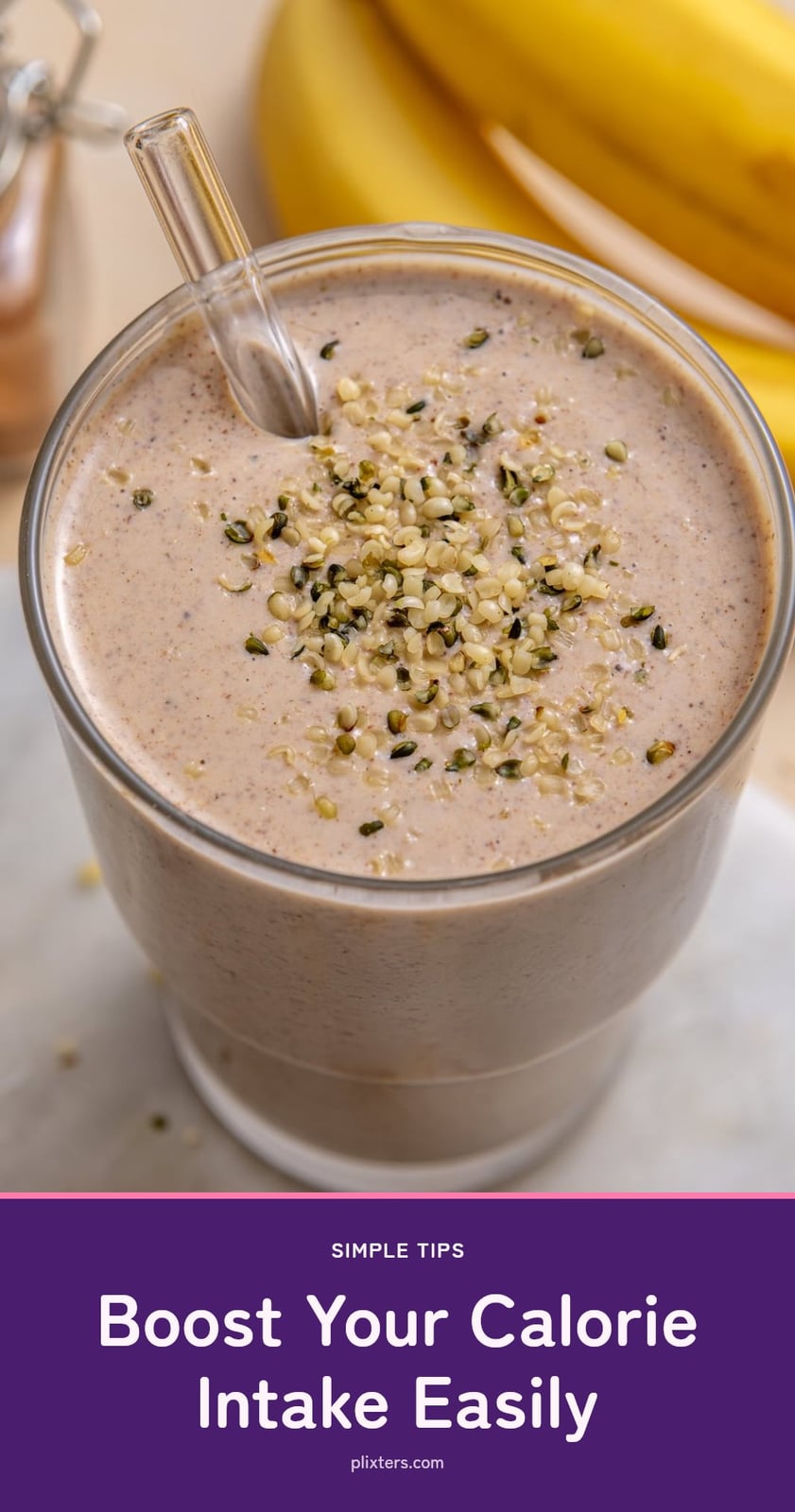
Drink your calories: Smoothies made with milk, protein powder, fruits, and nut butter can be an easy way to increase calorie intake without feeling overly full. I usually blend a banana, a scoop of protein powder, a tablespoon of peanut butter, and milk for a quick 400-calorie snack.
Add healthy toppings: Sprinkle nuts, seeds, or cheese on meals, or add extra olive oil to salads and cooked dishes. A handful of almonds on oatmeal or an extra drizzle of oil on roasted vegetables can add 100-200 calories without much effort.
Prioritize sleep: Adequate sleep (7-9 hours) is crucial for muscle recovery and overall bodily functions, supporting your weight gain goals. Poor sleep can disrupt hormones that regulate appetite and muscle repair.
Manage stress: Chronic stress can sometimes interfere with appetite and digestion. Find healthy ways to cope, such as walking, meditation, or talking to a friend.
Be patient and consistent: Healthy weight gain is a marathon, not a sprint. Consistency in diet and exercise will yield results over time.
What to Expect: Timeline and Investment
Timeline: Healthy weight gain typically occurs at a rate of 0.5-1 pound per week. Noticeable results usually appear over several weeks to months of consistent effort.
Consistency is key: Expect to commit to consistent dietary changes and strength training for at least 2-3 months to see significant and sustainable progress.
Cost: The primary investment will be in nutrient-dense foods, which can be slightly more expensive than processed options. Gym memberships or home workout equipment are additional considerations, ranging from free (bodyweight) to moderate.
When to Consult a Professional
Before starting: Always consult a doctor or registered dietitian before making significant dietary changes, especially if you have underlying health conditions.
Unexplained changes: Seek professional advice if you experience sudden, unexplained weight changes, as this can sometimes indicate an underlying medical issue.
Personalized guidance: A registered dietitian can help create a personalized and safe meal plan tailored to your specific needs and health goals.
Persistent issues: If you’re struggling to gain weight despite consistent effort or experience digestive issues, a professional can offer further guidance.
Frequently Asked Questions
How much weight can I gain in a month?
With a consistent calorie surplus of 300 to 500 calories per day, you can expect to gain about 2 to 4 pounds per month. Faster gains are possible with a larger surplus, but slower, steady gains are healthier and more likely to include muscle rather than just fat.
Can I gain weight without lifting weights?
Yes, you can gain weight without lifting weights, but the weight you gain is more likely to be fat rather than muscle. Strength training helps direct the extra calories toward building muscle, which contributes to a stronger, more balanced body composition. Bodyweight exercises can also help.
What are the best snacks for healthy weight gain?
Good snacks include a handful of nuts, a banana with peanut butter, Greek yogurt with granola, cheese and crackers, or a smoothie made with milk, fruit, and nut butter. These options are calorie-dense and provide protein, healthy fats, and carbohydrates to support your goals.
Is it normal to feel full when trying to gain weight?
Yes, it’s common to feel full when you’re eating more than usual. To manage this, try eating smaller, more frequent meals and snacks throughout the day. Liquid calories from smoothies or milk can also help increase your intake without making you feel overly stuffed.
How do I know if I’m gaining muscle or fat?
If you are strength training regularly and eating enough protein, a steady gain of 0.5 to 1 pound per week is likely a mix of muscle and some fat. You can track your waist and hip measurements or use body fat calipers for a better sense of your body composition changes over time.
Final Thoughts
For a healthy approach, focus on adding 300 to 500 calories a day from whole foods like oats, eggs, avocados, and lean meats, and commit to strength training twice a week. Realistic results take time, so plan for at least 2 to 3 months of consistent effort before you see noticeable changes. Stick with your plan, and your body will respond.
This article is for general informational purposes only and does not constitute medical advice. Before starting any new diet or exercise program, especially if you have underlying health conditions, consult a doctor or registered dietitian for personalized guidance.




