
 Save
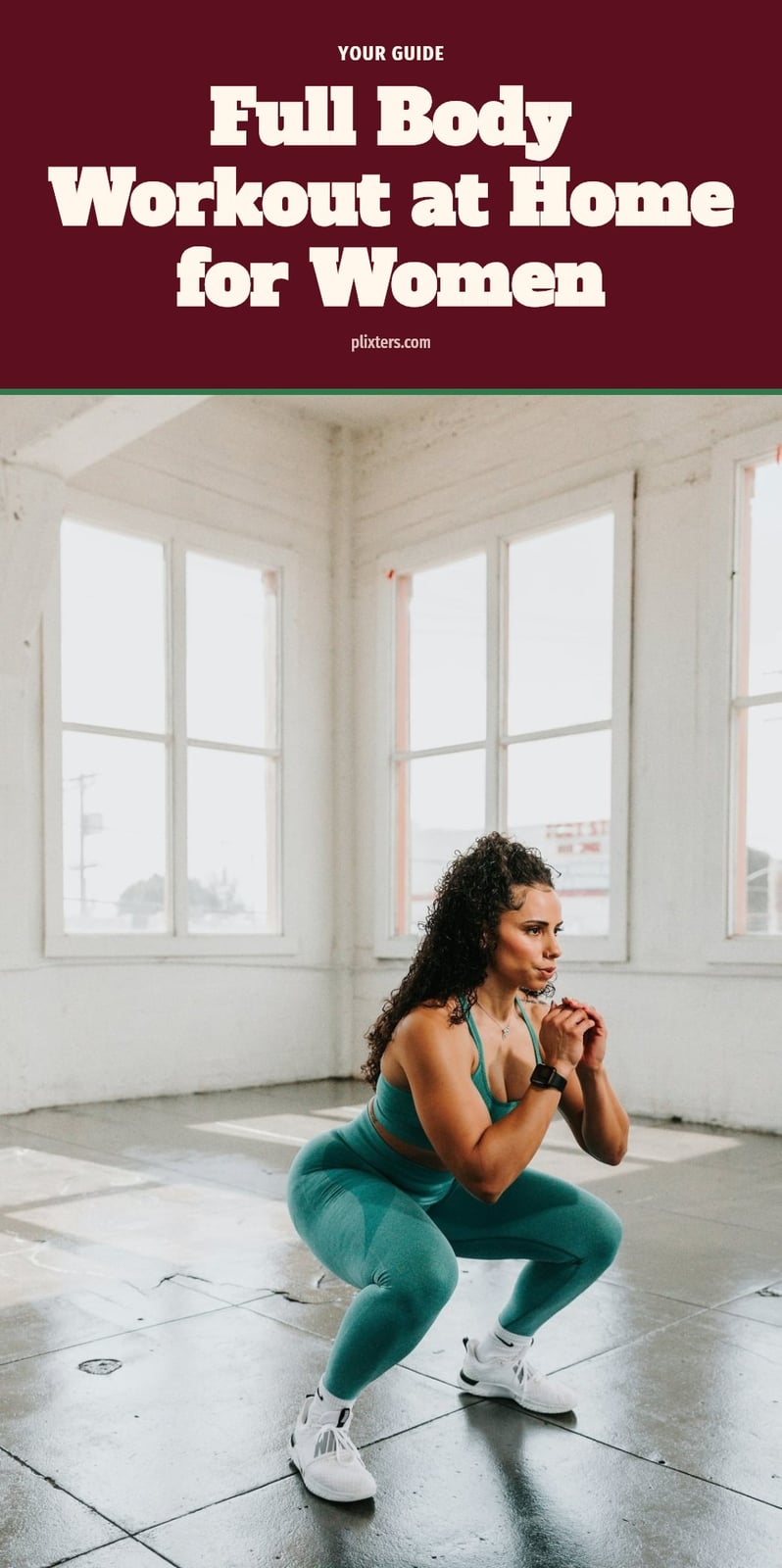
You don’t need a gym membership or fancy equipment to get a great full body workout. With just your bodyweight and a little space at home, you can target your legs, glutes, back, chest, shoulders, arms, and core all in one efficient session. This guide covers everything you need to know, from the best exercises to proper form, scheduling, and how to stay safe, so you can start building strength and confidence right in your living room.
Key Takeaways
- Perform full body workouts 2 to 3 times per week on non-consecutive days for muscle recovery.
- Focus on compound bodyweight exercises like squats, push-ups, planks, and glute bridges.
- Always start with a 5-10 minute dynamic warm-up and end with static stretches.
- Prioritize proper form over speed or reps to prevent injury and maximize results.
- Be consistent for 4-6 weeks to notice improvements in strength and endurance.
12 ideas in this post
- What is a Full Body Workout and Why Do It?
- 1. Dynamic Warm-Up: Arm Circles
- 2. Bodyweight Squats
- 3. Reverse Lunges
- 4. Push-Ups (Knees or Toes)
- 5. Glute Bridges
- 6. Plank
- 7. Cool-Down: Hamstring Stretch
- Essential Gear for Your At-Home Full Body Workout
- Your Weekly Full Body Workout Schedule
- Frequently Asked Questions
- Final Thoughts
What is a Full Body Workout and Why Do It?
A full body workout targets all major muscle groups in a single session, making it one of the most efficient ways to build strength, improve cardiovascular health, and burn calories. For at-home workouts, bodyweight exercises like squats, push-ups, and planks are highly effective because they require no special equipment and can be scaled to your fitness level. This approach saves time while still delivering results, which is why it’s a favorite for busy schedules.
1. Dynamic Warm-Up: Arm Circles
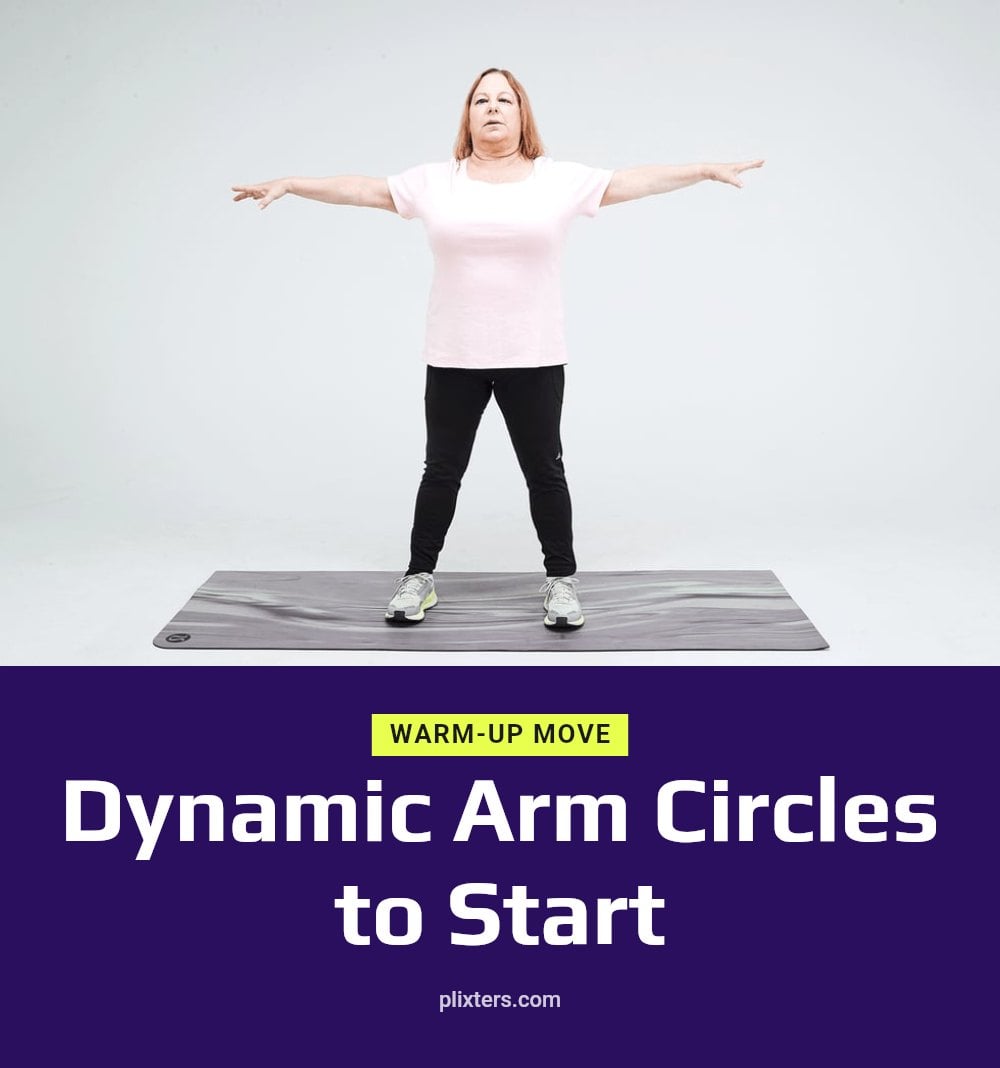
Stand tall with your arms extended straight out to your sides at shoulder height. Make small forward circles with your arms for 30 seconds, then switch to backward circles for another 30 seconds. Gradually increase the size of the circles as you go, keeping the movement controlled.
- Time: 30 seconds forward, 30 seconds backward
- Form cue: Focus on controlled movements, not speed, to gently wake up your shoulders and upper back.
- Make it easier or harder: Start with tiny circles and grow them; for more challenge, increase the circle size further.
2. Bodyweight Squats
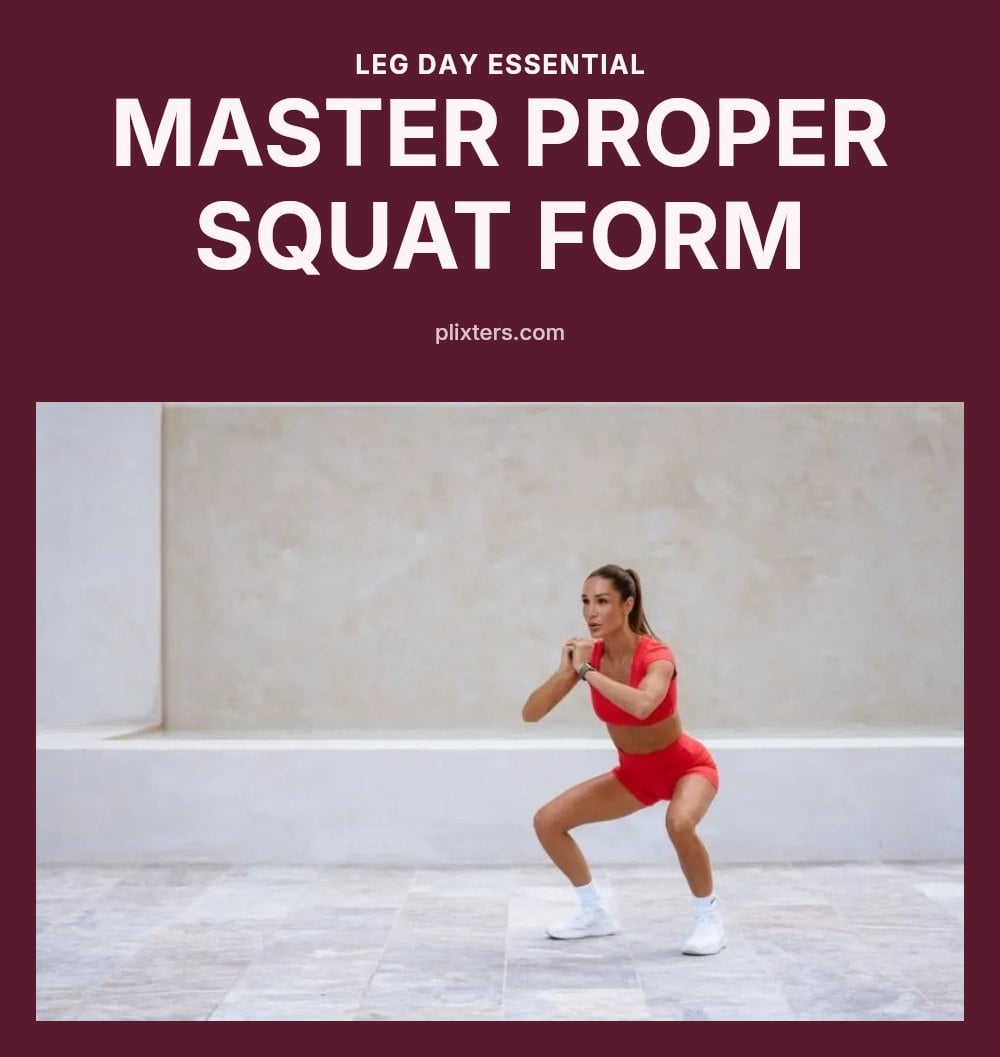
Stand with your feet shoulder-width apart and toes turned slightly outward. Lower your hips as if sitting back into a chair, keeping your chest lifted and your back straight. Go as deep as you comfortably can, aiming to get your thighs parallel to the floor, then push through your heels to return to standing.
- Sets and reps: 3 sets of 10-15 repetitions
- Form cue: Keep your weight in your heels and push through them to stand back up.
- Make it easier or harder: Reduce range of motion for an easier version; add a jump at the top for a more challenging plyometric move.
3. Reverse Lunges

Start standing tall, then step one leg straight back, lowering your hips until both knees are bent at a 90-degree angle. Your front knee should be directly above your ankle, and your back knee should hover just above the floor. Push off your back foot to return to the starting position, then repeat on the other side.
- Sets and reps: 3 sets of 10-12 repetitions per leg
- Form cue: Maintain balance by keeping your core engaged and looking straight ahead.
- Make it easier or harder: Use a chair for support if needed; add a knee drive at the top for more challenge.
4. Push-Ups (Knees or Toes)
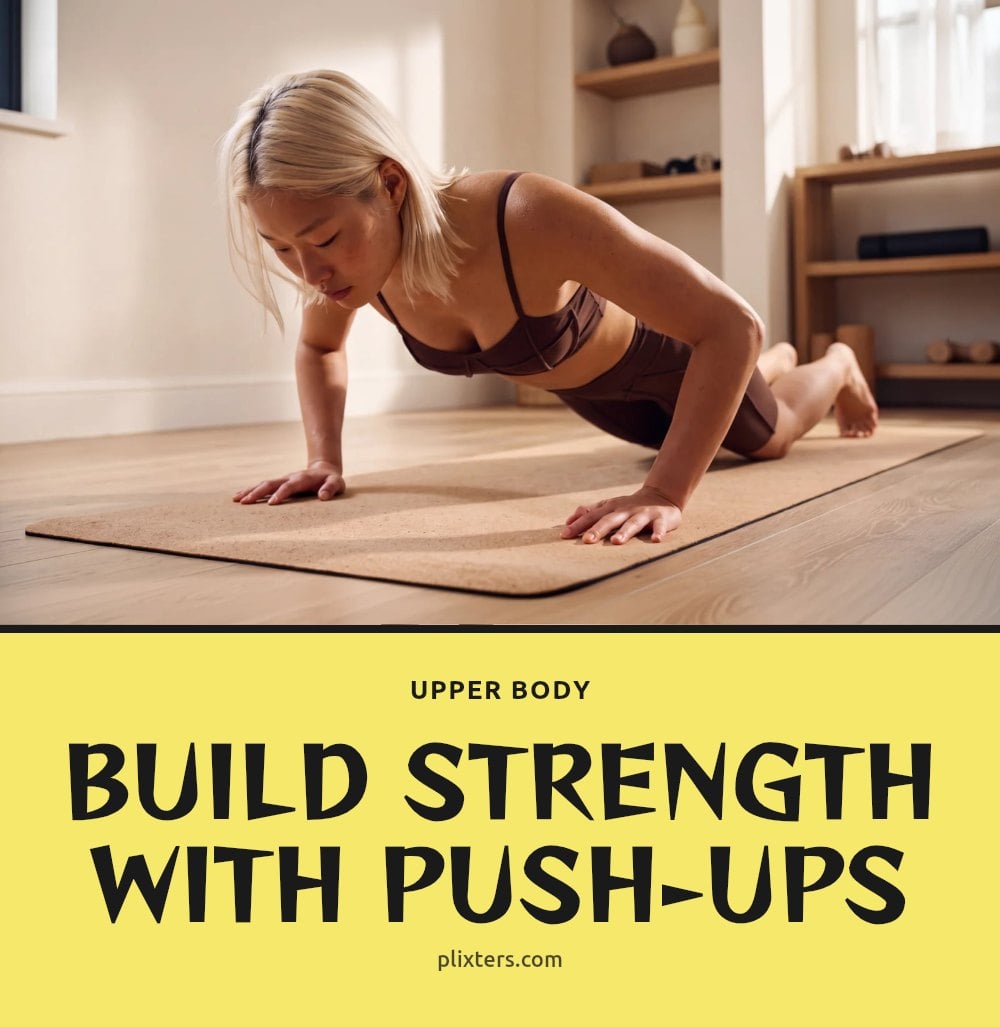
Start in a plank position with your hands slightly wider than shoulder-width apart. Lower your chest toward the floor while keeping your body in a straight line from head to heels, then push back up.
- Sets and reps: 3 sets of as many reps as you can (AMRAP).
- Form cue: Keep your elbows pointing slightly back, not flared out to the sides, to protect your shoulders.
- Make it easier or harder: Drop to your knees for a modified version, or place your feet on a step to increase the challenge.
5. Glute Bridges

Lie on your back with your knees bent and feet flat on the floor, hip-width apart. Press through your heels to lift your hips until your body forms a straight line from shoulders to knees, then squeeze your glutes at the top and lower slowly.
- Sets and reps: 3 sets of 12-15 reps.
- Form cue: Focus on lifting with your glutes, not your lower back, and avoid arching your spine.
- Make it easier or harder: Place your hands under your hips for support, or extend one leg toward the ceiling for a single-leg bridge.
6. Plank
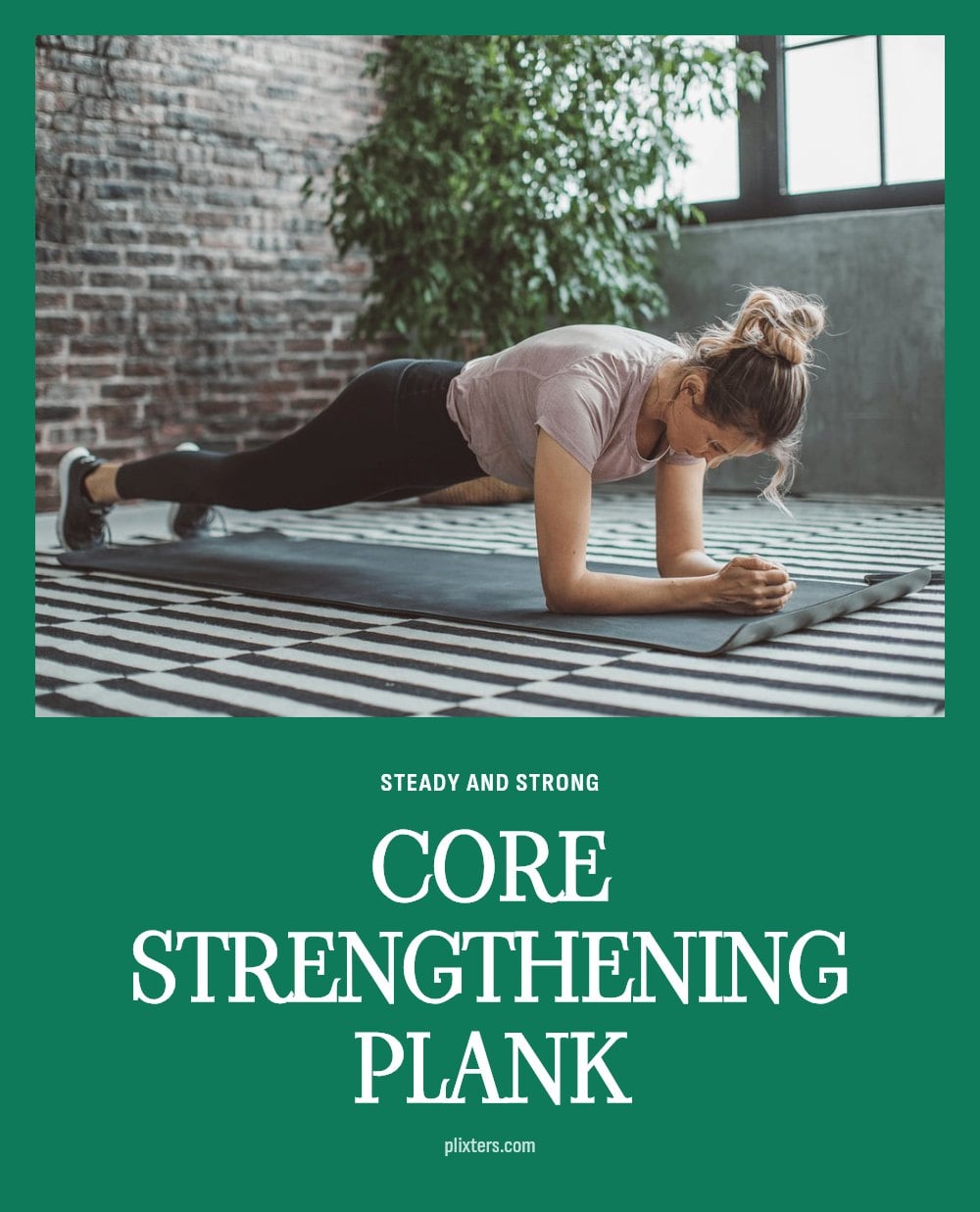
Start in a push-up position, then lower onto your forearms. Keep your body in a straight line from head to heels, engaging your core, glutes, and quads. Hold the position without letting your hips sag or rise too high.
- Time: Hold for 30-60 seconds, doing 3 sets.
- Form cue: Imagine pulling your belly button toward your spine to activate your deep core muscles.
- Make it easier or harder: Drop to your knees for a gentler version, or lift one foot a few inches off the floor to increase difficulty.
7. Cool-Down: Hamstring Stretch
Lie on your back and extend one leg straight up toward the ceiling. Gently pull your thigh or calf toward you with your hands until you feel a stretch along the back of your leg. Hold, then switch legs.
- Time: Hold for 20-30 seconds per leg.
- Form cue: Keep the extended leg as straight as possible, but don’t force it. The stretch should be gentle, not painful.
- Make it easier or harder: Bend the knee slightly if the stretch is too intense, or use a towel around your foot to deepen it.
Essential Gear for Your At-Home Full Body Workout
You don’t need much to get started. Wear comfortable athletic clothing that lets you move freely through squats, lunges, and stretches. A yoga or exercise mat provides cushioning on hard floors and prevents slipping during push-ups and planks. Keep a water bottle nearby to sip between sets, and have a towel ready for sweat. That’s it, no fancy gear required.
Your Weekly Full Body Workout Schedule
Schedule your full body workouts 2 to 3 times per week on non-consecutive days. This spacing gives your muscles at least one full day to recover between sessions, which is when strength gains actually happen. If you are new to training, start with two days and add a third once you feel comfortable.
| Day | Focus | Notes |
|---|---|---|
| Monday | Full body workout | Follow the routine above |
| Tuesday | Rest or light walk | Let muscles recover |
| Wednesday | Full body workout | Focus on form |
| Thursday | Rest or gentle stretching | Hydrate well |
| Friday | Full body workout | Optional third session |
| Weekend | Rest or active recovery | Listen to your body |
Listen to your body and adjust the schedule as needed. If you feel sore or tired, take an extra rest day, it is better to skip a session than to train through fatigue. Consistency matters more than intensity, so aim for a steady rhythm you can maintain long term.
Frequently Asked Questions
How often should I do a full body workout?
For most women, 2 to 3 times per week on non-consecutive days is ideal. This schedule allows your muscles at least one full day to recover between sessions, which is essential for strength gains. If you are new to training, start with two days per week and gradually increase as you feel ready.
Can I build muscle with just bodyweight exercises?
Yes, you can definitely build muscle using only bodyweight exercises. Moves like squats, lunges, push-ups, and planks challenge your muscles effectively, especially when you increase reps, reduce rest time, or try harder variations. For continued progress, focus on progressive overload, making each workout slightly more challenging than the last.
What should I eat after a full body workout?
A balanced meal with protein and carbohydrates within a few hours after your workout can support muscle recovery. Think something like a chicken and vegetable stir-fry, a smoothie with protein powder and fruit, or Greek yogurt with berries. Stay hydrated by drinking water before, during, and after your session.
How long should a full body workout session be?
A typical full body workout at home can last between 20 and 45 minutes, depending on your fitness level and the number of exercises and sets you include. A good session includes a 5-10 minute warm-up, the main exercises (3-4 moves, 2-3 sets each), and a 5-10 minute cool-down. Beginners may start on the shorter end and add time as they build endurance.
Is it okay to do full body workouts every day?
Doing full body workouts every day is not recommended for most people. Your muscles need at least one rest day between sessions to repair and grow stronger. Working out daily can lead to overtraining, fatigue, and increased injury risk. Stick to 2-3 times per week and listen to your body, take an extra rest day if you feel sore or tired.
Final Thoughts
If you’re just starting out, my advice is to begin with two full body sessions per week and stick with the basic exercises like squats, lunges, push-ups, and planks. Focus on moving well rather than moving fast, and give yourself at least one rest day between workouts. With consistent effort, you can expect to feel stronger and more capable within a month or two, but remember that real, lasting change takes several months of patience and persistence.
The information in this article is for general informational purposes only and is not a substitute for professional medical advice, diagnosis, or treatment. Before starting any new exercise program, especially if you have pre-existing health conditions or concerns, consult a healthcare provider or certified fitness professional. Stop immediately if you experience sharp pain, dizziness, or shortness of breath.




