 Save
Do you wake up with puffy, heavy eyes that just won’t cooperate? You’re not alone. Tired eyes are a common complaint, and the good news is there are quick fixes that actually work. This article covers what causes that dull, strained look, fast relief you can try right now, and simple habits to keep your eyes looking fresh. You’ll also learn what to avoid and when it’s time to see a professional.
Key Takeaways
- Use a cold compress for 10-15 minutes to reduce puffiness.
- Follow the 20-20-20 rule: every 20 minutes, look 20 feet away for 20 seconds.
- Aim for 7-9 hours of sleep nightly to let your eyes rest.
- Choose an eye cream with caffeine or hyaluronic acid for longer-term results.
- See an eye doctor if pain, redness, or vision changes persist.
10 ideas in this post
- What Really Helps Tired Eyes?
- Why Your Eyes Feel So Tired
- Your Go-To Toolkit for Tired Eyes
- Fast Fixes for Immediate Relief
- How to Prevent Tired Eyes from Coming Back
- Common Mistakes Making Your Tired Eyes Worse
- What to Expect: Timeline and Investment
- When to See an Eye Doctor
- Frequently Asked Questions
- Final Thoughts
What Really Helps Tired Eyes?
When my eyes feel heavy and irritated, I reach for a cold compress or lubricating eye drops for near-instant relief. For longer-term improvement, I focus on sleep, hydration, and screen breaks. Topical treatments with caffeine or hyaluronic acid can visibly reduce puffiness and dark circles with consistent use.
Why Your Eyes Feel So Tired
Your eyes feel tired for a few concrete reasons, and most of them come down to daily habits. Skimping on sleep is the biggest one: the average adult needs 7 to 9 hours per night so the eyes can rest and repair. Without that, they miss the recovery window and you wake up with that heavy, gritty feeling.
Screen time is another major culprit. Staring at a computer, phone, or tablet for hours triggers digital eye strain, which shows up as dryness, irritation, and blurred vision. Dehydration plays a role too, since low fluid intake reduces blood flow and thins the skin around your eyes, making dark circles more noticeable and contributing to dry eyes.
Allergies round out the list. They can cause itchiness, watering, and swelling around the eyes, which adds to that fatigued look. If allergies are part of your picture, treating them can make a real difference in how your eyes feel and appear.
Your Go-To Toolkit for Tired Eyes
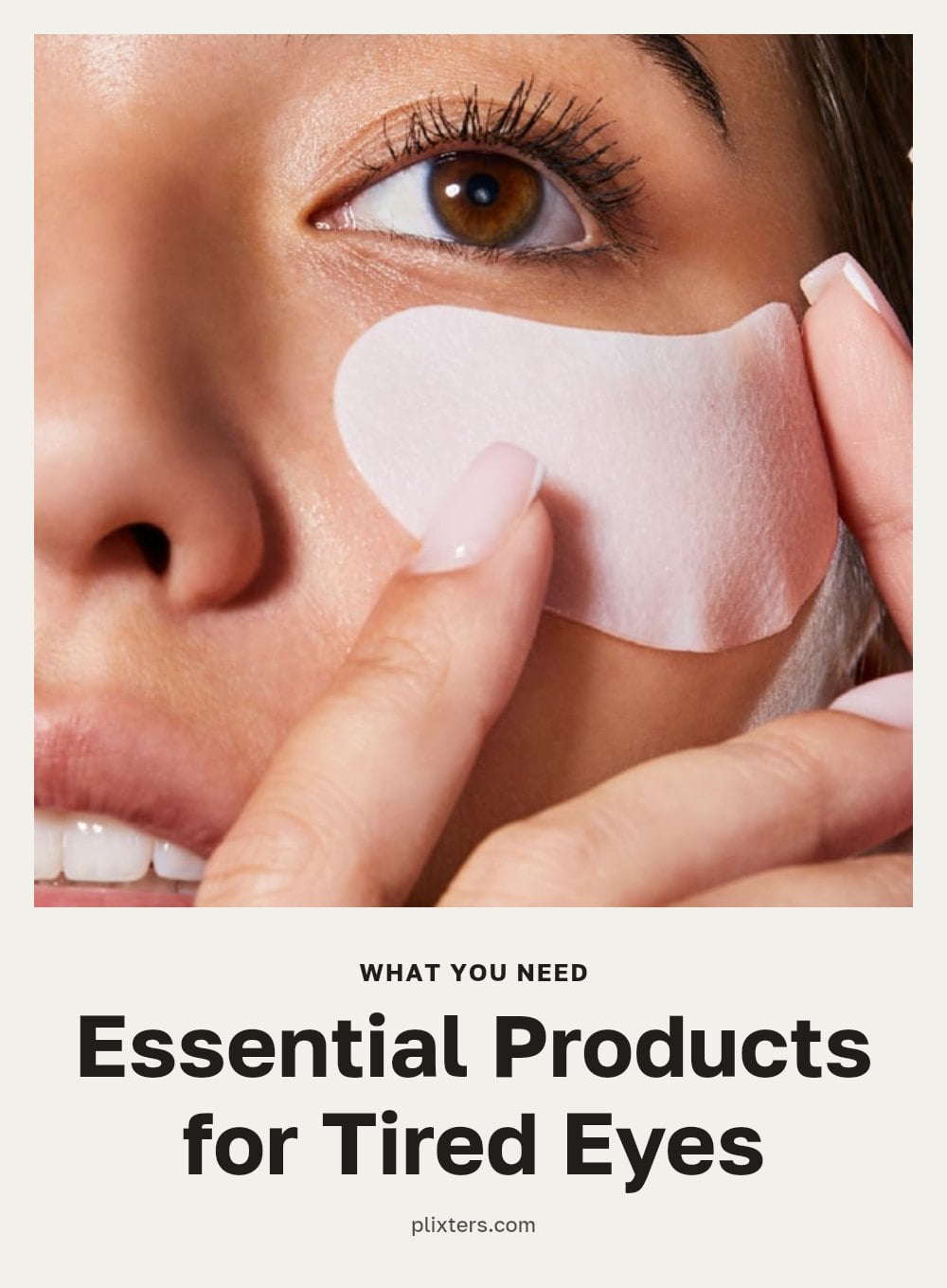
Here is what I keep in my tired-eyes toolkit for quick relief and ongoing care:
- Cold compress or chilled eye mask for immediate soothing of puffiness and inflammation
- Lubricating eye drops (artificial tears) to combat dryness and irritation
- Eye cream with caffeine or hyaluronic acid to reduce puffiness and hydrate the delicate skin
- UV-protective sunglasses to shield eyes outdoors and reduce squinting
Fast Fixes for Immediate Relief

Fast Fixes for Immediate Relief
When my eyes feel heavy and irritated, I go straight for a cold compress. A chilled gel mask or even a clean cloth soaked in cold water works well. Leave it on for 10-15 minutes. The cold constricts blood vessels and reduces inflammation, so puffiness goes down fast.
Dryness makes tired eyes feel worse, so I keep lubricating eye drops, also called artificial tears, on my desk. A drop or two relieves that gritty sensation within seconds. My tip: choose preservative-free single-use vials if you use drops more than four times a day.
Gentle under-eye massage can improve circulation and encourage lymphatic drainage, which helps clear fluid buildup. Use your ring finger to tap or sweep from the inner corner outward. Keep the pressure light and never pull the skin.
Topical caffeine in an eye cream temporarily constricts blood vessels, which reduces puffiness and the look of dark circles. Apply a small amount under the eyes, avoiding the lash line. You may see a difference in about 10 minutes, but the effect is temporary, so use it as a quick fix before an event.
How to Prevent Tired Eyes from Coming Back

The biggest difference comes from habits that give your eyes a real break. Aim for 7-9 hours of sleep each night so your eyes get time to rest and repair. During screen time, practice the 20-20-20 rule: every 20 minutes, look at something 20 feet away for at least 20 seconds. It stops digital eye strain before it starts.
Hydration matters more than you think. Drink enough water throughout the day to reduce dry eyes and keep dark circles from looking more prominent. My tip: keep a water bottle on your desk as a visual reminder. Wear UV-protective sunglasses outdoors to shield your eyes and cut down on squinting, which adds to eye fatigue. If allergies make your eyes itchy or swollen, address them directly with an antihistamine or by avoiding triggers. Tackling the root cause keeps symptoms from coming back.
Common Mistakes Making Your Tired Eyes Worse
Rubbing your eyes vigorously is one of the worst things you can do. It worsens irritation and can actually make dark circles more noticeable by breaking tiny blood vessels under the thin skin. If your eyes feel itchy, use a clean, damp cloth or artificial tears instead.
Overusing decongestant eye drops is another common trap. They work by narrowing blood vessels, but frequent use can cause rebound redness and dryness, leaving you more uncomfortable than before. Stick to lubricating artificial tears for daily dryness.
Going to bed with eye makeup on is a sure way to invite irritation and infection. Mascara and eyeliner can migrate into your eyes overnight, clogging glands and causing redness. Always remove all eye makeup before sleep with a gentle, oil-based remover.
Using harsh cleansers or makeup removers around the delicate eye area strips natural oils and disrupts the skin barrier. Choose a product labeled for sensitive eyes and avoid rubbing. And if persistent discomfort, redness, or vision changes don’t improve with home care, don’t brush it off as just tiredness. See an eye doctor to rule out other issues.
What to Expect: Timeline and Investment
Cold compresses and lubricating eye drops work within minutes, so they are your fastest option when you need quick relief. Eye creams with caffeine or hyaluronic acid take longer: visible improvements in puffiness and hydration may show up after days to weeks of consistent use. Lifestyle changes like better sleep and regular screen breaks require ongoing commitment, but they address the root causes instead of just masking symptoms.
Costs vary widely. Drugstore artificial tears and basic cold masks are affordable, while eye creams with active ingredients like caffeine or hyaluronic acid sit in a mid-range tier. Higher-end skincare with retinoids or peptides costs more, and results depend on regular application rather than price.
When to See an Eye Doctor
See an eye doctor if irritation, redness, pain, or vision changes persist or get worse. The same goes for symptoms that don’t improve after you’ve tried home remedies like cold compresses and artificial tears.
If you suspect a new eye product caused a reaction, stop using it and rinse your eyes with water, then check with a professional. Any new or unusual eye symptoms deserve a prompt evaluation rather than waiting to see if they pass.
Frequently Asked Questions
How long does it take for tired eyes to recover?
It depends on the cause. Cold compresses and lubricating eye drops can bring relief within minutes. For puffiness and dark circles, visible improvements from eye creams may take days to weeks with daily use. Lifestyle changes like better sleep and hydration need ongoing commitment for sustained results.
Can drinking more water help tired eyes?
Yes, staying well-hydrated helps prevent dry eyes and can make dark circles less prominent because dehydration reduces blood flow and thins the skin around the eyes. Aim to drink water throughout the day, but don’t expect overnight changes; hydration effects build over time.
Are there any foods that help tired eyes?
While no single food is a magic fix, a balanced diet supports overall eye health. Foods rich in antioxidants, like leafy greens and berries, and omega-3 fatty acids, such as salmon, may help reduce inflammation. However, they work best as part of a healthy lifestyle, not as a quick cure.
When should I be concerned about tired eyes?
If you have persistent or worsening irritation, redness, pain, or vision changes, see an eye doctor. Also consult a professional if symptoms don’t improve after trying home remedies like cold compresses and artificial tears. Don’t dismiss ongoing discomfort as just ‘tiredness’.
Is screen time really that bad for my eyes?
Yes, prolonged screen use can lead to digital eye strain, causing dryness, irritation, and blurred vision. The 20-20-20 rule helps: every 20 minutes, look at something 20 feet away for at least 20 seconds. Taking regular breaks is key to reducing strain.
Final Thoughts
For immediate relief, keep a cold compress and artificial tears on hand. For lasting improvement, build a routine around sleep, hydration, and screen breaks. Remember, visible changes from eye creams take days to weeks, so be patient and consistent. If symptoms don’t improve or get worse, don’t hesitate to see an eye doctor. Your eyes deserve the same care as the rest of your skin.
This article is for general informational purposes only and does not constitute medical or professional advice. If you have persistent eye discomfort, pain, or vision changes, or if symptoms worsen, consult an eye doctor or healthcare professional promptly.