
 Save
Starting a weight loss journey can feel overwhelming with all the conflicting advice out there. You want a plan that actually works without leaving you hungry or deprived. This article breaks down exactly how to build a sustainable diet plan as a beginner, covering the basics of calorie deficits, essential tools, a sample week, and common pitfalls to avoid.
Key Takeaways
- Weight loss requires a consistent calorie deficit, aiming for 1-2 pounds per week.
- Focus on whole, unprocessed foods like lean proteins, fruits, vegetables, and whole grains.
- Use a food scale and measuring cups for accurate portion control.
- Stay hydrated and prioritize 7-9 hours of sleep each night.
- Consult a doctor or registered dietitian before starting any new diet plan.
10 ideas in this post
- What is a Diet Plan for Weight Loss and How Does It Work?
- Essential Tools for Starting Your Diet Plan
- Your First Week: A Sample Diet and Activity Plan
- Understanding the Basics of Healthy Eating for Weight Loss
- How to Implement Your Diet Plan Effectively
- Common Mistakes to Avoid on Your Weight Loss Journey
- Practical Tips for Sustainable Weight Loss Success
- When to Consult a Healthcare Professional
- Frequently Asked Questions
- Final Thoughts
What is a Diet Plan for Weight Loss and How Does It Work?
A diet plan is a structured approach to eating designed to help you reach specific health goals, most often weight loss. It works by creating a moderate calorie deficit, meaning you consistently consume fewer calories than your body burns each day. For beginners, a sustainable plan focuses on whole, unprocessed foods, portion control, and nutrient density. The key is prioritizing consistency over restrictive or fad diets, which is crucial for long-term success and overall health.
Essential Tools for Starting Your Diet Plan
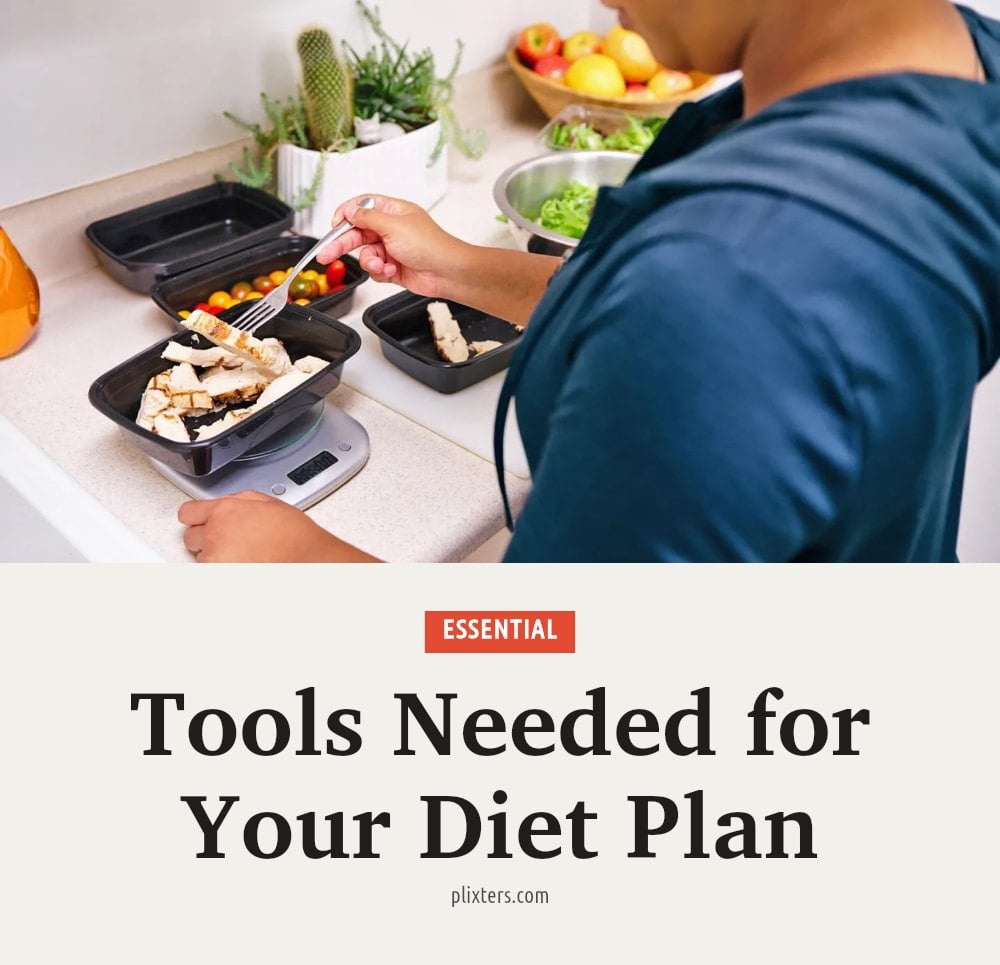
Having the right tools can make starting your diet plan much easier. Here are the essentials I recommend:
- Food scale: Helps with accurate portion control, especially for calorie-dense foods like nuts and cheese.
- Measuring cups and spoons: Vital for consistent ingredient amounts when cooking or preparing snacks.
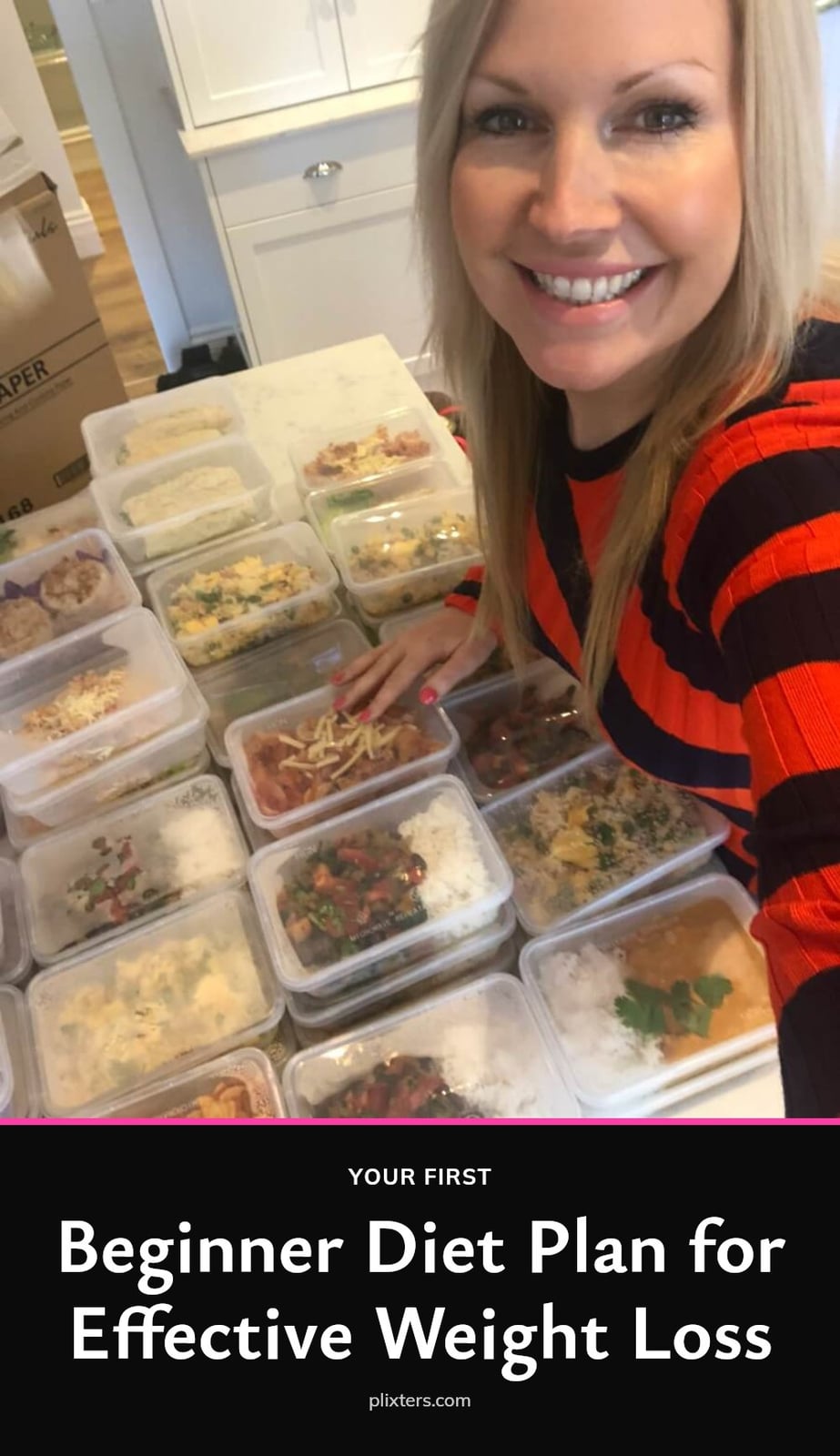
- Meal prep containers: Make it easy to portion and store healthy meals in advance, so you always have a good option ready.
- Reusable water bottle: Encourages consistent hydration throughout the day, which supports metabolism and can reduce hunger.
- Food journal or tracking app: Helps you monitor your intake and identify eating patterns that might need adjustment.
Your First Week: A Sample Diet and Activity Plan
This sample plan focuses on whole foods, balanced macronutrients, and consistent hydration. Adjust portion sizes based on your individual calorie needs and hunger cues. Feel free to swap similar healthy foods you enjoy.
| Day | Breakfast | Lunch | Dinner | Snacks | Activity |
|---|---|---|---|---|---|
| Monday | Greek yogurt with berries and a sprinkle of granola | Grilled chicken salad with mixed greens, tomatoes, and vinaigrette | Baked salmon, quinoa, and steamed broccoli | Apple slices with almond butter | 30-minute brisk walk |
| Tuesday | Oatmeal topped with sliced banana and a handful of walnuts | Turkey and avocado wrap in a whole-wheat tortilla with a side of carrot sticks | Stir-fried tofu with bell peppers, snap peas, and brown rice | Small handful of almonds | 20-minute bodyweight circuit (squats, push-ups, lunges) |
| Wednesday | Two scrambled eggs with spinach and a slice of whole-grain toast | Lentil soup with a side of mixed greens | Grilled chicken breast, roasted sweet potatoes, and green beans | Greek yogurt with a drizzle of honey | 45-minute yoga session |
| Thursday | Smoothie made with spinach, frozen berries, banana, and unsweetened almond milk | Quinoa bowl with black beans, corn, avocado, and salsa | Baked cod with a generous portion of roasted asparagus and wild rice | Cucumber slices with hummus | 30-minute jog or cycling |
| Friday | Whole-grain toast with mashed avocado and a poached egg | Leftover baked cod and roasted vegetables | Lean beef stir-fry with broccoli, carrots, and soba noodles | Orange slices | 20-minute high-intensity interval training (HIIT) |
| Saturday | Pancakes made with whole-wheat flour, topped with fresh fruit and a dollop of yogurt | Grilled shrimp and vegetable skewers with a side of couscous | Homemade turkey chili with kidney beans and a side salad | Handful of grapes | Leisurely bike ride or hike |
| Sunday | Omelet with mushrooms, onions, and a sprinkle of cheese | Chickpea and spinach curry with a side of whole-grain naan | Roasted chicken thighs, roasted Brussels sprouts, and mashed cauliflower | Small bowl of mixed berries | Rest day or gentle stretching |
Understanding the Basics of Healthy Eating for Weight Loss
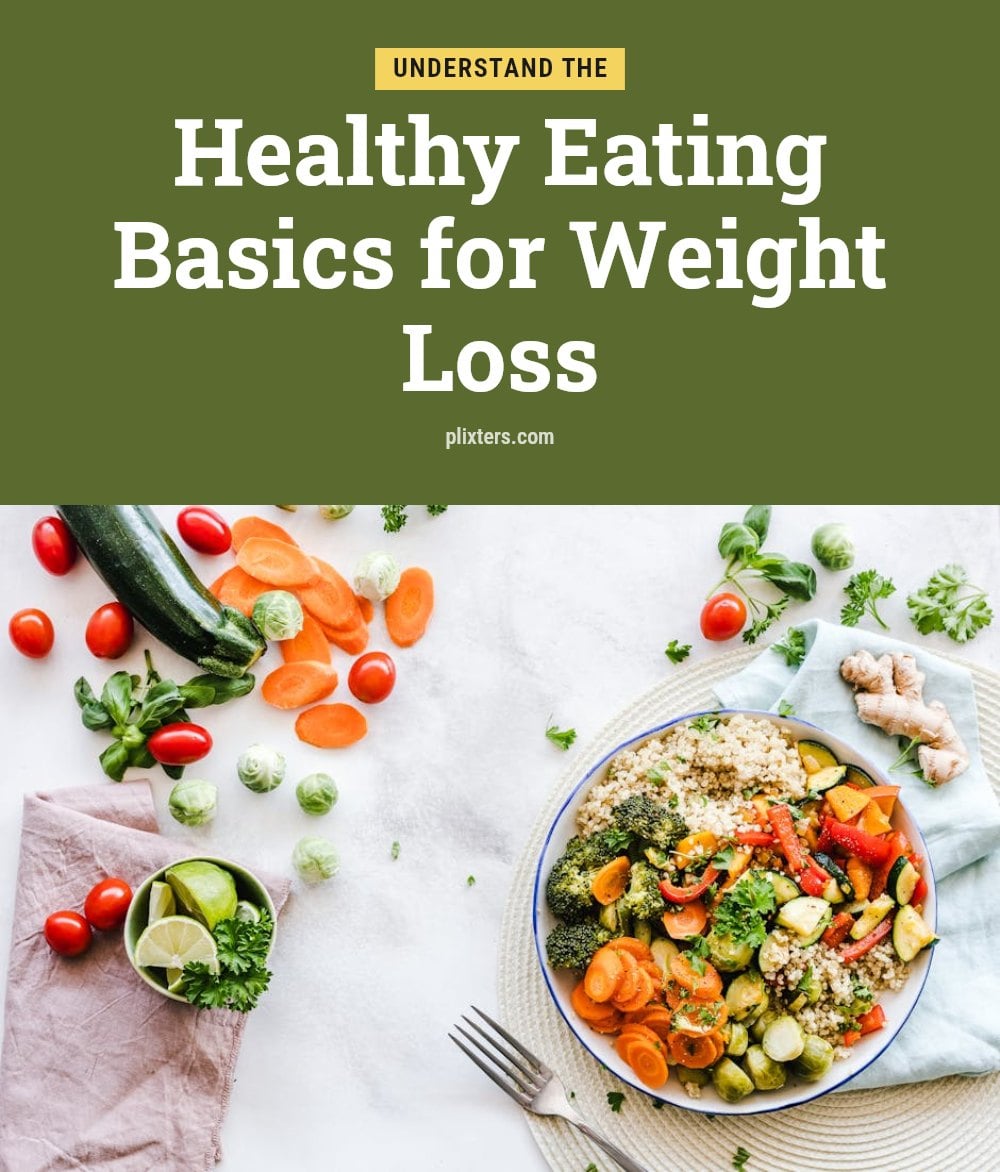
Weight loss fundamentally occurs when you consistently consume fewer calories than your body expends. To make this easier, focus on lean proteins like chicken, fish, and tofu, which help with satiety and muscle preservation. Fiber-rich foods such as fruits, vegetables, and whole grains contribute to fullness and digestive health.
Hydration is key. Adequate water intake supports metabolism and can reduce feelings of hunger. Limit processed foods, sugary drinks, and excessive saturated or trans fats, as these often contribute to higher calorie intake with less nutritional value. By building your meals around these principles, you create a sustainable eating pattern that supports your goals.
How to Implement Your Diet Plan Effectively

Setting a realistic goal is your first step. Aim for 1-2 pounds of weight loss per week, which is both safe and sustainable over the long term.
- Set your calorie target: Use a reliable online calculator to estimate your daily calorie needs for weight loss at 1-2 pounds per week. Write that number down.
- Plan your meals weekly: Each weekend, decide what you will eat for breakfast, lunch, dinner, and snacks for the coming week. This removes the guesswork when hunger strikes.
- Practice mindful eating: Sit down at a table, put your fork down between bites, and chew slowly. Stop eating when you feel comfortably full, not stuffed.
- Add physical activity: Schedule at least 150 minutes of moderate exercise each week, such as brisk walking, cycling, or swimming. Break it into 30-minute sessions if that fits better.
- Prioritize 7-9 hours of sleep: Go to bed and wake up at consistent times. Poor sleep disrupts ghrelin and leptin, the hormones that control hunger and fullness.
Common Mistakes to Avoid on Your Weight Loss Journey
Many beginners trip over the same hurdles. Knowing them in advance helps you stay on track.
- Underestimating Calorie Intake: Liquid calories from coffee drinks, juice, and alcohol add up fast, as do handfuls of nuts or chips. Track everything you eat and drink for at least a week.
- Setting Unrealistic Goals: Hoping to lose 10 pounds in a week sets you up for disappointment. Stick with 1-2 pounds per week and celebrate each small milestone.
- Severely Restricting Food Groups: Cutting out all carbs or all fats can leave you low on energy and key nutrients. Unless a doctor advises it, include a balanced mix of proteins, carbs, and fats.
- Ignoring Sleep and Stress: When you are tired or stressed, your body produces more cortisol, which can increase cravings for high-calorie foods. Prioritize winding down at night.
- Comparing Yourself to Others: Your body, lifestyle, and timeline are unique. Focus on your own progress and what works for you.
Practical Tips for Sustainable Weight Loss Success

These small habits make a big difference over weeks and months.
- Stay Hydrated: Keep a water bottle on your desk and refill it twice during the day. Thirst often feels like hunger, so drink a full glass before reaching for a snack.
- Cook at Home More Often: Restaurant meals tend to be higher in sodium, sugar, and fat. When you cook, you decide exactly what goes into each dish.
- Find Healthy Swaps: Craving something sweet? Try Greek yogurt with berries instead of ice cream. Want something crunchy? Swap chips for carrot sticks with hummus.
- Build a Support System: Tell a friend or family member your goal and ask them to check in weekly. Having someone to share wins and challenges with keeps you motivated.
- Be Patient and Consistent: Some weeks the scale will not budge. That is normal. Keep following your plan and trust the process. Small victories, like fitting into an old pair of jeans, count.
When to Consult a Healthcare Professional
Your health comes first. Always talk to a doctor or registered dietitian before starting a new diet plan, especially if you have conditions like diabetes, high blood pressure, or thyroid issues.
- Fatigue, hair loss, or brittle nails: These can signal nutrient deficiencies. A professional can help adjust your plan to meet your needs.
- Dizziness or extreme fatigue: Stop the diet immediately and seek medical advice. These symptoms may indicate your calorie intake is too low or your plan is unbalanced.
- Personalized guidance: A registered dietitian can design a plan tailored to your health status, preferences, and lifestyle, making it safer and more effective.
Frequently Asked Questions
How quickly can I expect to lose weight on a diet plan?
A healthy, sustainable rate of weight loss is 1-2 pounds per week. Results vary based on your starting point, calorie deficit, and consistency. Rapid weight loss is often unsustainable and can be unhealthy, so focus on steady progress over time.
Do I need to track calories to lose weight?
Tracking calories is not strictly necessary, but it can be very helpful for beginners to understand portion sizes and avoid underestimating intake. Using a food journal or app, along with a food scale, can make this easier. Over time, many people learn to estimate portions without tracking.
Can I still eat my favorite foods while on a diet plan?
Yes, you can include your favorite foods in moderation. Completely cutting out enjoyable foods often leads to unsustainable dieting. Practice portion control and balance them with nutrient-dense meals. This approach helps you stick with the plan long term.
What if I don’t like cooking every day?
Meal prepping a few days a week can save time and reduce impulsive choices. Cook larger batches of proteins, grains, and roasted vegetables to mix and match. You can also rely on simple, no-cook options like salads, yogurt, and pre-cut veggies.
How does sleep affect my weight loss efforts?
Sleep deprivation can disrupt hormones that regulate appetite, making you feel hungrier and more likely to crave high-calorie foods. Aim for 7-9 hours of quality sleep per night to support your weight loss goals and overall health.
Final Thoughts
My tip: Start with one small change, like swapping sugary drinks for water or adding a vegetable to dinner. Expect to see gradual results over weeks and months, not days. Sustainable weight loss is a marathon, not a sprint, and consistency with whole foods and balanced habits will get you there.
This article is for general informational purposes only and does not constitute medical or professional advice. Always consult with a qualified healthcare provider or registered dietitian before starting any new diet plan, especially if you have underlying health conditions or concerns.




