 Save
You want brighter, smoother skin, but the world of exfoliation can feel overwhelming. The good news is that it doesn’t have to be complicated. This guide covers everything you need to know to get started safely, from understanding the two main types of exfoliation to choosing the right one for your skin type and avoiding common mistakes.
Key Takeaways
- Exfoliate 1 to 3 times per week, starting with once weekly if you have sensitive skin.
- Use chemical exfoliants like AHAs for dry skin and BHAs for oily, acne-prone skin.
- Always apply a broad-spectrum SPF 30+ sunscreen after exfoliating to protect sensitive skin.
- Avoid harsh physical scrubs with large, irregular particles on your face to prevent micro-tears.
- Stop exfoliating immediately if you experience redness, burning, or peeling.
10 ideas in this post
- What is Exfoliation and Why Does Your Skin Need It?
- Understanding Your Skin’s Natural Renewal Process
- Choosing Your Method: Physical vs. Chemical Exfoliation
- Which Exfoliant is Right for Your Skin Type?
- How to Exfoliate Safely and Effectively at Home
- Common Exfoliation Mistakes to Avoid for Healthy Skin
- When to Consult a Dermatologist About Exfoliation
- How Often to Exfoliate and When to Expect Results
- Frequently Asked Questions
- Final Thoughts
What is Exfoliation and Why Does Your Skin Need It?
Exfoliation is the process of removing dead skin cells from the surface of your skin. While your skin naturally sheds these cells, exfoliation helps speed up the process, revealing fresher, smoother skin underneath. Regular exfoliation can improve skin texture, brighten your complexion, and allow your serums and moisturizers to absorb more effectively.
Understanding Your Skin’s Natural Renewal Process
Understanding Your Skin’s Natural Renewal Process
Your skin runs on a quiet cycle: every 28 to 30 days, it sheds dead cells from the surface, a process called desquamation. Think of it as a slow, built-in refresh. New cells form deeper in the skin and gradually move up, while the old, flattened ones on top eventually flake off.
As we age, this cycle can slow down, so dead cells may linger longer, leaving skin looking dull or rough. That is where exfoliation steps in. It does not replace your skin’s natural process, it simply gives it a nudge, helping loosen and remove those lingering cells a bit sooner.
What you are left with is the payoff: fresh, newer skin underneath. That layer reflects light better and feels smoother, which is why consistent, gentle exfoliation can make such a visible difference in your complexion.
Choosing Your Method: Physical vs. Chemical Exfoliation
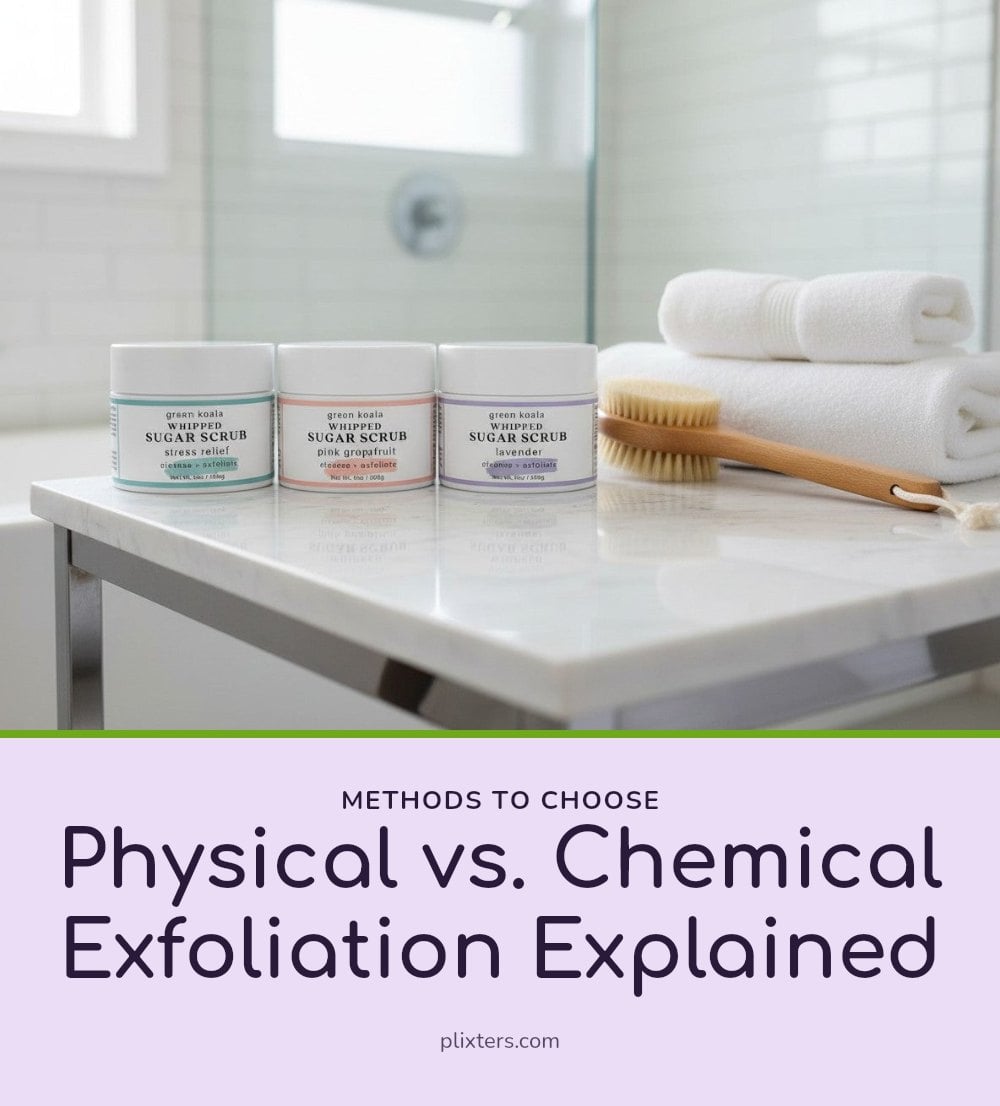
When it comes to exfoliation, you have two main paths: physical and chemical. Each works differently, so knowing the basics helps you pick what fits your skin.
Physical Exfoliation
Physical exfoliation uses manual action to slough off dead cells. Think gentle scrubs with fine particles like sugar or jojoba beads, or tools like a soft washcloth or brush. Caution: Avoid harsh scrubs with large, irregular particles like crushed nut shells, which can cause micro-tears on facial skin.
Chemical Exfoliation
Chemical exfoliation uses acids or enzymes to dissolve the bonds that hold dead cells together. The two main types are AHAs and BHAs. Alpha Hydroxy Acids (AHAs), such as glycolic and lactic acid, are water-soluble and work on the skin’s surface. They are often a good choice for dry or sun-damaged skin. Beta Hydroxy Acids (BHAs), like salicylic acid, are oil-soluble, meaning they can penetrate into pores. This makes BHAs particularly helpful for oily and acne-prone skin. Tip: Start with a lower concentration and see how your skin responds before moving up.
Enzyme Exfoliants
Enzyme exfoliants, often derived from fruits like papaya (papain) or pineapple (bromelain), are generally gentler than both AHAs and BHAs. They work by breaking down the protein keratin in dead skin cells, making them a nice option for sensitive skin types.
Which Exfoliant is Right for Your Skin Type?
Matching your exfoliant to your skin type makes a big difference. Here is a quick guide to help you choose.
| Exfoliant Type | Best For | Consideration |
|---|---|---|
| Physical | Normal, non-sensitive skin | Can be too harsh for sensitive or acne-prone skin |
| AHA (glycolic, lactic) | Dry, sun-damaged, dull skin | Can increase sun sensitivity; always use SPF |
| BHA (salicylic) | Oily, acne-prone, congested skin | Helps unclog pores; may cause dryness at first |
| Enzyme (papain, bromelain) | Sensitive, reactive skin | Gentler option; results may take longer |
How to Exfoliate Safely and Effectively at Home
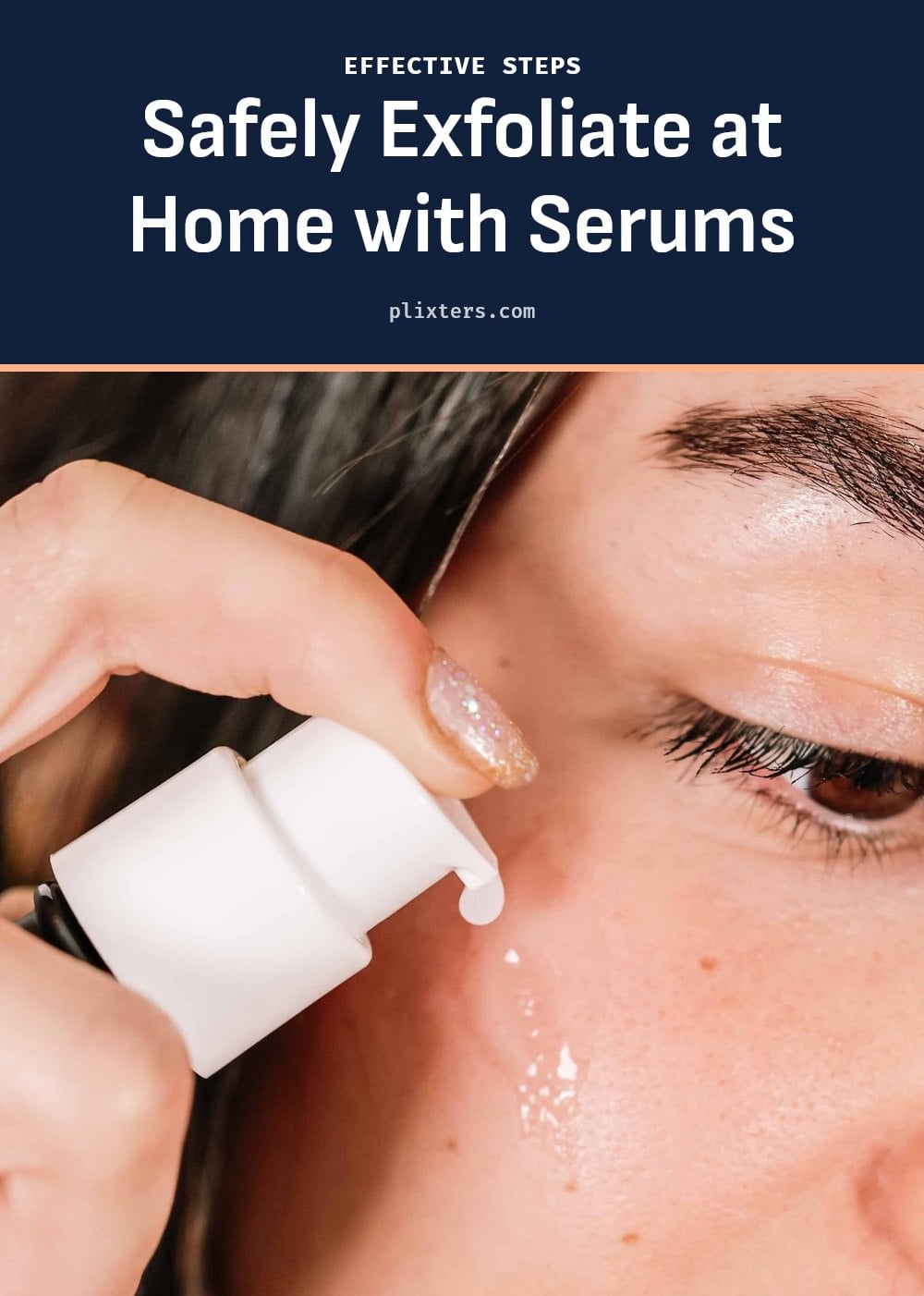
Before you exfoliate, always start with a clean face. Remove all makeup, sunscreen, and dirt with your usual cleanser, then pat your skin dry. This ensures the exfoliant can work on the surface without interference.
Patch test a new product: Apply a small amount to a discreet area, like behind your ear or on your jawline, and wait 24 hours. If you see no redness, stinging, or irritation, it is safe to use on your whole face.
- Apply the exfoliant gently: For a physical scrub, use light circular motions with your fingertips for about 30 seconds, no hard pressing. For a chemical exfoliant (AHA, BHA, or enzyme), apply a thin layer with your fingers or a cotton pad, avoiding the eye area. Follow the product instructions for leave-on time, which varies greatly depending on the type of chemical exfoliant.
- Rinse thoroughly: Use lukewarm water to remove all traces of the exfoliant, unless it is a leave-on product. Leftover acids or scrub particles can cause irritation later. Pat your skin dry with a soft towel, do not rub.
- Follow with moisturizer: Exfoliation can temporarily strip some moisture, so apply a hydrating moisturizer while your skin is still slightly damp. This helps restore the skin barrier and keeps your skin comfortable.
- Always apply sunscreen: After exfoliation, your skin is more sensitive to UV rays. Use a broad-spectrum SPF 30 or higher every morning, even if you are staying indoors. This step is non-negotiable for preventing sun damage and hyperpigmentation.
Stick to exfoliating 1-3 times per week for most skin types. Starting with once a week lets you see how your skin reacts before increasing frequency.
Common Exfoliation Mistakes to Avoid for Healthy Skin
Exfoliating too often is the top mistake. It strips the skin barrier, leading to redness, dryness, and sensitivity. Stick to 1-3 times per week and watch for signs of irritation.
Avoid harsh physical scrubs with large, irregular particles like crushed nut shells. They can cause micro-tears on facial skin. Opt for gentle options like jojoba beads or stick with chemical exfoliants.
Never exfoliate irritated, broken, or sunburned skin. It worsens inflammation and delays healing. Wait until your skin is fully calm before resuming exfoliation.
Always apply sunscreen after exfoliating. Exfoliated skin is more sensitive to UV radiation, and skipping SPF increases the risk of sun damage and hyperpigmentation. Use broad-spectrum SPF 30+ daily.
Do not mix multiple strong exfoliants in one routine, such as a harsh scrub with a potent AHA serum. This can overwhelm your skin and cause a compromised barrier. Alternate exfoliants on different days if you want variety.
When to Consult a Dermatologist About Exfoliation
If you experience excessive redness, burning, stinging, or peeling after exfoliating, stop using the product and consult a doctor. These signs may indicate that your skin barrier is damaged or that you are reacting to an ingredient.
People with skin conditions such as rosacea, eczema, or very sensitive skin should speak with a dermatologist before starting any exfoliation routine. A professional can recommend safe options and help you avoid worsening your condition.
Seek medical advice if irritation persists or if you develop an adverse reaction like swelling or a rash. A dermatologist can assess your skin and guide you toward products that work for your specific needs.
How Often to Exfoliate and When to Expect Results
For most skin types, exfoliating 1 to 3 times per week is a good starting point. If your skin is sensitive, begin with once a week and increase gradually if it tolerates the product well.
With consistent use, you may notice smoother, brighter skin within a few weeks. Long-term benefits, like improved texture and tone, come from sticking with a routine that works for your skin. Patience and regularity matter more than frequency.
Frequently Asked Questions
Can I exfoliate every day?
No, exfoliating every day is not recommended for most people. Doing so can disrupt your skin’s natural barrier, leading to redness, dryness, and increased sensitivity. Stick to 1 to 3 times per week, and if your skin feels irritated, reduce the frequency.
What is the difference between AHA and BHA?
AHAs (like glycolic and lactic acid) are water-soluble and work on the skin’s surface, making them great for dry or sun-damaged skin. BHAs (like salicylic acid) are oil-soluble, so they can penetrate into pores and are better for oily and acne-prone skin.
Is physical or chemical exfoliation better?
Neither is universally better; it depends on your skin type and concerns. Physical exfoliation works well for normal, non-sensitive skin, while chemical exfoliation is often gentler and more effective for targeting specific issues like dullness or clogged pores. Many people find success using both in different parts of their routine.
Can exfoliation help with acne?
Yes, exfoliation can help prevent clogged pores, which can lead to acne breakouts. BHAs are particularly effective for this because they penetrate deep into pores. However, avoid exfoliating active, inflamed breakouts as it can spread bacteria and worsen irritation.
Do I need to use sunscreen after exfoliating?
Yes, absolutely. Exfoliation makes your skin more sensitive to UV radiation, increasing your risk of sun damage. Always apply a broad-spectrum sunscreen with at least SPF 30 daily after exfoliating, especially if you use chemical exfoliants.
Can I exfoliate if I have rosacea or eczema?
If you have a skin condition like rosacea, eczema, or very sensitive skin, consult a dermatologist before starting any exfoliation. These conditions can make your skin more reactive, and the wrong exfoliant or frequency could cause significant irritation.
Final Thoughts
My tip is to start simple: choose one gentle exfoliant that matches your skin type and use it once a week. With consistent, appropriate use, you can expect to see smoother, brighter skin within a few weeks. Remember, patience and listening to your skin are more important than aggressive exfoliation.
This article is for informational purposes only and does not constitute medical advice. Skin care routines and products affect individuals differently. If you have a persistent skin concern, a serious condition, or experience severe irritation, please consult a dermatologist or healthcare professional.