
 Save
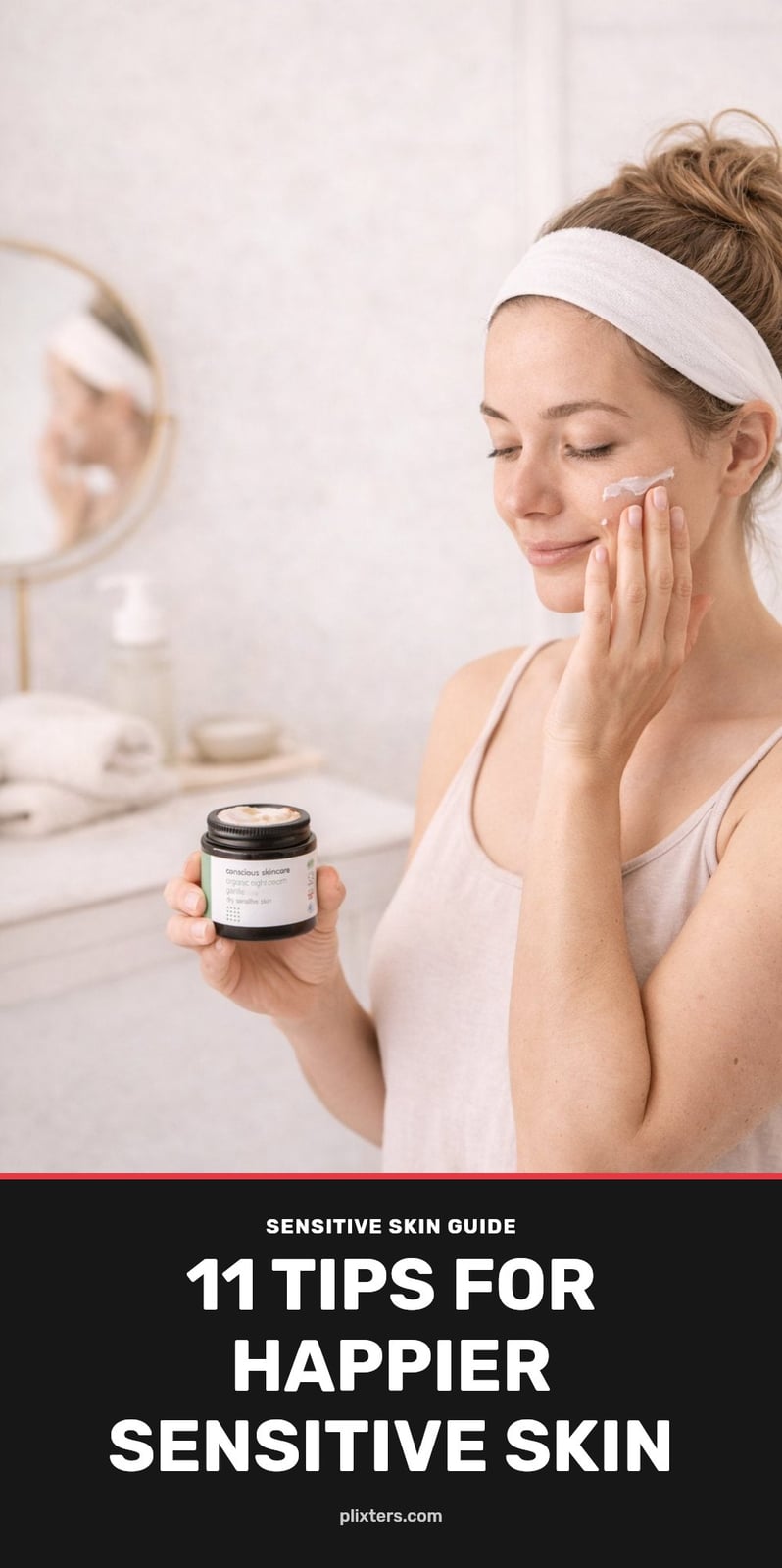
If your skin often feels red, itchy, or stings after using products or being outside, you’re likely dealing with sensitive skin. It’s not a medical diagnosis but a common condition where your skin barrier struggles to protect itself. This article covers 11 practical tips to calm irritation, strengthen your barrier, and build a routine that works for you.
Key Takeaways
- Use a gentle, fragrance-free cleanser with lukewarm water to avoid stripping natural oils.
- Moisturize immediately after cleansing while skin is still damp to lock in hydration.
- Always patch test new products for 24-48 hours before applying them to your face.
- Protect your skin daily with a mineral sunscreen containing zinc oxide or titanium dioxide.
- Keep your routine simple: cleanse, moisturize, and protect, adding new products one at a time.
15 ideas in this post
- What is Sensitive Skin?
- 1. Choose a Gentle Cleanser
- 2. Moisturize Immediately
- 3. Patch Test New Products
- 4. Simplify Your Routine
- 5. Avoid Harsh Exfoliants
- 6. Protect from the Sun
- 7. Be Mindful of Fragrances
- 8. Check Ingredient Lists
- 9. Manage Stress Levels
- 10. Wear Breathable Fabrics
- 11. Be Gentle with Your Skin
- When to Consult a Dermatologist
- Frequently Asked Questions
- Final Thoughts
What is Sensitive Skin?
Sensitive skin is a common condition where your skin reacts easily to triggers, showing symptoms like redness, itching, stinging, and dryness. It is not a medical diagnosis but a symptom often linked to a compromised skin barrier, which struggles to protect against irritants and retain moisture. Managing it involves identifying and avoiding your specific triggers, using gentle products, and supporting your skin’s natural defenses.
1. Choose a Gentle Cleanser
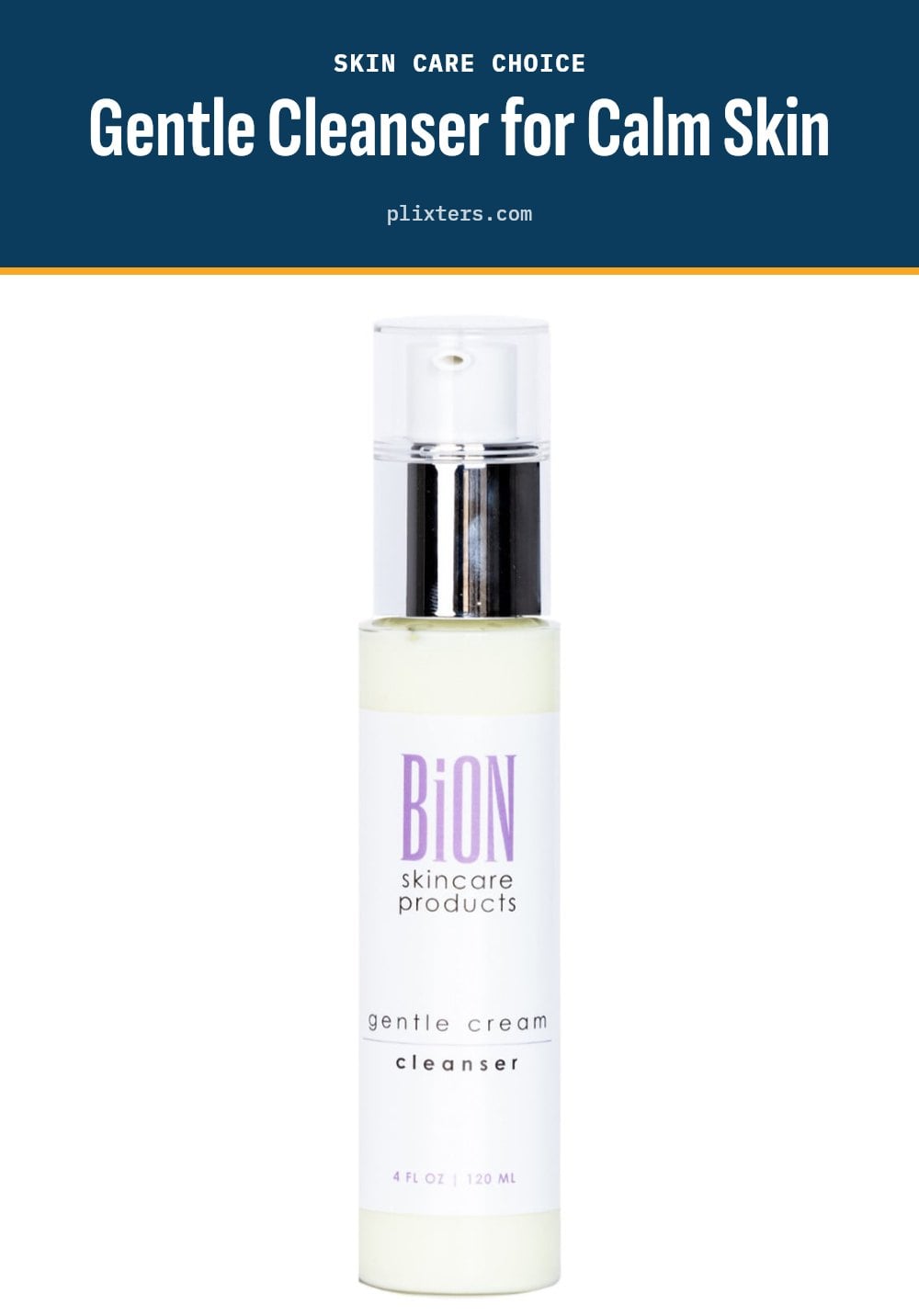
Opt for cream or gel cleansers that are fragrance-free, dye-free, and designed for sensitive skin. Avoid harsh foaming agents or strong sulfates that can strip your skin’s natural oils.
My tip: Use lukewarm water, never hot, and gently massage the cleanser onto your face with your fingertips, then rinse thoroughly. This keeps your skin barrier intact and reduces irritation.
2. Moisturize Immediately
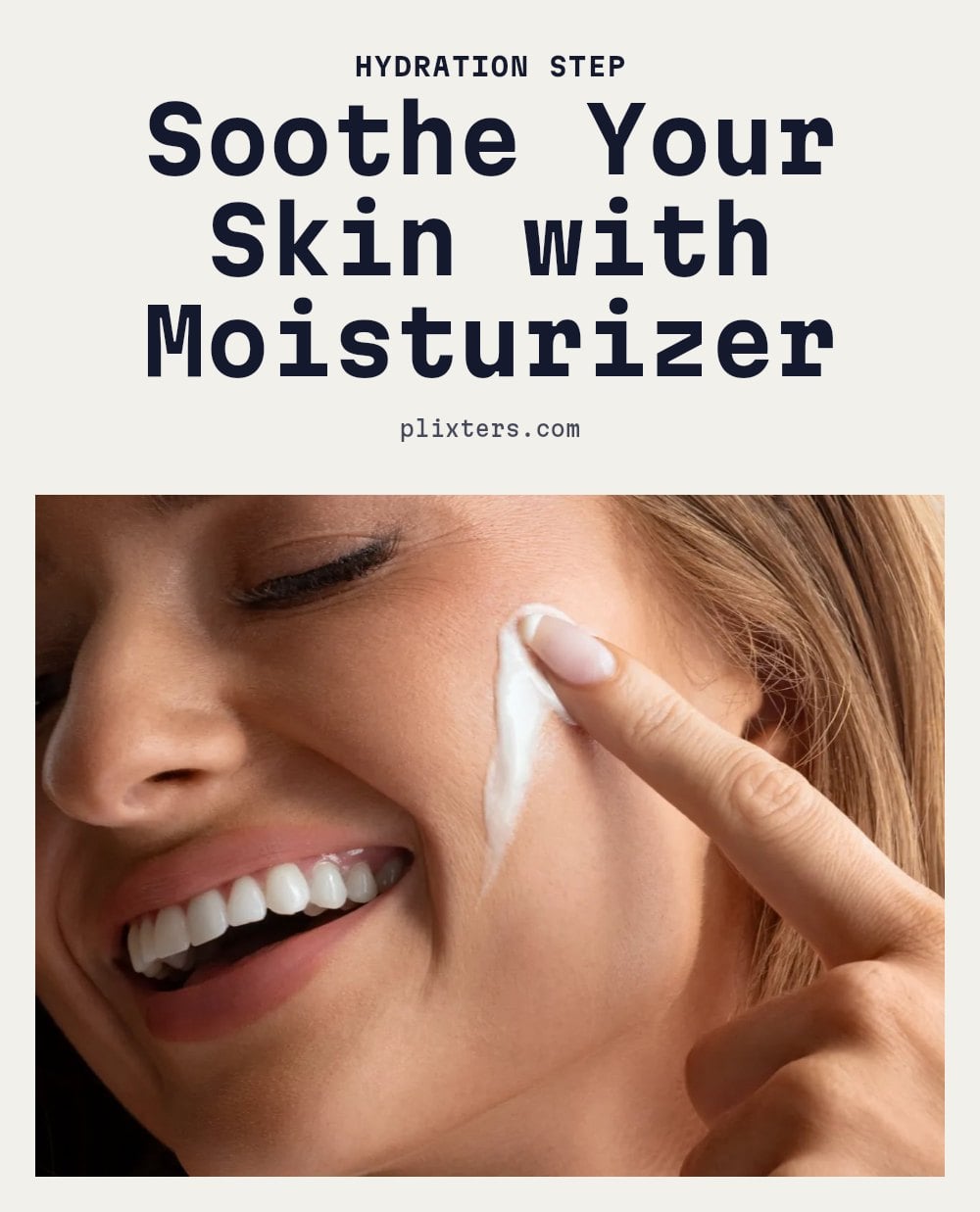
Apply a rich, fragrance-free moisturizer immediately after cleansing, while your skin is still slightly damp. This helps to lock in hydration and support your skin’s barrier function.
Look for ingredients like ceramides, hyaluronic acid, and glycerin, which are excellent for sensitive skin. They replenish lipids and attract moisture, strengthening your skin’s defense against irritants.
3. Patch Test New Products

Before applying any new product to your entire face, perform a patch test on a small, inconspicuous area like behind your ear or on your inner forearm. Apply a small amount and wait 24 to 48 hours to check for any redness, itching, or irritation.
This simple step can save you from a full-face reaction. It is the most reliable way to see if a product agrees with your sensitive skin before you commit.
4. Simplify Your Routine
Less is often more with sensitive skin. A routine packed with active ingredients can overwhelm your barrier and trigger irritation, so pare it down to the essentials: cleanse, moisturize, and protect with sunscreen.
When you do add something new, introduce it one at a time and wait a few weeks before adding another. This way, if your skin reacts, you know exactly which product caused it. Keep a simple routine for at least a month before making changes, since results can take a few weeks to show.
5. Avoid Harsh Exfoliants
Skip physical scrubs with abrasive particles. They can cause micro-tears in sensitive skin and make redness and stinging worse. If you feel you must exfoliate, a very mild chemical option like a low-concentration PHA or lactic acid, used sparingly, may be gentler, but many people find it best to avoid exfoliation altogether.
My tip: focus on strengthening your skin barrier first with ceramides and moisturizer, rather than stripping it. A healthy barrier naturally sheds dead cells, so exfoliation often becomes unnecessary.
6. Protect from the Sun
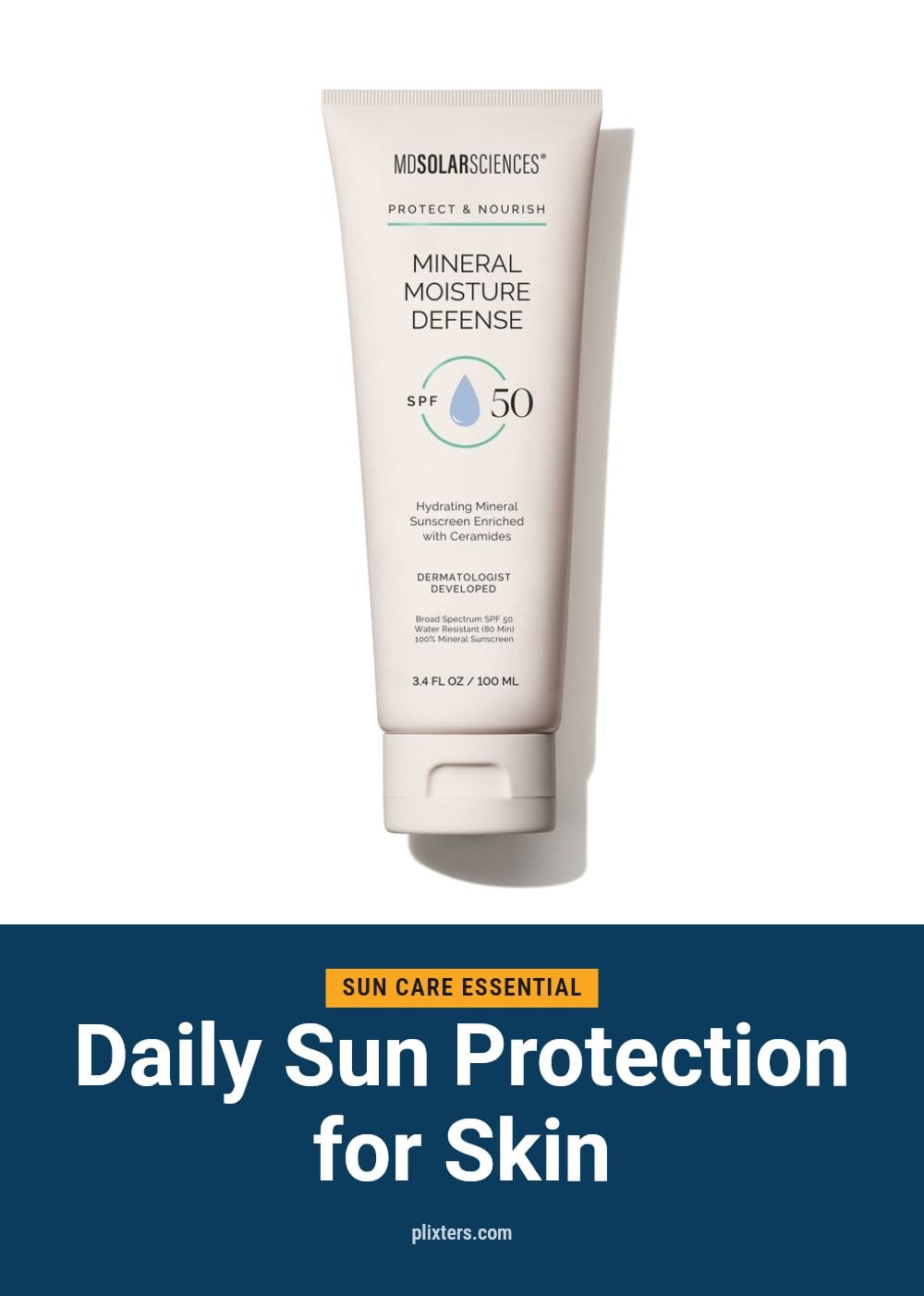
UV radiation is a major trigger for sensitive skin, causing redness, inflammation, and further barrier damage. Apply a broad-spectrum sunscreen every morning, even on cloudy days or when you are indoors near windows, since UV rays can penetrate glass.
Mineral sunscreens with zinc oxide or titanium dioxide sit on top of the skin and are generally better tolerated than chemical filters. Look for one labeled “broad-spectrum” and reapply if you spend extended time outdoors.
7. Be Mindful of Fragrances
Fragrances, both synthetic and natural, are among the most common irritants for sensitive skin. This includes essential oils, which can be potent even when labeled “natural” or “organic.”
Always choose products labeled “fragrance-free” rather than “unscented.” Unscented products may still contain masking fragrances to hide chemical smells. Check the ingredient list for terms like “parfum” or “essential oil” and avoid them if your skin reacts easily.
8. Check Ingredient Lists

Labels like “hypoallergenic” or “for sensitive skin” aren’t strictly regulated, so they don’t guarantee safety. Make it a habit to flip the bottle and read the full ingredient list before buying or applying anything.
- Skip these: alcohol, dyes, and harsh preservatives like formaldehyde releasers. They can strip your barrier or trigger stinging.
- Look for these: niacinamide, ceramides, and hyaluronic acid. They support your barrier and help lock in moisture.
If you spot an irritant near the top of the list, put the product back. The higher an ingredient appears, the more of it the formula contains.
9. Manage Stress Levels
Stress does more than mess with your mood. It can influence inflammatory responses and weaken your skin barrier, which may make your skin react faster to triggers you usually tolerate.
Build small stress-reducing habits into your day. A 10-minute walk outside, a short meditation session, or gentle stretching can help lower your body’s stress response over time.
This won’t cure sensitivity directly, but many people find their skin calms down when they manage stress consistently. Treat it as part of your routine, not an afterthought.
10. Wear Breathable Fabrics

Your clothing and bedding touch your skin for hours every day, so their materials matter. Synthetic fabrics like polyester and rough wools can create friction and trap heat, which may worsen redness and itching.
Choose 100% cotton for anything that sits directly against your skin, including pillowcases, sheets, and t-shirts. Cotton is soft, breathable, and absorbs moisture without clinging.
This reduces rubbing and lets your skin stay cool and dry. If cotton feels too rough, look for jersey or combed cotton, which are softer against sensitive areas like your face and neck.
11. Be Gentle with Your Skin
How you handle your skin matters as much as what you put on it. After cleansing, pat your skin dry with a soft cotton towel instead of rubbing it back and forth. Rubbing creates friction that can irritate already sensitive skin.
When applying moisturizer or serum, use light, upward motions with your fingertips. Don’t tug, pull, or press hard, especially around your eyes and cheeks where skin is thinner.
Think of your skin as delicate fabric. The gentler you are, the less likely you are to trigger redness or stinging. Let products absorb on their own rather than massaging them in aggressively.
When to Consult a Dermatologist
If you experience severe burning, swelling, blistering, or persistent pain, stop using the product immediately and seek medical advice. These symptoms may indicate a serious reaction that needs prompt attention.
Redness, itching, or discomfort that doesn’t improve with gentle care is another sign it’s time to see a dermatologist. If your symptoms significantly impact your quality of life, such as interfering with sleep or daily activities, professional help can make a real difference.
A dermatologist can help diagnose underlying conditions like rosacea or eczema and recommend targeted treatments. They may also identify specific triggers you haven’t considered and prescribe options better suited to your skin.
Frequently Asked Questions
What ingredients should I avoid if I have sensitive skin?
Stay away from alcohol, dyes, harsh preservatives like formaldehyde releasers, and fragrances (including essential oils). Even products labeled ‘unscented’ may contain masking fragrances, so always check the ingredient list and choose ‘fragrance-free’ instead.
Can diet affect sensitive skin?
Some people find that certain foods trigger redness or breakouts, but the evidence is mostly anecdotal or tied to specific conditions like rosacea or eczema. If you suspect a link, try keeping a food diary and discuss it with a dermatologist.
How long does it take for sensitive skin to improve with a new routine?
You may notice less redness and irritation within a few days to a few weeks after starting a gentle routine. Long-term improvement, like a stronger skin barrier, takes consistent care over several weeks.
Is ‘natural’ always better for sensitive skin?
No. Natural and organic ingredients can still be potent irritants. Essential oils, for example, are common triggers. Always check the ingredient list and patch test, regardless of the label.
Can stress make my sensitive skin worse?
Yes, stress can influence inflammatory responses and weaken your skin barrier, making it react more easily to triggers. Adding small stress-reducing habits, like a short walk or meditation, may help calm your skin over time.
Final Thoughts
My recommendation is to start with the basics: a gentle cleanser, a fragrance-free moisturizer with ceramides or glycerin, and a mineral sunscreen. Give your skin a few days to a few weeks to show improvement, and be patient with any new product you introduce. Consistent, gentle care is the key to a happier complexion.
This article is for general informational purposes only and does not constitute medical advice. Sensitive skin symptoms vary, and what works for one person may not work for another. If you experience severe burning, swelling, or persistent irritation, consult a dermatologist or healthcare professional.




