
 Save
That deep ache two days after a hard workout has a name: DOMS, or Delayed Onset Muscle Soreness. It shows up 12 to 24 hours after exercise and can stick around for up to 72 hours, which is why it can feel like your legs have staged a protest. The cause is microscopic tears in the muscle fibers, not lactic acid, and your body repairs them over the next few days.
Here is what actually helps: light movement, hydration, protein, sleep, and a few smart tools. I’ll walk you through relief methods, the mistakes that slow you down, and when it’s worth checking in with a doctor.
Key Takeaways
- DOMS peaks 12 to 24 hours after exercise and can last up to 72 hours.
- Do 10 to 20 minutes of easy walking or cycling on sore days to boost blood flow.
- Aim for 7 to 9 hours of sleep and adequate protein for muscle repair.
- Add no more than 10% more weight or distance per week to prevent soreness.
- See a doctor for severe, localized pain, swelling, bruising, or inability to move a limb.
10 ideas in this post
- How to Quickly Relieve Sore Muscles
- Why Your Muscles Get Sore After a Workout
- Effective Methods to Soothe Sore Muscles
- Essential Tools and Practices for Muscle Recovery
- Fueling Your Body for Faster Muscle Repair
- Common Mistakes When Dealing With Soreness
- How to Prevent Future Muscle Soreness
- When to Consult a Doctor About Muscle Pain
- Frequently Asked Questions
- Final Thoughts
How to Quickly Relieve Sore Muscles
That familiar ache after a tough workout is Delayed Onset Muscle Soreness (DOMS), caused by microscopic tears from new or intense exercise, not lactic acid. The good news is it’s manageable. My go-to relief comes from light active recovery like walking, staying hydrated, eating nutrient-rich foods, and getting quality sleep. Cold and heat therapies, gentle stretching, and massage can also provide comfort.
Why Your Muscles Get Sore After a Workout
Why Your Muscles Get Sore After a Workout
DOMS, or Delayed Onset Muscle Soreness, typically appears 12 to 24 hours after exercise and can last up to 72 hours. It’s caused by microscopic tears in your muscle fibers, especially from eccentric exercises where your muscle lengthens under tension, like lowering a weight slowly.
This soreness is a natural adaptation process as your muscles repair and grow stronger. A common myth is that lactic acid causes the pain, but it’s actually that microscopic muscle damage, not acid buildup, that triggers the ache.
Effective Methods to Soothe Sore Muscles
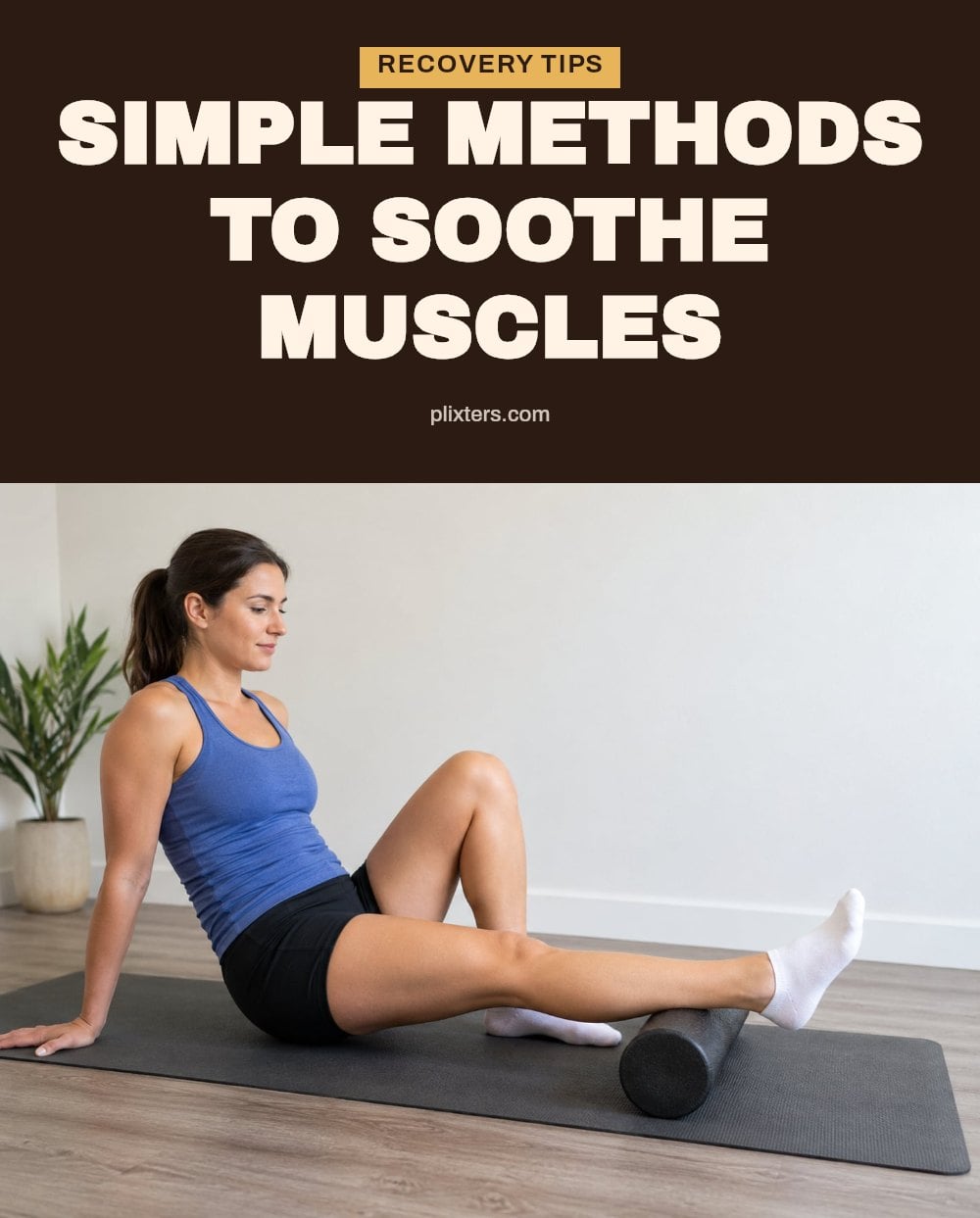
Effective Methods to Soothe Sore Muscles
Light activity: Walking or gentle cycling increases blood flow to your muscles, which can speed up recovery. Aim for 10-20 minutes of easy movement on sore days.
Cold therapy: Applying an ice pack or taking a cold bath within a few hours after intense exercise, or when symptoms of soreness begin to appear, may help reduce inflammation and pain. Limit application to 15-20 minutes at a time, and wrap ice packs in a cloth to protect your skin.
Heat therapy: A warm bath, shower, or heating pad can relax tight muscles and improve blood flow. Use heat for 15-20 minutes at a time, and repeat as needed throughout the day. Avoid falling asleep with a heating pad on.
Gentle stretching: Light static stretches after your workout or on recovery days can improve flexibility and offer temporary relief. Hold each stretch for 15-20 seconds without bouncing.
Massage: Self-massage with a foam roller or massage ball helps break up muscle knots and boosts circulation. Roll slowly over each muscle group for 20-30 seconds, and avoid rolling directly on joints or bones.
My tip: Combine cold therapy right after exercise with heat therapy the next day for a one-two punch against soreness.
Essential Tools and Practices for Muscle Recovery
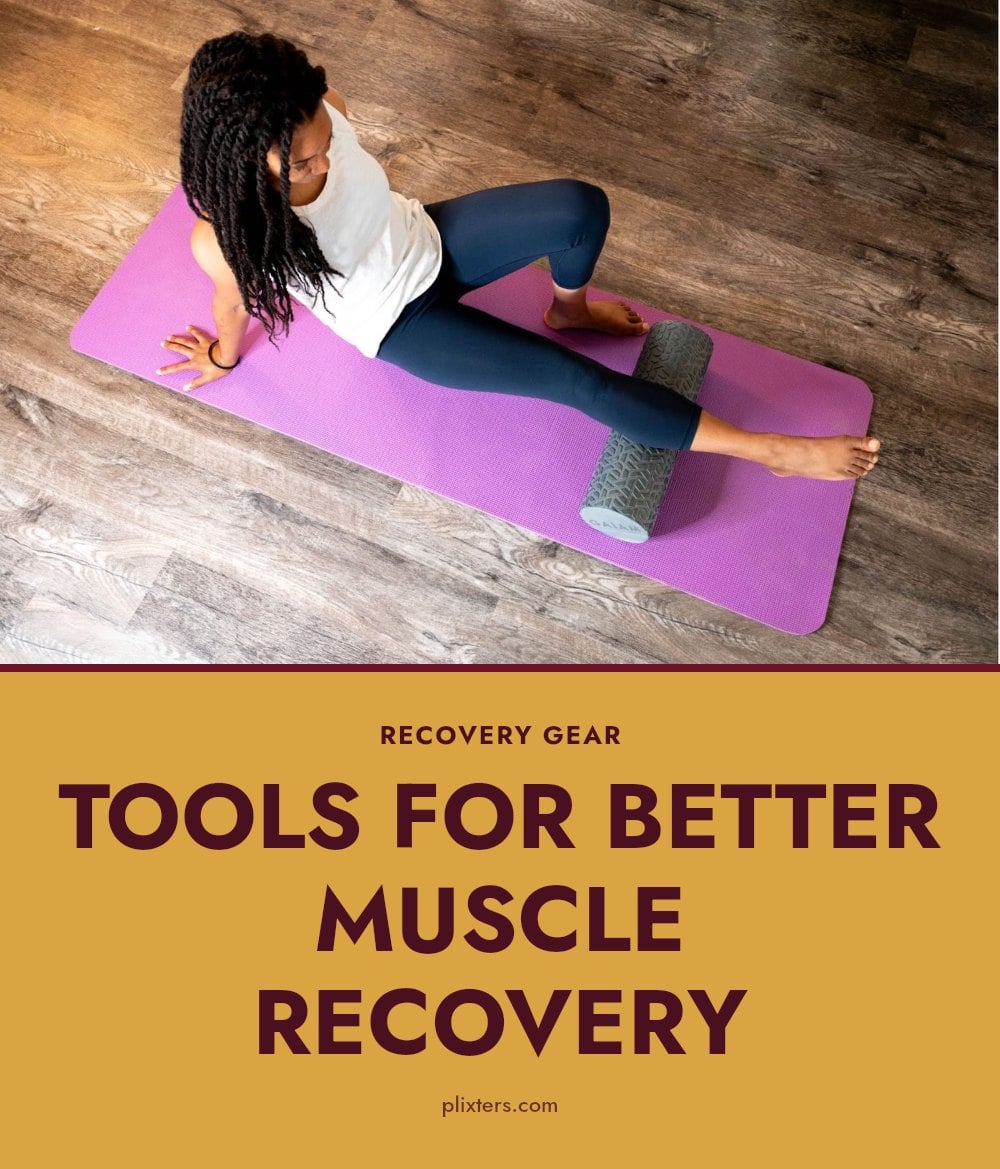
Having a few key items on hand makes recovery much easier. A water bottle keeps you consistently hydrated, which supports all muscle functions. A foam roller or massage ball lets you work out knots at home. Ice packs and heating pads cover temperature therapy, while Epsom salts add relaxation to warm baths. For nutrition, stock up on protein-rich foods like eggs or chicken for muscle repair, and anti-inflammatory foods like berries or leafy greens to aid overall recovery.
Fueling Your Body for Faster Muscle Repair
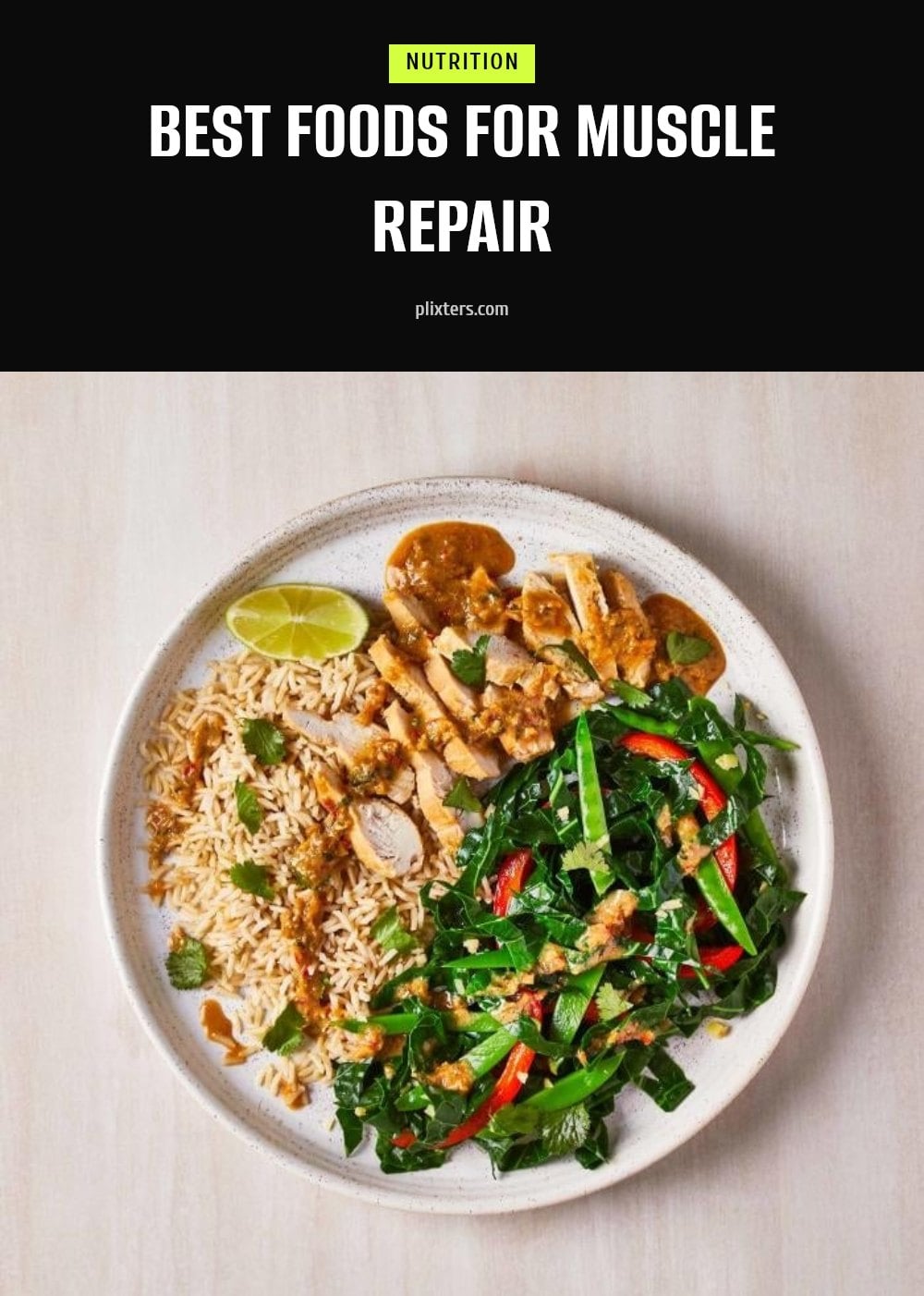
What you eat and drink after a workout directly affects how fast your muscles repair. Adequate protein intake is crucial for rebuilding those microscopic tears, so include sources like eggs, chicken, beans, or Greek yogurt in your post-exercise meal. Staying well-hydrated supports every bodily function involved in recovery, including nutrient transport and waste removal. Drink water consistently throughout the day, not just when you feel thirsty.
Some foods may offer extra anti-inflammatory benefits. Tart cherry juice, turmeric, and fatty fish are often mentioned in research as possible aids for reducing soreness. While no single food is a cure, adding these to a balanced diet can support your body’s natural repair process.
Common Mistakes When Dealing With Soreness
It’s easy to fall into common traps that slow your recovery or risk injury. Here are the biggest ones to avoid:
- Believing soreness always means a good workout: Soreness just signals new stimulus, not necessarily effectiveness. You can have a productive workout without being sore.
- Thinking pre-workout stretching prevents DOMS: Static stretching before exercise doesn’t prevent soreness. A dynamic warm-up with movements like leg swings and arm circles is more effective.
- Ignoring nutrition and sleep: Your muscles repair during rest and with the right fuel. Skipping meals or skimping on sleep delays recovery.
- Pushing through severe pain: This can turn minor muscle damage into a real injury. If it hurts to move normally, take a rest day.
- Confusing DOMS with acute injury pain: DOMS is a general ache, not sharp or sudden. If pain is localized, sharp, or came on instantly, it’s likely an injury.
- Assuming lactic acid causes soreness: Lactic acid clears within an hour of exercise. The real cause is microscopic muscle damage.
How to Prevent Future Muscle Soreness

You can reduce how often and how intensely you get sore by building smart habits into your routine.
- Gradually increase intensity and duration: Small, consistent jumps in weight or distance help your muscles adapt without excessive damage.
- Warm up properly: Spend 5-10 minutes on dynamic movements like walking lunges, leg swings, and arm circles.
- Cool down and stretch gently: End each workout with 5 minutes of light walking and static stretches for the muscles you worked.
- Stay hydrated and eat a balanced diet: Drink water before, during, and after exercise. Include protein and vegetables at every meal.
- Prioritize 7-9 hours of quality sleep: Most muscle repair happens during deep sleep. Keep a consistent bedtime and avoid screens before bed.
When to Consult a Doctor About Muscle Pain
While DOMS is normal, certain symptoms warrant a visit to a healthcare professional. Seek medical attention if you experience any of the following:
- Severe, localized pain that doesn’t improve after a few days
- Swelling, bruising, or redness around a specific area
- Inability to move a limb or bear weight
- Sharp, sudden pain that occurred during an activity
- Pain accompanied by fever or other systemic symptoms
If you have an underlying medical condition such as a heart condition or diabetes, consult your doctor before using extreme temperature therapies like ice baths or heating pads. Never self-diagnose an injury; a professional can distinguish between DOMS and something more serious.
Frequently Asked Questions
How long does muscle soreness typically last?
DOMS usually shows up 12 to 24 hours after exercise and can last up to 72 hours, with most people feeling back to normal within 3 to 5 days. Gentle movement, hydration, and sleep can help shorten that window and reduce how intense the ache feels.
What’s the difference between DOMS and injury pain?
DOMS is a diffuse, dull ache that builds gradually and improves over a few days. Injury pain tends to be sharp, sudden, or localized to one spot and may come with swelling, bruising, or an inability to move the limb. If you notice those signs, stop the activity and see a doctor.
Is soreness a sign of a good workout?
No. Soreness just signals that your muscles faced a new stimulus, not that the workout was effective. You can have a productive session without any soreness at all, and chasing soreness often leads to pushing too hard and slowing your recovery.
Can stretching prevent DOMS?
Gentle static stretching can improve flexibility and may give temporary relief, but it won’t prevent DOMS. A dynamic warm-up of 5 to 10 minutes before training is a better bet for preparing muscles. Never stretch cold muscles aggressively; warm up first.
Final Thoughts
My rule is simple: on a sore day, move gently, eat protein, drink water, and sleep well before you consider another hard session. Expect the ache to ease within 3 to 5 days, and don’t be surprised if pushing through a tough workout while you’re still sore sets you back instead of forward. Consistency beats intensity when your muscles are repairing.
If you build these habits into your week, soreness tends to show up less often and less sharply. My tip: keep a water bottle and a foam roller where you can see them, because convenience is what makes recovery actually happen.
This article is general information and not medical advice. If soreness is severe, localized, or comes with swelling, bruising, or trouble moving a limb, see a doctor. People with conditions like heart disease or diabetes should check with a professional before trying extreme cold or heat therapies.




