
 Save
Dealing with facial redness can feel like a constant battle, but the right remedies can make a real difference. Whether it’s triggered by sensitive skin, a reaction to a product, or a chronic condition like rosacea, you don’t have to just live with it. This article covers the fastest ways to calm redness, common causes to watch for, essential products to stock, and the top remedies you can try at home.
Key Takeaways
- Apply a cool compress for immediate, temporary relief from facial redness.
- Use a gentle, fragrance-free cleanser and moisturizer to support your skin barrier.
- Always apply a broad-spectrum sunscreen with SPF 30 or higher daily.
- Avoid harsh exfoliants, hot water, and known triggers like spicy foods or alcohol.
- See a dermatologist if redness is persistent, worsening, or accompanied by pain or swelling.
9 ideas in this post
- The Fastest Ways to Reduce Facial Redness
- Why Your Face Might Be Red
- Essential Products for Soothing Red Skin
- Top Remedies to Calm Facial Redness
- Common Mistakes That Worsen Facial Redness
- Preventing Future Facial Redness Flare-Ups
- When to Consult a Dermatologist for Facial Redness
- Frequently Asked Questions
- Final Thoughts
The Fastest Ways to Reduce Facial Redness
The quickest way to calm facial redness is a cool compress. Applying a cool, damp cloth or an ice pack wrapped in a soft towel for a few minutes constricts blood vessels and reduces inflammation on the spot. For longer-term improvement, switch to gentle, fragrance-free skincare. Look for products with niacinamide, ceramides, or aloe vera to support your skin barrier. Equally important is identifying your personal triggers, whether that means skipping spicy foods, hot beverages, or harsh weather. Finally, make daily broad-spectrum sunscreen with SPF 30+ a non-negotiable habit to prevent UV rays from making redness worse.
Why Your Face Might Be Red
Common Causes of Facial Redness
Facial redness can come from many sources, ranging from temporary irritation to chronic skin conditions. Two of the most common chronic conditions are rosacea and eczema. Rosacea is an inflammatory condition that often causes visible blood vessels and sometimes bumps. Eczema (atopic dermatitis) leads to red, itchy, inflamed patches that can appear on the face.
Other frequent triggers include:
- Allergic reactions: To skincare products, makeup, or environmental factors like pollen.
- Sunburn: UV damage causes immediate redness and can worsen underlying conditions.
- Harsh products: Cleansers with sulfates, alcohol, or strong fragrances strip the skin barrier.
- Extreme temperatures and hot showers: They dilate blood vessels and increase flushing.
- Certain foods and drinks: Spicy foods, hot beverages, and alcohol are common culprits.
- Stress: It can exacerbate inflammatory skin conditions.
Understanding what triggers your redness is the first step to managing it effectively.
Essential Products for Soothing Red Skin
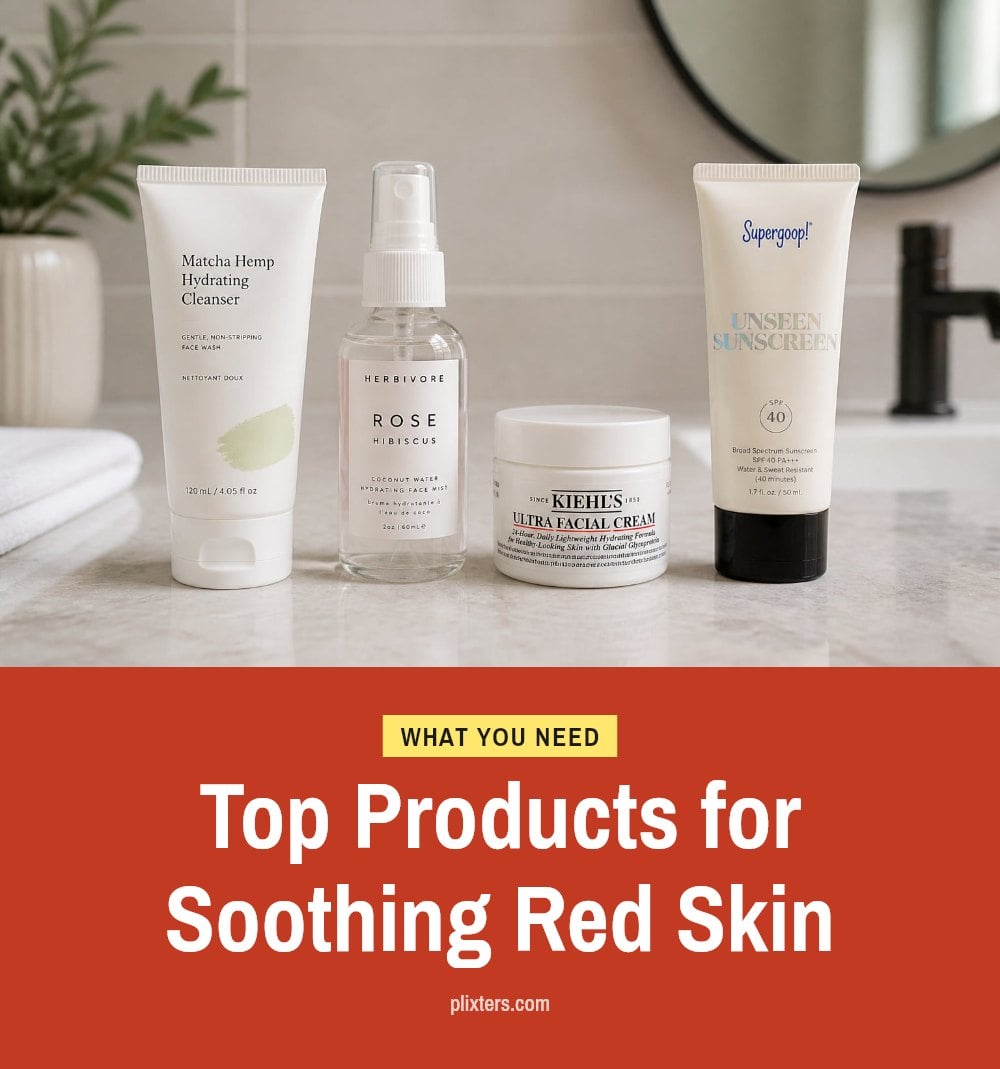
Having the right products on hand makes a real difference for redness-prone skin. Here is what I keep in my routine:
- Gentle facial cleanser: A mild, fragrance-free formula that cleanses without stripping.
- Moisturizer: A rich, fragrance-free cream or lotion to support the skin barrier.
- Broad-spectrum sunscreen (SPF 30+): Protects sensitive skin from UV damage that worsens redness.
- Niacinamide serum: Helps calm inflammation and strengthens the barrier.
- Ceramide-containing cream: Repairs and maintains the skin’s protective layer.
- Aloe vera gel: Provides immediate soothing and cooling relief.
- Colloidal oatmeal: Look for it in masks or creams to calm irritation.
- Soft washcloth or towel: For gentle patting dry instead of rubbing.
- Cool compress or ice pack wrapped in cloth: For temporary relief from flushing and heat.
Top Remedies to Calm Facial Redness

Gentle Skincare Routine
Start with a mild, pH-balanced cleanser and lukewarm water. Pat your face dry with a soft towel, then follow with a fragrance-free moisturizer to lock in hydration and support your barrier.
Soothing Ingredients
Incorporate products with niacinamide, ceramides, and hyaluronic acid to strengthen your skin barrier. Centella Asiatica (often called Cica) is another excellent calming ingredient for redness-prone skin.
Aloe Vera Application
Apply pure aloe vera gel directly to red areas for its anti-inflammatory and soothing effects. My tip: Keep the aloe vera in the fridge for an extra cooling sensation when you apply it.
Colloidal Oatmeal Masks
Mix colloidal oatmeal with water to form a paste and apply it to your face for 10-15 minutes. Oatmeal is a fantastic anti-inflammatory that can calm irritated skin.
Green Tea Compresses
Brew green tea, let it cool completely, then soak a soft cloth in it and apply as a compress to red areas. The polyphenols in green tea have antioxidant benefits that may help reduce redness.
Cold Compresses
For immediate relief from flushing, apply a cool, damp cloth or an ice pack wrapped in cloth to the affected areas for a few minutes. This temporarily constricts blood vessels and reduces heat.
Common Mistakes That Worsen Facial Redness
Over-Exfoliating: Using harsh physical scrubs or strong chemical exfoliants can strip your skin’s natural barrier, leading to more irritation and redness. Instead, reach for a gentle, hydrating cleanser and skip all exfoliation when your skin is actively inflamed.
Ignoring Sun Protection: Skipping daily broad-spectrum sunscreen leaves your skin vulnerable to UV damage, which can worsen existing redness and spark new flare-ups. My tip: Make SPF 30+ a non-negotiable part of your morning routine, even on cloudy days.
Using Fragranced or Alcohol-Based Products: Many fragrances and alcohol in skincare are highly irritating to sensitive, redness-prone skin. Always check ingredient lists for ‘fragrance,’ ‘parfum,’ or high concentrations of alcohol.
Hot Showers and Baths: Very hot water can dilate blood vessels and worsen flushing. Stick to lukewarm water for both showering and washing your face to keep your skin calm.
Applying Too Many New Products at Once: Introducing multiple new products at the same time makes it impossible to pinpoint which one is causing irritation if redness increases. Add one new product at a time and patch test it first.
Preventing Future Facial Redness Flare-Ups
Identify and Avoid Triggers: Pay attention to what sets off your redness. Common culprits include spicy foods, hot beverages, alcohol, extreme temperatures, and certain skincare ingredients.
Maintain a Consistent Gentle Skincare Routine: Stick to mild, fragrance-free products that support your skin’s barrier. Consistency helps keep sensitive skin calm over time.
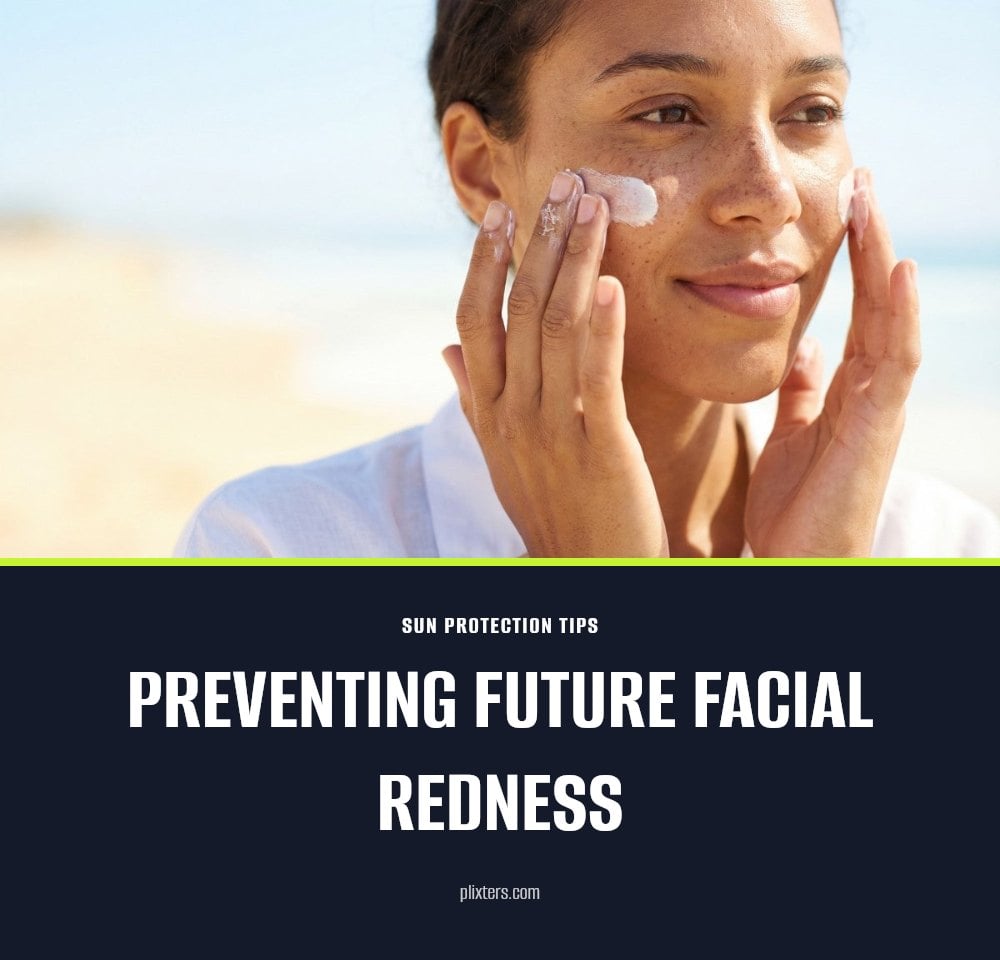
Prioritize Daily Sun Protection: Use a broad-spectrum sunscreen with at least SPF 30 every single day, rain or shine. UV exposure is a major trigger for many redness conditions.
Manage Stress: Stress can trigger or worsen skin conditions. Incorporate stress-reduction techniques like meditation, yoga, or deep breathing into your daily life.
Avoid Hot Water: Always use lukewarm water for washing your face and showering to prevent blood vessel dilation and increased flushing.
Patch Test New Products: Before applying any new product to your entire face, test it on a small, inconspicuous area for a few days to check for adverse reactions.
When to Consult a Dermatologist for Facial Redness
If your facial redness is persistent, worsening, or significantly impacting your quality of life, it is time to see a dermatologist. Seek professional advice if home remedies and over-the-counter products are not providing relief. If redness is accompanied by severe itching, pain, swelling, blistering, or pus, seek immediate medical attention. A dermatologist can accurately diagnose underlying conditions like rosacea or eczema and prescribe appropriate treatments. They can also help identify specific triggers and recommend a personalized skincare plan.
Frequently Asked Questions
Can diet affect facial redness?
Yes, for some people, especially those with rosacea, certain foods and drinks can trigger flushing and redness. Common culprits include spicy foods, hot beverages, and alcohol. Paying attention to what you eat and drink can help you identify and avoid your personal triggers.
How long does it take for redness remedies to work?
Some remedies, like a cool compress, provide immediate but temporary relief. For longer-term improvement from a consistent gentle skincare routine and avoiding triggers, you may see results over several weeks to months. Professional treatments from a dermatologist may have their own timelines.
Is it okay to wear makeup if I have facial redness?
Yes, but choose your products carefully. Opt for makeup labeled as non-comedogenic, fragrance-free, and hypoallergenic to minimize irritation. Avoid heavy or matte formulas that might be drying, and always remove makeup gently at the end of the day with a mild cleanser.
What ingredients should I avoid if my face is red?
Avoid products containing alcohol, strong fragrances, and essential oils, as these can irritate sensitive skin. Also steer clear of harsh exfoliants like physical scrubs or strong chemical exfoliants when your skin is actively inflamed. Stick to gentle, soothing formulas instead.
Can stress make facial redness worse?
Yes, stress can be a trigger for various skin conditions that cause facial redness, including rosacea and eczema. Managing stress through relaxation techniques, adequate sleep, and other healthy habits may help reduce the frequency or severity of flare-ups.
Final Thoughts
My tip: start by identifying your personal triggers and swapping out any harsh products for gentle, fragrance-free alternatives. Realistic expectations are key, some remedies like a cool compress offer immediate relief, but consistent use of soothing ingredients and sun protection can show improvement over several weeks to months. Stick with a simple routine and give your skin time to heal.
This article is for general informational purposes only and does not constitute medical or professional advice. Facial redness can have many causes, and what works for one person may not work for another. If you have persistent, severe, or worsening redness, or if it is accompanied by pain or other symptoms, consult a dermatologist or healthcare provider.




