 Save
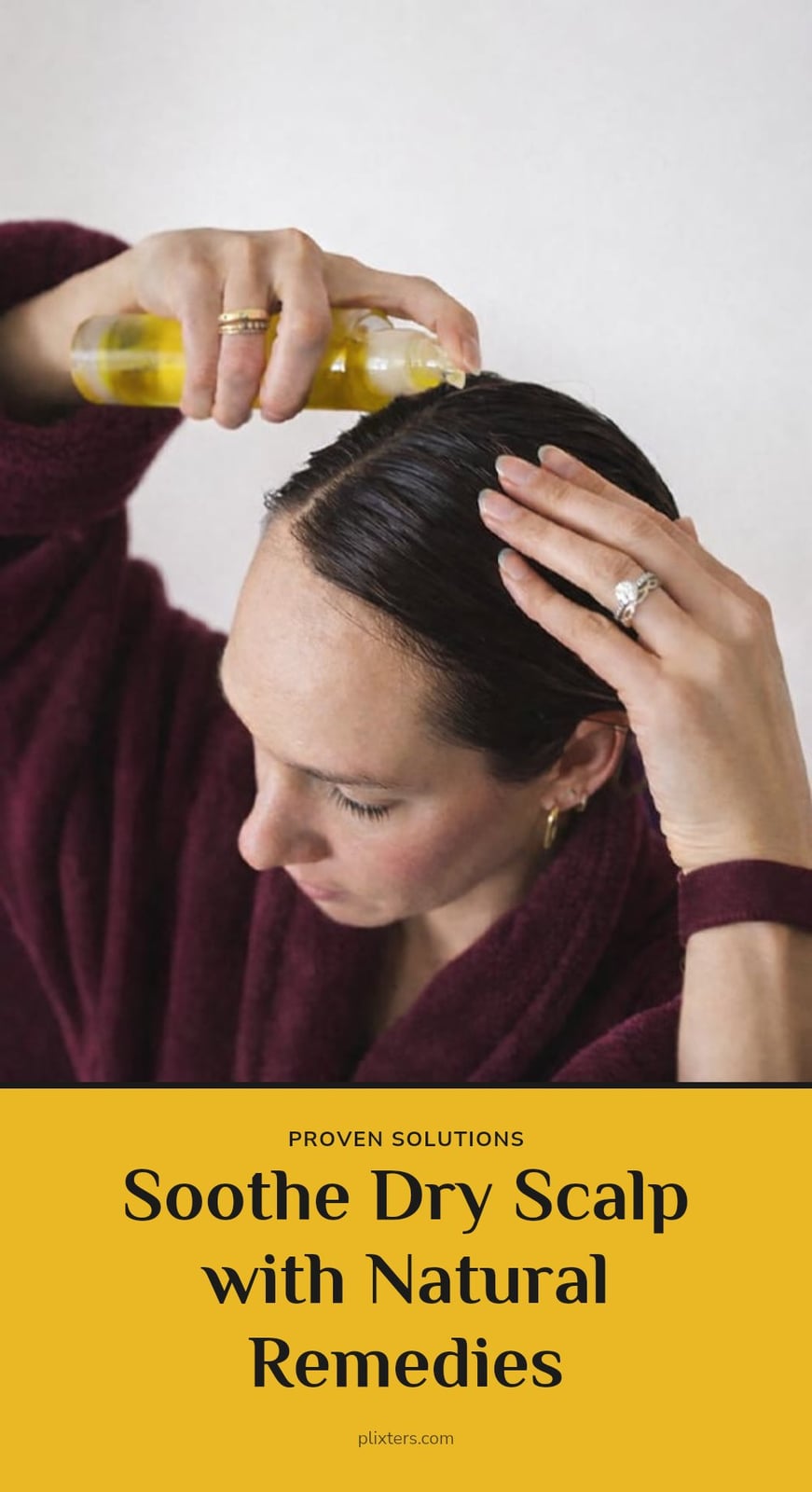
If your scalp feels tight, itchy, or leaves tiny white flakes on your shoulders, you’re likely dealing with dry scalp rather than dandruff. It’s a common moisture issue that can be triggered by cold weather, over-washing, or harsh products. This article covers 10 natural remedies to restore hydration and soothe irritation, plus when it’s time to see a professional.
Key Takeaways
- Dry scalp produces small, white, dry flakes, while dandruff causes oily, yellowish flakes.
- Use lukewarm water and a gentle, sulfate-free shampoo to avoid stripping natural oils.
- Always dilute essential oils like tea tree oil with a carrier oil before applying to the scalp.
- Consistent use of remedies can show relief within a few days to a week.
- See a dermatologist if symptoms persist, worsen, or include open sores or hair loss.
13 ideas in this post
- Quick Answer: Soothing a Dry Scalp Naturally
- 1. Coconut Oil Scalp Mask
- 2. Aloe Vera Gel Treatment
- 3. Diluted Apple Cider Vinegar Rinse
- 4. Jojoba Oil Scalp Massage
- 5. Tea Tree Oil Scalp Treatment
- 6. Honey and Yogurt Mask
- 7. Witch Hazel Soothing Spray
- 8. Gentle Exfoliation with Sugar Scrub
- 9. Humidifier for Indoor Moisture
- When to See a Professional
- Frequently Asked Questions
- Final Thoughts
Quick Answer: Soothing a Dry Scalp Naturally
A dry scalp lacks moisture, leading to itchiness and flaking, often distinct from dandruff. Unlike dandruff’s oily, yellowish flakes, dry scalp produces small, white, dry flakes. Natural remedies like diluted apple cider vinegar, coconut oil, and aloe vera can help restore moisture and soothe irritation. Gentle hair care, avoiding harsh products, and maintaining hydration are key to long-term relief.
1. Coconut Oil Scalp Mask
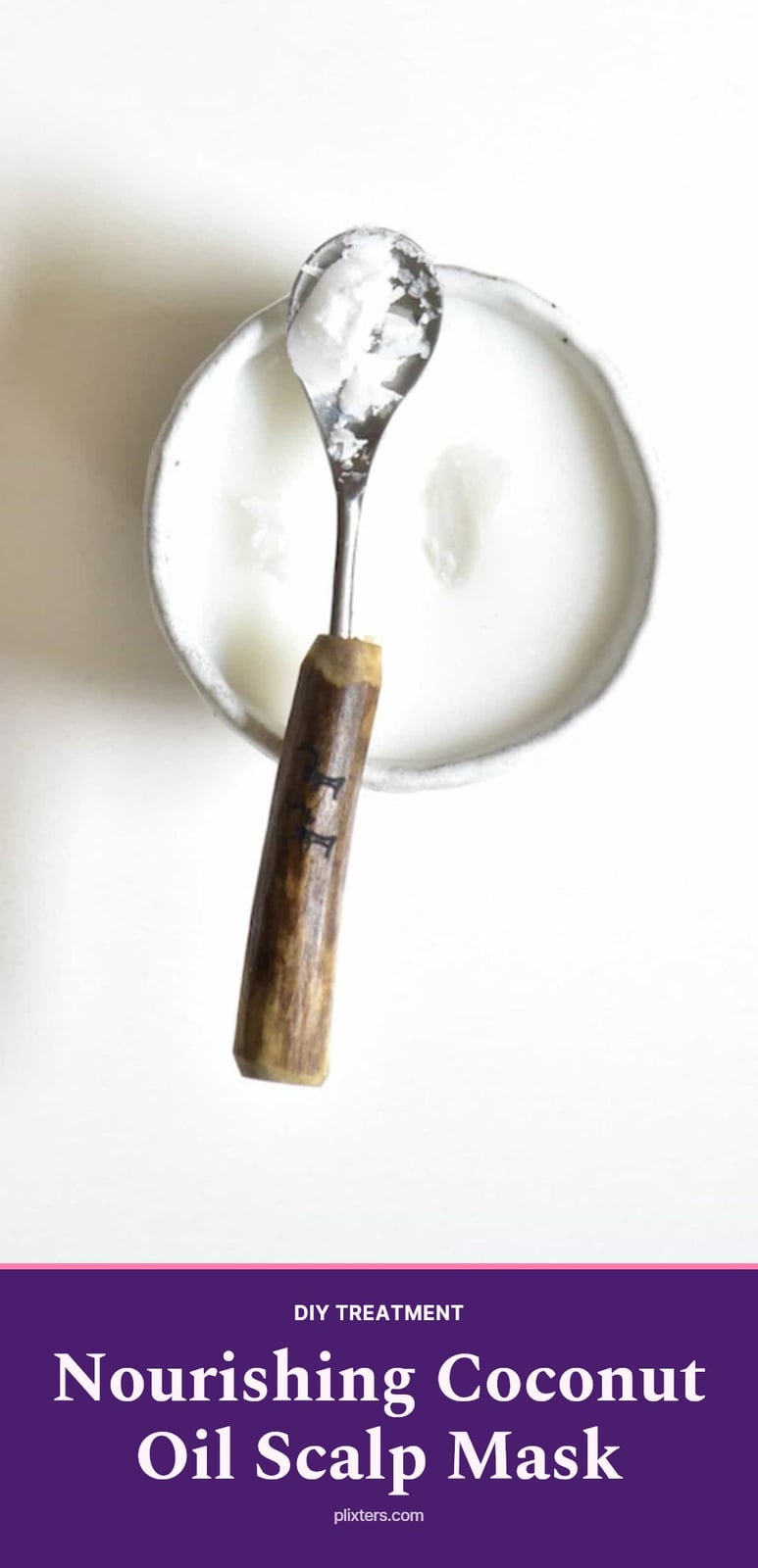
Warm and massage: Coconut oil is a natural emollient that deeply moisturizes the scalp. It also has mild antimicrobial properties that can help maintain scalp health. Warm a small amount in your hands, gently massage into your scalp, and leave on for at least 30 minutes before washing with a gentle shampoo.
2. Aloe Vera Gel Treatment
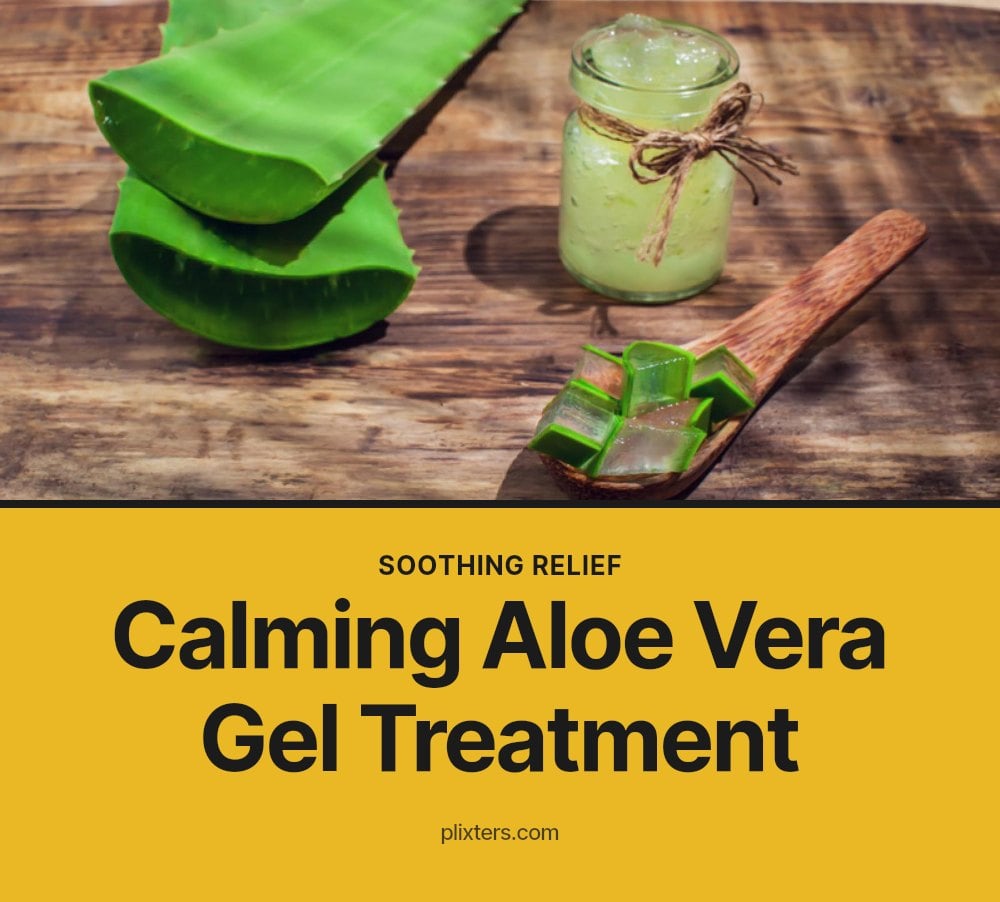
Apply pure gel: Aloe vera is renowned for its soothing and anti-inflammatory properties. It can calm an itchy scalp and provide hydration without feeling greasy. Apply pure aloe vera gel directly to your scalp, let it sit for 20-30 minutes, then rinse thoroughly.
3. Diluted Apple Cider Vinegar Rinse
Mix and rinse: Apple cider vinegar can help balance the scalp’s pH, which is often disrupted in dry scalp conditions. It also possesses mild antifungal properties that can be beneficial. Mix equal parts apple cider vinegar and water, apply after shampooing, let sit for a few minutes, then rinse thoroughly. Caution: Always dilute to prevent irritation.
4. Jojoba Oil Scalp Massage
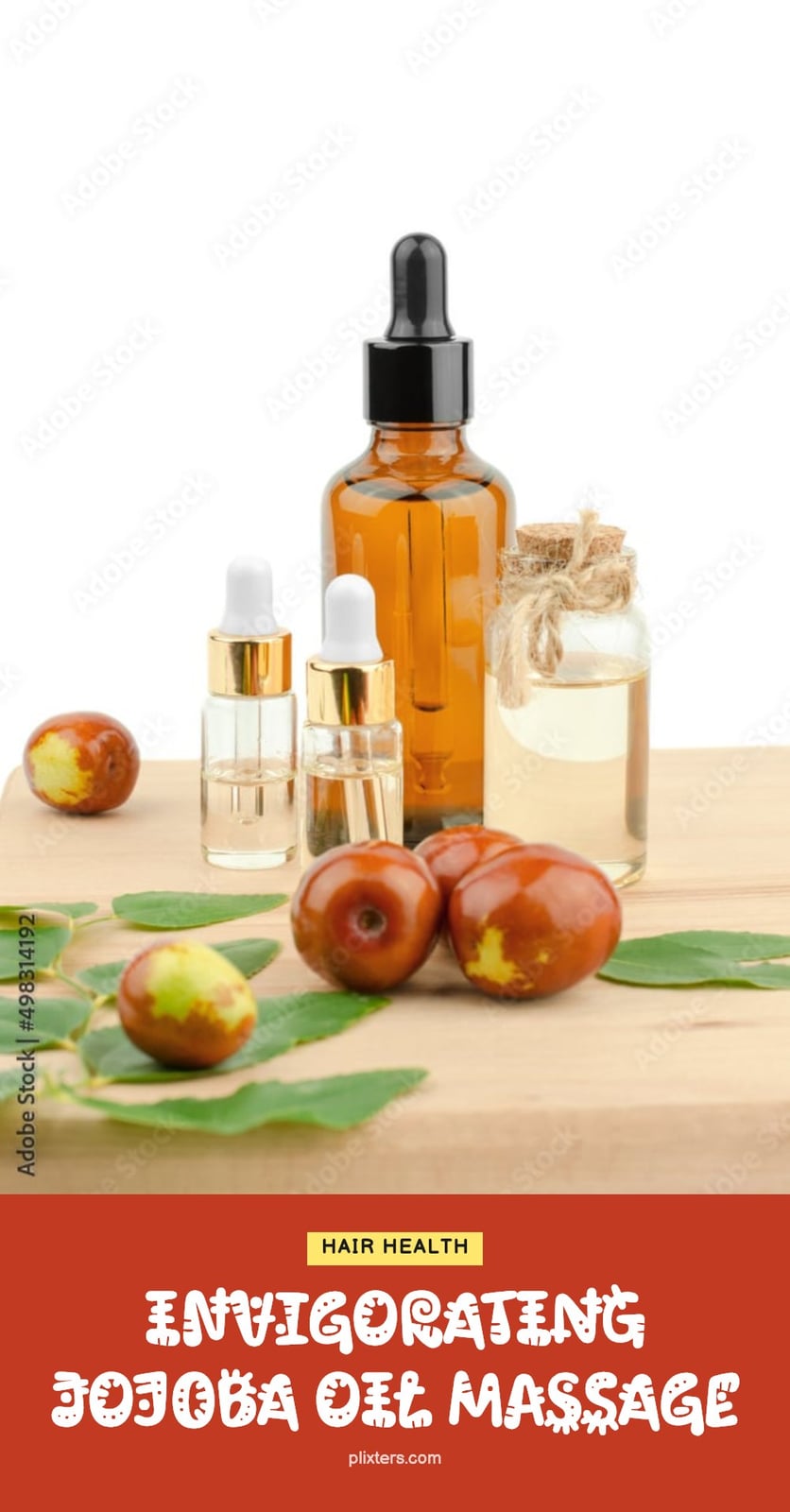
Jojoba oil closely mimics the natural sebum your scalp produces, making it an excellent moisturizer. It hydrates without clogging pores or leaving a heavy residue, which is why I reach for it often. Warm a few drops between your palms and gently massage into your scalp before bed or an hour before washing. My tip: Focus on the driest areas first, then spread the rest evenly.
5. Tea Tree Oil Scalp Treatment
Tea tree oil has known antimicrobial and anti-inflammatory properties, which can help address microbial imbalances that sometimes accompany scalp irritation. Caution: Always dilute tea tree oil with a carrier oil like jojoba or coconut before applying. Mix 2-3 drops of tea tree oil with a tablespoon of carrier oil, then massage into your scalp. Leave it on for 15-20 minutes before shampooing.
6. Honey and Yogurt Mask
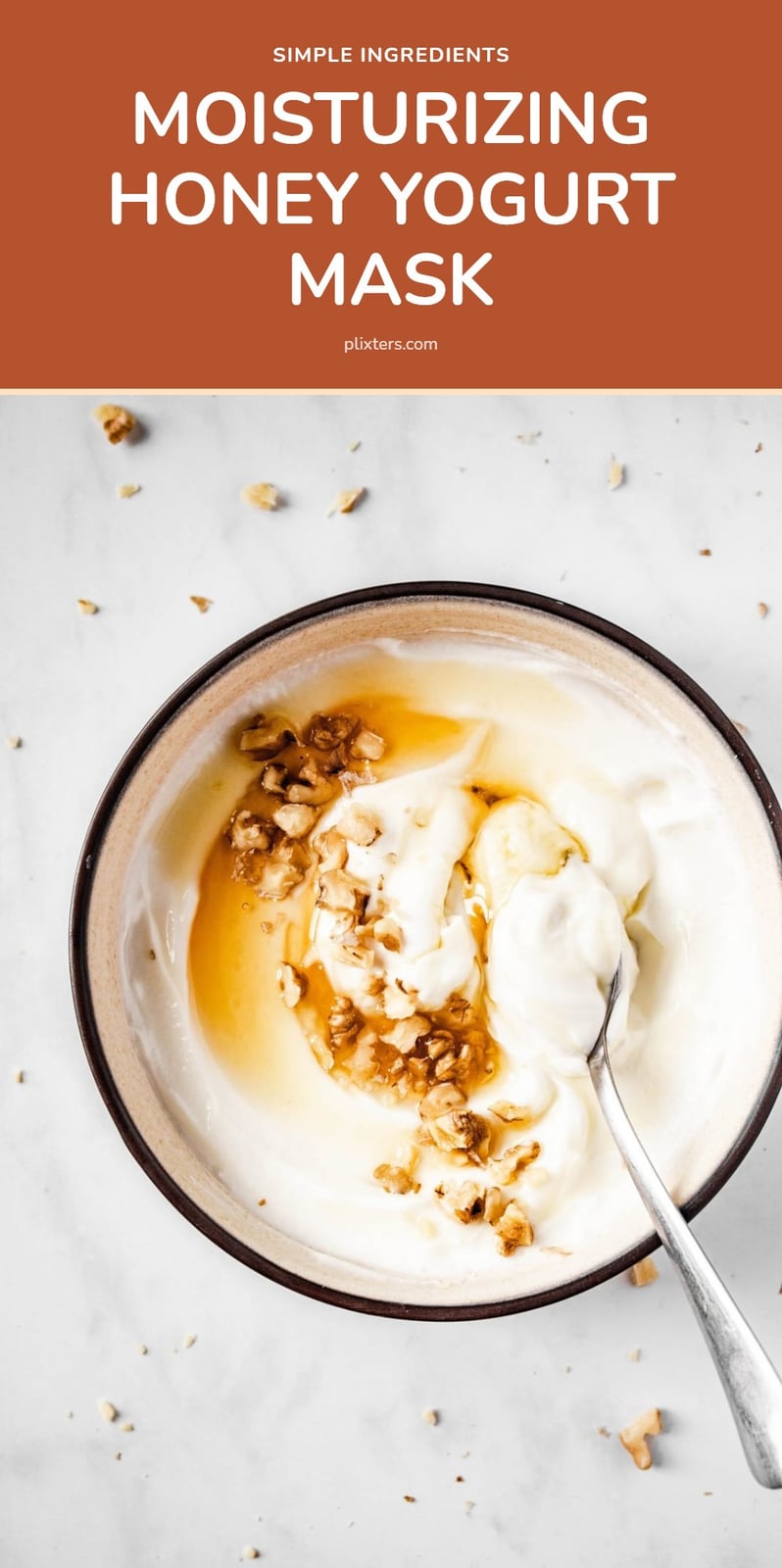
Honey is a natural humectant, meaning it attracts and retains moisture, while also offering anti-inflammatory benefits. Yogurt contains probiotics and lactic acid that can gently exfoliate and soothe the scalp. Combine equal parts honey and plain yogurt, apply to the scalp, and leave for 20 minutes before rinsing. The lactic acid helps lift flakes without harsh scrubbing.
7. Witch Hazel Soothing Spray
Witch hazel can help reduce inflammation and soothe itchiness, acting as an astringent for certain types of scalp irritation. However, it can be drying for some, so use it sparingly. Dilute witch hazel with equal parts water, transfer to a spray bottle, and spritz lightly onto your scalp. Pro move: Shake well before each use and avoid saturating the same spot twice.
8. Gentle Exfoliation with Sugar Scrub
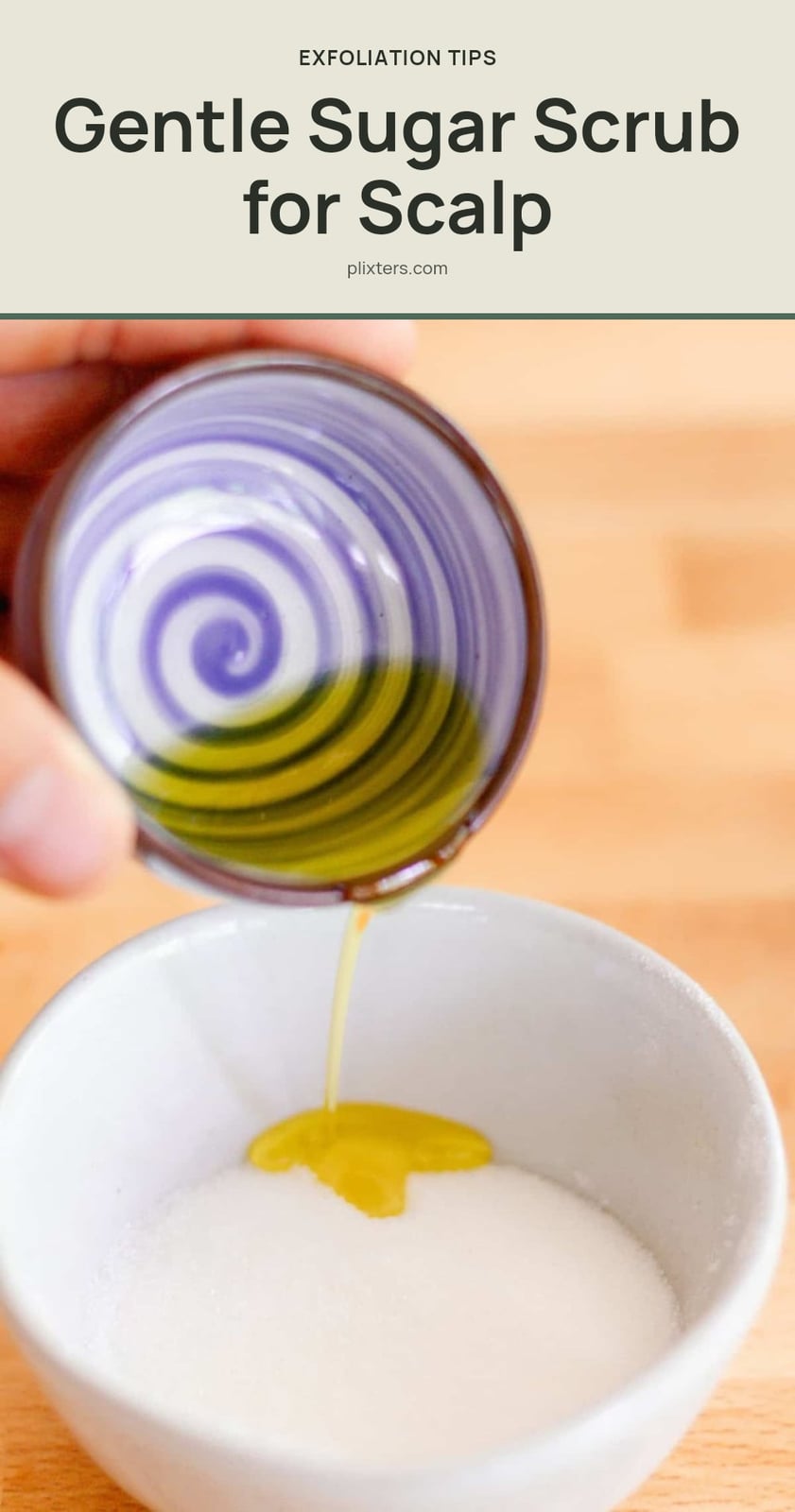
Mix with oil and massage: A gentle scrub removes dead skin cells and flakes without the harsh irritation that physical scrubs can cause. Sugar works well here because it dissolves as you massage, which prevents micro-tears on sensitive skin. Mix one tablespoon of fine sugar with a carrier oil like olive or jojoba, then gently massage the paste into your scalp in small circles before shampooing. Rinse thoroughly and follow with your regular conditioner.
9. Humidifier for Indoor Moisture
Add moisture to the air: Dry indoor air, especially during winter, pulls moisture from your scalp the same way it dries out your skin. A humidifier adds that moisture back, creating a more scalp-friendly environment while you sleep. Place a humidifier in your bedroom and set it to around 50% humidity. You may notice less tightness and flaking within a few nights of consistent use.
When to See a Professional
If your dry scalp symptoms persist or worsen despite consistent home remedies, it is time to see a professional. Seek medical advice if you experience severe itching, redness, inflammation, or open sores on your scalp. Also consult a healthcare provider if you notice significant hair loss accompanying your dry scalp. A dermatologist can rule out underlying conditions like eczema, psoriasis, or fungal infections that require prescription treatment.
Frequently Asked Questions
How often should I use natural remedies for dry scalp?
You can use a moisturizing treatment like coconut oil or jojoba oil two to three times per week. More frequent use can overwhelm the scalp or cause buildup, so start slow and adjust based on how your scalp responds.
Can diet affect dry scalp?
Yes, a diet rich in omega-3 fatty acids and antioxidants may support overall skin and scalp health. Staying hydrated by drinking enough water also helps maintain moisture levels in the scalp.
Is it normal for my scalp to flake after using a new remedy?
Some flaking can happen as dead skin cells loosen and shed, but increased redness, itching, or burning is not normal. If irritation occurs, stop using that remedy and do a patch test before trying another.
Can stress cause dry scalp?
Stress itself doesn’t directly cause dry scalp, but it can worsen existing scalp conditions or trigger inflammatory responses that make dryness and itching more noticeable. Managing stress may help reduce flare-ups.
What causes dry scalp?
Dry scalp is primarily caused by a lack of moisture, often from cold, dry air, frequent washing with hot water, harsh shampoos containing sulfates or alcohol, and certain skin conditions. It is different from dandruff, which involves yeast overgrowth.
Final Thoughts
For most people, a combination of gentler washing habits and a weekly moisturizing treatment like coconut oil or aloe vera is enough to calm a dry scalp. Expect noticeable improvement within two to four weeks if you stick with it. If your scalp stays red, sore, or flaky despite these changes, a dermatologist can check for conditions like eczema or psoriasis.
This article is for informational purposes only and is not a substitute for professional medical advice. If you have a persistent or severe scalp condition, including open sores, significant hair loss, or severe itching, please consult a dermatologist or healthcare provider.