 Save
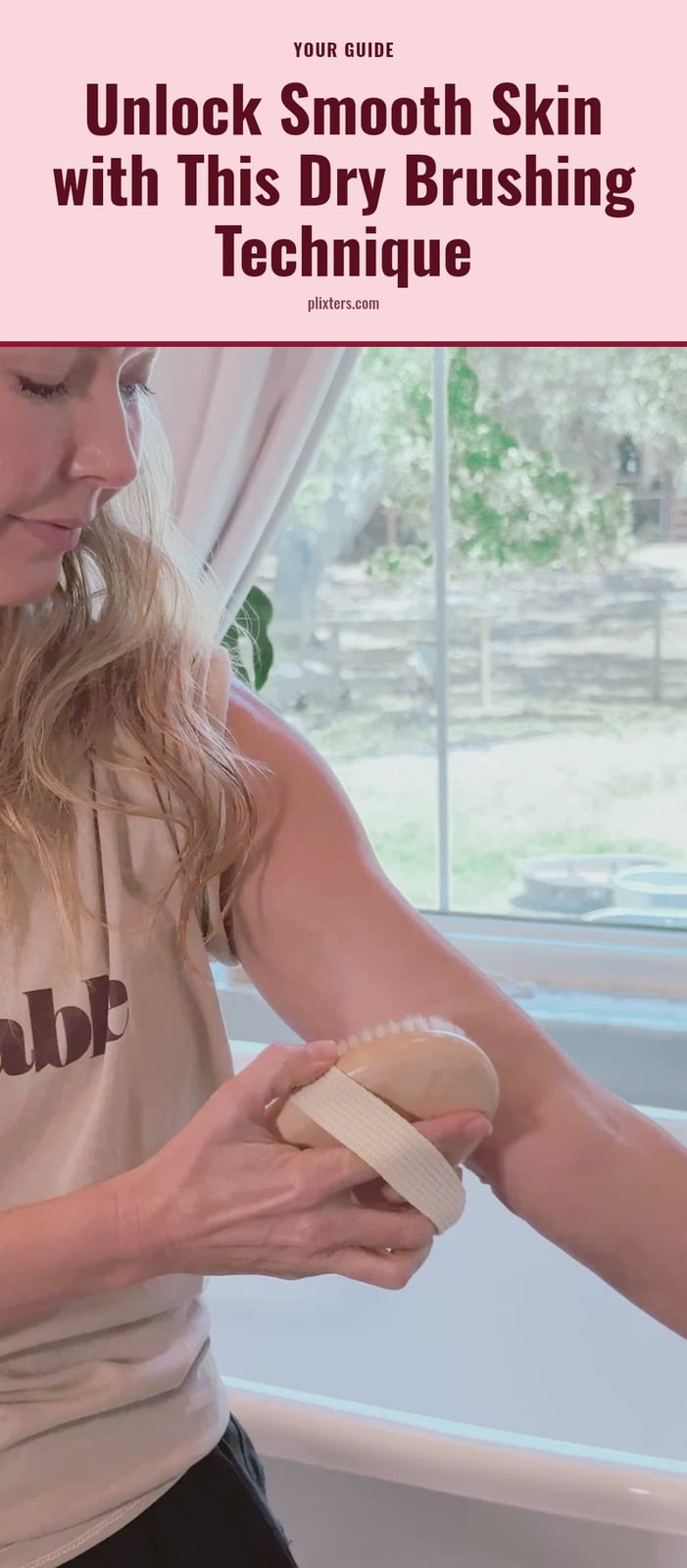
You might have heard about dry brushing and wondered if it really lives up to the hype for smoother skin. I’ve looked into this simple technique, and it’s a quick way to exfoliate and refresh your skin before a shower. This guide covers the step-by-step method, essential tools, and common mistakes to avoid so you can add it to your routine with confidence.
Key Takeaways
- Use a natural bristle brush on dry skin before showering for best results.
- Always brush in long, sweeping strokes toward your heart, starting from your feet.
- Apply gentle pressure to avoid irritation, and never brush over broken or sensitive skin.
- Moisturize thoroughly after your shower to maintain soft, hydrated skin.
- Clean your brush weekly with mild soap and water to prevent bacterial buildup.
9 ideas in this post
- What is Dry Brushing and Why Should You Try It?
- Essential Tools for Your Dry Brushing Routine
- Your Step-by-Step Guide to Effective Dry Brushing
- Common Dry Brushing Mistakes and How to Avoid Them
- Pro Tips for a Better Dry Brushing Experience
- How Long Does Dry Brushing Take and How Often?
- When to Consult a Professional About Dry Brushing
- Frequently Asked Questions
- Final Thoughts
What is Dry Brushing and Why Should You Try It?
Dry brushing is a physical exfoliation method where you use a stiff-bristled brush on dry skin before showering. The main goal is to remove dead skin cells, which leaves your skin feeling noticeably smoother and improves overall texture. Many people also believe it stimulates blood circulation, but scientific evidence for broader health benefits like detoxification or cellulite reduction is limited. My tip: focus on the exfoliation benefit first, and consider the circulatory effects a possible bonus.
Essential Tools for Your Dry Brushing Routine

A natural bristle body brush is the most important tool. Choose one with a long handle if you want to reach your back and shoulders easily. You will also need mild soap for cleaning the brush after each use. For your shower, pick a body wash you like. The final essential is a rich moisturizer, lotion, oil, or cream, to hydrate your skin immediately after drying off.
Your Step-by-Step Guide to Effective Dry Brushing

Start on dry skin: Do this before you step into the shower. Your skin should be completely dry and free of lotion or oil.
- Begin at your feet: Start with the soles and work your way up your legs, always moving toward your heart. Use long, sweeping strokes.
- Move to your arms and torso: Continue the same upward motion. On your arms, brush from your hands toward your shoulders. On your torso, brush from your hips toward your collarbone.
- Adjust pressure: Apply light to medium pressure. The bristles should feel stimulating, not painful. If it hurts, you are pressing too hard.
- Shower immediately: Step into the shower and wash off the loosened dead skin cells with your body wash.
- Moisturize thoroughly: Pat your skin dry and apply a rich moisturizer all over while your skin is still slightly damp. This locks in hydration.
Limit your session to 5-10 minutes. You can do this daily or a few times a week, depending on how your skin responds.
Common Dry Brushing Mistakes and How to Avoid Them
Brushing too hard: This is the most common mistake. It can cause skin irritation, redness, or even small abrasions. Use gentle pressure and let the bristles do the work.
- Brushing on wet skin: Wet skin is more fragile and the brush can drag or cause micro-tears. Always brush on dry skin before your shower.
- Not moisturizing after: Dry brushing removes dead cells, which can leave your skin temporarily more exposed. Skipping lotion can lead to dryness. Always follow with a rich moisturizer.
- Using a dirty brush: A brush that is not cleaned regularly can harbor bacteria and spread it across your skin. Wash your brush weekly with mild soap and water.
- Brushing over broken or sensitive skin: Avoid areas with cuts, rashes, sunburns, varicose veins, eczema, or psoriasis. Brushing over these can worsen the condition and cause pain.
Pro Tips for a Better Dry Brushing Experience
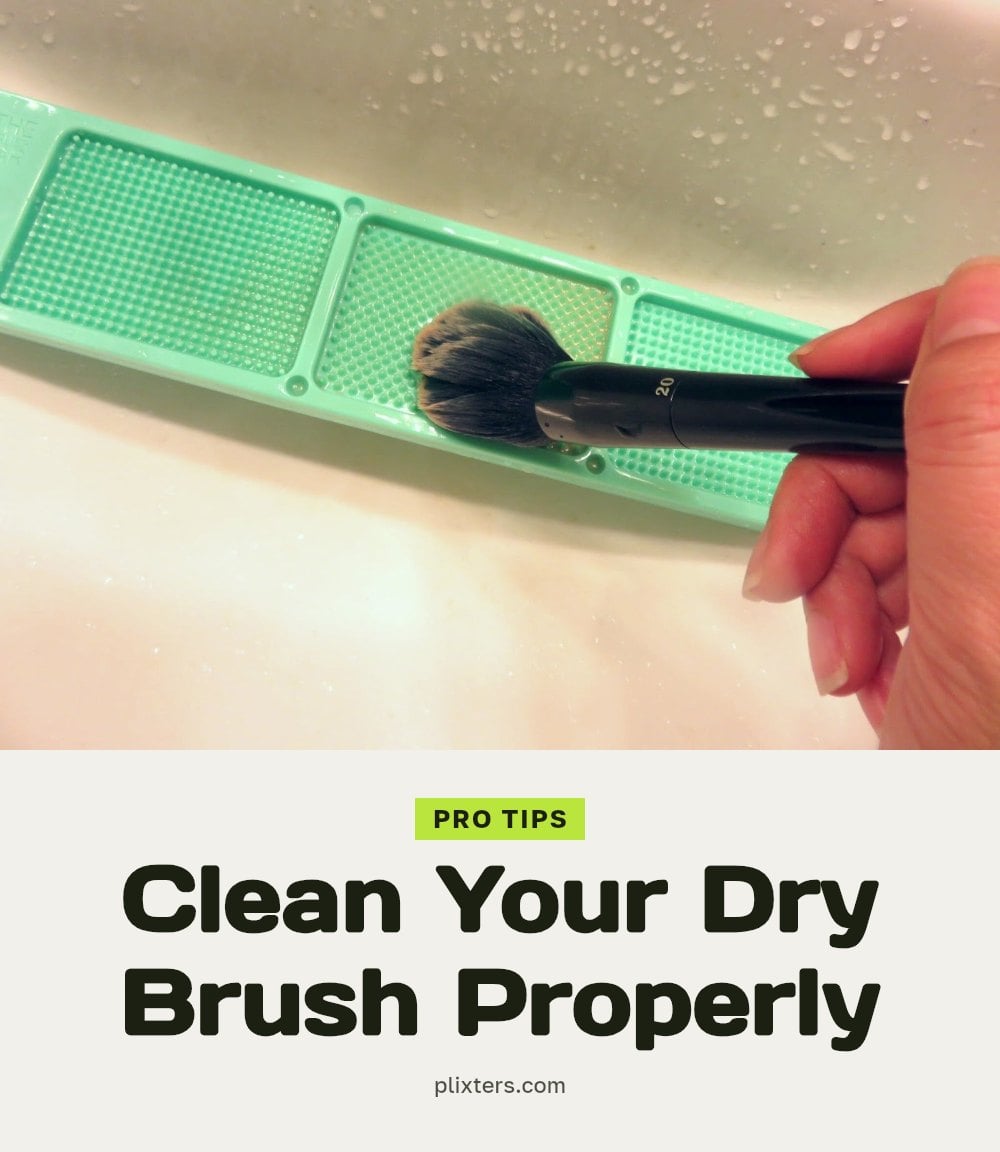
Choose a brush with natural bristles, not synthetic ones. Natural bristles are stiff enough to exfoliate but gentle on skin when used correctly. Clean your brush weekly with mild soap and warm water to prevent bacteria from building up, then let it air dry bristle-side down.
A long-handled brush makes reaching your back and shoulders much easier without twisting. Listen to your skin: if it feels uncomfortable or looks red, reduce pressure or skip a session. My tip: integrate dry brushing into your routine by doing it for 5-10 minutes a few times a week. Consistency matters more than intensity.
How Long Does Dry Brushing Take and How Often?
A typical dry brushing session takes 5-10 minutes, making it easy to fit into your morning or evening routine. You can brush daily or a few times a week, depending on how your skin responds. Most people notice smoother skin texture after just a few sessions.
The main cost is the brush itself. A quality natural bristle brush is a one-time purchase that ranges from affordable to mid-range, and it lasts for months with proper care.
When to Consult a Professional About Dry Brushing
Stop dry brushing immediately if you feel pain, see excessive redness, or notice skin breakage. Avoid brushing over varicose veins, eczema, psoriasis, or any open wounds. If you have very sensitive skin or a pre-existing skin condition, consult a dermatologist before starting. If irritation continues after you stop, seek medical advice.
Frequently Asked Questions
Can dry brushing help with cellulite?
Some people believe dry brushing can reduce the appearance of cellulite by stimulating circulation and lymphatic drainage. However, there is limited scientific evidence to support this claim. It may temporarily improve skin texture, but it is not a proven treatment for cellulite.
Is dry brushing safe for sensitive skin?
Dry brushing may not be suitable for very sensitive skin or conditions like eczema or psoriasis. If you have sensitive skin, start with very light pressure and test a small area first. Consult a dermatologist before beginning if you have any concerns about your skin.
What kind of brush should I use for dry brushing?
Choose a brush with natural, stiff bristles rather than synthetic ones. Natural bristles provide effective exfoliation while being gentle on the skin when used correctly. A brush with a long handle can help you reach your back and shoulders easily.
Do I need to clean my dry brush?
Yes, cleaning your brush is important to prevent bacteria from building up. Wash it weekly with mild soap and warm water, then let it air dry with the bristles facing down. This keeps your brush hygienic and safe for repeated use.
What is dry brushing?
Dry brushing is a physical exfoliation technique where you use a stiff-bristled brush on dry skin before showering. Its main goal is to remove dead skin cells, which leaves your skin feeling smoother and improving overall texture. Many also believe it stimulates circulation.
Final Thoughts
For a realistic start, try dry brushing two to three times a week and see how your skin responds. You can expect smoother texture after just a few sessions, but don’t expect dramatic changes in cellulite or detoxification. My tip: keep it gentle and consistent, and always follow with a good moisturizer. That’s the simple secret to making dry brushing work for you.
This information is for general informational purposes only and does not constitute medical or professional advice. Results can vary based on individual skin type and health conditions. If you have a persistent skin concern or a pre-existing condition, please consult a dermatologist or healthcare professional before starting dry brushing.