 Save
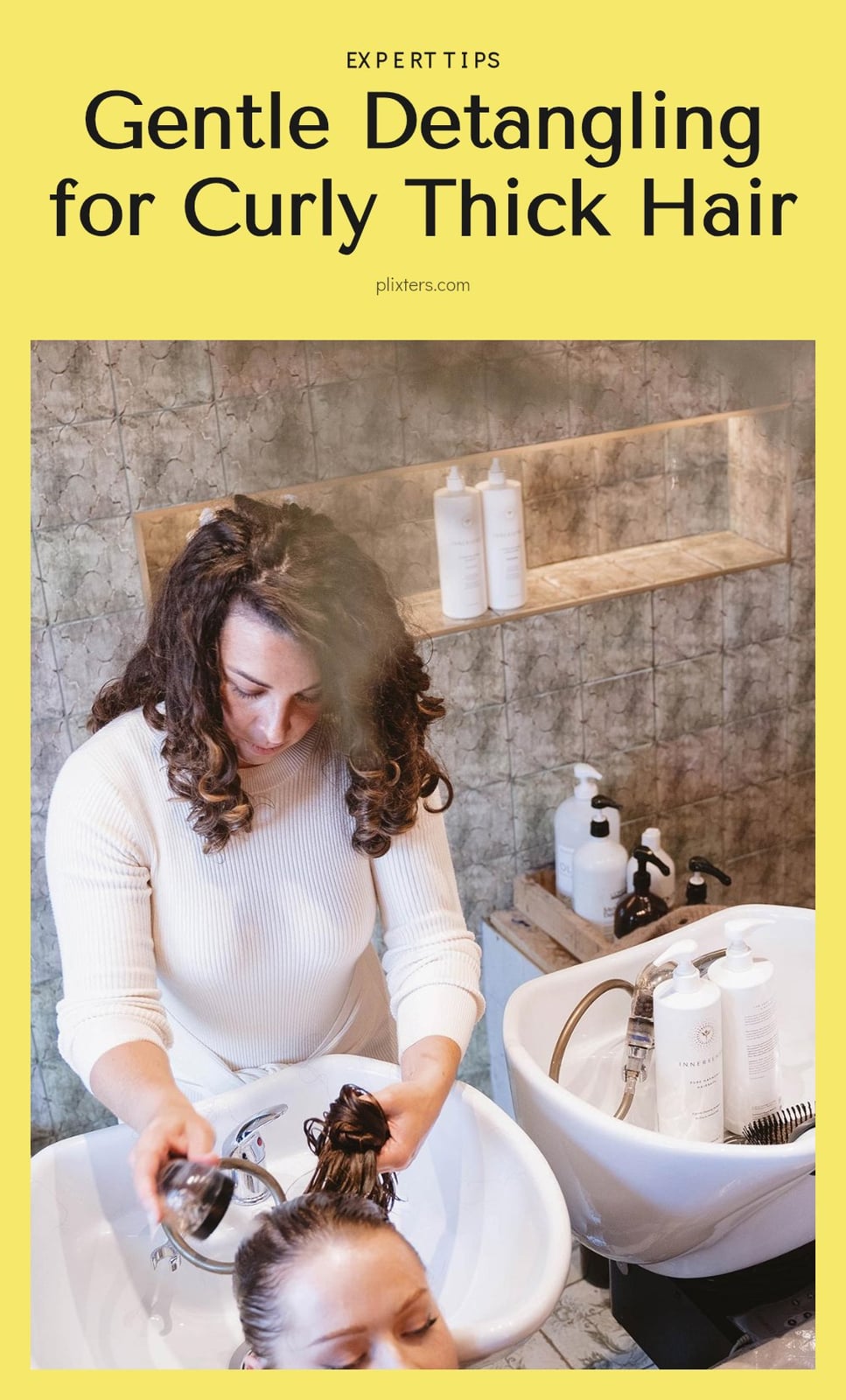
If you have curly or thick hair, you know the struggle of dealing with knots and tangles that seem to appear out of nowhere. The good news is that detangling doesn’t have to be painful or damaging. The secret lies in a few simple rules: always work with wet or damp hair, load up on conditioner, and use the right technique. In this article, I’ll walk you through the best methods and tools to make detangling a breeze, so you can keep your curls healthy and your scalp happy.
Key Takeaways
- Always detangle wet or damp hair with conditioner for slip and elasticity.
- Section your hair into 4 to 8 parts to make detangling manageable.
- Start from the ends and work up to roots to avoid pushing tangles.
- Use fingers first, then a wide-tooth comb or detangling brush.
- Sleep on satin or silk and braid hair to prevent overnight tangles.
15 ideas in this post
- The Secret to Pain-Free Detangling
- 1. Always Detangle Wet or Damp Hair
- 2. Load Up on Conditioner
- 3. Section Your Hair
- 4. Start from the Ends, Work Up
- 5. Use Your Fingers First
- 6. Choose the Right Tools
- 7. Be Patient and Gentle
- 8. Apply Gentle Tension
- 9. Detangle Regularly
- 10. Consider a Leave-In Conditioner
- 11. Protect Hair While Sleeping
- Common Detangling Mistakes to Avoid
- Frequently Asked Questions
- Final Thoughts
The Secret to Pain-Free Detangling
Detangling curly and thick hair without pain comes down to three rules: wet or damp hair, plenty of product, and the right technique. Water gives your strands the slip they need to stretch instead of snap. Saturate your hair with conditioner or a detangling product before you start. Always begin at the ends and work upward, using your fingers or a wide-tooth comb to release knots gently. That approach keeps breakage to a minimum and makes the process bearable.
1. Always Detangle Wet or Damp Hair
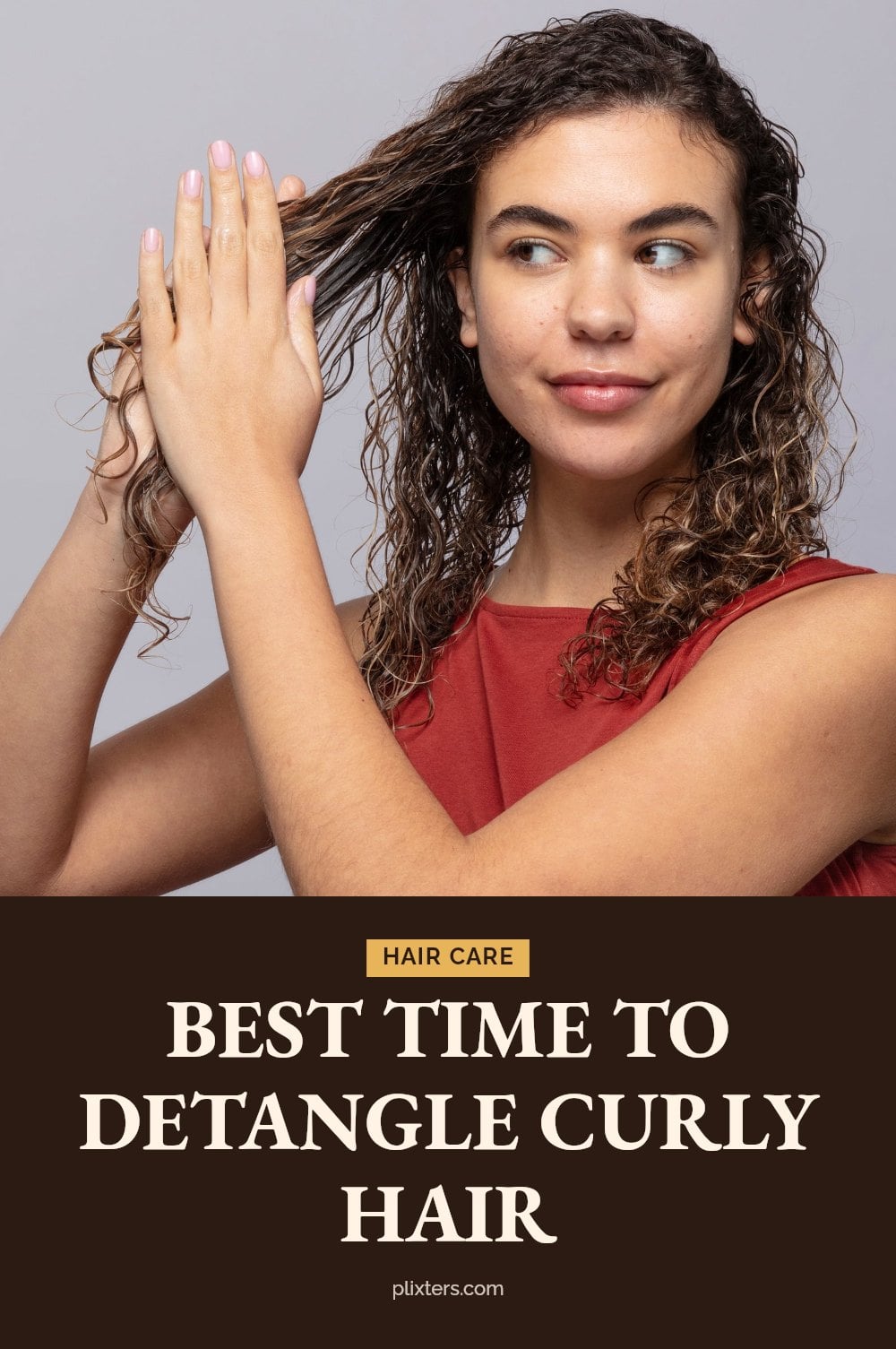
Never try to detangle dry curly or thick hair. It is a recipe for breakage and pain. Water provides lubrication and elasticity, making each strand more pliable and less likely to snap under tension.
- Detangle in the shower while your conditioner is still in your hair
- Keep a spray bottle of water handy if your hair starts to dry out mid-process
- Rewet any section that feels dry before you work through it
2. Load Up on Conditioner
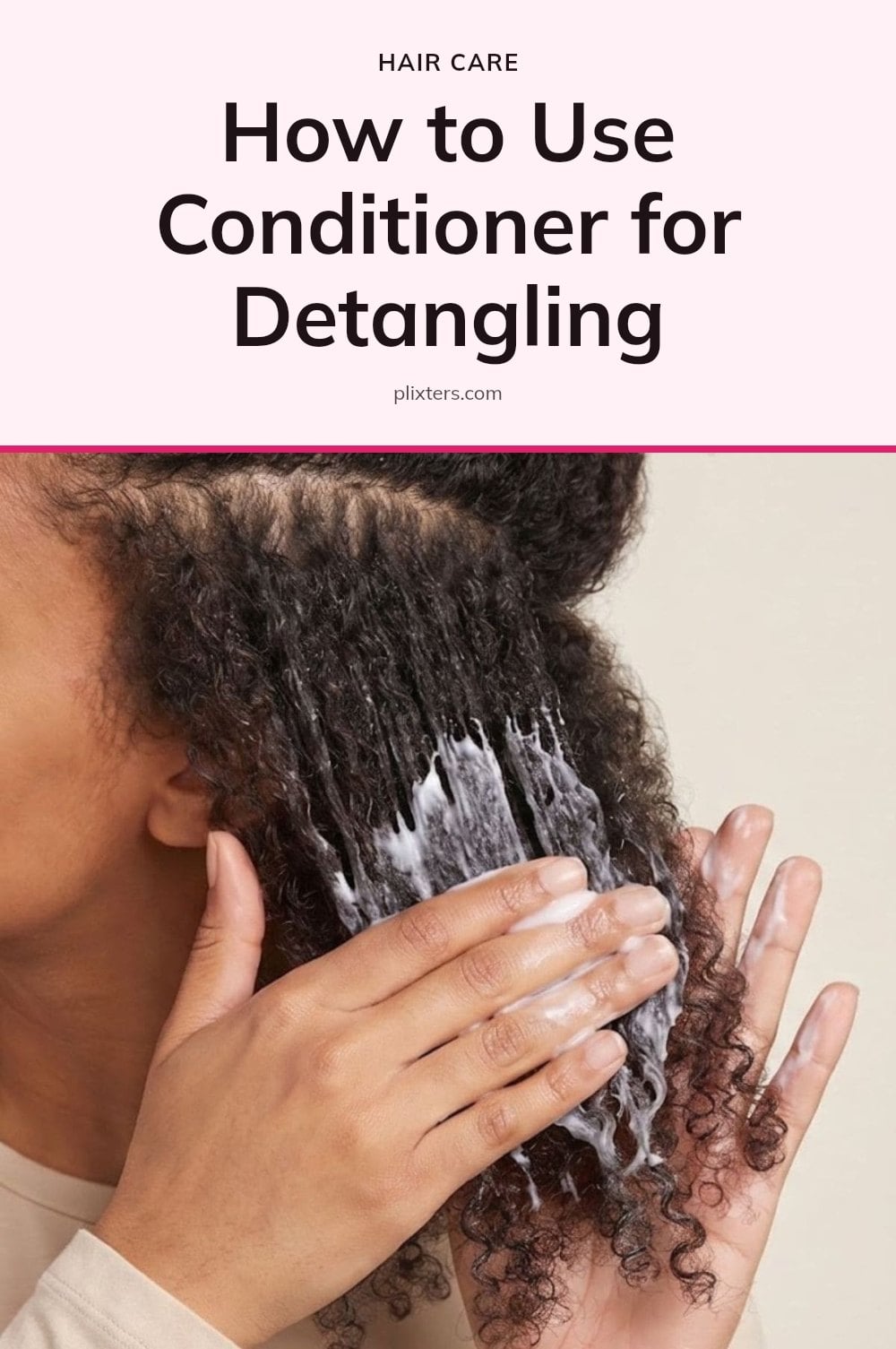
Don’t be shy with your conditioner or detangling product. A generous amount is key. It creates slip, allowing your fingers or comb to glide through knots instead of catching on them. Skimping always means more pulling and more pain.
- Look for products labeled for detangling or curly hair
- These formulas typically contain extra smoothing agents for better slip
- Apply enough that your hair feels slick, not just damp
3. Section Your Hair
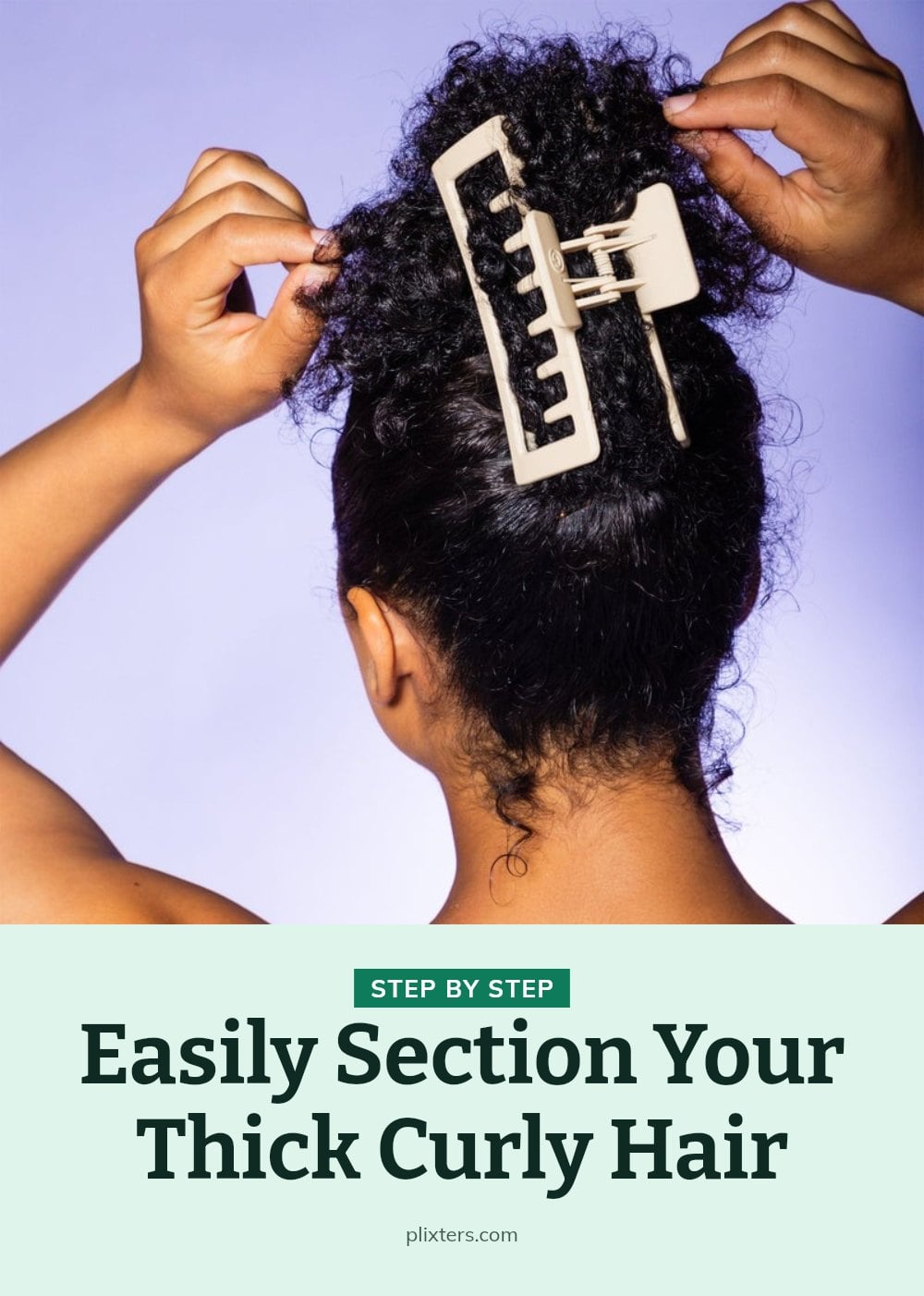
Trying to tackle your whole head at once is overwhelming and inefficient. My tip: section it out. Divide your hair into 4 to 8 smaller sections using clips or hair ties. This makes the process less daunting and ensures every tangle gets attention rather than being skipped or pulled through roughly.
- Work on one section at a time
- Keep the rest clipped away so they stay damp and conditioned
- Smaller sections also let you see and feel each knot clearly
4. Start from the Ends, Work Up
Start from the ends: This is the golden rule of detangling. Always begin at the very tips of your hair, where tangles are smallest. Gently work your way up toward the roots in small increments, releasing knots as you go. Starting at the roots pushes tangles downward, making them tighter and harder to remove.
5. Use Your Fingers First
Use your fingers first: For curly hair, my fingers are often my best detangling tool. They let you gently separate strands and preserve natural curl clumps. You can feel each knot and work it out without the harsh pulling that combs or brushes can cause.
6. Choose the Right Tools
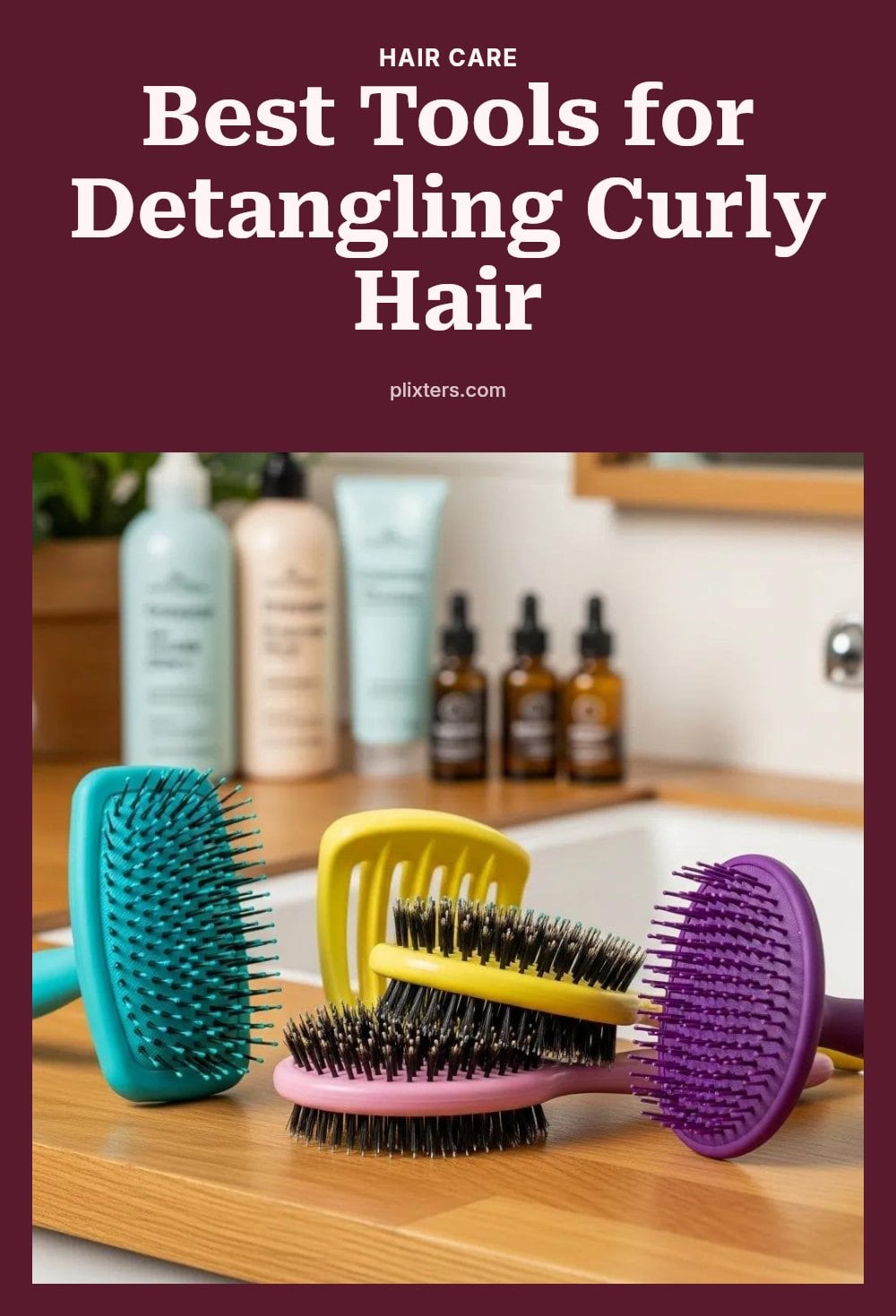
Choose the right tools: After finger detangling, or if your hair is very thick, a wide-tooth comb or a detangling brush is your friend. My tip: look for brushes designed for curly or thick hair, like a Tangle Teezer or Wet Brush. These tools glide through hair with minimal snagging and breakage.
7. Be Patient and Gentle
Be patient and gentle: Detangling is not a race. Take your time with each section and each knot. Aggressive pulling leads to breakage, split ends, and scalp irritation. If you hit a stubborn tangle, add more conditioner and gently work it out rather than forcing it.
8. Apply Gentle Tension
Hold above the knot: When you hit a tangle, grip the section of hair just above it with one hand. This anchors the strand so pulling happens on the knot, not your scalp. It isolates the tangle, letting you work it loose with less discomfort and less risk of breakage.
9. Detangle Regularly
Make detangling a regular habit. Consistent sessions stop small knots from turning into massive, stubborn tangles. For most curly hair types, that means every wash day, once a week or every few days. The more often you do it, the quicker and less painful each session gets.
10. Consider a Leave-In Conditioner
After you rinse out your conditioner, apply a leave-in conditioner while your hair is still damp. It adds an extra layer of slip and moisture that keeps strands flexible and less likely to tangle again. A good leave-in also seals the cuticle, which reduces frizz and prevents new knots from forming between washes.
- How to apply: Work a quarter-sized amount through each section from mid-length to ends.
- Result: Future detangling sessions go faster because your hair stays hydrated and smooth.
11. Protect Hair While Sleeping
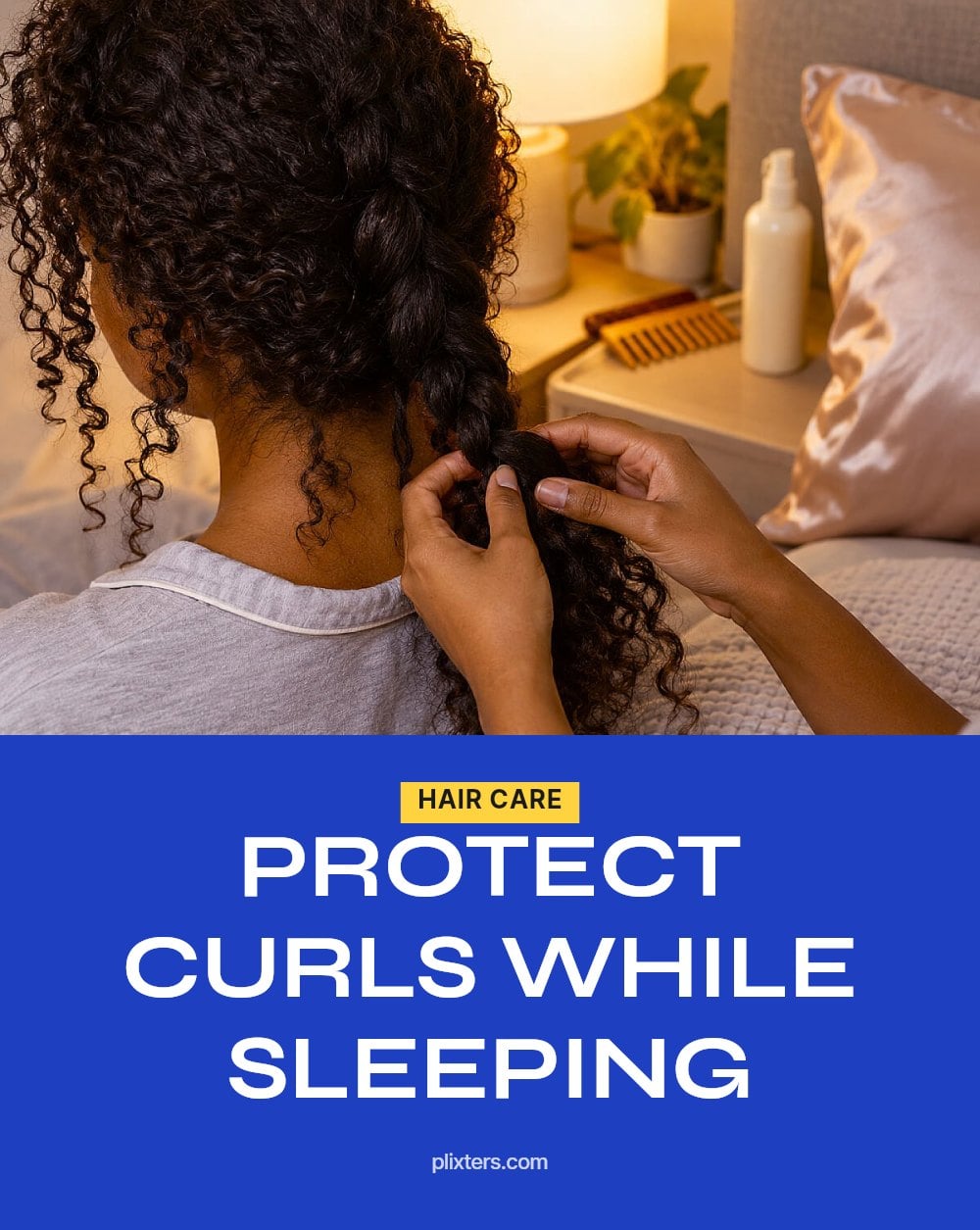
My tip: Prevent overnight tangles by sleeping on a satin or silk pillowcase. These materials create less friction than cotton, so your hair moves without knotting. Loosely braiding or twisting your hair before bed also keeps strands contained and tangle-free by morning.
Common Detangling Mistakes to Avoid
Detangling Dry Hair: This is a major no-no for curly and thick hair, leading to breakage. Always wet your hair and add product first. Starting from the Roots: Combing from the top down pushes tangles together, making them worse. Always start at the ends. Using the Wrong Tools: Fine-tooth combs or harsh brushes can rip through hair. Stick to wide-tooth combs or detangling brushes. Not Enough Product: Skimping on conditioner or detangling spray means more friction and more pain. Be generous. Being Impatient: Forcing a comb through knots will cause damage. Take your time and be gentle.
Frequently Asked Questions
How often should I detangle my curly hair?
Detangle as often as needed, typically on wash days. For most curly hair types, that means once a week or every few days, depending on your hair’s texture and routine. Regular detangling prevents small knots from turning into larger, more stubborn tangles, so consistency is key.
Can I detangle my hair with just my fingers?
Yes, fingers can be very effective for curly hair. They allow you to gently separate strands and preserve curl clumps without the harsh pulling that combs or brushes can cause. Start with fingers, especially on wet, conditioned hair, and follow with a wide-tooth comb if needed.
What if my hair is still tangled after conditioning?
If you hit a stubborn tangle after conditioning, add more conditioner or a detangling product to that section. Hold the hair just above the knot to anchor it, then gently work the tangle loose with your fingers or a wide-tooth comb. Patience is crucial; never force the comb through.
Does detangling cause hair loss?
Excessive pulling during detangling can cause hair breakage and, over time, may lead to hair loss. However, when done gently and correctly, detangling helps remove shed hairs and prevents matting. If you experience significant pain or cannot detangle your hair, consult a professional stylist.
What’s the best detangling brush for thick hair?
For thick hair, look for a detangling brush designed for curly or thick textures, such as a Tangle Teezer or Wet Brush. These brushes have flexible bristles that glide through knots with less pulling. Always use them on wet, conditioned hair, starting from the ends and working up.
Final Thoughts
My recommendation: make detangling a regular part of your wash day routine, and always keep a wide-tooth comb or your fingers as your go-to tools. Expect that with consistent care, your detangling sessions will become quicker and less painful over time. Remember, patience and gentleness are your best allies. By following these tips, you’ll keep your curls defined, reduce breakage, and enjoy a pain-free experience every time.