
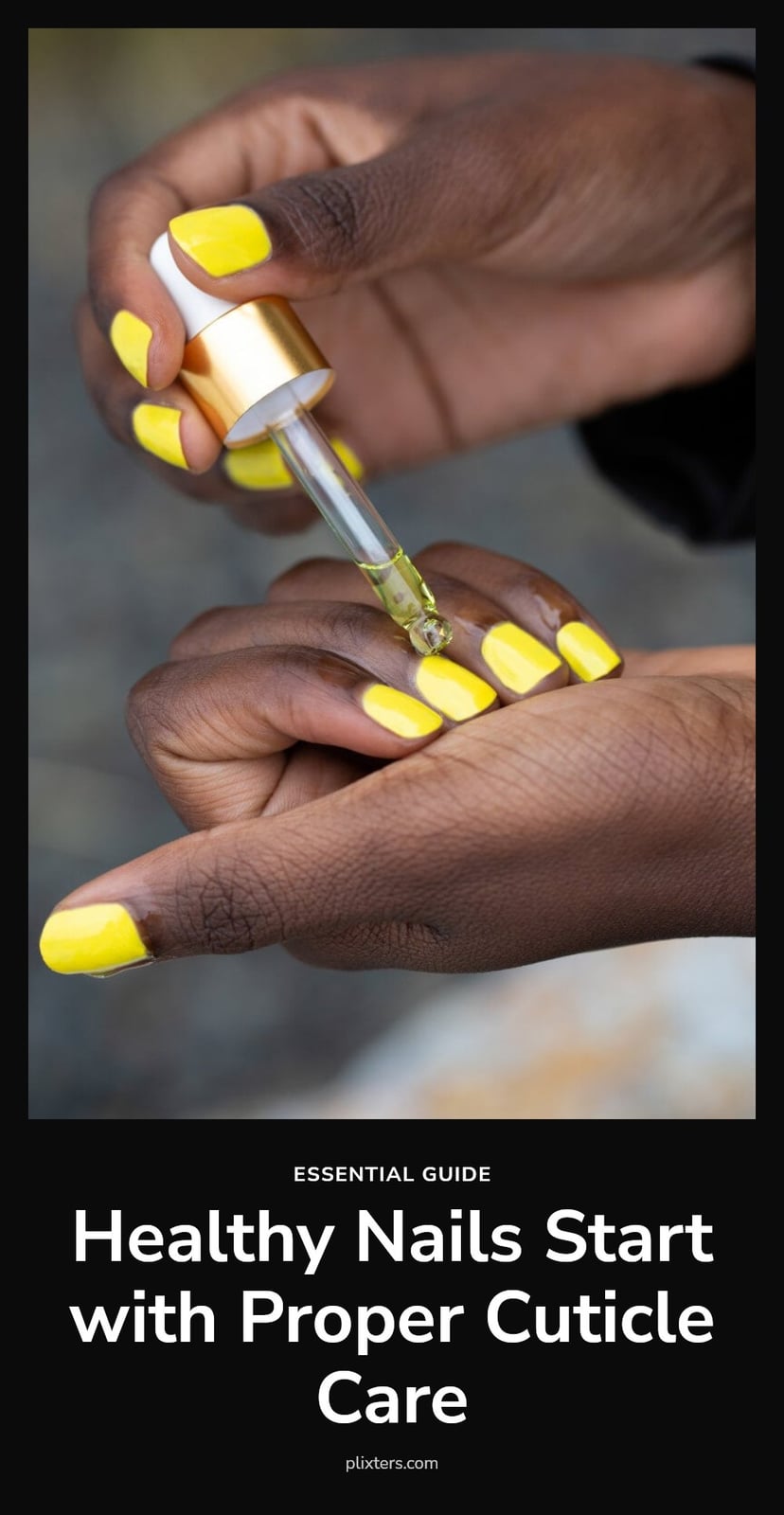
 Save
If your nails always look a bit ragged or feel dry around the edges, it might be time to rethink how you treat your cuticles. That thin strip of skin at the base of each nail is actually your first line of defense against bacteria and infection, so proper care is about keeping it healthy, not removing it. This article walks you through the do’s and don’ts of cuticle care, from daily moisturizing to safe trimming techniques, so you can maintain strong, attractive nails.
Key Takeaways
- Moisturize cuticles daily with cuticle oil or rich hand cream.
- Soften cuticles with warm water before gently pushing them back.
- Never cut cuticles; trim only hangnails with clean nippers.
- Wear gloves during household chores to protect cuticles from harsh chemicals.
- See a doctor if you notice redness, swelling, or pus around the cuticle.
15 ideas in this post
- Understanding Your Cuticles for Healthier Nails
- 1. Moisturize Daily with Cuticle Oil
- 2. Soften Before Pushing Back
- 3. Use the Right Tools Gently
- 4. Push Back, Don’t Cut Cuticles
- 5. Trim Hangnails Carefully
- 6. Protect Your Hands from Harsh Chemicals
- 7. Avoid Picking or Biting
- 8. Sanitize Your Tools
- 9. Be Wary of Cuticle Removers
- 10. Stay Hydrated and Eat Well
- 11. Be Patient and Consistent
- When to See a Doctor for Cuticle Issues
- Frequently Asked Questions
- Final Thoughts
Understanding Your Cuticles for Healthier Nails
Your cuticles are a protective seal of dead skin cells at the base of your nail plate. This barrier is crucial for preventing bacteria and fungi from entering the nail matrix. Proper care focuses on gentle hydration and maintenance, not aggressive removal, to keep this barrier intact and promote overall nail health. Healthy cuticles contribute to stronger, more attractive nails by safeguarding the nail matrix from infection.
1. Moisturize Daily with Cuticle Oil
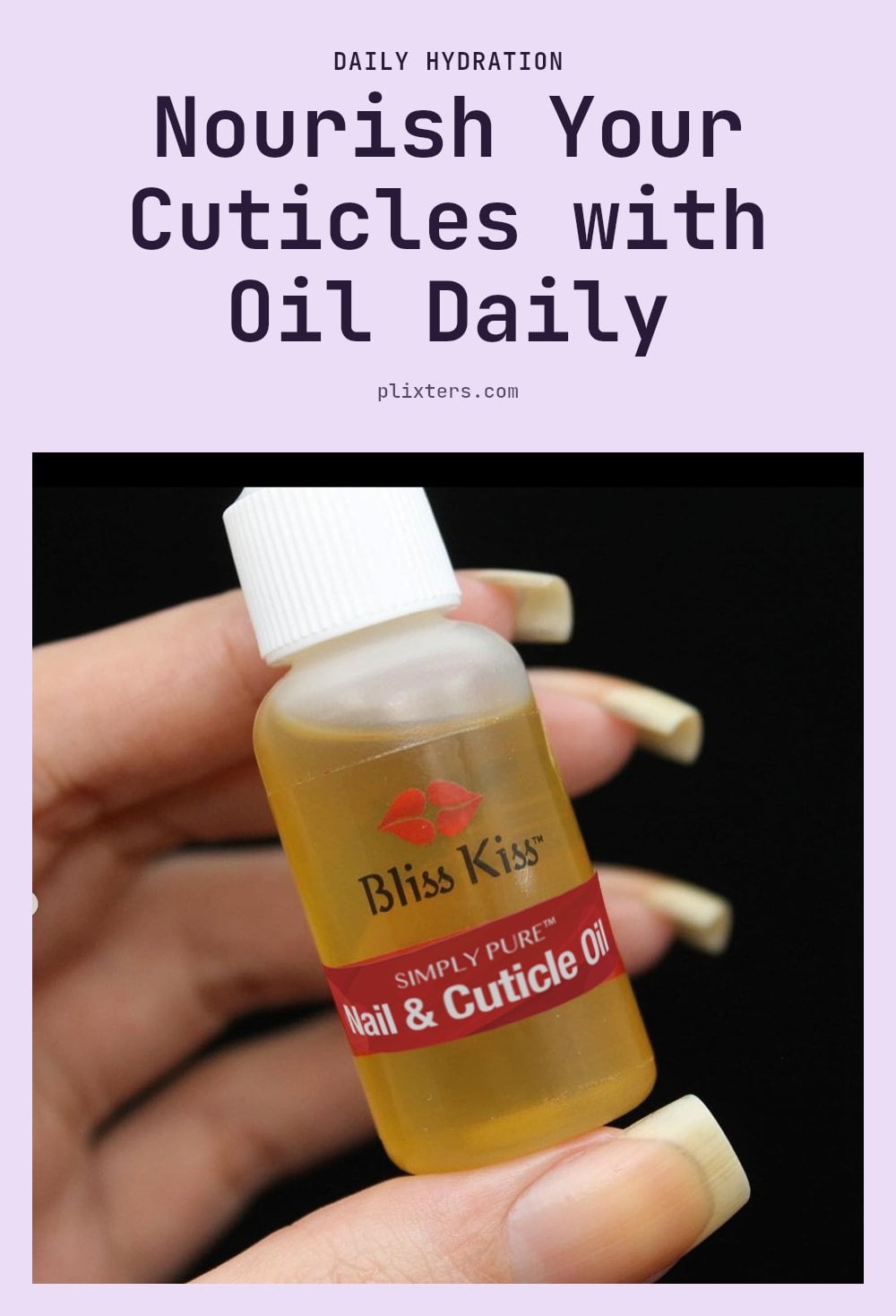
Keeping your cuticles consistently moisturized is the single most important step to prevent them from becoming dry, cracked, or ragged. My tip: Use a dedicated cuticle oil or a rich hand cream at least once a day, ideally before bed, to keep them soft and pliable. This daily hydration helps maintain the protective seal and improves the overall health and appearance of your nails.
2. Soften Before Pushing Back
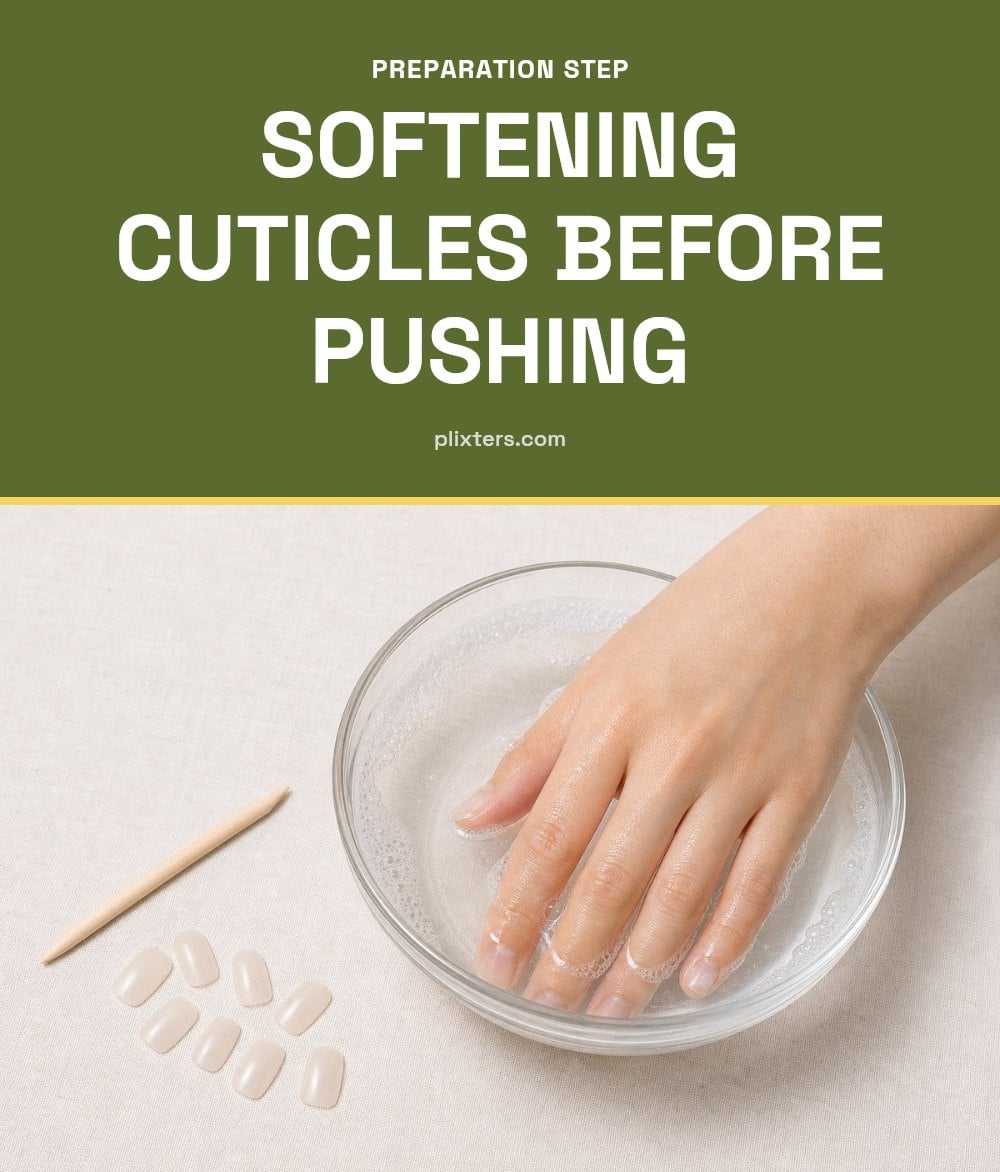
Before attempting to push back your cuticles, always soften them first to prevent damage. My tip: The best time is right after a shower or bath, when your cuticles are naturally soft. Alternatively, soak your nails in warm, soapy water for a few minutes to achieve the same effect.
3. Use the Right Tools Gently
When pushing back cuticles, the right tool makes all the difference. Tip: Always use a soft, blunt tool like a rubber-tipped cuticle pusher or an orange wood stick. Avoid metal tools with sharp edges, as these can easily damage the delicate nail matrix and increase the risk of injury or infection. Gentleness is key; you should never feel pain or discomfort.
4. Push Back, Don’t Cut Cuticles
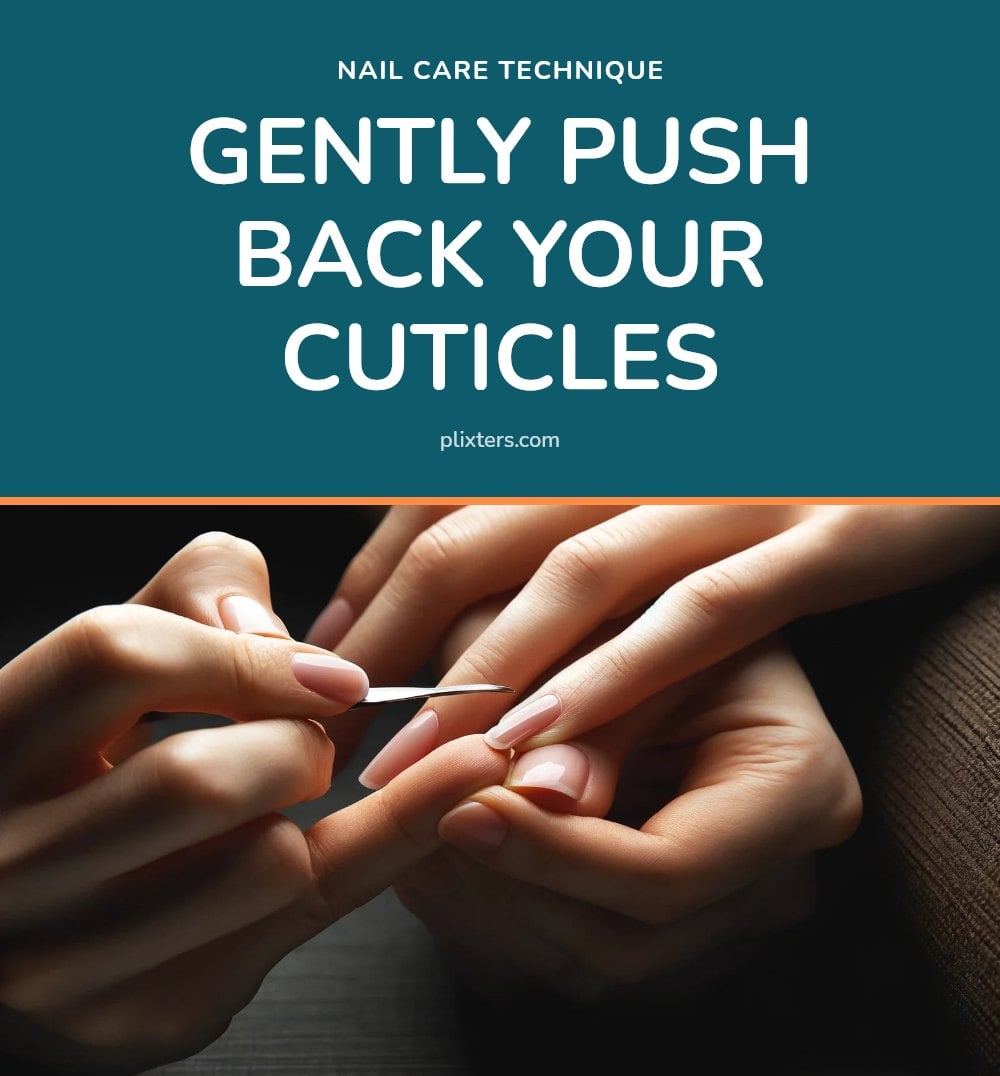
This is the rule that matters most: never cut your cuticles. Cutting breaks the protective seal at the base of your nail, leaving the nail matrix open to bacteria and fungi. That can lead to painful infections like paronychia, which may require medical treatment.
Aggressive cutting also backfires cosmetically. Over time, it can cause thicker, tougher cuticle regrowth, making your nails look worse, not better.
Good to know: Gentle pushing back after softening is all you need for a neat, clean look. If you feel the urge to trim, step away and moisturize instead.
5. Trim Hangnails Carefully

Hangnails are often mistaken for cuticles, but they are actually pieces of skin that tear away from the side of the nail. They are not part of the protective seal, so trimming them is safe and often necessary.
Pro move: Trim hangnails carefully with clean, sharp cuticle nippers. Snip only the loose piece, close to the base, without pulling.
Never pull or rip a hangnail. That can tear live tissue, cause bleeding, and open the door to infection. If a hangnail is too short to snip, leave it and moisturize until it softens.
6. Protect Your Hands from Harsh Chemicals

Harsh chemicals are a fast track to dry, cracked cuticles. Cleaning products, dish soap, and even some nail polish removers strip the natural oils from your skin, weakening that protective barrier.
Quick tip: Wear gloves for household chores, washing dishes, or any work with chemicals. A simple pair of rubber gloves makes a measurable difference in how your cuticles feel by the end of the week.
For polish removal, choose acetone-free formulas. They are gentler on the cuticle area and less likely to cause that tight, brittle feeling after use.
7. Avoid Picking or Biting
Picking or biting your cuticles is a common habit, but it causes real damage. It tears the protective skin, introduces bacteria, and can lead to redness, swelling, and painful infections around the nail.
The more you pick, the more uneven the skin becomes, which creates new edges to pick at. It is a cycle worth breaking.
Tip: Keep your hands busy with a stress ball or fidget toy, or apply a bitter-tasting nail polish to deter the habit. Moisturizing regularly also reduces the dry edges that tempt you to pick in the first place.
8. Sanitize Your Tools
Your cuticle pushers and nippers need the same hygiene as your makeup brushes. Dirty tools transfer bacteria and fungi straight to the nail area, which raises your risk of infection.
Good to know: Wipe your tools with rubbing alcohol before and after every use. Store them in a dry place, and replace any that show rust or damage.
9. Be Wary of Cuticle Removers
Cuticle removers often rely on harsh chemicals to dissolve dead skin, and those same chemicals can irritate live tissue if left on too long. Overuse or improper application can leave your cuticles red and sore.
Caution: If you do use one, follow the instructions exactly and rinse thoroughly. For most people, gentle softening and pushing back is enough and much safer.
10. Stay Hydrated and Eat Well
Your cuticles are skin, so they reflect what you eat and drink. Dehydration and a nutrient-poor diet show up as dry, brittle nails and ragged cuticles.
Drink enough water throughout the day and eat a balanced diet with plenty of vitamins and minerals to support nail growth.
Pro move: Focus on foods rich in biotin, vitamin E, and omega-3 fatty acids. These nutrients help build stronger nails and more resilient cuticles over time.
11. Be Patient and Consistent
Cuticle health does not change overnight. It takes weeks of steady care to repair damage and keep the protective seal strong.
Quick tip: Stick to a daily moisturizing routine and push back gently once or twice a week after softening. Within a few weeks, you should notice smoother, healthier-looking cuticles.
When to See a Doctor for Cuticle Issues
Most cuticle issues resolve with consistent home care, but some signs mean it’s time to call a professional. Tip: if you notice persistent redness, swelling, pus, increased pain, or warmth around the cuticle area, those are classic warning signs of an infection called paronychia. Don’t wait for it to get worse. A doctor or dermatologist can diagnose the issue and prescribe the right treatment, especially if your cuticle problems don’t improve after a few weeks of proper moisturizing and gentle care. Seeking help early prevents complications and protects your nail health.
Frequently Asked Questions
What is the difference between cuticles and eponychium?
The cuticle is a layer of dead skin cells that forms a protective seal at the base of the nail plate. The eponychium is the live tissue just above the cuticle, visible as the skin fold at the nail base. You should never cut the eponychium, as it is living tissue and cutting it can cause pain and infection.
Can I use regular lotion instead of cuticle oil?
Yes, regular hand cream or lotion can help moisturize cuticles, especially if applied consistently. However, cuticle oil is often more effective because it penetrates the skin barrier better and contains ingredients that specifically target dryness around the nail. For best results, use a dedicated cuticle oil at least once a day.
How often should I push back my cuticles?
You should push back your cuticles gently only once or twice a week, and always after softening them with warm water or right after a shower. Doing it more often can irritate the skin and damage the protective seal. Daily moisturizing is fine, but pushing back should be a weekly or bi-weekly habit.
Why do my cuticles keep cracking?
Cracking cuticles are usually a sign of dryness and lack of moisture. Harsh soaps, frequent hand washing, cold weather, and exposure to chemicals can strip natural oils from the skin. Daily moisturizing with cuticle oil or hand cream, and wearing gloves during chores, should help prevent cracking over time.
Does cutting cuticles make them grow back thicker?
Yes, cutting cuticles can lead to thicker, tougher regrowth as the skin tries to repair the damage. More importantly, cutting breaks the protective seal at the nail base, increasing the risk of infection. It is always safer to push cuticles back gently rather than cutting them.
Final Thoughts
Stick with a simple routine: moisturize daily, push back gently once or twice a week after softening, and never cut the cuticle itself. With consistent care, you should see healthier-looking nails within a few weeks. Your cuticles are worth protecting, so treat them with the gentle respect they deserve.
This article is for general informational purposes only and does not constitute medical or professional advice. If you have persistent redness, swelling, pain, or signs of infection around your cuticles, please consult a dermatologist or healthcare provider for proper diagnosis and treatment.




