 Save
If you are tired of breakouts and uneven texture, you are not alone. The truth is that clear skin does not come from a single miracle product, but from a consistent routine that works with your skin type. This article walks you through the essential steps, from gentle cleansing to targeted treatments and lifestyle habits, so you can build a plan that really works.
Key Takeaways
- Cleanse your face gently twice a day to remove dirt, oil, and makeup.
- Exfoliate 2-3 times a week to prevent clogged pores, but avoid over-exfoliating.
- Use a non-comedogenic moisturizer daily, even if you have oily skin.
- Apply broad-spectrum sunscreen with at least SPF 30 every morning.
- Change your pillowcase at least once a week to reduce bacteria buildup.
9 ideas in this post
How to Get Clear Skin: The Foundation
Achieving clear skin starts with a consistent, gentle routine that works for your skin type, not a single miracle product. Focus on three core steps: cleansing to remove impurities, targeted treatments for your specific concerns, and hydration to protect your skin barrier. Patience is key, noticeable improvements often take 4-6 weeks, with full results appearing after 2-3 months of daily practice.
Your Essential Clear Skin Toolkit
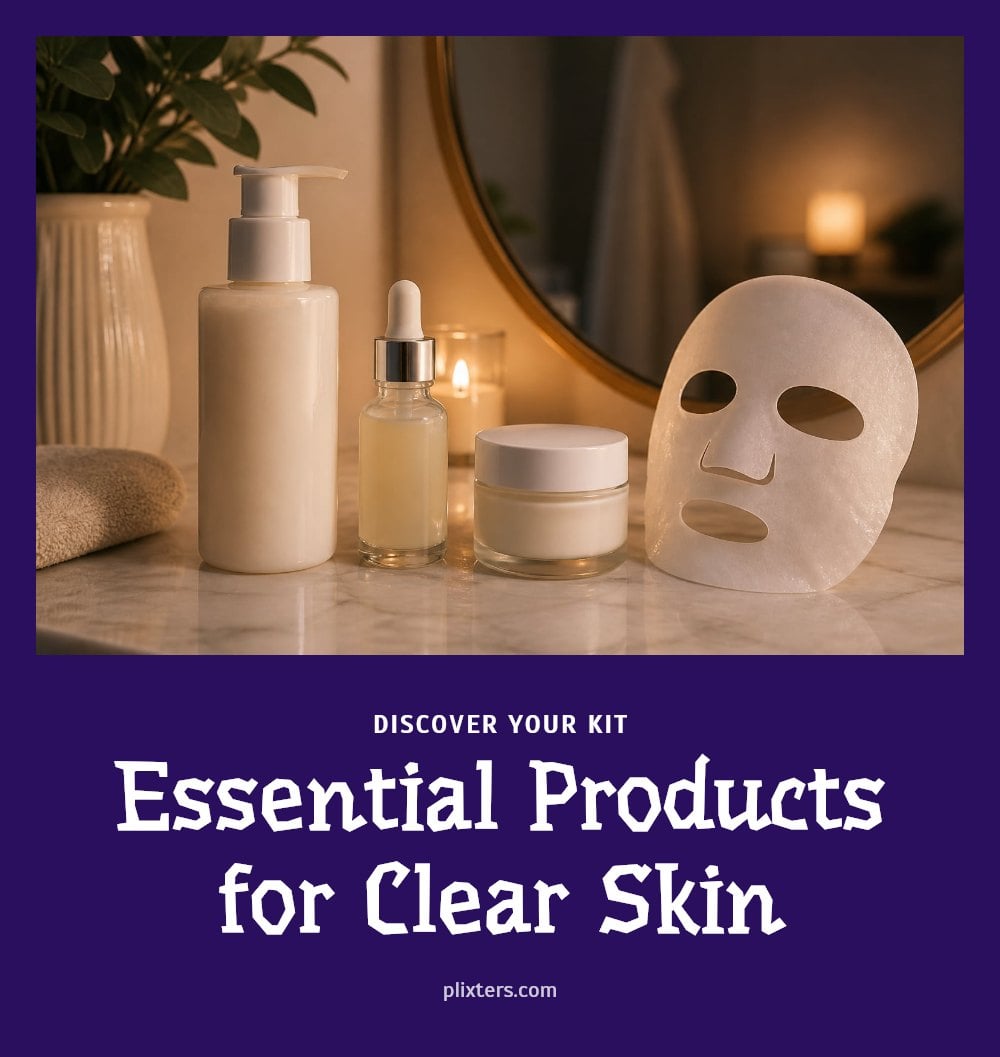
Building a clear skin routine starts with a few essential tools. Each one plays a specific role in keeping breakouts at bay.
- Gentle cleanser: Removes dirt, oil, and makeup without stripping your skin’s natural moisture.
- Non-comedogenic moisturizer: Hydrates all skin types, including oily skin, without clogging pores.
- Broad-spectrum sunscreen (SPF 30+): Protects daily from UV damage that can worsen hyperpigmentation and inflammation.
- Targeted treatments: Options like salicylic acid, benzoyl peroxide, or retinoids address specific concerns such as acne or texture.
- Clean pillowcases and makeup remover: Reduce bacteria and oil buildup, and ensure you never sleep with makeup on.
Your Step-by-Step Clear Skin Routine

Patch test first: Before you start any new product, apply a small amount to a discreet area like your inner arm or behind your ear. Wait 24 hours to check for redness, itching, or burning. This step prevents a full-face reaction to an ingredient your skin doesn’t tolerate.
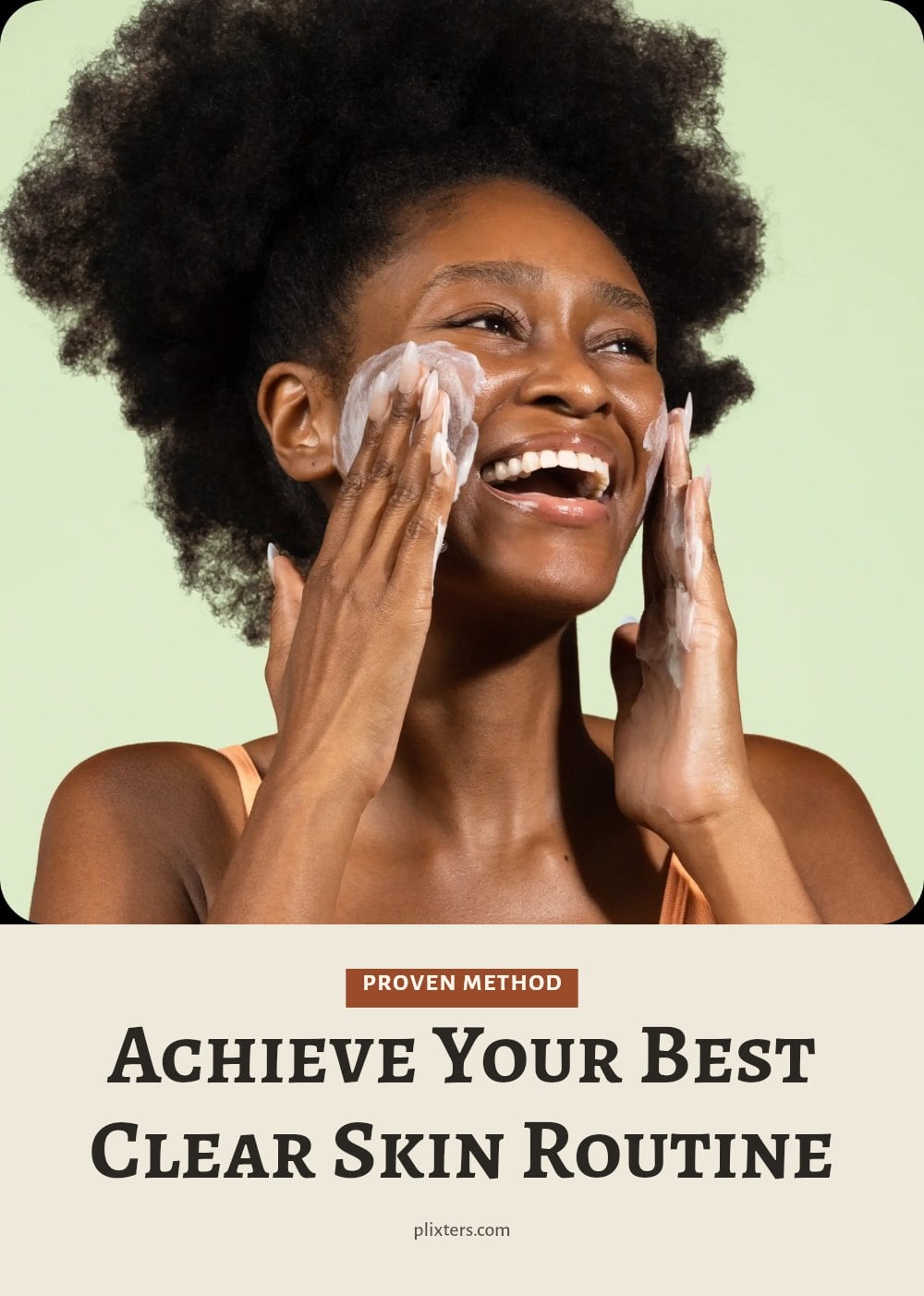
- Cleanse morning and night: Use a gentle cleanser to remove dirt, oil, and makeup that can clog pores. In the evening, double-cleanse if you wear sunscreen or makeup: start with an oil-based remover, then follow with your regular cleanser. Rinse with lukewarm water, not hot.
- Apply targeted treatments after cleansing: Once your skin is clean and slightly damp, apply your chosen active ingredient, such as salicylic acid, benzoyl peroxide, or a retinoid. Focus on problem areas like the T-zone or chin. Tip: Start with every other night if you are new to actives to let your skin adjust.
- Moisturize to protect your barrier: Even oily skin needs hydration. A non-comedogenic moisturizer locks in moisture and prevents your skin from overproducing oil to compensate. Apply it after your treatment has absorbed for a minute or two.
- Finish with sunscreen every morning: Broad-spectrum SPF 30 or higher protects against UV damage that can worsen hyperpigmentation and inflammation. This step is non-negotiable, especially when using active ingredients that increase sun sensitivity. Apply it as the last step in your morning routine.
Stick with this order for at least four to six weeks before evaluating results. Consistency matters more than switching products frequently.
Targeted Treatments for Specific Concerns

Different skin concerns respond to different active ingredients. Here is how the most common ones work and who they suit best.
Salicylic acid (BHA)
This ingredient penetrates oil to exfoliate inside the pores, making it effective for oily and acne-prone skin. It helps clear blackheads and whiteheads.
Benzoyl peroxide
Benzoyl peroxide kills acne-causing bacteria on the skin’s surface. It works well for inflammatory breakouts like pustules and cysts.
Retinoids (retinol, adapalene)
Retinoids speed up cell turnover, which helps prevent new breakouts and improves skin texture over time. They can cause dryness and peeling when first introduced.
Caution: Introduce any new treatment slowly, once or twice a week at first, to avoid irritation. Always pair with sunscreen, as these ingredients increase sun sensitivity. My tip: consult a dermatologist for prescription-strength options, especially if you have persistent or severe acne.
- Salicylic acid (BHA): Best for oily, acne-prone skin; exfoliates inside pores.
- Benzoyl peroxide: Targets acne-causing bacteria; good for inflammatory breakouts.
- Retinoids: Promote cell turnover; prevent breakouts and improve texture.
Common Clear Skin Mistakes to Avoid
Picking or popping pimples: This can push bacteria deeper into the skin, leading to more inflammation, scarring, and a longer healing time. Leave breakouts alone and let them resolve naturally.
Over-exfoliating: Exfoliating more than 2-3 times a week can strip the skin’s protective barrier, causing redness, irritation, and increased sensitivity. Stick to a gentle schedule.
Skipping moisturizer: Even oily skin needs hydration. Without it, your skin may produce extra oil to compensate, which can clog pores. Use a non-comedogenic moisturizer daily.
Not using sunscreen: Active ingredients like retinoids and acids make your skin more sensitive to UV damage. Skipping SPF can worsen hyperpigmentation and inflammation. Apply broad-spectrum SPF 30+ every morning.
Expecting immediate results: Skin needs time to adjust and renew itself. Consistent use for 4-6 weeks is typically needed to see noticeable improvement. Patience pays off.
Lifestyle Habits for Healthier Skin

Change pillowcases weekly: Pillowcases collect oil, dirt, and bacteria from your skin and hair. A fresh one each week reduces the chance of those transferring back to your face overnight.
Avoid touching your face: Your hands carry bacteria and oils that can clog pores. Make a habit of keeping hands away from your face throughout the day.
Clean makeup brushes and cell phones: Brushes can harbor bacteria that cause breakouts. Wash them every 1-2 weeks. Cell phones press against your skin, so wipe them down regularly with an alcohol-free cleaner.
Stay hydrated and eat a balanced diet: Water supports overall skin function, and a diet rich in fruits, vegetables, and whole grains provides nutrients that may help skin health. No single food clears skin, but a balanced approach helps.
Manage stress: Stress can trigger hormonal changes that may worsen breakouts. Incorporate activities like walking, meditation, or hobbies to keep stress in check.
When to Consult a Dermatologist
A dermatologist can offer personalized advice and prescription treatments when over-the-counter options aren’t enough. You should consider a consultation if:
- Persistent or severe acne: If breakouts don’t improve after several months of consistent care, a professional can identify underlying causes.
- Painful, cystic breakouts: Deep, inflamed cysts often require prescription-strength treatments.
- Concern about scarring or hyperpigmentation: A dermatologist can recommend treatments to minimize marks and prevent further damage.
- Complicating skin conditions: Rosacea, eczema, or other conditions may need a tailored approach to avoid irritation.
- Pregnant or breastfeeding: Certain active ingredients, like retinoids and high-strength salicylic acid, are not safe during pregnancy or nursing. A doctor can advise on safe alternatives.
Frequently Asked Questions
How long does it take to see results from a new skincare routine?
Most people notice improvements within 4 to 6 weeks of consistent use, but full results can take 2 to 3 months or longer. Skin cell turnover and healing take time, so patience is essential. If you do not see any change after a few months, consider consulting a dermatologist.
Can diet really affect my skin?
A balanced diet, adequate hydration, and stress management may indirectly support skin health. Some people find that high-glycemic foods or dairy can trigger breakouts, but the connection varies from person to person. If you suspect a food link, try eliminating it for a few weeks and see what happens.
Is it okay to use multiple active ingredients at once?
Using too many active ingredients at once can lead to irritation, redness, and peeling. It is best to introduce new products one at a time and patch test each one first. If you want to combine ingredients, start slowly and watch how your skin reacts.
What does ‘non-comedogenic’ mean?
Non-comedogenic means the product is formulated not to clog pores. This is especially important for acne-prone skin because clogged pores can lead to blackheads and breakouts. Look for this label on moisturizers, sunscreens, and makeup to reduce the risk of new blemishes.
Should I moisturize if I have oily skin?
Yes, moisturizing is crucial even for oily skin. Skipping moisturizer can cause your skin to overproduce oil to compensate, which can worsen breakouts. Choose a lightweight, non-comedogenic moisturizer to keep your skin barrier healthy without feeling greasy.
Final Thoughts
Stick with your routine for at least 4 to 6 weeks before expecting noticeable improvements, and give it 2 to 3 months for full results. If you have persistent or severe acne, do not hesitate to see a dermatologist for personalized care. Consistency and patience are your best tools for clear, healthy skin.
This article is for general informational purposes only and does not constitute medical or professional advice. Individual skin needs vary, and you should consult a dermatologist or healthcare provider for persistent or severe skin concerns. Always patch test new products and follow product instructions carefully.