
 Save
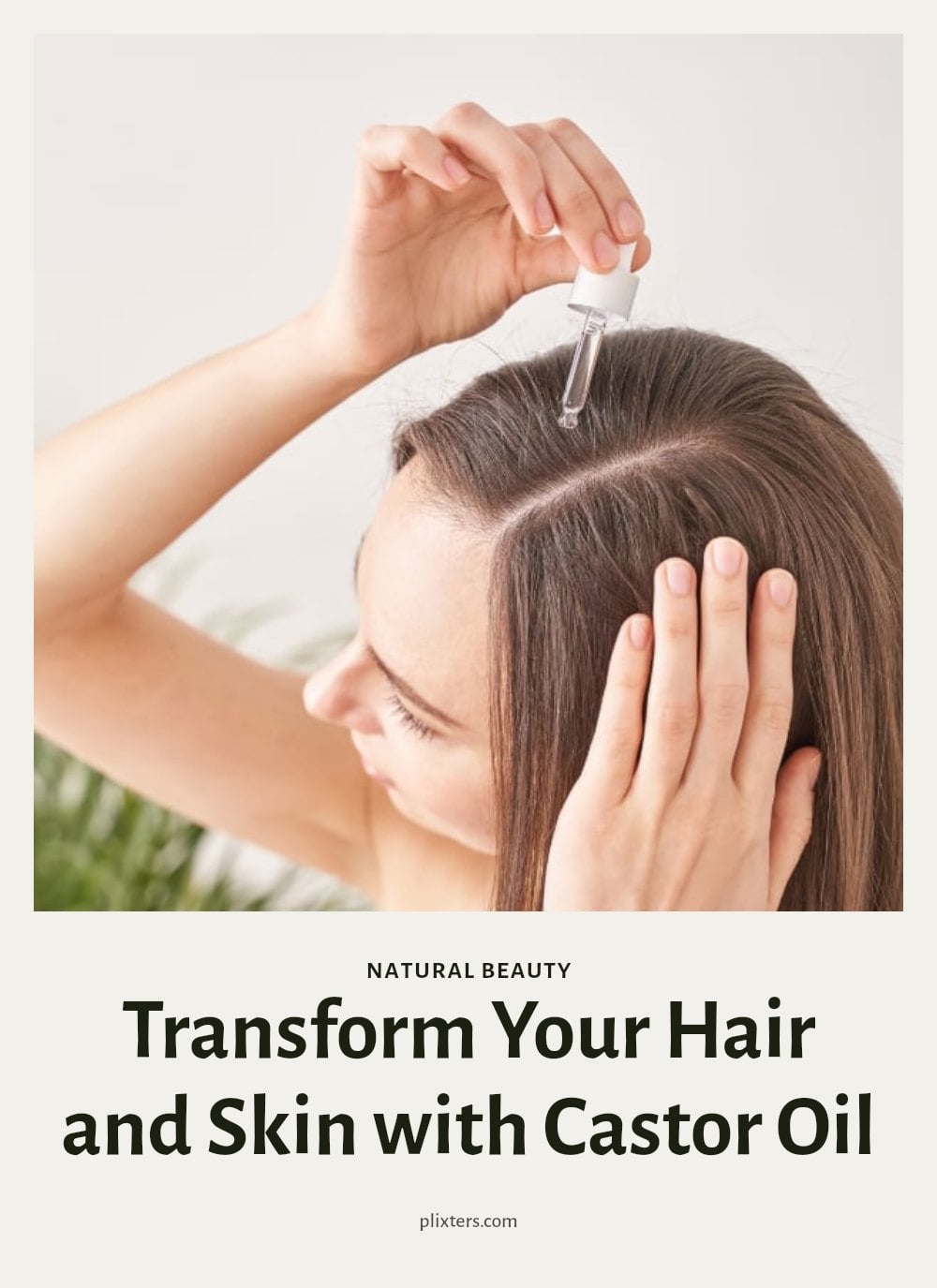
If you’ve been scrolling through beauty blogs or social media, you’ve likely seen castor oil popping up everywhere as a natural fix for hair growth and skin hydration. It’s a thick, plant-based oil with a loyal following, but knowing how to use it safely and effectively is key. In this article, I’ll walk you through the basics of applying castor oil to your hair, lashes, and skin, what to expect, and how to avoid common mistakes.
Key Takeaways
- Always patch test on your inner arm 24 to 48 hours before full use.
- Dilute castor oil with a lighter carrier oil like jojoba or almond.
- Use a clean mascara wand for precise lash and brow application.
- Apply sparingly to avoid greasy hair that’s hard to rinse.
- Consistent use for several weeks to months is needed for results.
9 ideas in this post
- What is Castor Oil and Why Is It So Popular?
- Essential Tools for Using Castor Oil at Home
- Step-by-Step: Applying Castor Oil to Hair and Skin
- Common Mistakes to Avoid When Using Castor Oil
- Expert Tips for Maximizing Your Castor Oil Routine
- What to Expect: Timeline and Cost for Castor Oil Use
- When to Consult a Professional About Hair or Skin Concerns
- Frequently Asked Questions
- Final Thoughts
What is Castor Oil and Why Is It So Popular?
Castor oil is a thick, plant-derived oil extracted from the seeds of the Ricinus communis plant. Its primary component, ricinoleic acid, makes up about 90% of its composition and is believed to have anti-inflammatory and antimicrobial properties. This oil has become a popular natural remedy for conditioning hair, supporting lash and brow thickness, and hydrating dry skin. Because it acts as a humectant, it draws moisture from the air into the skin and hair, which can help improve their appearance. However, always perform a patch test on a small area of skin before using it widely, as it may cause irritation or allergic reactions in some people.
Essential Tools for Using Castor Oil at Home

Before you start, gather these essentials to make application safe and effective:
- Cold-pressed or virgin castor oil: These are extracted without chemical solvents, offering higher purity.
- Lighter carrier oil: Jojoba, almond, or coconut oil help dilute the thick castor oil for easier spreading.
- Applicators: A clean mascara wand for lashes and brows, plus cotton swabs for precise spot application.
- Small bowl: For mixing your castor oil with a carrier oil in small batches.
Step-by-Step: Applying Castor Oil to Hair and Skin
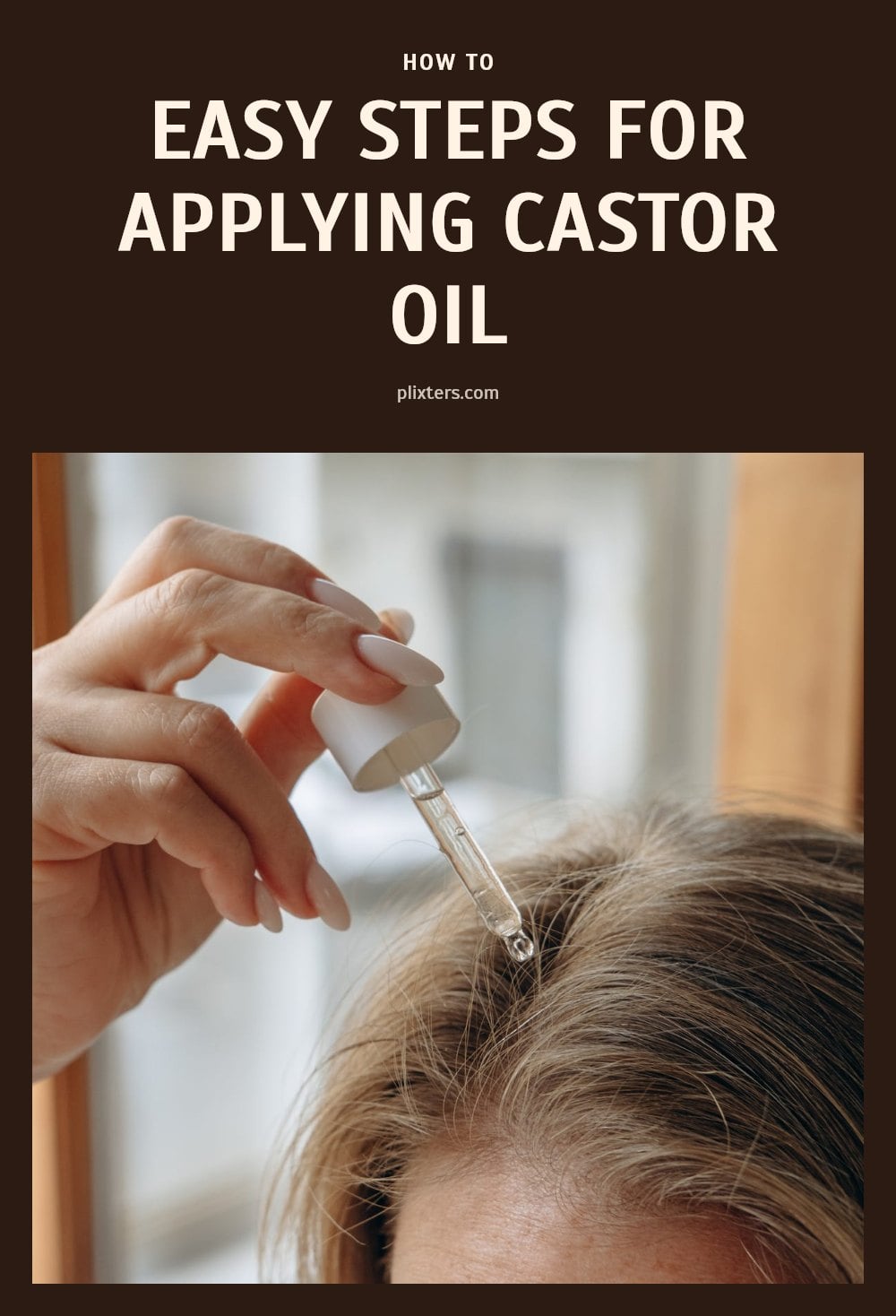
Follow these steps for a safe and effective castor oil routine at home.
- Patch test: Apply a small amount of diluted castor oil to your inner arm and wait 24-48 hours. If you notice redness, itching, or swelling, do not proceed with full application.
- Dilute the oil: Mix a few drops of castor oil with a larger amount of a lighter carrier oil like jojoba or almond oil. This makes it less sticky and easier to rinse out, especially from hair.
- Apply sparingly: Use a clean mascara wand for lashes and brows, or cotton swabs for targeted spots. For the scalp, part your hair and apply a few drops directly to the roots. Remember, a little goes a long way.
- Massage gently: Use your fingertips to massage the oil into your scalp or skin in circular motions for 2-3 minutes. This helps with absorption and stimulates circulation.
- Rinse thoroughly: Leave the oil on for at least 30 minutes or overnight, then wash it out completely with shampoo and warm water. Residual oil can make hair look greasy and attract dirt.
- Clean your tools: Wash your mascara wand and any bowls with warm soapy water after each use to prevent bacterial buildup.
Common Mistakes to Avoid When Using Castor Oil
Avoid these common pitfalls to get the most out of castor oil without frustration.
- Applying too much undiluted oil: The thick consistency can leave hair greasy and hard to wash out. Always dilute with a carrier oil and use sparingly.
- Skipping the patch test: This is a crucial step. Without it, you risk irritation or allergic reactions that could have been avoided.
- Expecting immediate results: Hair and lash growth takes time. Consistent use over several weeks to months is usually needed before you might notice any changes.
- Using it as a sole treatment: Castor oil can support hair and skin health, but it should not replace professional care for underlying conditions like eczema or psoriasis.
- Confusing topical use with oral ingestion: Never ingest castor oil for beauty purposes. Oral castor oil is a strong laxative and should only be used under medical supervision.
Expert Tips for Maximizing Your Castor Oil Routine

For the best quality, always choose cold-pressed or virgin castor oil. These are extracted without chemical solvents, so you get a purer product. Jamaican Black Castor Oil is another option worth trying; the roasted beans create a darker oil with a higher ash content that some people find more effective.
Mix a few drops of your castor oil with a lighter carrier oil, like jojoba or almond, for easier spreading. You can also add an essential oil such as lavender or rosemary for a pleasant scent and extra benefits. Apply the mixture at night so it has hours to absorb without interference from products or makeup. Protect your pillowcase with an old towel or a silk wrap, because castor oil can stain fabrics easily.
What to Expect: Timeline and Cost for Castor Oil Use
Don’t expect overnight changes. Consistent use for several weeks to a few months is usually needed before you might notice any difference in hair or lash thickness. Castor oil is generally affordable, and cold-pressed varieties cost only a bit more than standard ones. A small bottle goes a long way because you only need a few drops per application, making it a cost-effective addition to your routine.
When to Consult a Professional About Hair or Skin Concerns
Stop using castor oil and see a doctor if you develop persistent redness, itching, or swelling. If you have a skin condition like eczema or psoriasis and it worsens after application, get professional advice. For ongoing hair loss or skin issues that don’t improve with castor oil alone, a dermatologist can help identify the underlying cause. Pregnant or breastfeeding individuals should check with a healthcare provider before using castor oil, even topically, due to possible absorption.
Frequently Asked Questions
How long does it take to see results from castor oil?
Most people don’t see immediate changes. Consistent application over several weeks to a few months is usually needed before you might notice any difference in hair or lash thickness. Keep a routine and don’t expect overnight results.
Can castor oil cause hair loss?
Castor oil itself isn’t known to cause hair loss, but if you’re allergic or use too much, it could irritate your scalp and lead to breakage. Always patch test first and stop if you notice redness or itching. If hair loss continues, see a doctor.
Is Jamaican Black Castor Oil better than regular castor oil?
Jamaican Black Castor Oil is made from roasted beans, giving it a darker color and higher ash content. Some people believe it has enhanced properties, but there’s no strong scientific proof it’s better. It’s a personal preference, so try both and see which works for you.
Can I leave castor oil in my hair overnight?
Yes, you can leave it overnight, but use a small amount and cover your pillow to avoid stains. Since it’s thick, it may be hard to wash out in the morning. Many people prefer to apply a few hours before showering instead.
What are the best carrier oils to mix with castor oil?
Jojoba, almond, and coconut oils are popular choices because they’re lighter and help spread the thick castor oil more easily. Mix a few drops of castor oil with a larger amount of your chosen carrier oil for a comfortable application.
Final Thoughts
My tip: start with a small amount of cold-pressed castor oil mixed with a carrier oil, and apply it to your scalp or lashes a few times a week. Be patient, since noticeable changes typically take several weeks to a few months of consistent use. If you see any irritation or have an underlying skin condition, stop and talk to a professional before continuing.
This article is for general information only and is not medical or professional advice. Castor oil may not work for everyone, and results can vary. If you have a persistent scalp or skin issue, or if you’re pregnant or nursing, consult a doctor or dermatologist before use.




