 Save
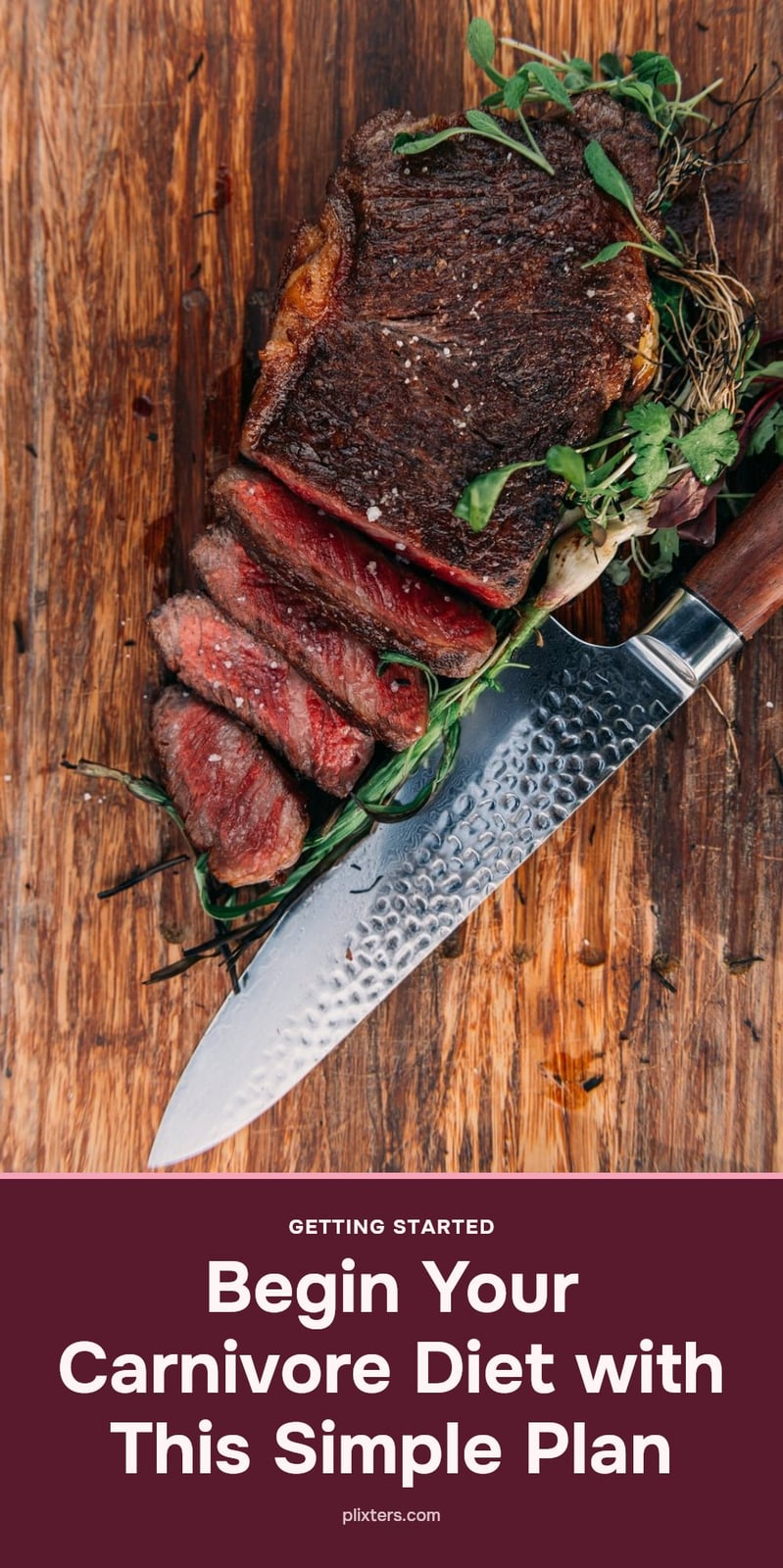
You have probably heard about the carnivore diet and wondered if it is something you could try. This article covers exactly what you can eat, how to start safely, and what to expect during the first few weeks.
I will walk you through the essential food list, a simple step-by-step plan, common mistakes to avoid, and when you must talk to a doctor before making this big change.
Key Takeaways
- Only animal products are allowed: meat, fish, eggs, and some dairy like butter.
- Consult a healthcare professional before starting, especially if you have a medical condition.
- Choose fatty cuts of meat to get enough energy and avoid hunger.
- Expect an adaptation phase lasting days to weeks with possible digestive changes.
- Stay hydrated and manage electrolytes to reduce headaches and fatigue.
10 ideas in this post
- What Exactly Is the Carnivore Diet?
- Your Essential Carnivore Diet Shopping List
- Step-by-Step: How to Start Your Carnivore Diet
- Common Mistakes to Avoid on the Carnivore Diet
- Top Tips for a Successful Carnivore Journey
- What to Expect: Timeline and Cost Considerations
- When to Consult Your Doctor About the Carnivore Diet
- Understanding the Risks and Benefits of This Extreme Diet
- Frequently Asked Questions
- Final Thoughts
What Exactly Is the Carnivore Diet?
The carnivore diet is an extremely restrictive eating plan that allows only animal products. This means you eat meat, fish, eggs, and certain dairy like butter, while strictly excluding all plant-based foods, including fruits, vegetables, grains, legumes, nuts, and seeds. Some proponents report weight loss or reduced inflammation, but the diet lacks essential nutrients found in plants and can pose health risks. Professional consultation is necessary before considering this approach.
Your Essential Carnivore Diet Shopping List

Your shopping list should focus on animal-based foods, with an emphasis on fatty cuts for energy. Here is what you need:
- Beef, pork, lamb: Choose fatty cuts like ribeye, pork belly, or lamb chops for sufficient calories.
- Poultry: Chicken and turkey add variety, but opt for thighs over breasts for more fat.
- Fish: Fatty options like salmon, mackerel, and sardines are ideal for omega-3s.
- Eggs: A versatile, nutrient-dense staple for any meal.
- Butter, lard, or tallow: Essential for cooking and boosting fat intake.
- Bone broth: Helps with hydration and electrolyte balance.
- Salt: Crucial for seasoning and maintaining electrolyte levels.
Step-by-Step: How to Start Your Carnivore Diet
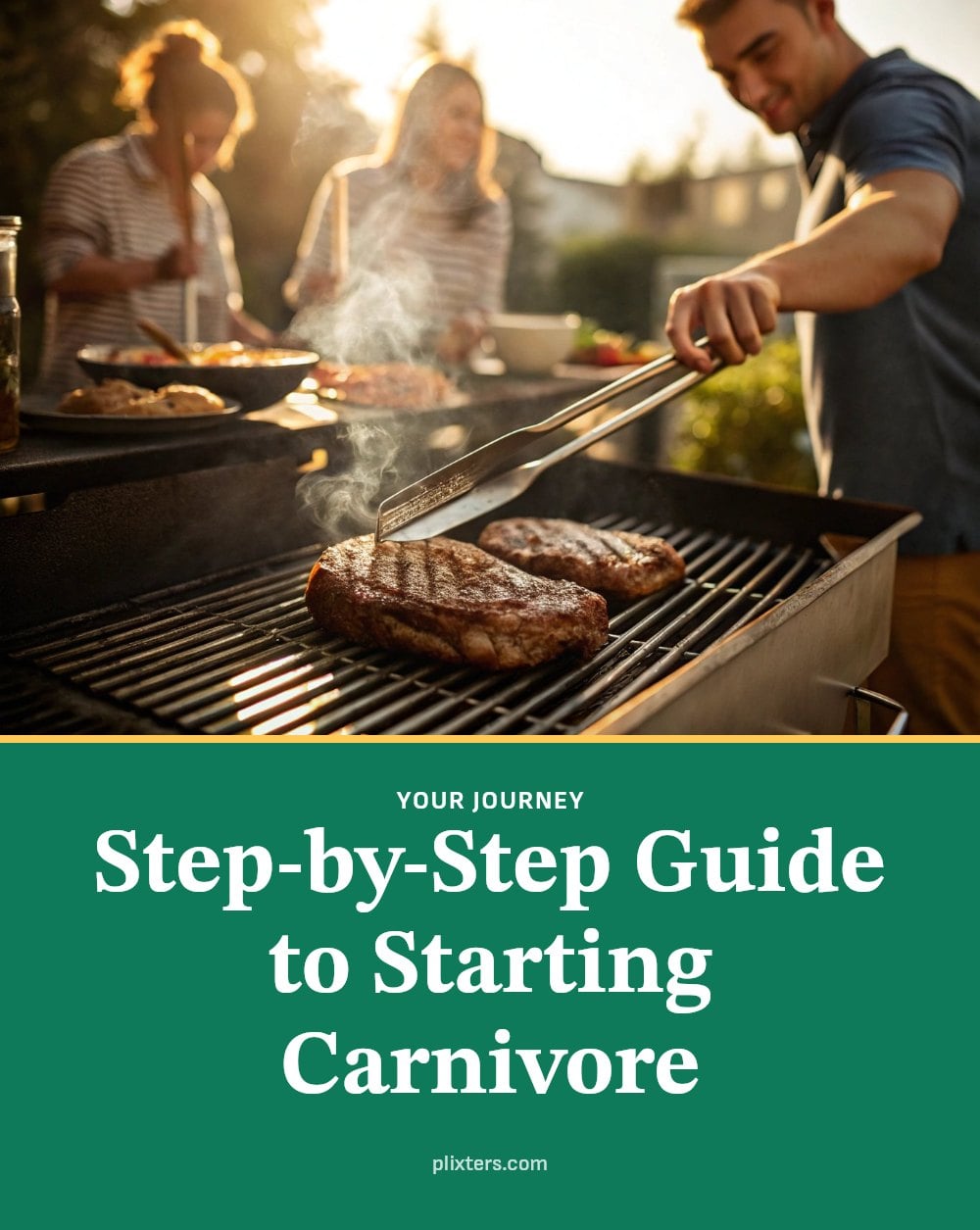
Starting the carnivore diet requires a careful approach. Here is how I recommend you begin:
- Consult a healthcare professional: Before you change your diet, talk to your doctor, especially if you have kidney disease, heart conditions, or are pregnant. This is non-negotiable.
- Eliminate all plant foods immediately: The carnivore diet strictly excludes fruits, vegetables, grains, legumes, nuts, and seeds. Start by removing every plant-based item from your meals from day one. If you prefer a gentler start, reduce plant intake over a few days, but the goal is to reach zero plant foods quickly.
- Prioritize fatty cuts: My tip: choose ribeye steaks, chicken thighs, and pork belly. Fat is your main energy source on this diet, so don’t skimp on it.
- Stay hydrated: Drink plenty of water. Coffee and tea are generally allowed, but keep them plain without milk, sugar, or plant-based creamers. Water should be your primary beverage.
- Monitor your body: Expect an adaptation period of a few days to weeks. You may experience digestive changes, fatigue, or headaches. Pay attention to signs of electrolyte imbalance like dizziness or muscle cramps. Adding salt to your food or drinking bone broth can help maintain balance.
- Stick to the list: Avoid all plant-based items, including fruits, vegetables, grains, legumes, nuts, and seeds. Even small amounts can break the strict rules of the diet.
Common Mistakes to Avoid on the Carnivore Diet
Avoid these common pitfalls to stay on track:
- Not enough fat: Lean meats will leave you hungry and low on energy. Always choose fatty cuts or add butter or tallow.
- Skipping hydration and electrolytes: Ignoring water and salt can cause headaches and fatigue. Drink enough and season your food well.
- No medical check: Starting without a doctor’s approval is risky, especially if you have underlying health issues.
- Expecting instant results: Your body needs an adaptation period. Do not expect weight loss or improved symptoms in the first few days.
- Accidental plant intake: Check labels on processed meats or seasonings. Some contain sugars or plant additives.
- Assuming it is for everyone: This diet is not suitable for all individuals or for indefinite periods without medical monitoring.
Top Tips for a Successful Carnivore Journey
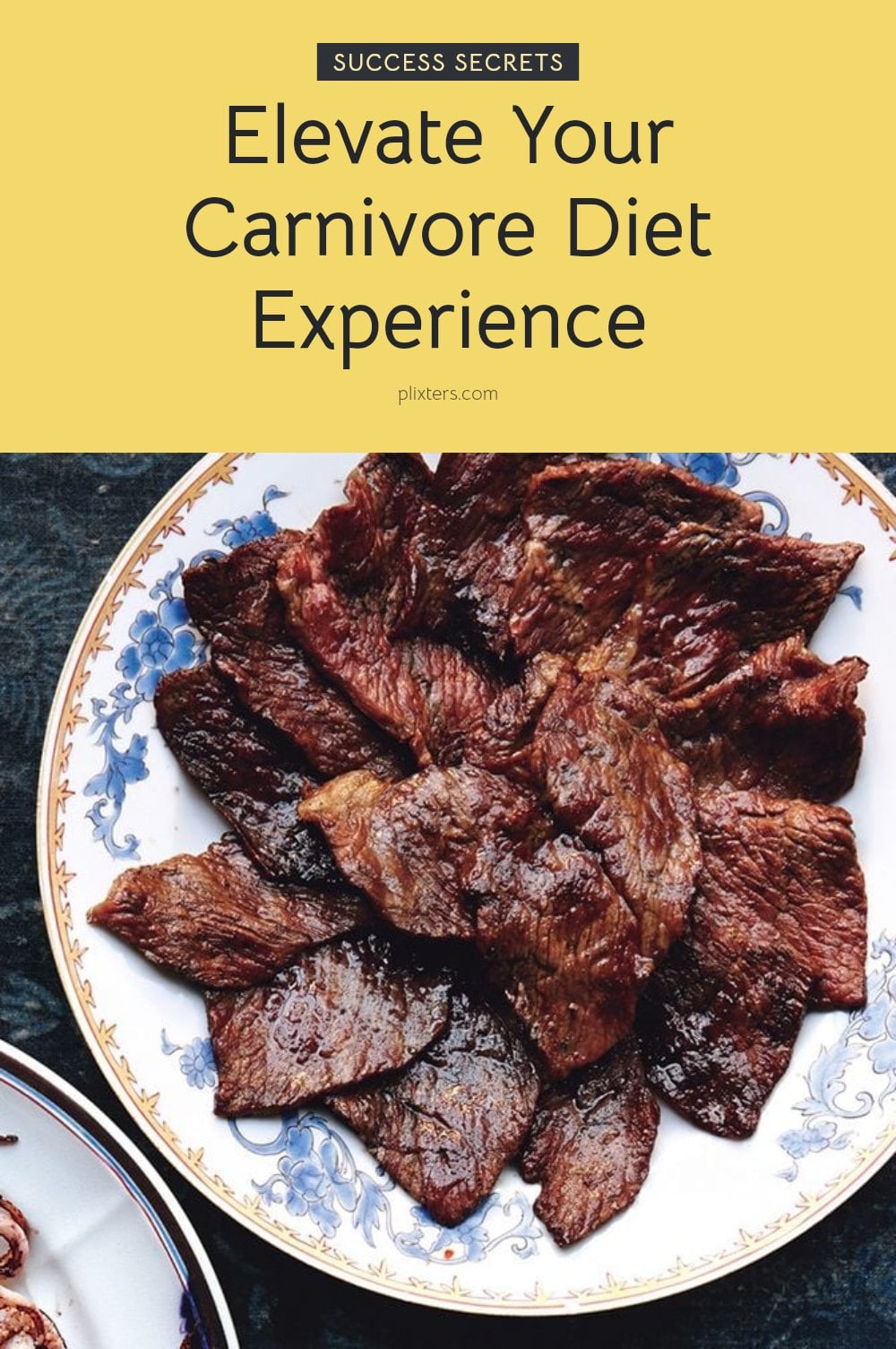
My tip: Start with quality meats. Grass-fed beef or pasture-raised eggs may offer a better nutrient profile, though any whole animal product works. Experiment with cooking methods to keep meals interesting. I usually rotate between pan-searing, slow-cooking, and grilling. Listen to your body during the first few weeks. Fatigue or cravings are normal, but severe symptoms need attention. Bone broth is a great addition for electrolytes and gut support. Plan your meals ahead to avoid impulse buys at the store. After your initial transition period, stay consistent with your food choices to accurately track how you feel.
What to Expect: Timeline and Cost Considerations
The adaptation phase typically lasts from a few days to several weeks. Expect potential digestive changes, fatigue, and headaches as your body adjusts. These symptoms often improve with proper hydration and electrolyte management. Cost is a real factor. A carnivore diet can be more expensive due to the focus on meat. Sourcing grass-fed or organic options further increases the price. To manage expenses, buy in bulk from warehouse stores or choose less expensive cuts like chuck roast or ground beef. Freezing portions helps reduce waste and saves trips to the store.
When to Consult Your Doctor About the Carnivore Diet
Always consult your doctor before starting the carnivore diet, especially if you have kidney disease, heart conditions, or are pregnant or breastfeeding. Seek medical advice if you experience persistent or severe side effects like extreme fatigue, muscle weakness, or hair loss. Severe constipation or diarrhea also warrants a call to your healthcare provider. Immediately seek emergency care for signs of electrolyte imbalance, including dizziness, muscle cramps, or an irregular heartbeat. Discuss any long-term adherence plans with your doctor for ongoing monitoring of your health markers.
Understanding the Risks and Benefits of This Extreme Diet
What the Research Says
The carnivore diet eliminates many essential nutrients found in plants, potentially leading to deficiencies in vitamins, minerals, and antioxidants. Long-term adherence may impact gut microbiome diversity and increase the risk of certain chronic diseases. Some proponents report benefits like weight loss and reduced inflammation, but scientific evidence is limited and mostly anecdotal. The diet’s emphasis on fatty cuts of meat and added fats like butter means high saturated fat intake is a concern for cardiovascular health, which contradicts general dietary guidelines. Electrolyte imbalances are a significant risk due to the lack of plant-based foods and changes in fluid retention. Weigh these potential risks carefully and discuss them with your healthcare provider before making any changes.
Frequently Asked Questions
What are the common side effects of the carnivore diet?
Common short-term side effects include constipation or diarrhea, fatigue, and headaches as your body adapts to the lack of fiber and changes in fluid retention. Electrolyte imbalances can also occur, so staying hydrated and adding salt or bone broth may help. Severe or persistent symptoms should be discussed with a doctor.
Can I drink coffee on the carnivore diet?
Yes, coffee and tea are generally allowed on the carnivore diet, though some strict adherents choose to drink only water. If you include coffee, keep it plain without milk, sugar, or plant-based creamers to stay within the diet’s rules.
How long should I stay on the carnivore diet?
There is no established recommended duration for following a carnivore diet. Some people try it for a few weeks, while others stay on it longer. Because of potential nutrient deficiencies and long-term health risks, it is important to have regular check-ins with a healthcare professional to monitor your health.
Is the carnivore diet good for weight loss?
Some proponents report weight loss on the carnivore diet, but scientific evidence is limited. The diet is very low in carbohydrates and high in protein and fat, which can lead to initial water weight loss and reduced appetite. However, long-term weight loss success and safety are not well studied, so it is not recommended as a primary weight loss method without medical supervision.
What are the safest ways to reintroduce foods after the carnivore diet?
If you decide to stop the carnivore diet, the safest approach is to reintroduce foods gradually, one at a time, starting with easily digestible plant foods like cooked vegetables. Monitor how your body reacts to each food, and keep a food diary. Working with a registered dietitian can help you transition in a balanced and healthy way.
Final Thoughts
If you decide to try the carnivore diet, start by talking with your doctor and then focus on fatty cuts of meat for energy. Expect the first week or two to feel different, with potential fatigue and digestive shifts that often improve with proper hydration and salt.
Remember that this is an extreme diet, and long-term health effects are not well understood, so ongoing professional monitoring is a smart choice.
This article provides general information about the carnivore diet and is not a substitute for professional medical or dietary advice. Consult a doctor or registered dietitian before making any major changes to your eating plan, especially if you have a health condition or are pregnant or breastfeeding.