
 Save
Starting a weight loss journey can feel overwhelming, but the core idea is simple: you need to eat fewer calories than your body burns. A calorie deficit meal plan helps you do that in a healthy, sustainable way, focusing on nutrient-dense foods instead of extreme restriction. This guide walks you through how to build your own plan, avoid common mistakes, and know when to seek professional advice.
Key Takeaways
- A daily deficit of 500 to 1000 calories supports losing about one to two pounds per week.
- Include lean protein and fiber-rich foods at every meal to stay full and nourished.
- Track your intake with a food scale or app to avoid underestimating calories from drinks and sauces.
- Consult a doctor or dietitian if you have a medical condition or experience troubling symptoms.
9 ideas in this post
- What is a Calorie Deficit Meal Plan?
- Essential Tools for Your Calorie Deficit Journey
- How to Create Your Personalized Calorie Deficit Meal Plan
- Sample 3-Day Calorie Deficit Meal Plan
- Common Calorie Deficit Mistakes and How to Avoid Them
- Expert Tips for a Successful Calorie Deficit
- When to Consult a Healthcare Professional
- Frequently Asked Questions
- Final Thoughts
What is a Calorie Deficit Meal Plan?
A calorie deficit meal plan means eating fewer calories than your body burns each day. The goal is a sustainable deficit, typically 500 to 1000 calories below your maintenance level, which supports losing about one to two pounds per week. To stay full and nourished while cutting calories, focus on nutrient-dense foods like lean protein, fiber-rich fruits and vegetables, and whole grains. This approach helps you lose weight gradually without depriving your body of the nutrients it needs.
Essential Tools for Your Calorie Deficit Journey

Having the right tools makes tracking and consistency much easier. Here are the essentials I keep on hand:
- Food scale: Measures portions accurately, which is critical because eyeballing servings often leads to underestimating calories.
- Measuring cups and spoons: Ensure you follow recipes correctly, especially for calorie-dense ingredients like oils, nuts, and grains.
- Food tracking app or journal: Lets you log what you eat and see your daily calorie and nutrient totals at a glance.
- Meal prep containers: Simplify planning by portioning meals and snacks ahead of time, so you grab the right amounts all week.
How to Create Your Personalized Calorie Deficit Meal Plan

Building a plan that works for you takes a few straightforward steps.
- Calculate your needs: Estimate your daily calorie needs using an online calculator that factors in your age, sex, activity level, and metabolism. This gives you your maintenance number.
- Set your deficit: Subtract 500 to 1000 calories from your maintenance number to determine your target daily intake. This range supports safe, gradual weight loss of one to two pounds per week.
- Balance your plate: At each meal, include a lean protein source (chicken, fish, tofu, beans), complex carbohydrates (quinoa, oats, sweet potatoes), and healthy fats (avocado, nuts, olive oil). This combination keeps you full and provides steady energy.
- Plan ahead: Outline your meals and snacks for the next few days, focusing on whole, unprocessed foods. Prepping portions in advance helps you stick to your target without last-minute decisions.
- Hydrate consistently: Drink water throughout the day. Thirst can sometimes feel like hunger, so staying hydrated helps you avoid unnecessary snacking.
- Review and adjust: Check your progress every week or two. If you’re losing too fast or too slow, or if you feel fatigued, tweak your calorie target or meal composition. Your needs may change as you lose weight.
Sample 3-Day Calorie Deficit Meal Plan
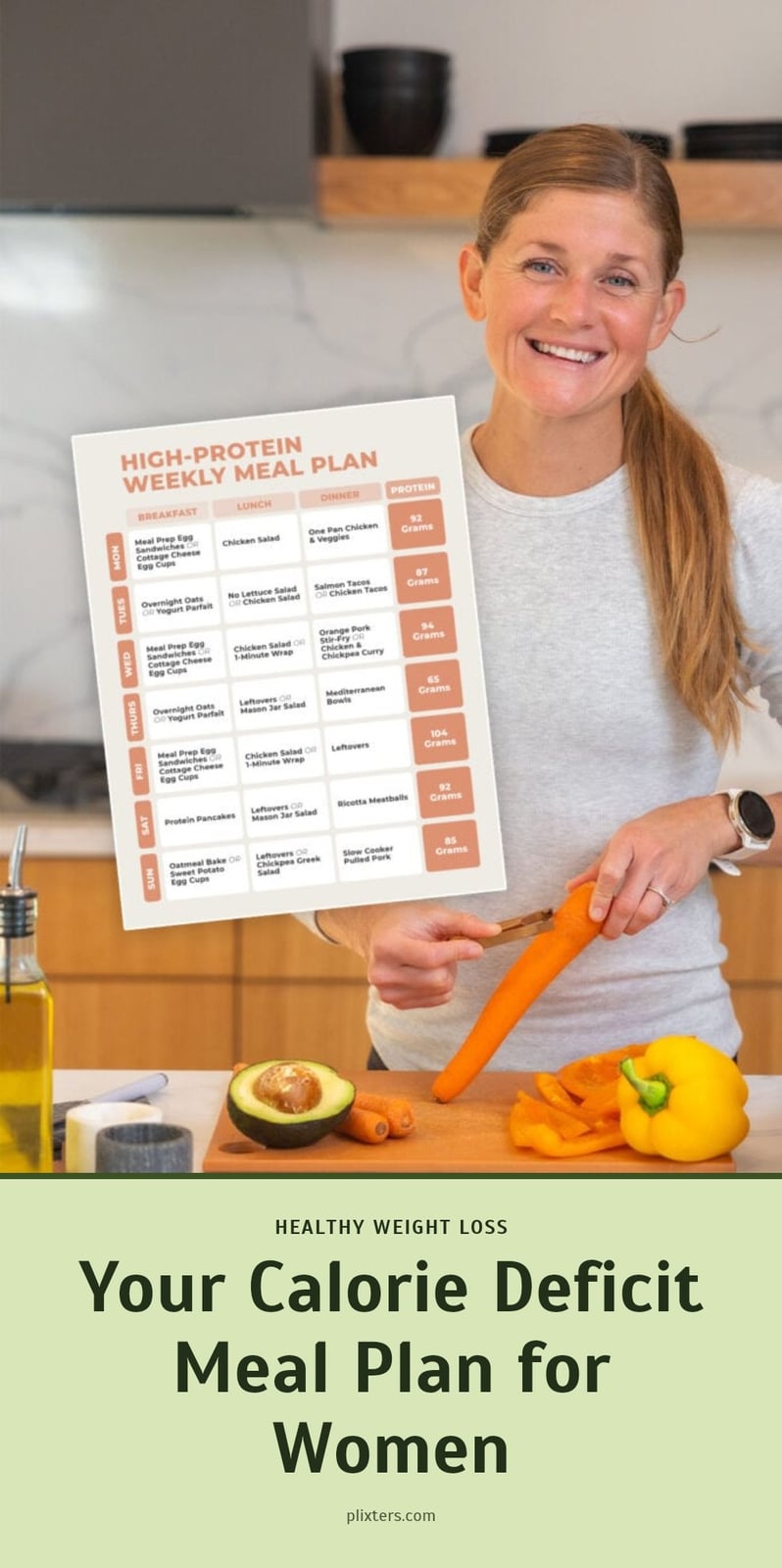
This sample plan offers balanced meals with plenty of protein, fiber, and healthy fats. Adjust portion sizes to fit your individual calorie deficit goal. Drink water with each meal and throughout the day.
| Day | Breakfast | Lunch | Dinner | Snack |
|---|---|---|---|---|
| Day 1 | Greek yogurt with berries and a sprinkle of oats | Grilled chicken salad with mixed greens, cherry tomatoes, and vinaigrette | Baked salmon with roasted broccoli and quinoa | A small apple with a tablespoon of almond butter |
| Day 2 | Scrambled eggs with spinach and a slice of whole-grain toast | Turkey and avocado wrap in a whole-wheat tortilla with lettuce | Stir-fried tofu with bell peppers, snap peas, and brown rice | Handful of baby carrots with hummus |
| Day 3 | Overnight oats made with milk, chia seeds, and sliced banana | Lentil soup with a side of mixed greens and lemon dressing | Grilled shrimp with zucchini noodles and marinara sauce | A small pear and a string cheese stick |
Common Calorie Deficit Mistakes and How to Avoid Them
Underestimating calorie intake: Drinks, sauces, salad dressings, and small snacks add up fast. A coffee with cream and sugar or a handful of nuts can add 200+ calories without you noticing. Use a food tracking app for at least a few days to see where your calories really come from.
Not enough protein: Without enough lean protein at each meal, you risk losing muscle and feeling hungry sooner. Aim for a serving of chicken, fish, tofu, or Greek yogurt at breakfast, lunch, and dinner.
Cutting calories too severely: Dropping below 1200 calories per day without medical supervision can cause fatigue, nutrient deficiencies, and a slower metabolism. A gradual deficit of 500 to 1000 calories per day is safer and more sustainable.
Neglecting nutrient quality: A 200-calorie candy bar is not the same as 200 calories of vegetables and lean protein. Focus on whole, unprocessed foods to get the vitamins and minerals your body needs.
Ignoring hunger and fullness cues: Eating when you are bored or stressed, rather than truly hungry, easily derails a deficit. Pause before eating and rate your hunger on a scale of 1 to 10. Stop when you are comfortably full, not stuffed.
Expert Tips for a Successful Calorie Deficit

Meal prep for consistency: Set aside two to three hours once or twice a week to chop vegetables, cook grains, and portion out proteins. Having ready-to-eat meals in the fridge removes the temptation to grab takeout.
Focus on fiber: Fill half your plate with non-starchy vegetables like broccoli, spinach, or bell peppers. Add berries, apples, or a small serving of oats to help you feel full longer.
Prioritize sleep: Seven to nine hours of quality sleep per night helps regulate ghrelin and leptin, the hormones that control hunger. Poor sleep can make you feel hungrier the next day.
Manage stress: High stress raises cortisol, which can increase cravings for high-calorie foods and encourage fat storage. A short walk, deep breathing, or a hobby can help lower stress without turning to food.
Incorporate strength training: Lifting weights or doing bodyweight exercises two to three times per week builds muscle. More muscle increases your resting metabolic rate, so you burn more calories even at rest.
When to Consult a Healthcare Professional
Always talk to your doctor or a registered dietitian before starting a calorie deficit, especially if you have diabetes, heart disease, or another medical condition. Pregnant or breastfeeding women should not attempt a calorie deficit for weight loss without medical supervision.
Seek professional help if you experience dizziness, extreme fatigue, hair loss, irregular menstruation, or other concerning symptoms. If you have been consistent for several weeks and see no progress, a professional can check for underlying issues like thyroid problems or hormone imbalances and help adjust your plan.
Frequently Asked Questions
How quickly can I expect to see results on a calorie deficit?
Many people notice changes within the first two to four weeks, but visible results depend on your starting point, consistency, and activity level. A safe rate is one to two pounds per week, so be patient and focus on how you feel rather than the scale.
Can I still eat my favorite foods on a calorie deficit?
Yes, you can include your favorite foods in moderation as long as they fit within your daily calorie goal. The key is to prioritize nutrient-dense options most of the time while leaving room for occasional treats, which helps prevent feelings of deprivation.
What if I’m not losing weight despite being in a calorie deficit?
First, double-check your calorie tracking for accuracy, including drinks, sauces, and snacks. Other factors like water retention, hormonal changes, or underestimating portion sizes can mask progress. If the plateau persists for several weeks, consider adjusting your calorie target or consulting a professional.
Is it safe to do a calorie deficit long-term?
A moderate deficit is generally safe for several months, but very low calorie diets (under 1200 per day for most women) require medical supervision. Long-term success comes from transitioning to a maintenance plan once you reach your goal, ensuring you get enough nutrients to support overall health.
Final Thoughts
For a realistic start, aim for a daily deficit of 500 to 1000 calories and focus on whole foods like vegetables, lean protein, and whole grains. Expect to see gradual results over weeks and months, not days, with a safe pace of one to two pounds per week. The most effective plan is one you can stick with, so prioritize consistency over perfection.
This article provides general information about calorie deficit meal plans and is not a substitute for professional medical or dietary advice. Before making significant changes to your eating habits, especially if you have a pre-existing condition or are pregnant or breastfeeding, consult a doctor or registered dietitian. If you experience dizziness, extreme fatigue, or other concerning symptoms, seek medical attention.




