
 Save
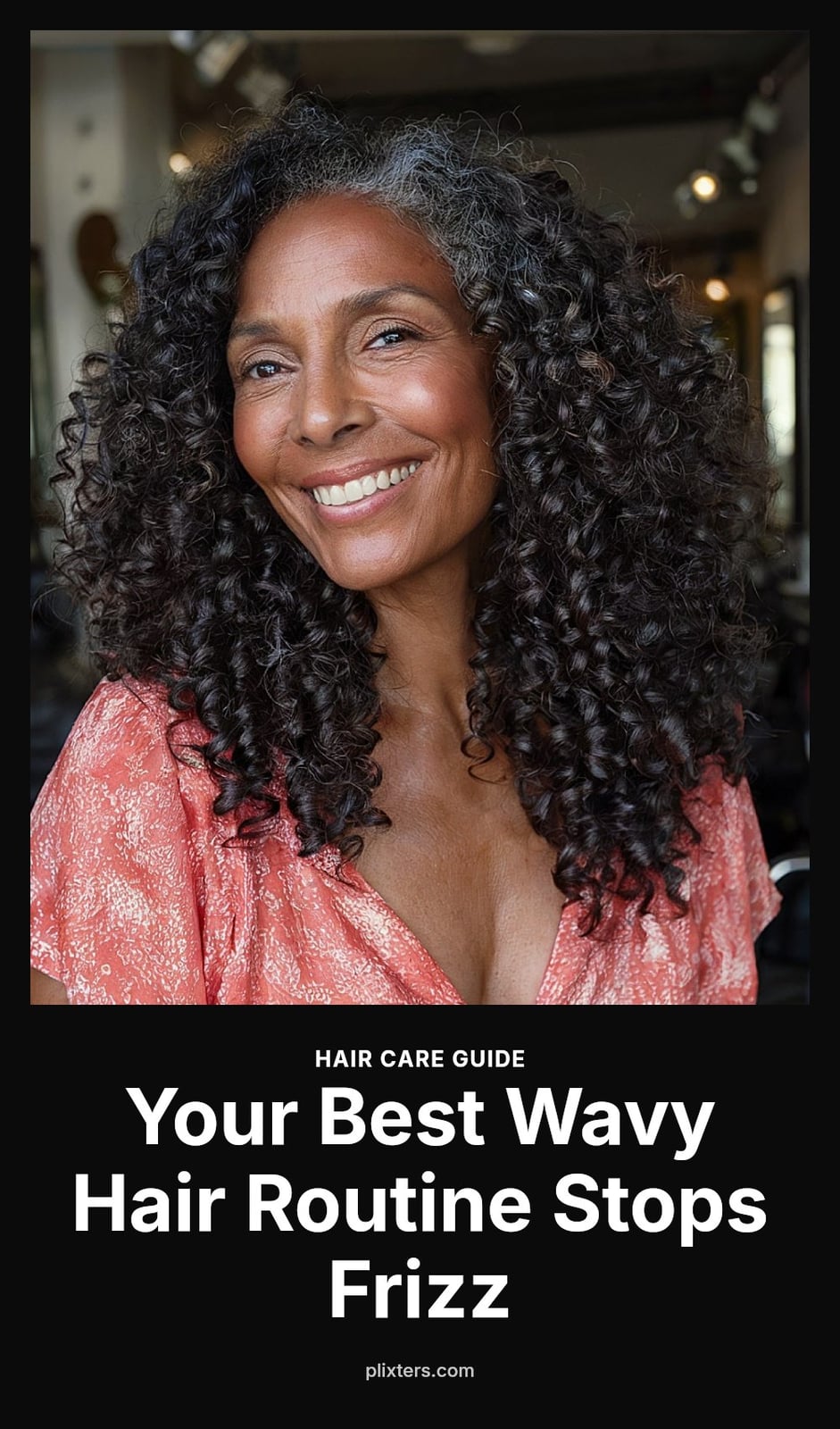
If your wavy hair always seems to frizz up no matter what you do, you are not alone. The key is building a routine that works with your natural S-shaped waves, not against them. This article covers the step-by-step method for washing, conditioning, and styling your wavy hair to lock in moisture, define your waves, and keep frizz under control.
Key Takeaways
- Always style on soaking wet hair so products absorb and waves form properly.
- Use a sulfate-free shampoo and moisturizing conditioner to avoid stripping natural oils.
- Apply leave-in conditioner, curl cream, and a lightweight spray gel or mousse in order.
- Dry with a microfiber towel or cotton t-shirt, then diffuse on low heat and low speed.
- Protect waves overnight with a silk or satin pillowcase or a loose pineapple style.
10 ideas in this post
- Your Go-To Wavy Hair Routine for Frizz-Free Definition
- Essential Tools and Products for Wavy Hair
- Step-by-Step: Your Best Wavy Hair Styling Routine
- The Importance of Styling on Soaking Wet Hair
- Common Mistakes That Cause Frizz in Wavy Hair
- Pro Tips for Enhancing Your Wavy Hair Routine
- Timeline and Expected Results for Your Wavy Hair Routine
- When to Consult a Professional
- Frequently Asked Questions
- Final Thoughts
Your Go-To Wavy Hair Routine for Frizz-Free Definition
A wavy hair routine is built around enhancing your natural S-shaped waves while keeping frizz in check. It starts with washing and conditioning using moisture-rich products, then styling on soaking wet hair with gentle scrunching and a low-heat diffuser. The goal is to lock in hydration and define your pattern without disrupting it. My tip: Avoid over-handling and never brush dry hair, as that breaks up the wave clumps and invites frizz.
Essential Tools and Products for Wavy Hair

Here is what you need for a wavy hair routine that works:
- Sulfate-free shampoo: Cleanses gently without stripping natural oils.
- Moisturizing conditioner: Hydrates and detangles mid-lengths and ends.
- Leave-in conditioner: Provides a foundational layer of moisture.
- Curl cream: Enhances wave pattern and reduces frizz.
- Lightweight spray gel or mousse: Offers flexible hold without crunch.
- Wide-tooth comb: Detangles wet hair without disrupting waves.
- Microfiber towel or cotton t-shirt: Dries gently with less friction.
- Hair diffuser attachment: Defines waves and speeds up drying.
- Silk or satin pillowcase: Protects waves overnight.
Step-by-Step: Your Best Wavy Hair Styling Routine

Follow these steps on wash day for defined, frizz-free waves.
- Wet your hair thoroughly: Hair must be soaking wet before you apply any products. Use a spray bottle to re-wet sections that start to dry during styling.
- Squish in leave-in conditioner: Focus on mid-lengths and ends. Squeeze the product into your hair so it absorbs.
- Apply curl cream: Use a small amount and distribute evenly to enhance waves without weighing them down.
- Scrunch and hold: Gently scrunch sections of hair upward, holding for a few seconds to set the wave pattern. Be extra gentle around bangs if you want them to frame your face.
- Twirl for extra definition: For more defined waves, take a section of hair, brush through it, then twirl the end of the brush to create a barrel shape before scrunching and holding.
- Apply spray gel or mousse: Mist or distribute evenly all over your hair to lock in the style.
- Scrunch again: Gently scrunch to work in the product without causing frizz.
- Remove excess water: Use a cotton t-shirt towel to lightly scrunch your hair, absorbing extra water so it dries faster.
- Diffuse on low: Set your dryer to the lowest heat and speed. Gently cup sections of hair in the diffuser without moving it around too much.
Prefer to watch? Hang walks through the whole method in this 4-minute video.
The Importance of Styling on Soaking Wet Hair
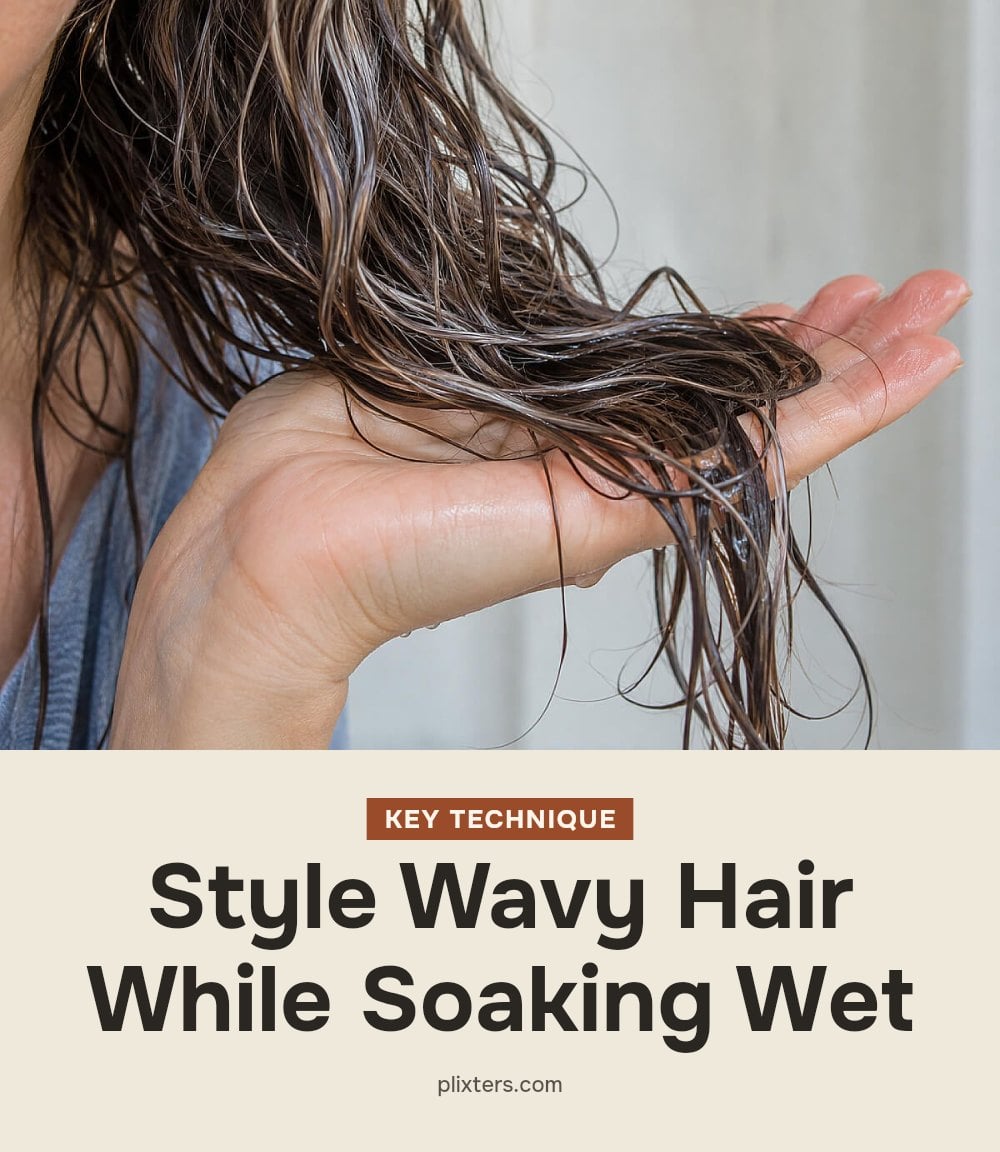
Applying products to soaking wet hair is the foundation of a successful wavy routine. When your hair is wet, the cuticles are open, allowing leave-in conditioner, curl cream, and gel to penetrate and lock in moisture as your hair dries. This even distribution helps form smooth wave clumps and prevents frizz. My tip: If your hair starts to dry while you are styling, mist it with a spray bottle. Re-wetting ensures products absorb rather than sitting on the surface, which can leave hair greasy.
Common Mistakes That Cause Frizz in Wavy Hair
Not styling on wet hair: Applying products to dry or damp hair prevents proper absorption and can lead to frizz or greasy results. Always start with soaking wet strands.
Skipping leave-in conditioner: For dry, coarse, color-treated, or damaged hair, omitting leave-in conditioner means missing out on essential moisture, which increases frizz.
Using too much or too little curl cream: Too much cream weighs waves down, while too little fails to define them or control frizz. Start with a pea-sized amount and adjust.
Vigorously scrunching or over-handling: Excessive friction and movement while hair is drying disrupts the wave pattern and causes frizz. Scrunch gently and hold.
Brushing dry wavy hair: This is a common culprit for frizz and can be painful. It completely disrupts your natural wave pattern.
Not removing excess water before drying: Letting hair air dry for hours without first removing excess water leads to stretched-out waves and frizz. Use a cotton t-shirt to gently scrunch out the moisture.
Pro Tips for Enhancing Your Wavy Hair Routine

Protect your waves overnight: Sleep on a silk or satin pillowcase to reduce friction and preserve your wave pattern. You can also loosely tie your hair in a ‘pineapple’ on top of your head.
Deep condition regularly: Incorporate a deep conditioning treatment once a week or every other week to significantly improve moisture levels and reduce frizz.
Choose the right products: Opt for sulfate-free shampoos and conditioners designed for wavy or curly hair. Be mindful of heavy silicones if your hair is easily weighed down.
Consider a spray gel for hold: My tip: A spray gel offers good hold without the crunch, maintaining volume and definition.
Find the right diffuser: You can find diffuser attachments for most hair dryers online; ensure it fits your dryer for optimal results.
Timeline and Expected Results for Your Wavy Hair Routine
Routine Duration: A consistent wash day routine typically takes 15-30 minutes, including washing, conditioning, and styling.
Frequency: Aim to wash your hair 2-3 times a week, or as needed, to avoid stripping natural oils.
Results Timeline: You can often see improved wave definition and reduced frizz within a few weeks of consistent practice.
Cost Tiers: Product costs range from budget-friendly drug store options ($) to mid-range salon brands ($$) and high-end specialty products ($$$), allowing you to choose based on your budget.
When to Consult a Professional
If you experience persistent scalp irritation, excessive dryness, or unexplained hair loss, consult a dermatologist or healthcare professional.
If you are struggling to achieve desired results despite consistent effort, a professional stylist specializing in wavy or curly hair can offer personalized advice and product recommendations.
For significant hair damage or concerns about hair health, a professional can provide targeted treatments and guidance.
Frequently Asked Questions
How often should I wash my wavy hair?
Aim to wash your wavy hair 2 to 3 times a week. Shampooing too often can strip natural oils, leading to dryness and frizz. Adjust based on your scalp’s oil production and how your hair feels.
What is the best way to refresh wavy hair on non-wash days?
Lightly mist your hair with water using a spray bottle, then scrunch gently to reactivate the products already in your hair. You can also add a small amount of leave-in conditioner or a lightweight gel if needed. Avoid brushing dry waves.
How do I know if a product is weighing down my wavy hair?
If your waves look flat, stretched out, or feel greasy shortly after styling, the product may be too heavy. Look for lightweight formulas labeled for wavy or fine hair, and avoid heavy silicones and waxes if your hair is easily weighed down.
Can I air dry my wavy hair instead of diffusing?
Yes, air drying is a great low-heat option. To reduce frizz, gently scrunch out excess water with a cotton t-shirt or microfiber towel first, then let your hair dry naturally without touching it. Diffusing on low heat and speed can give more volume and definition if you prefer.
Final Thoughts
Stick with this routine for a few weeks, and you should start to see better wave definition and less frizz. Wash days will take 15 to 30 minutes, and washing 2 to 3 times a week is usually enough. Remember, consistency matters more than perfection, so keep your styling gentle and your hair well-hydrated.




