
 Save
When life feels like a constant to-do list, it’s easy to put your own well-being on the back burner. A self-care lifestyle isn’t about booking a spa day once a month; it’s about small, intentional habits that keep you from running on empty. This article breaks down the key practices that support your physical, mental, and emotional health, helping you build a routine that prevents burnout and builds resilience over time.
Key Takeaways
- Self-care is essential, not selfish, and supports your ability to care for others.
- Aim for 7-9 hours of quality sleep each night for better cognitive function and emotional regulation.
- Incorporate 30 minutes of moderate exercise most days to boost mood and energy.
- Set healthy boundaries by learning to say ‘no’ to commitments that overextend you.
- Schedule self-care activities as non-negotiable appointments in your daily or weekly routine.
15 ideas in this post
- What is a Self-Care Lifestyle?
- 1. Prioritize Quality Sleep
- 2. Nourish Your Body Mindfully
- 3. Move Your Body Regularly
- 4. Practice Mindfulness Daily
- 5. Set Healthy Boundaries
- 6. Connect with Your Community
- 7. Engage in Creative Hobbies
- 8. Spend Time in Nature
- 9. Limit Digital Overload
- 10. Practice Journaling
- 11. Schedule Self-Care
- Common Self-Care Mistakes to Avoid
- Frequently Asked Questions
- Final Thoughts
What is a Self-Care Lifestyle?
A self-care lifestyle means intentionally weaving practices into your daily routine that support your physical, mental, and emotional health. It’s about recognizing your own needs, setting boundaries, and making conscious choices that prevent burnout and build resilience. This isn’t a luxury or an indulgence; it’s an essential, ongoing practice for maintaining overall well-being and creating a more balanced life.
1. Prioritize Quality Sleep

Aim for 7-9 hours of sleep each night. This range supports cognitive function and emotional regulation, helping you handle the next day with a clearer head. Create a consistent bedtime ritual, like reading or taking a warm bath, to signal to your body it’s time to wind down.
My tip: Keep your bedroom dark, quiet, and cool. A slightly cooler room temperature, around 65°F (18°C), can help you fall asleep faster and stay asleep longer.
2. Nourish Your Body Mindfully

Focus on a balanced diet rich in fruits, vegetables, and whole grains. These foods provide the nutrients your body needs to function well and maintain steady energy. Practice mindful eating by paying attention to your hunger and fullness cues, and savor each bite without distractions.
My tip: Hydrate throughout the day by keeping a water bottle handy. Even mild dehydration can cause fatigue and headaches, so sipping regularly is a simple yet powerful act of self-care.
3. Move Your Body Regularly

Incorporate regular physical activity, aiming for 30 minutes of moderate exercise most days of the week. Even short walks or stretching breaks throughout the day can significantly improve your mood and energy levels. The key is consistency, not intensity.
Tip: Find an activity you genuinely enjoy, whether it’s dancing, hiking, or yoga. When you like what you’re doing, you’re far more likely to stick with it over time.
4. Practice Mindfulness Daily
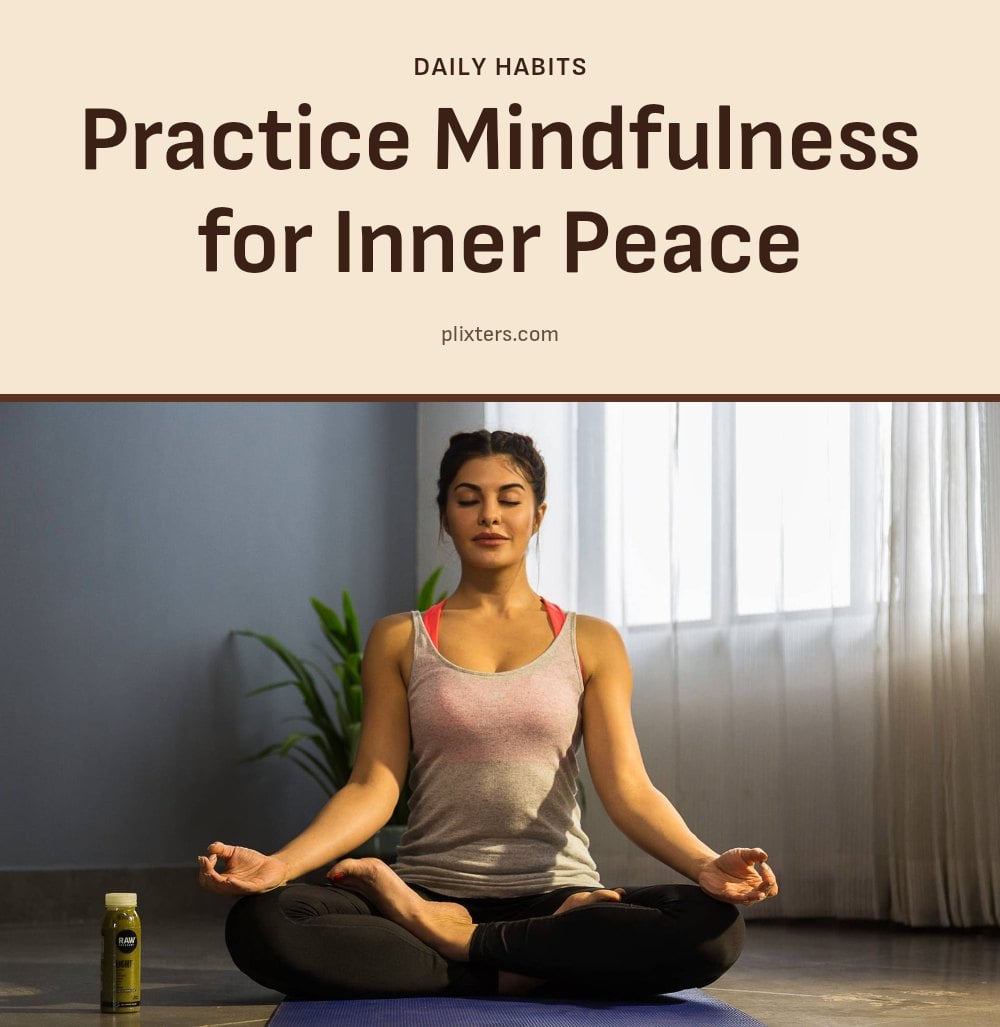
Integrate mindfulness practices like meditation or deep breathing into your day. These techniques help calm your nervous system, reducing stress and improving emotional well-being. Even 5-10 minutes can sharpen your ability to stay present and manage anxious thoughts.
Good to know: Try a guided meditation app or simply focus on your breath for a few minutes when you feel overwhelmed. No special setup is required.
5. Set Healthy Boundaries
Learn to say ‘no’ to commitments that overextend you. This protects your personal energy and time, preventing the resentment that leads to burnout. Clearly communicate your limits in relationships and work life so others understand your boundaries.
Pro move: Remember, setting boundaries isn’t selfish. It’s a vital act of self-respect that allows you to show up better for others when you do say yes.
6. Connect with Your Community

Nurture your social self-care by connecting with supportive friends and family. These relationships foster a sense of belonging and reduce feelings of isolation, which directly supports emotional health. Engaging in shared activities strengthens those bonds.
Quick tip: Schedule regular check-ins with loved ones, even if it’s just a quick call or coffee date. Consistency matters more than duration.
7. Engage in Creative Hobbies

Dedicate time to hobbies or creative activities that provide mental breaks and a sense of accomplishment. Whether it’s painting, gardening, or playing an instrument, these outlets shift your focus away from stressors and engage a different part of your brain.
Tip: Don’t worry about being ‘good’ at it. The process of creation itself is the self-care, not the finished product.
8. Spend Time in Nature
Make an effort to spend time outdoors. Research consistently links time in nature to reduced stress and improved mood, even after just 20 minutes. A short walk in a local park or sitting by a window with a view of greenery can be beneficial.
Good to know: Try to notice the sounds, smells, and sights around you to enhance the grounding effect of nature. This active engagement deepens the calming response.
9. Limit Digital Overload
Consciously limit your exposure to negative news or excessive social media. These inputs can significantly impact your mental and emotional states, raising anxiety without you realizing it. Establish digital detox periods, such as an hour before bed or one day a week, to disconnect and recharge.
Pro move: Replace screen time with a book, a conversation, or a creative activity to truly give your mind a break. Your brain needs uninterrupted time to process and reset.
10. Practice Journaling
Use journaling as an effective tool for processing emotions, gaining self-awareness, and clarifying your thoughts. Regularly writing down your feelings can help you identify patterns and develop coping strategies that work for you. It also provides a safe space to release mental clutter.
Quick tip: There’s no right or wrong way to journal. Just start writing whatever comes to mind for a few minutes each day, without judging the content.
11. Schedule Self-Care
Intentionally schedule self-care activities into your daily or weekly routine. Treat them as non-negotiable appointments, just like a work meeting or a doctor’s visit. This helps ensure that self-care becomes a consistent habit rather than an afterthought that gets pushed aside.
Tip: Start small. Even blocking out 15-30 minutes for a chosen activity can make a significant difference over time as the habit builds momentum.
Common Self-Care Mistakes to Avoid
Thinking self-care is only expensive pampering: It’s often about simple, daily habits, not spa days or lavish vacations. A warm bath at home or a 10-minute stretch counts just as much.
Trying to do too much too soon: Implement new habits gradually to avoid feeling overwhelmed and giving up. Start with one small change, like drinking more water, before adding another.
Ignoring early signs of burnout: Pay attention to your body’s signals and adjust your routine before stress becomes chronic. Fatigue, irritability, and frequent headaches are clues that your current routine needs a shift.
Confusing self-care with escapism: True self-care addresses your needs; escapism avoids them. Binge-watching TV isn’t self-care if it’s done to avoid responsibilities. Ask yourself whether the activity leaves you feeling restored or just numb.
Not adapting your routine: Life changes, so your self-care practices should evolve with your needs and circumstances. What worked during a calm season may not fit a busy one, and that’s okay.
Frequently Asked Questions
How is a self-care lifestyle different from occasional pampering?
Occasional pampering, like a massage or a vacation, is a temporary treat. A self-care lifestyle, on the other hand, involves daily or weekly habits that consistently support your well-being, such as getting enough sleep, eating well, and setting boundaries. It’s an ongoing practice, not a one-time fix.
What are the main dimensions of self-care?
Self-care spans multiple areas: physical (exercise, sleep, nutrition), emotional (journaling, therapy), mental (mindfulness, learning), spiritual (meditation, time in nature), social (connecting with loved ones), and practical (managing finances, organizing your space). Addressing all dimensions leads to a more balanced life.
Can I practice self-care even if I have a busy schedule?
Absolutely. Self-care doesn’t require hours of free time. Even 5-10 minutes of deep breathing, a short walk, or a quick journal entry can make a difference. The key is to integrate small practices into your existing routine, like taking a mindful minute before a meeting or stretching during a work break.
How do I know if my self-care routine is working?
You may notice you feel less overwhelmed, have more energy, or handle stress more calmly. Pay attention to your mood, sleep quality, and how you respond to challenges. If you feel more balanced and resilient over time, your routine is likely supporting you. If not, adjust your habits or consult a professional.
Is it normal to feel guilty about taking time for self-care?
Yes, many people feel guilty at first, especially if they’re used to putting others first. Remember that self-care is essential for maintaining your health and your ability to care for others. Over time, as you see the positive effects on your well-being, that guilt often fades.
Final Thoughts
Building a self-care lifestyle is a gradual process, not a quick fix. Start by choosing one or two habits from this list that feel manageable, like a 10-minute morning stretch or a 20-minute walk outside. Over time, these small actions add up to real changes in how you handle stress and feel day to day. The goal is consistency, not perfection, so give yourself grace as you find what works for you.
This article is for general informational purposes only and does not constitute medical or professional advice. If you are experiencing persistent feelings of sadness, anxiety, or hopelessness that interfere with daily life, please consult a mental health professional. Always listen to your body and consult a doctor before starting a new exercise routine, especially if you have underlying health conditions.




