 Save
When stress hits, your breath is one of the fastest tools you have to calm down. By simply changing how you inhale and exhale, you can shift your body from a tense, ‘fight or flight’ state into a relaxed, ‘rest and digest’ mode. This article covers the science behind why it works, three simple techniques you can try right now, and tips to make your practice more effective.
Whether you’re dealing with a busy day or just want to unwind, these breathing exercises are a free, portable way to find calm fast.
Key Takeaways
- Slow, deep breathing activates the parasympathetic nervous system to lower heart rate and blood pressure.
- Start with 5-10 minutes daily for lasting improvements in stress management over weeks.
- Focus on exhaling completely to make room for a deeper, more relaxing inhale.
- Stop immediately if you feel dizzy or lightheaded and rest until it passes.
- Consult a doctor before starting if you have asthma, COPD, or are pregnant.
10 ideas in this post
- How Breathing Exercises Can Help You Relax Quickly
- The Science Behind Calm Breathing
- What You’ll Need to Start Breathing Exercises
- Three Simple Breathing Techniques to Try
- Common Breathing Exercise Mistakes to Avoid
- Best Tips for Effective Breathing Practice
- How Long Until You Feel the Benefits?
- When to Talk to a Healthcare Professional
- Frequently Asked Questions
- Final Thoughts
How Breathing Exercises Can Help You Relax Quickly
Breathing exercises quickly activate your parasympathetic nervous system, shifting your body from ‘fight or flight’ to ‘rest and digest.’ By consciously controlling your breath, you can reduce heart rate, lower blood pressure, and calm your mind almost instantly. These simple techniques offer an accessible tool for immediate stress reduction and long-term well-being.
The Science Behind Calm Breathing
How Your Breath Controls Your Nervous System
Your breathing pattern directly signals your nervous system. Slow, deep breaths activate the parasympathetic nervous system, which triggers the ‘rest and digest’ response. This lowers your heart rate and blood pressure. Shallow, rapid breathing does the opposite: it activates the sympathetic nervous system, putting your body into ‘fight or flight’ mode.
Diaphragmatic breathing, also called belly breathing, engages the diaphragm muscle fully. This pulls air deep into the lower lungs, making each breath more efficient. When you breathe from your chest instead, you only fill the upper lungs, which keeps your body in a low-level stress state.
Deep, slow breathing also stimulates the vagus nerve, a major highway between your brain and body. The vagus nerve is a key part of the parasympathetic system, and activating it enhances relaxation further. My tip: place one hand on your belly to feel it rise as you inhale. That tells you your diaphragm is working.
What You’ll Need to Start Breathing Exercises
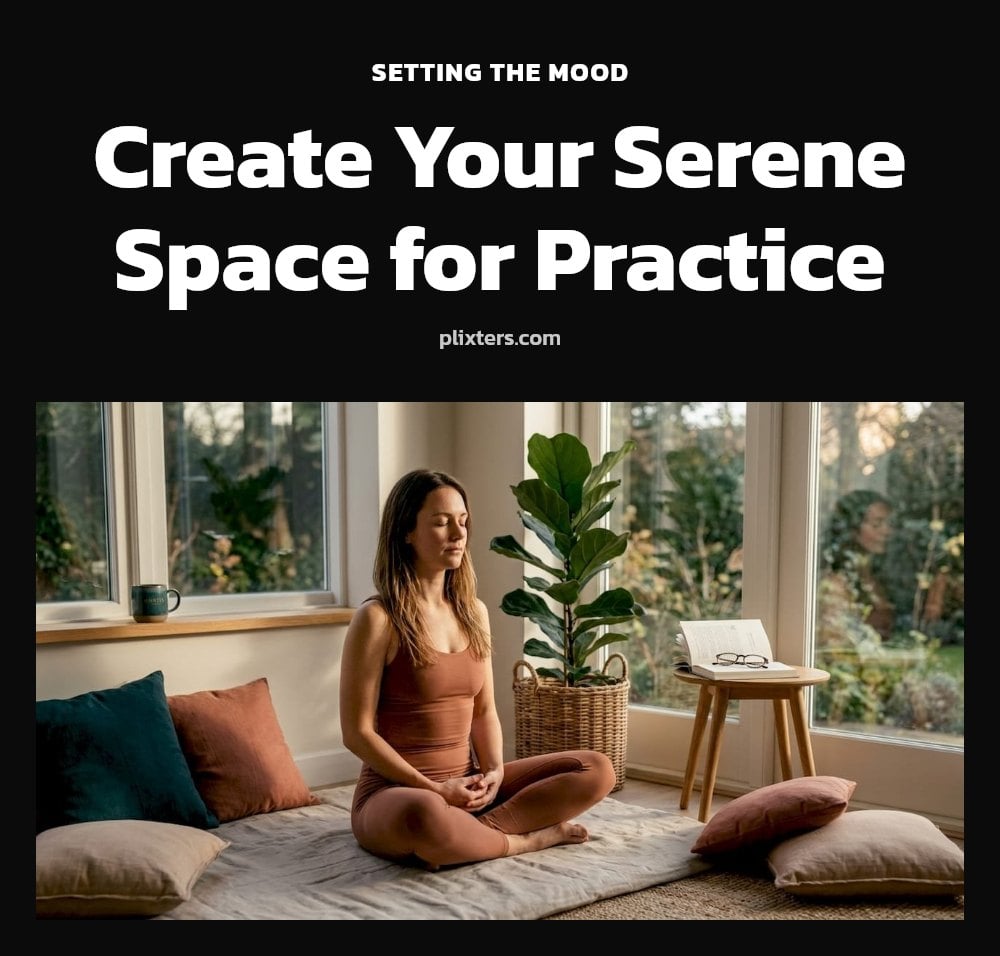
You don’t need much to get started. Wear loose, comfortable clothing so nothing restricts your chest or abdomen as you breathe deeply. That is the only essential. A quiet spot where you can sit or lie down without interruptions helps, but no special equipment is required.
Three Simple Breathing Techniques to Try
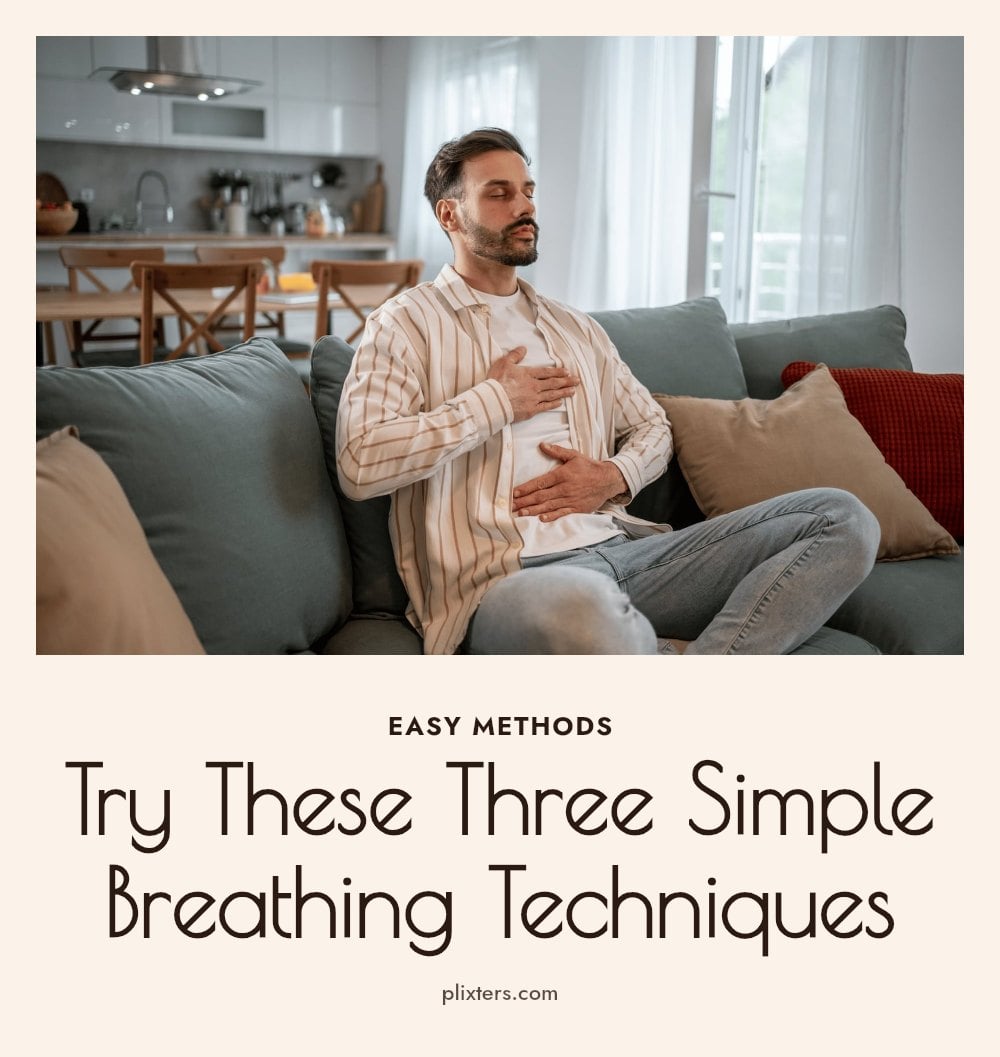
Start with these three simple techniques. Go slowly and never force your breath.
Diaphragmatic (Belly) Breathing
Place one hand on your chest and the other on your belly. Inhale deeply through your nose, letting your belly rise while your chest stays still. Exhale slowly through your mouth. Focus on your belly rising and falling, not your chest.
My tip: Practice lying on your back with a book on your belly. Watch it rise and fall to get the motion right.
Box Breathing
Inhale for 4 counts, hold for 4 counts, exhale for 4 counts, hold for 4 counts. Repeat for several rounds.
Caution: If holding your breath feels uncomfortable, shorten the hold to 2 counts and build up gradually.
4-7-8 Breathing
Inhale through your nose for 4 counts, hold for 7 counts, exhale through your mouth for 8 counts. Repeat 3-4 times.
Good to know: The long exhale helps activate your parasympathetic nervous system. If the counts feel too long, try a shorter version like 2-4-5 or 2-3-4 instead.
Once you’re comfortable with these, you can explore alternate nostril breathing (Nadi Shodhana), a yogic technique that may help balance your brain’s hemispheres.
Common Breathing Exercise Mistakes to Avoid
Breathing only from your chest: This keeps your breaths shallow and limits relaxation. Focus on your belly expanding instead, letting it rise and fall with each inhale and exhale.
Trying to breathe too deeply or too quickly: It can lead to lightheadedness or hyperventilation. Maintain a gentle, consistent rhythm that feels natural and comfortable.
Holding tension in your shoulders or neck: Tension in your upper body counteracts the relaxation you’re aiming for. Consciously relax your shoulders and neck before you start.
Expecting immediate, drastic results: Breathing exercises work best with regular practice. Consistency is key for lasting benefits, so give it time.
Not finding a comfortable position: If you’re uncomfortable, it’s harder to relax. Ensure you’re in a supported position, whether sitting upright or lying down.
Best Tips for Effective Breathing Practice
Practice in a quiet, comfortable environment: Minimize distractions like noise or bright lights so you can focus fully on your breath.
Focus on exhaling completely: A full exhale makes room for fresh, new air and helps deepen your next inhale naturally.
Start with short sessions: Even 5 minutes can make a difference. Gradually increase duration as you feel ready.
Maintain a consistent, gentle rhythm: Don’t force your breath. Let it flow at a pace that feels smooth and unhurried.
Listen to your body: Stop if you feel dizzy or uncomfortable. Rest and try again later with a lighter approach.
How Long Until You Feel the Benefits?
Immediate relaxation: Many people feel calmer within minutes of starting a breathing exercise, as the parasympathetic nervous system kicks in.
Consistent practice: 5-10 minutes daily can lead to significant improvements in stress management and overall well-being over time.
Long-term benefits: Lasting changes typically appear over several weeks of regular practice, as your body becomes more efficient at shifting into a relaxed state.
Cost: Breathing exercises are completely free. No special equipment is needed, just your breath and a quiet moment.
When to Talk to a Healthcare Professional
If you experience dizziness, lightheadedness, or increased anxiety: Stop the exercise immediately and rest. Consult a doctor if symptoms persist.
Individuals with respiratory conditions: If you have asthma, COPD, or other lung issues, talk to your doctor before starting any new breathing exercises.
Pregnant individuals: Be cautious with breath-holding techniques and check with a healthcare provider first to ensure safety.
Breathing exercises are a complementary practice: They are not a substitute for medical treatment for anxiety, depression, or other health conditions. Always follow your doctor’s advice.
Frequently Asked Questions
How long does it take for breathing exercises to work?
Many people feel calmer within a few minutes of starting a breathing exercise. For more significant and lasting improvements in stress management, consistent practice of 5-10 minutes daily over several weeks is recommended.
Can breathing exercises help with panic attacks?
Yes, slow, deep breathing can help calm the nervous system during a panic attack by activating the ‘rest and digest’ response. However, if you experience frequent or severe panic attacks, it’s important to consult a healthcare professional for a comprehensive treatment plan.
Are there any side effects to breathing exercises?
Some people may experience dizziness or lightheadedness, especially if they breathe too deeply or too quickly. If this happens, stop the exercise and rest. Individuals with respiratory conditions should consult a doctor before starting new breathing exercises.
Can children do breathing exercises?
Yes, children can safely practice simple breathing exercises like belly breathing or box breathing. Keep sessions short and fun, and never force the breath. If a child has any respiratory or health concerns, check with a pediatrician first.
How often should I practice breathing exercises?
For immediate relaxation, you can practice as needed throughout the day. For long-term benefits, aim for 5-10 minutes daily. Consistency is more important than duration, so even a few minutes each day can make a difference over time.
Final Thoughts
For the most reliable relaxation, start with diaphragmatic breathing. It’s simple, requires no special tools, and directly engages the calming part of your nervous system. Expect to feel calmer within a few minutes, but for lasting benefits, aim for 5-10 minutes of daily practice over several weeks. The key is consistency, not perfection. Just breathe.
This article is for informational purposes only and is not a substitute for professional medical advice, diagnosis, or treatment. If you have a medical condition, experience persistent symptoms, or are pregnant, consult a qualified healthcare provider before starting any new breathing practice.