
 Save
You’ve got a breakout, and you want it gone fast. I’ve been there, and I know the urge to try anything that promises quick relief. But harsh treatments can backfire, so gentle, natural remedies are often the smarter first step. This article covers eight at-home methods that can help calm inflammation, fight bacteria, and speed up healing without stripping your skin.
From tea tree oil spot treatments to soothing aloe vera, these options focus on gentle care and consistency. My tip: patience is your best friend here, as natural remedies typically need several days to weeks of regular use to show results.
Key Takeaways
- Always dilute tea tree oil with a carrier oil before applying to breakouts.
- Use alcohol-free witch hazel sparingly to avoid drying out your skin.
- Change your pillowcases frequently to reduce bacterial buildup.
- Moisturize daily, even if you have oily skin, to maintain a healthy barrier.
- See a dermatologist if breakouts are severe, painful, or persistent.
12 ideas in this post
- Heal Breakouts with Natural Remedies
- 1. Tea Tree Oil for Spot Treatment
- 2. Soothing Aloe Vera Gel
- 3. Green Tea as a Topical Toner
- 4. Honey for Gentle Antibacterial Action
- 5. Witch Hazel as an Astringent
- 6. Diluted Apple Cider Vinegar Toner
- 7. Gentle Cleansing and Moisturizing
- 8. Lifestyle Adjustments for Clearer Skin
- When to See a Dermatologist
- Frequently Asked Questions
- Final Thoughts
Heal Breakouts with Natural Remedies
Natural remedies like tea tree oil, aloe vera, and green tea can help reduce the inflammation and bacteria that drive breakouts. These methods focus on gentle care, targeted ingredients, and lifestyle adjustments to support clearer skin. Consistency and patience are key: results from natural treatments typically appear over several days to weeks of regular use.
1. Tea Tree Oil for Spot Treatment
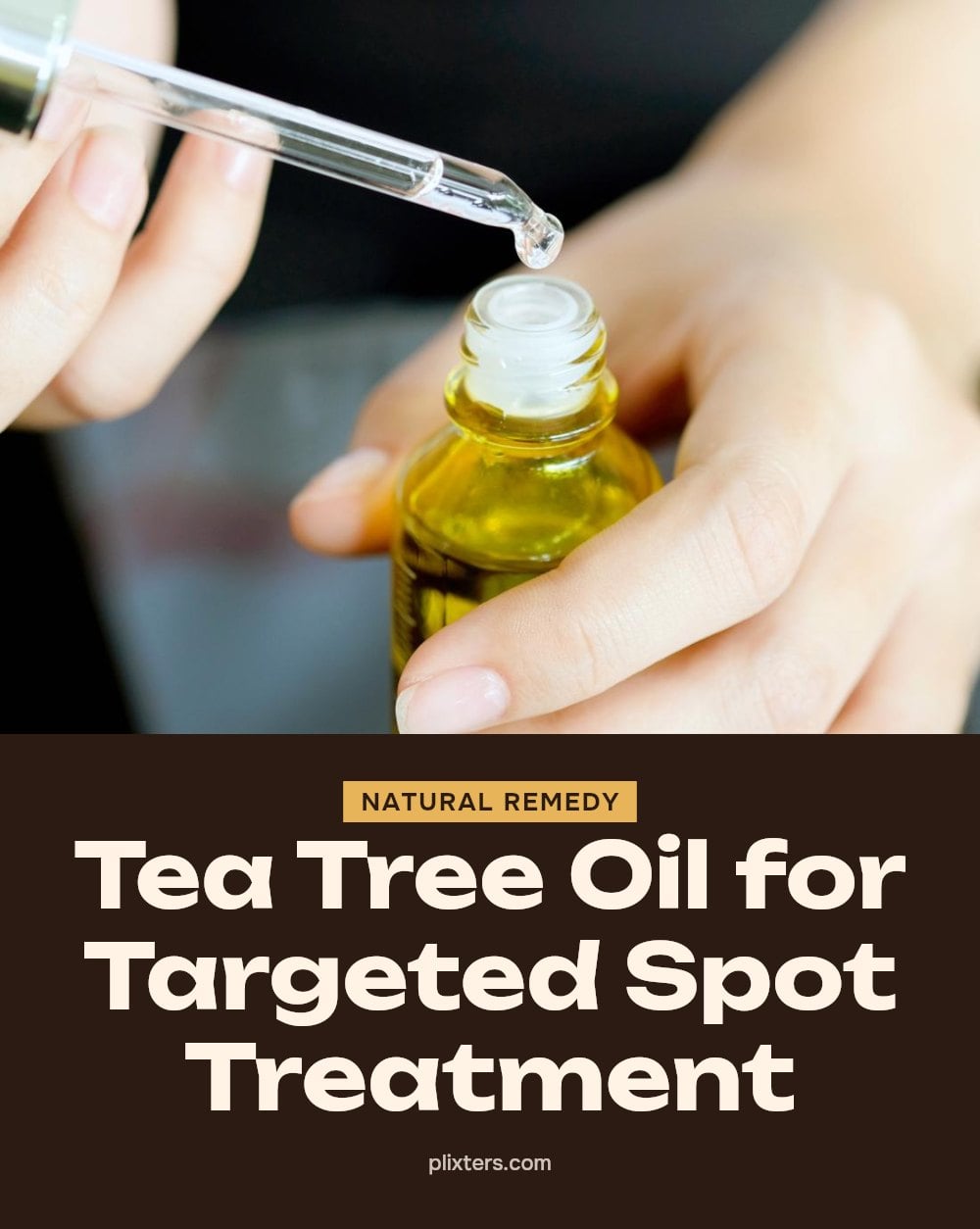
Tea tree oil is a powerful natural antiseptic and anti-inflammatory, making it a popular spot treatment for breakouts. Its antimicrobial properties can help reduce the bacteria that contribute to clogged pores.
My tip: Always dilute tea tree oil with a carrier oil like jojoba or almond oil before applying it to your skin. Undiluted essential oils can cause irritation or burns.
- Mix 1 drop of tea tree oil with 1 teaspoon of carrier oil.
- Apply a small amount directly to individual breakouts using a cotton swab.
- Leave on for 15-20 minutes, then rinse if needed.
Do a patch test on your inner arm first to check for any reaction.
2. Soothing Aloe Vera Gel

Aloe vera is known for its soothing and healing properties, which can calm inflamed skin. It also has mild antibacterial effects that help with wound healing, making it a gentle choice for irritated breakouts.
Apply pure aloe vera gel directly to breakouts or as a thin layer over affected areas. Look for gel that is 100% aloe without added alcohol or fragrance. Use it after cleansing once or twice a day, but keep in mind that natural remedies like this typically take several days to weeks of consistent use before you see noticeable improvement.
- Leave it on without rinsing for a lightweight, non-comedogenic layer.
- For an extra cooling effect, store the gel in the fridge.
3. Green Tea as a Topical Toner
Green tea is packed with antioxidants that can help reduce sebum production and inflammation when applied topically. This makes it a useful toner for breakout-prone skin.
Brew a cup of green tea, let it cool completely, then apply it to your face with a cotton pad. The cooling step is important to avoid any heat-related irritation.
My tip: You can also use cooled green tea as a face mask by soaking a cloth in it and leaving it on for 10-15 minutes. This is a great way to deliver the antioxidants while calming your skin.
- Use plain green tea without added sweeteners or flavors.
- Store leftover tea in the fridge for up to 24 hours.
- For best results, apply 2-3 times per week and expect visible improvement over several weeks of consistent use.
4. Honey for Gentle Antibacterial Action
Raw honey has natural antibacterial and anti-inflammatory properties, making it a gentle option for breakouts. It is less likely to cause irritation than many other remedies, so it works well for sensitive skin types.
Apply it: Place a small dab of raw honey directly onto a breakout and leave it on for at least 20 to 30 minutes, or even overnight if your skin tolerates it. Rinse with warm water. For best results, repeat this daily for several days to weeks, since natural remedies work gradually.
5. Witch Hazel as an Astringent
Witch hazel is a natural astringent that can help reduce excess oil and calm inflammation after cleansing. Look for an alcohol-free version to avoid stripping your skin.
Caution: Witch hazel can be drying for some skin types, so use it sparingly, especially if you already have dry or sensitive skin. Apply a small amount to a cotton pad and gently swipe over affected areas after washing your face.
6. Diluted Apple Cider Vinegar Toner
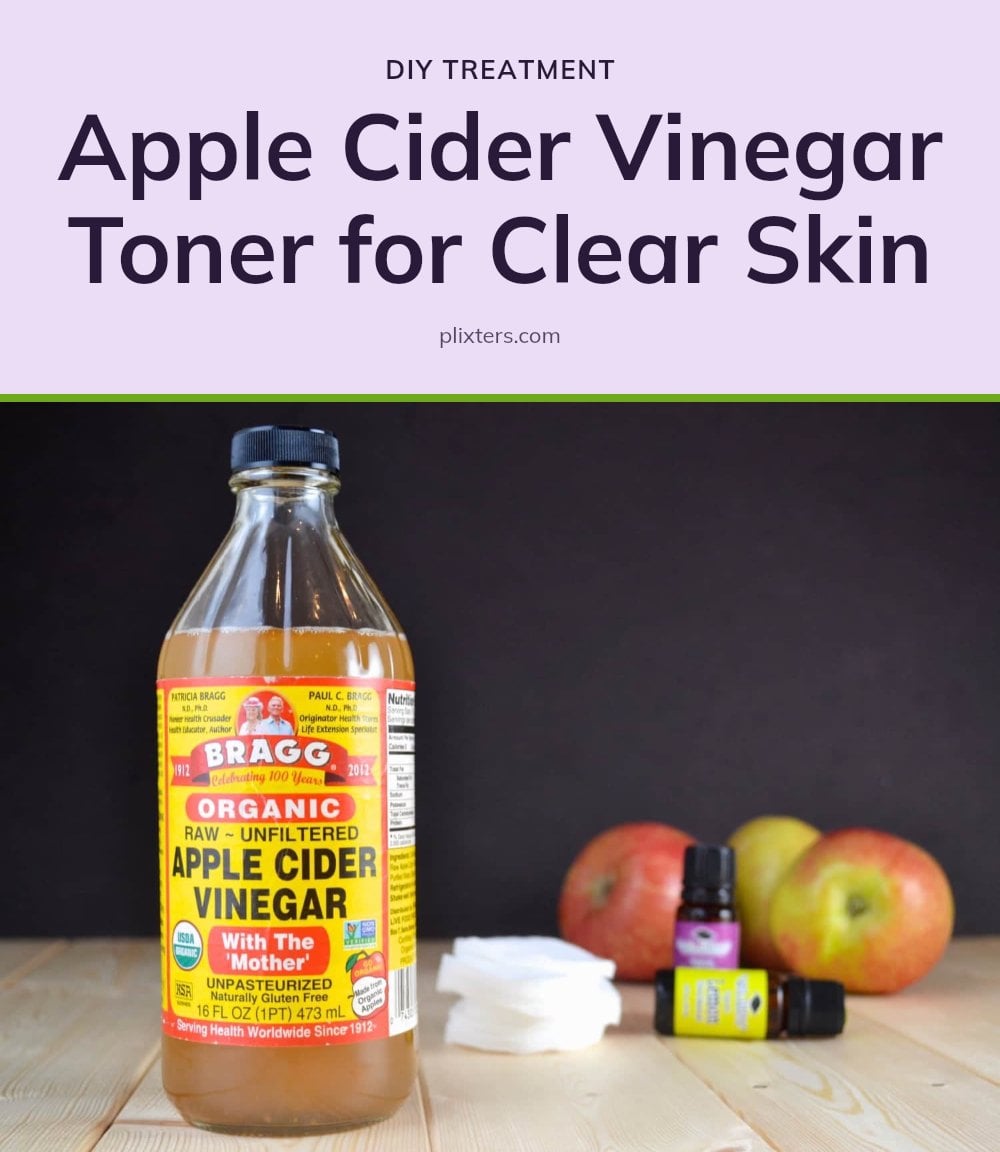
When properly diluted, apple cider vinegar acts as a toner that helps balance your skin’s pH and offers antibacterial benefits. This can help reduce the bacteria that contribute to breakouts.
Caution: Always dilute apple cider vinegar significantly with water, a ratio of 1 part ACV to 3 or 4 parts water is a good starting point. Apply the diluted mixture with a cotton pad and leave it on for 5-10 minutes before rinsing. If your skin feels sensitive, start with a shorter leave-on time and gradually increase. A patch test on your inner arm before using it on your face is a smart move.
7. Gentle Cleansing and Moisturizing
Gentle cleansing twice a day with a mild cleanser removes excess oil and dead skin cells without stripping your skin. This prevents pores from clogging in the first place.
Don’t skip moisturizing, even if your skin is oily. A good moisturizer helps maintain a healthy skin barrier and prevents over-drying, which can actually trigger more oil production.
Tip: Always choose non-comedogenic skincare products that are formulated not to clog pores. This simple swap can make a noticeable difference in how easily your skin stays clear.
8. Lifestyle Adjustments for Clearer Skin
Manage stress: Stress triggers hormonal changes that can ramp up oil production and worsen breakouts. Try adding meditation, yoga, or even a short daily walk to your routine to keep stress in check.
Stay hydrated: Drinking enough water throughout the day helps your skin maintain its natural barrier and flush out toxins. Aim for at least eight glasses of water daily.
Change pillowcases often: Pillowcases collect oil, bacteria, and dead skin cells from your face and hair. Swap them out at least twice a week to reduce the buildup that can clog pores overnight.
When to See a Dermatologist
If your breakouts are severe, painful, or keep coming back even after you’ve tried gentle home remedies, it’s time to see a dermatologist. A professional can prescribe stronger treatments, identify underlying causes like hormonal imbalances, and help prevent permanent scarring. Don’t wait. Getting medical advice early can save you from long-term skin damage.
Frequently Asked Questions
How long do natural remedies take to clear breakouts?
Results vary, but most natural remedies require consistent application over several days to weeks before you see noticeable improvement. Be patient and stick with your routine; natural treatments work more gently than prescription options, so they take longer to show effects.
Can diet truly impact breakouts?
Some people find that reducing high-glycemic foods and dairy helps their skin, but the scientific evidence is mixed. It’s not a one-size-fits-all solution. If you suspect a food triggers your breakouts, try eliminating it for a few weeks and monitor your skin’s response.
Is it okay to use multiple natural remedies at once?
It’s best to introduce one new remedy at a time so you can see how your skin reacts. Using too many products at once can irritate your skin and make it harder to tell which one is helping or causing a problem. Start with one, then add others slowly if needed.
What’s the best way to prevent future breakouts?
Consistent gentle cleansing twice daily, using non-comedogenic products, changing pillowcases often, and managing stress are key preventive steps. Staying hydrated and moisturizing regularly also help maintain a healthy skin barrier that resists clogged pores.
Can stress cause breakouts?
Yes, stress can trigger hormonal changes that increase oil production, which can worsen breakouts. Incorporating relaxation techniques like meditation, yoga, or a short daily walk can help keep stress levels in check and support clearer skin.
Final Thoughts
For a simple starting point, try applying diluted tea tree oil to individual spots or pure aloe vera gel to calm inflamed skin. Expect to see improvement over several days to weeks of consistent use, not overnight. Stick with gentle cleansing and moisturizing, and remember that managing stress and staying hydrated support your efforts from the inside out.
This article is for informational purposes only and does not constitute medical advice. Natural remedies may not be suitable for everyone. If you have persistent, severe, or painful breakouts, or if you experience any adverse reaction, consult a dermatologist or healthcare professional for personalized guidance.




