 Save
We all have habits we wish we could drop, but sheer willpower rarely gets us there. The real secret lies in understanding the simple cue-routine-reward loop that drives every habit, then swapping the routine for something better. This article walks you through 25 actionable strategies to break bad habits and build lasting, positive change.
Key Takeaways
- Identify your habit loop: cue, routine, and reward.
- Replace a bad habit with a new routine that offers a similar reward.
- Change your environment to make good habits easier and bad ones harder.
- Start with one small micro-habit instead of overhauling everything at once.
- Expect it to take 18 to 254 days, with an average of 66 days, for a new habit to feel automatic.
28 ideas in this post
- Breaking Bad Habits: Your Action Plan
- 1. Identify Your Habit Loop
- 2. Replace, Don’t Just Stop
- 3. Change Your Environment
- 4. Start Small (Micro-Habits)
- 5. Track Your Progress
- 6. Find an Accountability Partner
- 7. Practice Self-Compassion
- 8. Understand Your Triggers
- 9. Build an Identity
- 10. Visualize Your Success
- 11. Reward Yourself Appropriately
- 12. Schedule Your New Habits
- 13. Practice Mindfulness
- 14. Avoid Decision Fatigue
- 15. Use ‘If-Then’ Planning
- 16. Leverage Temptation Bundling
- 17. Understand Your ‘Why’
- 18. Be Patient
- 19. Review and Adjust
- 20. Prepare for Relapses
- 21. Minimize Stress and Fatigue
- 22. Use Habit Stacking
- 23. Celebrate Milestones
- 24. Seek Professional Help
- Common Mistakes When Breaking Habits
- Frequently Asked Questions
- Final Thoughts
Breaking Bad Habits: Your Action Plan
Breaking a bad habit isn’t about sheer willpower. It’s about understanding the cue and reward that drive it, then replacing the routine with a positive alternative. This process takes patience and consistent effort, so start with one small change at a time. Focus on building a new, desirable routine rather than just trying to stop an old one. Willpower alone often isn’t enough, but a clear plan and self-awareness can make lasting change possible.
1. Identify Your Habit Loop
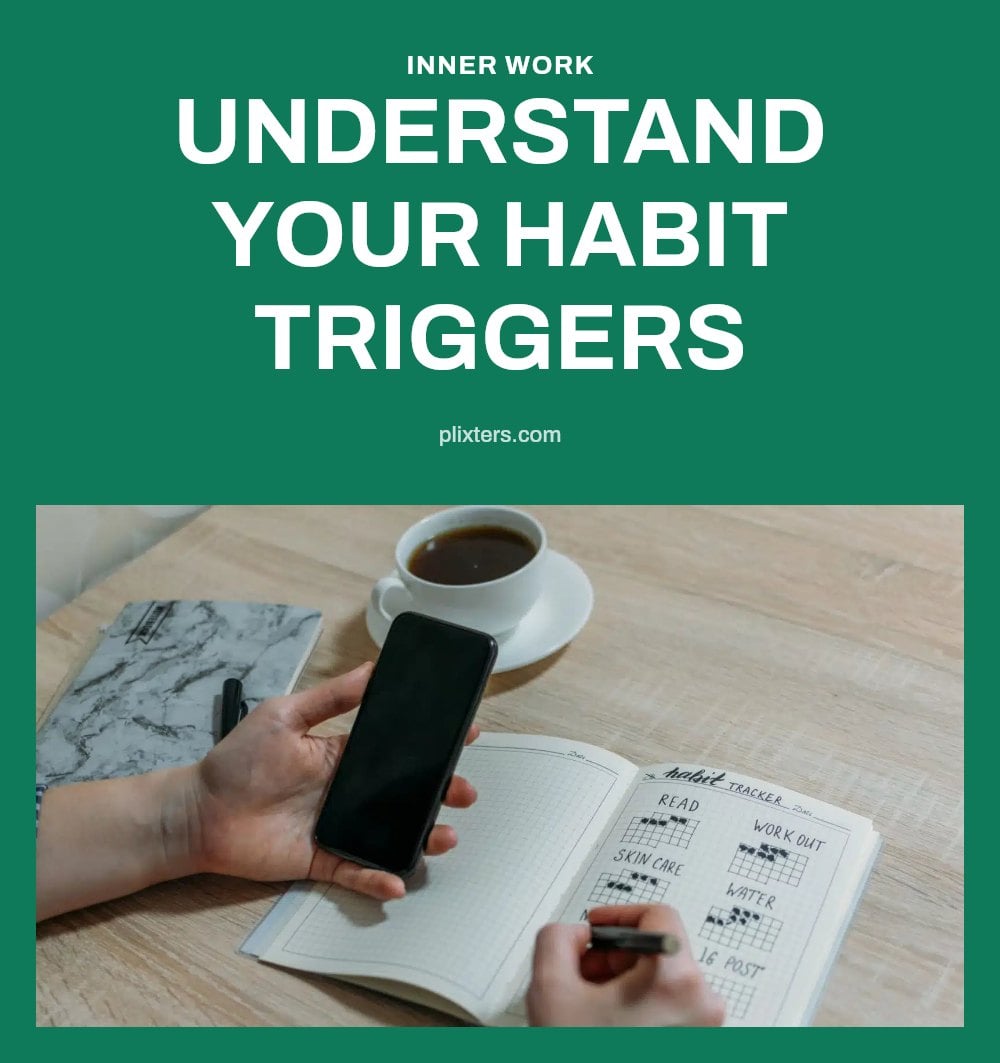
Every habit follows a three-part loop: a cue (what triggers it), a routine (the behavior itself), and a reward (the feeling you get). To break a habit, you need to identify all three.
My tip: Journal for a few days to track when and why you engage in the bad habit. Note what happens right before it and what you feel afterward. Look for patterns in time of day, mood, or location. Once you know the cue and reward, you can design a new routine that delivers the same reward without the downside.
2. Replace, Don’t Just Stop

Trying to simply stop a bad habit rarely works because the underlying reward remains unmet. Instead, find a new, positive routine that provides a similar reward.
For example, if you snack out of boredom, replace it with reading a book or going for a short walk. The reward is still a break from monotony, but the action is healthier. Think about what you really get from the old habit, stress relief, a dopamine hit, a moment of calm, and choose a replacement that offers that same benefit.
3. Change Your Environment
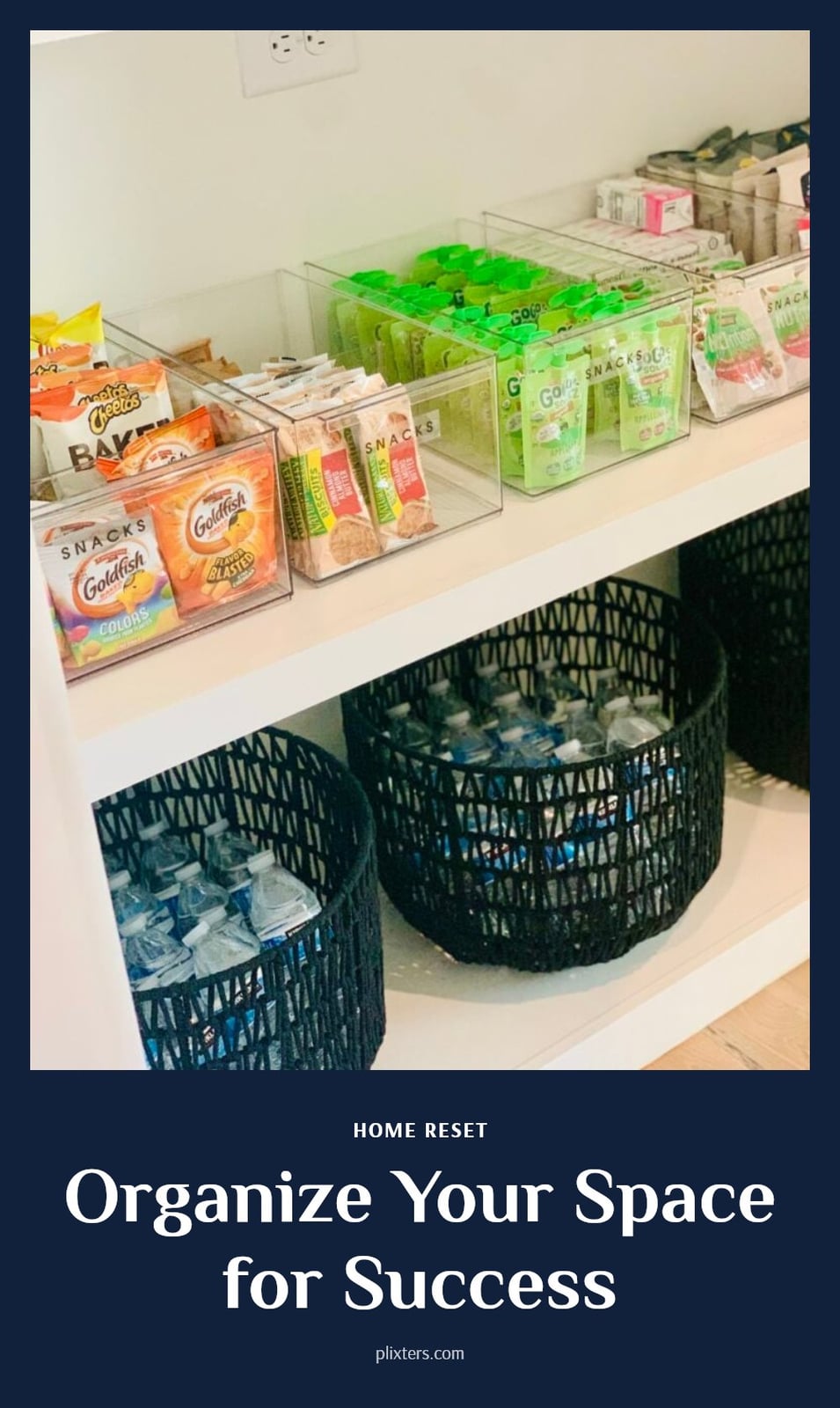
Willpower is a limited resource. Your environment has a much bigger influence on your daily choices than you think. Change it to work for you, not against you.
Make bad habits harder to do by adding friction. Keep unhealthy snacks out of sight or don’t bring them into the house at all. Move the TV remote to a drawer if you want to watch less. For good habits, reduce friction. Place your running shoes by the door, put a water bottle on your desk, or set out your workout clothes the night before. Small environmental tweaks can make a big difference without relying on willpower.
4. Start Small (Micro-Habits)
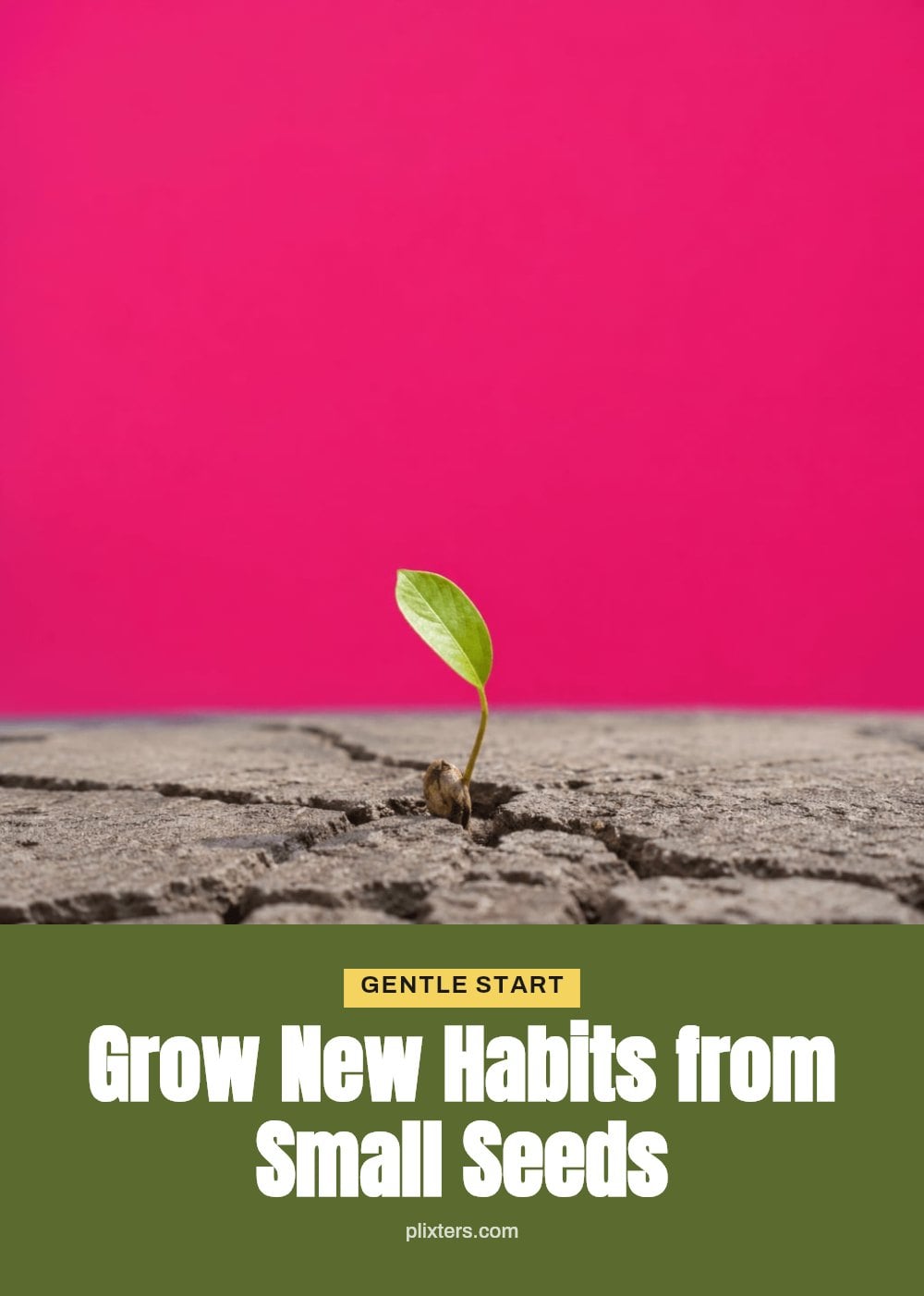
Don’t try to overhaul everything at once. Small, consistent changes are much more sustainable than one big push. If you want to exercise, start with a 5-minute walk daily, not an hour-long gym session. That tiny step builds momentum without overwhelming your willpower.
5. Track Your Progress
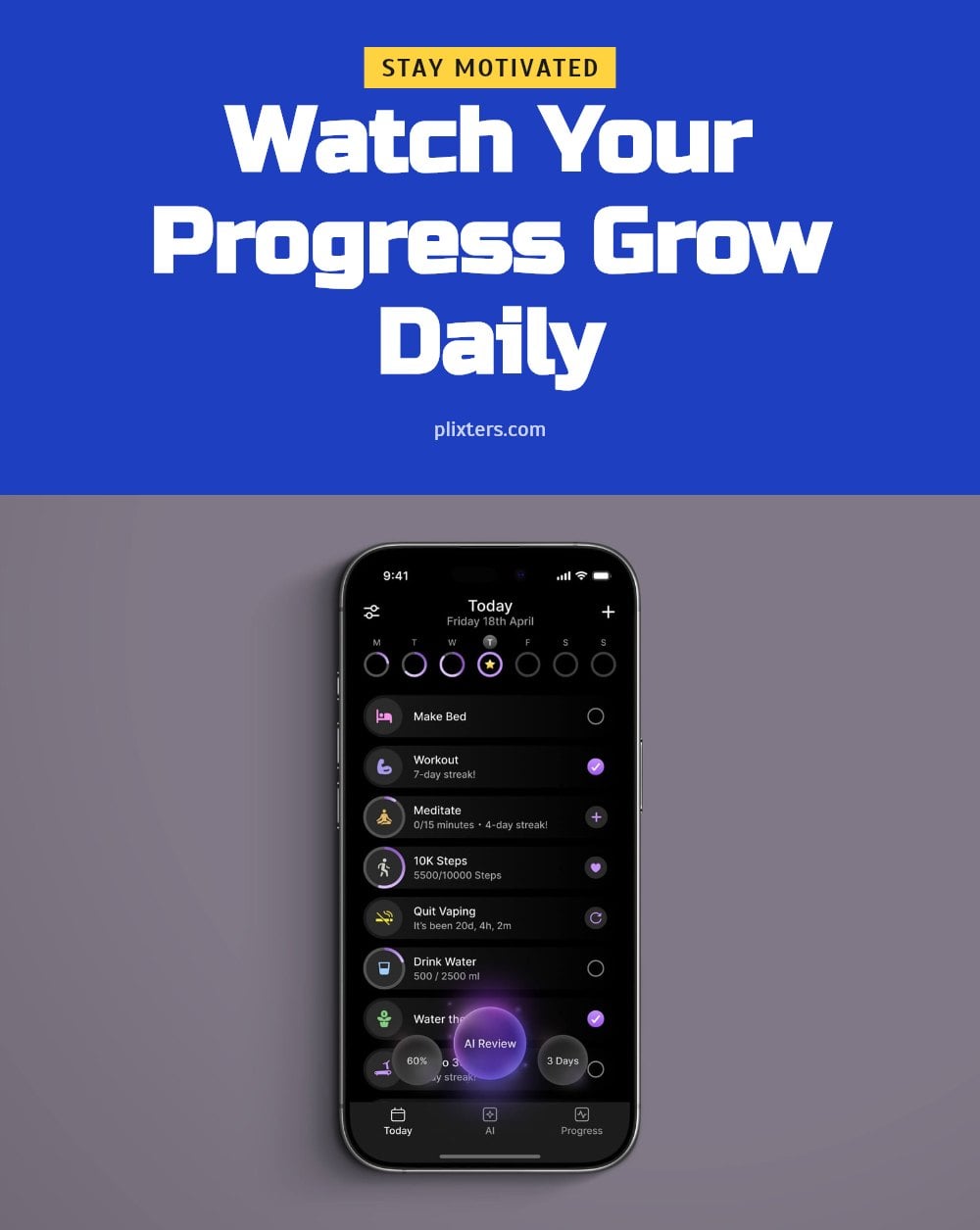
Seeing your progress, even small wins, reinforces positive behavior and boosts motivation. Use a habit tracker app or a simple calendar to mark off each successful day.
- A paper calendar on the wall gives a visible chain of X’s you won’t want to break
- Apps like Habitica or Streaks send reminders and show weekly patterns
- Review your tracker each Sunday to spot what worked and what didn’t
6. Find an Accountability Partner
Sharing your goals with a friend, family member, or coach can significantly increase your likelihood of success. Knowing someone is checking in on you provides extra motivation on days when your own resolve wavers. A quick weekly check-in is enough to keep you accountable.
7. Practice Self-Compassion

Don’t beat yourself up over occasional slip-ups; they are part of the process. Guilt often triggers more of the bad habit, creating a downward spiral.
My tip: Acknowledge the setback, learn from it, and get back on track without dwelling on guilt. Ask “What can I do differently next time?” then move on.
8. Understand Your Triggers
Stress, fatigue, boredom, or certain people and places are common triggers that activate your habit loop. Becoming aware of these specific cues is the critical first step to changing your routine.
Keep a simple log for three days: note the time, your mood, and what happened right before the habit. Patterns will emerge quickly.
9. Build an Identity
Instead of focusing on what you want to achieve, focus on who you want to become. Swap “I want to stop smoking” for “I am a non-smoker.” This identity-based approach leads to more sustainable change because it shifts your self-concept.
Each time you choose the new habit, you reinforce that identity. Ask yourself: “What would a healthy person do right now?” and act accordingly.
10. Visualize Your Success
Visualize Your Success: Spend a minute each day mentally rehearsing yourself performing the new, positive habit. Picture the cue, see yourself choosing the new routine, and feel the reward. This mental practice strengthens neural pathways, making the new behavior feel more natural and automatic over time.
11. Reward Yourself Appropriately
Reward Yourself Appropriately: Small, non-food rewards can be powerful motivators, especially in the first few weeks. Choose something that reinforces your progress without undermining your goal. For example, reward a week of healthy eating with a new book or a relaxing bath, not with a sugary treat.
12. Schedule Your New Habits

Schedule Your New Habits: Treat your new habits like important appointments. Put them directly into your calendar with a specific time and duration. This creates a commitment and makes it much harder to skip. A calendar alert also serves as a helpful reminder when willpower is low.
13. Practice Mindfulness
Practice Mindfulness: Mindfulness helps you notice the moment a cue appears and your automatic urge to respond. A short pause, just one breath, gives you the space to choose a different action. Try a daily two-minute mindfulness exercise to build this awareness.
14. Avoid Decision Fatigue
Make key habit decisions in the morning when your willpower is fresh. Decide then what you will eat, when you will move, and how you will handle stress. Automate small choices like laying out workout clothes the night before. This saves mental energy for when you really need it later in the day.
15. Use ‘If-Then’ Planning
Prepare for common triggers by writing simple if-then rules. For example: “If I feel the urge to check my phone during work, then I will take three deep breaths.” Or: “If I feel stressed after a meeting, then I will walk for five minutes.” This removes the need to decide in the moment.
16. Leverage Temptation Bundling
Pair a habit you need to do with one you love doing. Tip: Only let yourself listen to your favorite podcast while you fold laundry or watch a show while you walk on the treadmill. The enjoyable activity becomes a built-in reward for the less exciting one.
17. Understand Your ‘Why’
Connect your habit change to a deeper value. Ask yourself: why does this matter to me? Maybe it is about being present for your family, feeling strong, or living authentically. Write that reason down and revisit it when motivation dips. A strong why keeps you going on tough days.
18. Be Patient
Habit formation takes time, averaging around 66 days, but it can range from 18 to 254 days depending on the person and the habit. Consistency, not speed, is the key to lasting change. Expect a few weeks before the new behavior feels automatic, and don’t judge your progress by the calendar alone.
19. Review and Adjust
Set a weekly or bi-weekly check-in with yourself to review what is working and what isn’t. If a strategy feels forced or ineffective, adjust it. Maybe your morning routine needs a different cue or your reward isn’t motivating enough. Iteration is part of the process, not a sign of failure.
20. Prepare for Relapses
Relapses are a normal part of the process; they don’t mean you’ve failed. Have a plan for how you’ll get back on track quickly after a slip-up. For example, if you miss a day of your new habit, commit to doing it the next day without guilt. One setback does not erase your progress.
21. Minimize Stress and Fatigue
Stress and fatigue are major triggers that can lead to reverting to old habits. When you are tired or overwhelmed, your willpower reserves are low, and old routines feel easier. Prioritize sleep, relaxation, and stress-reducing activities such as a short walk or deep breathing to support your habit change efforts. A calm mind makes better choices.
22. Use Habit Stacking
Attach the new habit to an existing one: This is called habit stacking, and it works because the existing routine is already automatic. After you do something you always do, immediately follow it with the new behavior.
- After I brew my morning coffee, I will write my top three tasks for the day.
- After I charge my phone at night, I will lay out my workout clothes.
- After I sit down to dinner, I will take one deep breath before eating.
The old habit becomes the cue for the new one, so you don’t have to remember a separate trigger.
23. Celebrate Milestones
Celebrate small wins out loud: When you complete a day, a week, or a month of your new habit, acknowledge it. The brain releases dopamine when you recognize a success, which makes you want to repeat the behavior.
- Mark a big X on your calendar for each successful day.
- Give yourself a non-food reward, like 15 minutes of guilt-free scrolling or a new book.
- Tell your accountability partner about the milestone.
Celebration doesn’t mean a big party. A simple mental nod or a checkmark is enough to reinforce the loop.
24. Seek Professional Help
Know when to call in an expert: If a bad habit is harming your mental health, your relationships, or your ability to function day to day, it is time to talk to a professional. This is especially true if the habit involves addiction, disordered eating, or self-harm.
- A therapist can help you uncover the root cause of the behavior.
- A counselor can teach you coping strategies tailored to your triggers.
- A doctor can rule out or treat underlying medical conditions that may be driving the habit.
Professional support is not a sign of weakness. It is the most effective tool for deep, lasting change.
Common Mistakes When Breaking Habits
Trying to break too many habits at once: Focus on one or two habits at a time to avoid overwhelm and increase your chances of success. Spreading your willpower thin guarantees burnout.
Relying solely on willpower: Willpower is finite. Instead, change your environment and create systems that make good habits easy and bad habits hard. A well-designed environment does the work for you.
Giving up after a slip-up: Setbacks are normal. The key is to learn from them and get back on track quickly, rather than letting one mistake derail your entire effort. A slip is not a failure; it is data.
Ignoring the underlying reasons: Don’t just focus on the behavior. Understand the emotions, triggers, and rewards driving the habit. Addressing these roots leads to more lasting change than any surface-level fix.
Frequently Asked Questions
How long does it take to break a bad habit?
There is no set timeline, but research suggests it can take anywhere from 18 to 254 days for a new habit to become automatic, with an average of about 66 days. The key is consistency, not speed, so be patient and keep going even if it feels slow at first.
Can I break multiple bad habits at once?
It is usually best to focus on one or two habits at a time. Trying to change too many things at once can overwhelm your willpower and lead to burnout. Start with the habit that matters most, build momentum, and then move on to the next one.
What if I keep relapsing into old habits?
Relapses are a normal part of the process and do not mean you have failed. The important thing is to have a plan for getting back on track quickly. Acknowledge the slip, learn what triggered it, and commit to doing the new habit the very next day without guilt.
How do I identify my habit triggers?
Start by keeping a simple log for a few days. Note the time, your mood, where you are, and what you were doing right before the habit kicked in. Over time, patterns will emerge, revealing the specific cues that set off your habit loop.
What are common bad habits?
Common bad habits include mindless snacking, excessive screen time, procrastinating, biting nails, skipping exercise, and negative self-talk. The most important thing is to identify the habits that personally affect your well-being and focus on changing one that matters most to you.
Final Thoughts
The key is to pick just one habit to work on, understand what triggers it, and replace the routine with a positive alternative that gives you a similar reward. Be patient with yourself, expect a few slip-ups, and know that lasting change usually takes a couple of months or more. You have everything you need to start building the habits that align with who you want to become.
This article is for general informational purposes only and does not constitute medical or professional advice. If a bad habit is significantly affecting your mental health, relationships, or daily life, or if it involves addiction, please consult a qualified therapist, counselor, or doctor for personalized support.