 Save
If you’ve been putting in the work at the gym but still don’t see the definition you’re after, you’re not alone. Body toning isn’t about endless cardio or using the lightest weights possible. It’s a smarter combination of strength training, cardio, and nutrition that helps you build lean muscle while shedding the fat that hides it. In this article, I’ll break down the real, science-backed strategies that actually work, from progressive overload to protein intake, so you can finally see the results you’re working for.
Let’s get into the tips that make a difference.
Key Takeaways
- Strength train 2-4 times weekly, hitting all major muscle groups.
- Include 3-5 cardio sessions of 30-60 minutes each week.
- Eat whole foods in a calorie deficit, with protein at every meal.
- Gradually increase weights or reps to keep muscles adapting.
- Get 7-9 hours of sleep and take rest days for repair.
15 ideas in this post
- What ‘Toning’ Really Means for Your Body
- 1. Prioritize Strength Training
- 2. Incorporate Cardiovascular Exercise
- 3. Eat a Balanced, Whole Food Diet
- 4. Ensure Adequate Protein Intake
- 5. Practice Progressive Overload
- 6. Stay Well Hydrated
- 7. Prioritize Quality Sleep
- 8. Focus on Compound Exercises
- 9. Be Consistent and Patient
- 10. Listen to Your Body and Rest
- 11. Consult a Professional
- Common Toning Mistakes to Avoid
- Frequently Asked Questions
- Final Thoughts
What ‘Toning’ Really Means for Your Body
Toning means reducing your body fat while building lean muscle, so your muscles become more visible and you look more defined. It’s not about spot reduction, you can’t choose where fat comes off, but about a consistent approach that combines exercise and diet. The real key is progressive overload: gradually pushing your muscles harder over time so they adapt and grow stronger.
1. Prioritize Strength Training
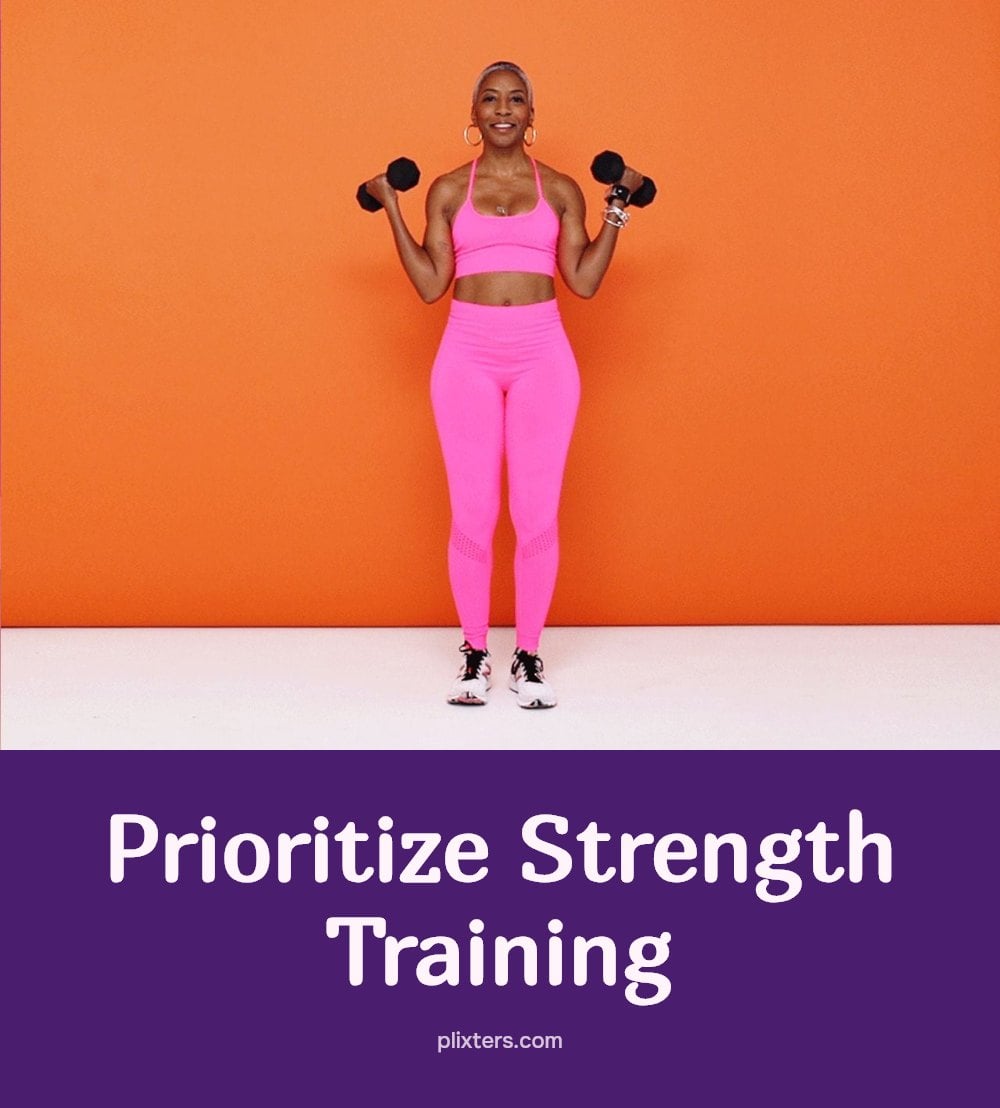
Strength training is the foundation of a toned look because it builds the muscle that gives you shape. Aim for 2 to 4 sessions each week, hitting all major muscle groups (legs, back, chest, arms, core).
- Choose challenging weights: If you can easily do 15 reps, go heavier. You want the last few reps to feel tough.
- Apply progressive overload: Each week, try to add a little more weight, an extra rep, or one more set. That constant challenge is what sparks change.
2. Incorporate Cardiovascular Exercise
Cardiovascular exercise helps burn calories and reduce overall body fat, making the muscle you build more visible. Include 3 to 5 sessions per week, each lasting 30 to 60 minutes.
- Mix it up: Try running, cycling, brisk walking, or swimming. Variety prevents boredom and works different energy systems.
- Keep intensity moderate: You should be able to talk but not sing during steady-state cardio. For interval work, push harder but keep the hard efforts short.
3. Eat a Balanced, Whole Food Diet
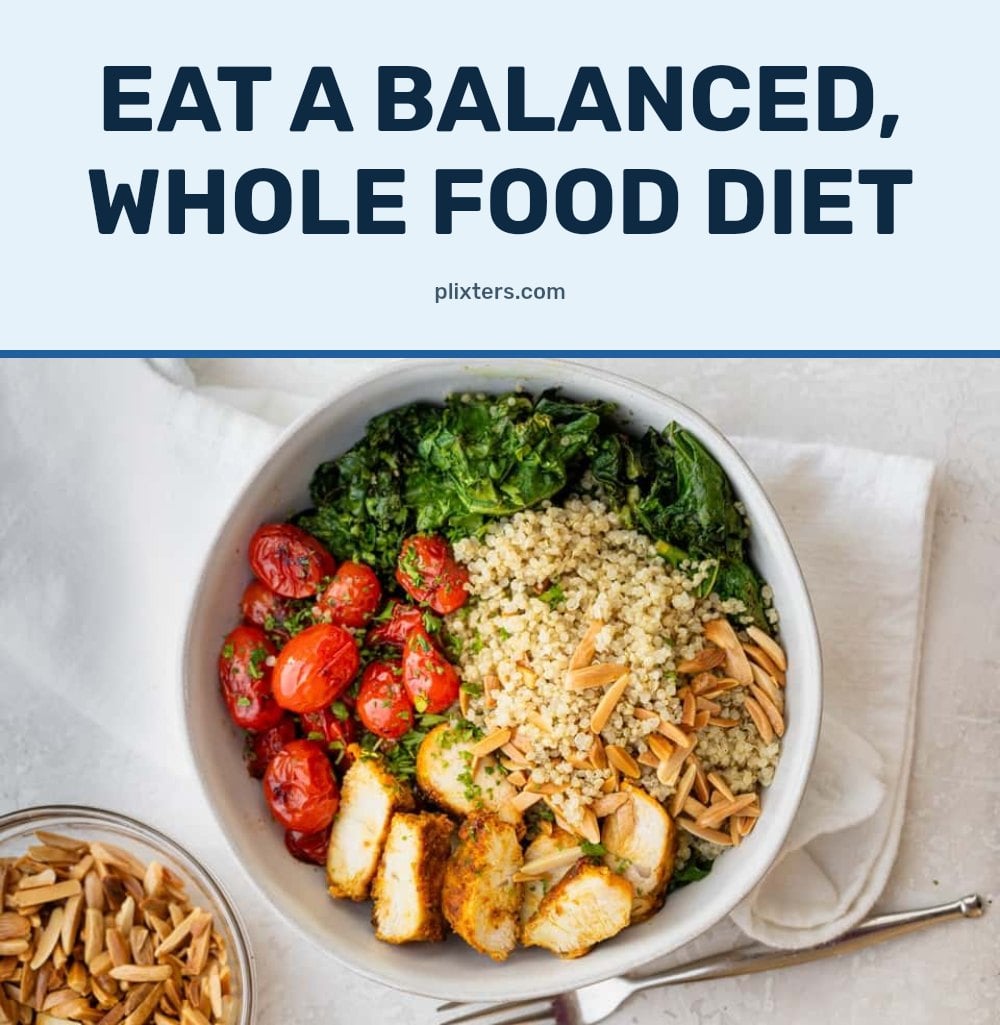
A calorie deficit is necessary for fat loss, but how you create it matters. Focus on nutrient-dense, unprocessed foods rather than just eating less.
- Fill your plate: Prioritize lean proteins (chicken, fish, tofu), complex carbohydrates (quinoa, sweet potatoes, oats), and healthy fats (avocado, nuts, olive oil).
- My tip: Think of your plate as fuel for your workouts and recovery. If you’re training hard, feed your body well, don’t starve it.
4. Ensure Adequate Protein Intake
Protein is the building block your muscles need to repair and grow after strength training sessions. Without enough of it, your body struggles to rebuild the muscle fibers you break down during exercise, which slows your progress.
Aim to include a protein source with every meal to keep muscle synthesis supported throughout the day. Good options include:
- Chicken or turkey breast
- Fish like salmon or tuna
- Eggs
- Tofu or tempeh
- Legumes like lentils and chickpeas
Tip: Pair your post-workout meal with protein within a couple of hours to maximize recovery.
5. Practice Progressive Overload
Progressive overload simply means making your workouts gradually harder over time. Your muscles adapt to a given challenge, so if you keep doing the same routine, they stop changing. That is why you need to nudge the difficulty up on a regular basis.
- Lift heavier: Add 5 pounds to your squat or bicep curl when the current weight feels manageable for all reps.
- Add reps or sets: Go from 10 to 12 reps, or add one extra set to your main lifts.
- Increase duration: Extend your cardio session by 5 minutes each week, or add a few more minutes to your plank hold.
My tip: Keep a workout journal. Write down the weight, reps, and sets for each exercise, and aim to beat those numbers next time. This simple habit ensures you never stall without noticing.
6. Stay Well Hydrated
Water does more than quench thirst, it directly supports your toning efforts. Proper hydration keeps your metabolism running efficiently and helps transport nutrients to your muscles, which matters most around your workouts. Even mild dehydration can make your sessions feel harder and reduce your performance.
Your goal is simple: sip consistently rather than chugging occasionally. Carry a water bottle with you through the day and refill it at set times, like after meals or before each workout. A good rule is to drink enough so your urine stays light yellow, and add extra water on days you sweat heavily.
7. Prioritize Quality Sleep

Sleep is when your body does its most important repair work, including rebuilding the muscle fibers you broke down during strength training. Aim for 7 to 9 hours of quality sleep each night, because this is also when your body regulates hormones that control appetite and muscle growth. Skimping on sleep can work against you, making it harder to build muscle and lose fat even when your workouts and diet are on point.
Tip: Go to bed and wake up at the same time every day, even on weekends. A consistent schedule helps your body’s natural repair processes run smoothly, so you wake up ready for your next session.
8. Focus on Compound Exercises
Compound exercises are the most efficient way to get a toned look because they work several muscle groups at once, so you build strength and burn more calories in less time. Instead of isolating one muscle, these moves train your body to move the way it does in real life.
Start with the basics:
- Squats: target your quads, hamstrings, glutes, and core.
- Deadlifts: work your back, glutes, hamstrings, and grip.
- Lunges: engage your legs, glutes, and balance muscles.
- Push-ups: hit your chest, shoulders, triceps, and core.
My tip: build your strength sessions around these movements first, then add isolation exercises if you have time. They give you the most bang for your effort and build the overall strength that makes your physique look defined.
9. Be Consistent and Patient
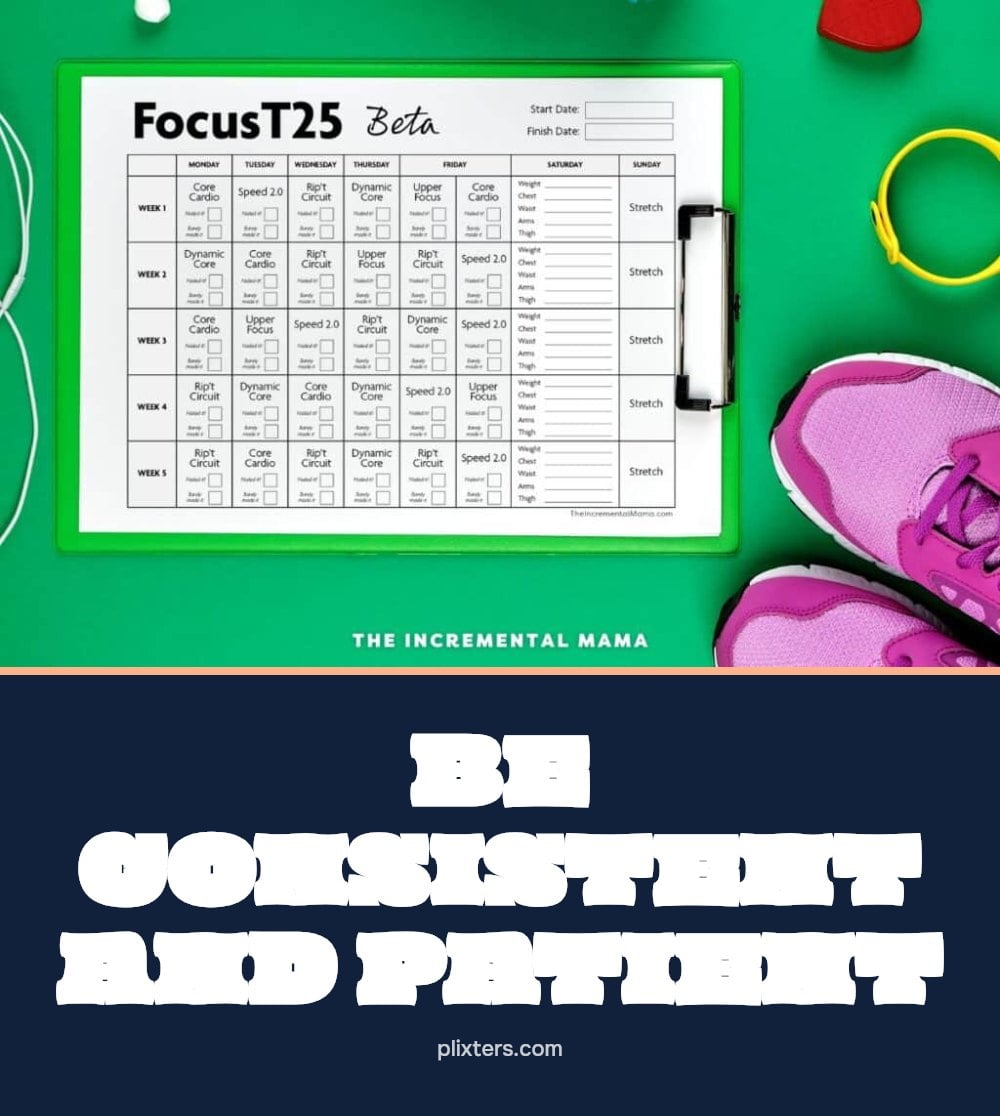
Showing up consistently beats going all out once a week. Your body responds to regular training and steady nutrition habits, not occasional heroic efforts. That doesn’t mean every workout needs to be perfect, it means you keep showing up even when motivation dips.
Results take time, and knowing the timeline helps you stay patient. Most people start noticing changes in 4 to 8 weeks of consistent work, with more significant transformations appearing after 3 to 6 months. Muscle growth and fat loss happen gradually, so don’t judge progress by a single week.
When the scale stalls or you feel stuck, remind yourself that this is normal. Trust the process and keep your routine going, the payoff comes to those who stay steady.
10. Listen to Your Body and Rest
Rest days are when your muscles actually repair and grow, so skipping them can stall your progress and lead to overtraining. If you feel sharp pain, dizziness, or extreme fatigue, that’s your cue to stop and recover, not push through.
Good to know: On your off days, try active recovery like light stretching, a gentle walk, or yoga. It keeps blood flowing without adding stress, and you’ll come back stronger for your next session.
11. Consult a Professional
Before you start a new exercise program, especially if you have underlying health conditions, talk to your healthcare professional. They can confirm that strength training and cardio are safe for your situation and help you adjust intensity as needed.
Consider working with a certified personal trainer, even for a few sessions. A trainer ensures your form is correct, which prevents injury, and builds a personalized plan that matches your current fitness level and goals. They also help you set realistic milestones, so you stay motivated without overdoing it.
- Check first: Medical clearance matters if you have joint issues, heart conditions, or are new to exercise.
- Hire help: A trainer corrects small form mistakes before they become injuries.
- Set goals together: Professional guidance keeps your expectations aligned with what your body can safely achieve.
Common Toning Mistakes to Avoid
Believing in ‘light weights, high reps’: Many women shy away from heavier weights, worried they’ll get bulky. But challenging your muscles with more resistance, while keeping good form, is what actually creates definition. Don’t be afraid to lift heavier.
Neglecting diet: Exercise alone won’t get you toned if your food isn’t supporting fat loss and muscle growth. You can’t out-train a poor diet. What you eat matters as much as what you lift.
Expecting spot reduction: You cannot target fat loss from your arms, belly, or thighs specifically. Fat loss happens all over your body. Focus on reducing overall body fat and building muscle everywhere.
Not progressively challenging muscles: If your workouts stay the same week after week, your muscles have no reason to adapt and grow stronger. Always aim to increase intensity, duration, or resistance over time.
Frequently Asked Questions
How long does it take to see toning results?
Most women start to notice visible changes in 4 to 8 weeks of consistent training and proper nutrition. Significant transformations typically appear after 3 to 6 months. The timeline depends on factors like your starting point, workout intensity, and how closely you follow your diet and recovery plan.
Can I tone without going to a gym?
Yes, you can. Bodyweight exercises like squats, push-ups, and lunges are effective for building strength and toning, especially if you’re a beginner. You can also use resistance bands at home. To keep progressing, you’ll need to increase the challenge, like adding more reps or using heavier bands.
Is ‘spot toning’ possible for specific areas?
No, spot toning is a myth. You can’t target fat loss from one area, like your belly or thighs, with specific exercises. Fat loss happens systemically across your body. Strength training builds muscle in targeted areas, but the fat covering that muscle will only reduce with an overall calorie deficit and cardio.
How important is protein for toning?
Protein is essential for muscle repair and growth. Without enough, your body can’t rebuild the muscle fibers you break down during strength training, which slows your progress. Aim to include a protein source with every meal, such as chicken, fish, tofu, or beans, to support your toning efforts.
What role does sleep play in muscle toning?
Sleep is when your body does its main repair work, rebuilding muscle fibers and regulating hormones that control appetite and stress. Getting 7 to 9 hours of quality sleep each night helps ensure your muscles recover properly, so you’re ready for your next workout and less likely to overeat.
Final Thoughts
My tip: Start with two strength sessions and two cardio sessions per week, and build from there. Expect to see noticeable changes in 4 to 8 weeks, with bigger shifts after 3 to 6 months of consistent effort. Remember, toning is a gradual process, so don’t get discouraged if progress feels slow at first. Stick with the plan, listen to your body, and you’ll get there.
This article provides general fitness information and is not a substitute for professional medical advice. Before starting any new exercise program, especially if you have underlying health conditions, consult a healthcare provider or certified trainer. Stop exercising if you experience sharp pain, dizziness, or extreme fatigue, and seek medical help for persistent issues.