
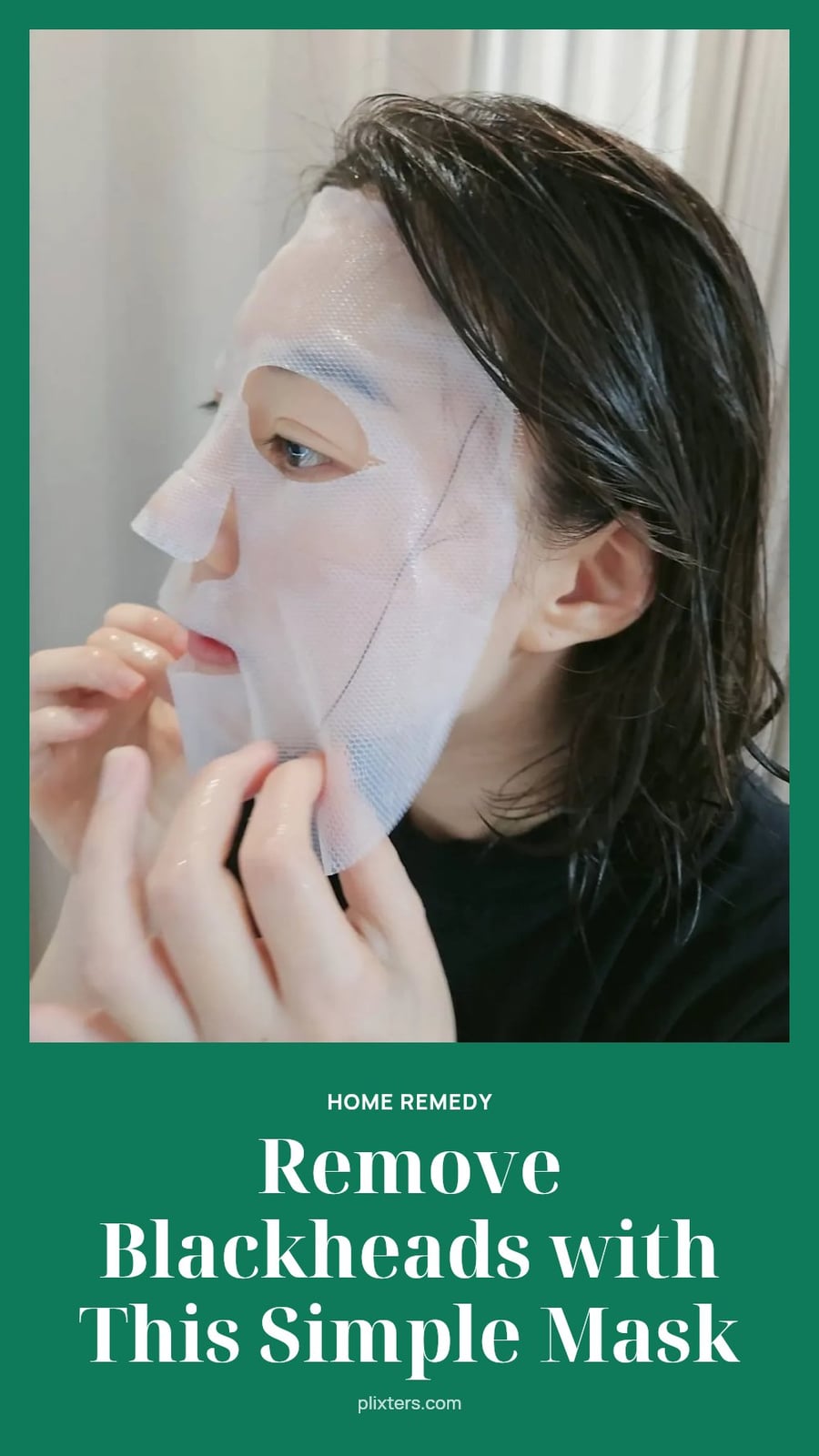
 Save
Blackheads can be frustrating, but they are not a sign of unclean skin. They form when a hair follicle becomes clogged with oil and dead skin cells, and the dark color is simply oxidation from the air. The good news is that with the right routine, you can manage them effectively at home. This article covers ten practical, dermatologist-backed ways to clear blackheads and keep your skin smooth.
From choosing the right cleanser to knowing when to see a professional, I’ll walk you through the steps that actually work. My tip: start with one or two changes and build up slowly to avoid irritation.
Key Takeaways
- Cleanse your face twice daily with a gentle cleanser to remove surface oil and dead skin cells.
- Use salicylic acid (BHA) to exfoliate inside pores and dissolve blackhead-forming clogs.
- Apply a clay mask 1-2 times a week to absorb excess oil and draw out impurities.
- Always choose non-comedogenic products to prevent new blackheads from forming.
- Consistent results from treatments typically appear within 4-6 weeks, with continued improvement over months.
13 ideas in this post
- How to Effectively Clear Blackheads at Home
- 1. Cleanse Your Skin Twice Daily
- 2. Incorporate Salicylic Acid (BHA)
- 3. Use a Retinoid Product
- 4. Apply a Clay Mask Weekly
- 5. Gently Exfoliate Your Skin
- 6. Choose Non-Comedogenic Products
- 7. Moisturize Regularly
- 8. Consider Steaming Your Face
- 9. Explore Professional Extractions
- Common Blackhead Mistakes to Avoid
- Frequently Asked Questions
- Final Thoughts
How to Effectively Clear Blackheads at Home
To clear blackheads at home, focus on a consistent routine that includes gentle cleansing, regular exfoliation, and targeted ingredients. Blackheads are open comedones, clogged hair follicles exposed to air, not dirt. The dark color comes from oxidation, not unclean skin. Effective at-home solutions use salicylic acid to exfoliate inside pores, retinoids to speed cell turnover, and clay masks to absorb excess oil. Consistency over weeks, not days, is what delivers visible results. Stick with your routine, and you’ll see improvement over time.
1. Cleanse Your Skin Twice Daily

Cleansing twice a day is the foundation of any blackhead routine. A gentle cleanser removes surface oil and dead skin cells before they can build up and clog pores. My tip: I’ve found that a gentle, hydrating cleanser sets the stage for everything else. Avoid harsh formulas that strip the skin, as that can trigger more oil production and worsen blackheads. Look for a cleanser labeled non-comedogenic to ensure it won’t clog pores.
2. Incorporate Salicylic Acid (BHA)
Salicylic acid, a beta hydroxy acid (BHA), is oil-soluble, meaning it can penetrate deep into pores to exfoliate from within. It dissolves the sebum and dead skin cells that form blackheads. Start with a lower concentration (0.5% to 2%) and use it a few times a week, gradually increasing as your skin tolerates it. My tip: Look for it in cleansers, toners, or serums. I personally love a BHA toner a few times a week. If you experience redness or peeling, reduce frequency.
3. Use a Retinoid Product
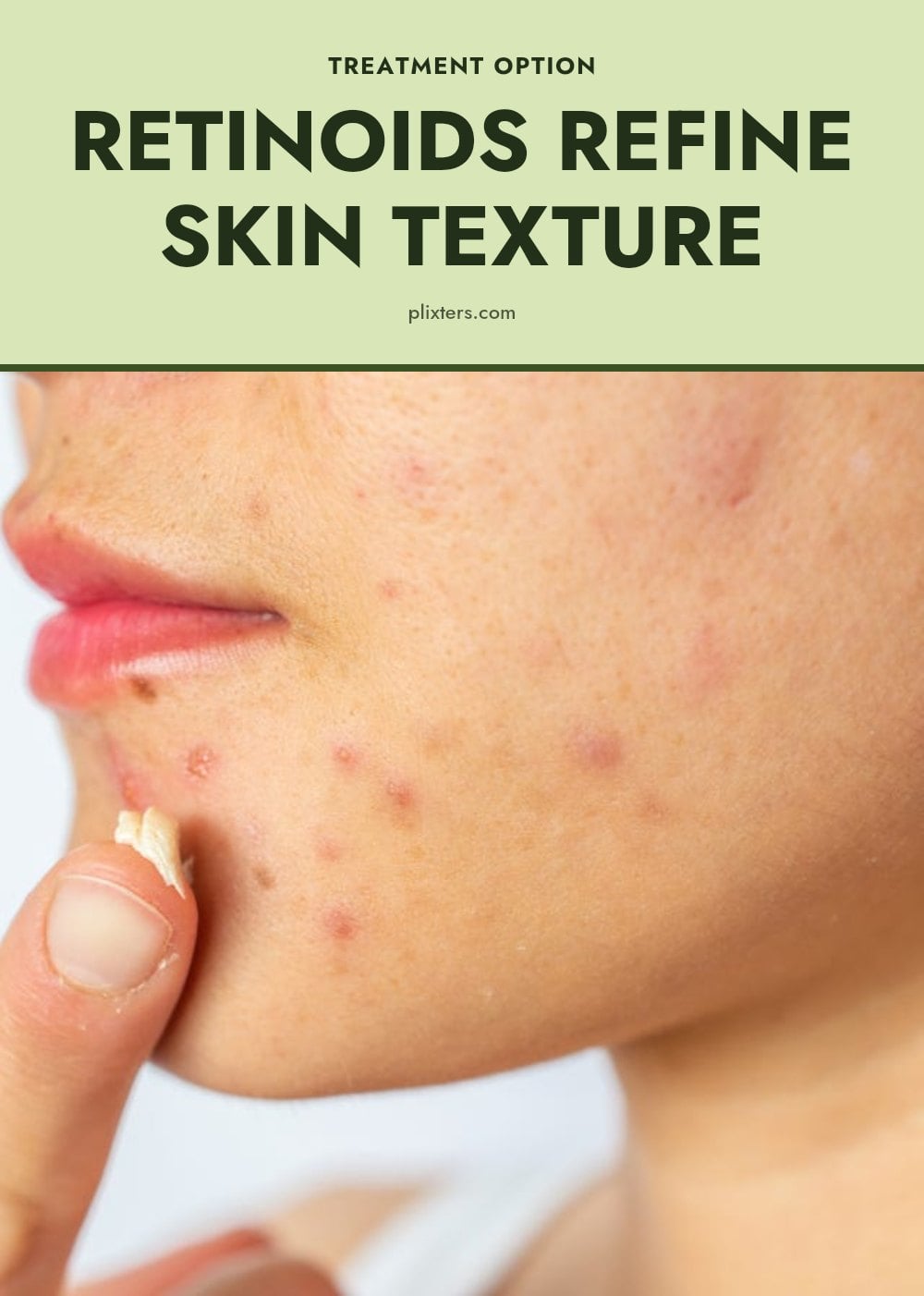
Retinoids like retinol speed up cell turnover, which helps prevent new clogs from forming and can improve the appearance of existing blackheads over time. Apply retinoids only at night, as they break down in sunlight. Always wear sunscreen during the day because retinoids increase sun sensitivity. Tip: Start with a low-strength retinol a couple of nights a week and build up gradually to avoid irritation. Pair with a gentle moisturizer to support your skin barrier.
4. Apply a Clay Mask Weekly
Clay masks, like those made with bentonite or kaolin, work by absorbing excess oil and drawing impurities out of your pores. This can help temporarily minimize the appearance of pores, making your skin look smoother. Use a clay mask 1-2 times a week, but don’t let it dry completely on your face, rinse it off while it’s still slightly damp to avoid dehydrating your skin.
Good to know: I love a good clay mask for a quick refresh, especially on my T-zone. Follow it with a lightweight moisturizer to keep your skin balanced.
5. Gently Exfoliate Your Skin
Exfoliation removes dead skin cells from the surface, preventing them from clogging your pores. For blackheads, you have two gentle options: physical exfoliation with a very fine scrub or chemical exfoliants like AHAs (alpha hydroxy acids) that dissolve the bonds between dead cells. Many people find that chemical exfoliants are less abrasive and more effective at improving skin texture.
Pro move: I prefer chemical exfoliants for blackheads, but a very fine scrub can be nice for surface smoothness. Whichever you choose, limit exfoliation to 2-3 times a week to avoid stripping your skin.
6. Choose Non-Comedogenic Products
Non-comedogenic skincare and makeup products are specifically formulated not to clog pores. Using them helps prevent new blackheads from forming by avoiding ingredients that trap oil and dead cells inside your follicles. This is especially important for moisturizers, sunscreens, and foundations, which sit on your skin for hours.
Quick tip: Always check labels for “non-comedogenic” or “non-acnegenic” on every product you buy. It’s a simple habit that makes a real difference in keeping your pores clear.
7. Moisturize Regularly
Even if your skin is oily, it still needs moisture to maintain a healthy barrier. When your skin gets dehydrated, it can overcompensate by producing more oil, which can lead to more clogged pores and blackheads. Use a lightweight, non-comedogenic moisturizer twice daily, once in the morning and once at night.
Tip: Don’t skip this step. A gel-based or oil-free moisturizer can give you the hydration you need without adding shine or congestion.
8. Consider Steaming Your Face
Warm steam helps soften your skin and loosen the blockages inside your pores, making them easier to clear. For best results, steam your face after cleansing, then follow up with a gentle cleanser or a clay mask while your pores are open.
Good to know: Keep a safe distance from the steam source and avoid water that is too hot. I love a good steam before a clay mask; it feels so relaxing and prepares my skin for the mask to work deeper.
9. Explore Professional Extractions
For stubborn or deep blackheads, professional extractions by an esthetician or dermatologist are the safest option. They use sterile tools and proper techniques to remove blackheads without causing damage or scarring.
Pro move: If you have a few really persistent blackheads, don’t try to tackle them yourself. A pro can do it safely, and you avoid the risk of irritation or infection that often comes with at-home squeezing.
Common Blackhead Mistakes to Avoid
Aggressive Squeezing: Picking or squeezing blackheads yourself can lead to irritation, infection, or scarring. Leave extractions to professionals who have sterile tools and know how to do it safely.
Over-Exfoliating: Using harsh scrubs or exfoliating too often damages your skin barrier, which can actually increase oil production and make blackheads worse.
Relying on Pore Strips: Pore strips only remove the surface of a blackhead, not the entire blockage, and they can irritate your skin, especially with frequent use.
Skipping Moisturizer: Oily skin still needs hydration. Dehydrated skin overcompensates by producing more oil, which can lead to more clogged pores.
Using Harsh Home Remedies: Never apply toothpaste, lemon juice, or other irritating ingredients directly to your skin. They can cause severe damage and make blackheads worse.
Frequently Asked Questions
Are pore strips effective for blackheads?
Pore strips can remove the top layer of a blackhead, making pores look temporarily cleaner. However, they do not remove the entire clog and can irritate the skin, especially if used too often. They are not a long-term solution and may even worsen the problem by causing inflammation.
Can I get rid of blackheads permanently?
Blackheads are a recurring condition because your skin constantly produces oil and sheds dead cells. While you cannot permanently stop them, you can effectively manage them with a consistent routine of cleansing, exfoliation, and non-comedogenic products. Long-term control is realistic, but complete elimination is not.
Does diet affect blackheads?
Research on diet and blackheads is not conclusive. Some studies suggest that high-glycemic foods and dairy may worsen acne in some people, but blackheads specifically may not respond as clearly. If you notice a pattern with certain foods, it may be worth adjusting your diet, but diet alone is unlikely to clear blackheads.
How long does it take for blackhead treatments to work?
With consistent daily use of effective ingredients like salicylic acid or retinoids, you can expect to see initial improvement in about 4 to 6 weeks. Continued use over several months leads to better results. Patience is key, as blackheads form slowly and take time to clear.
What causes blackheads?
Blackheads form when a hair follicle becomes clogged with excess sebum and dead skin cells. Unlike whiteheads, the pore remains open, and the trapped material oxidizes upon exposure to air, turning dark. They are not caused by dirt, and common areas include the nose, chin, forehead, chest, and back.
Final Thoughts
Clearing blackheads is a process, not a one-time fix. The most effective approach combines daily gentle cleansing, targeted ingredients like salicylic acid or retinoids, and weekly clay masks. Expect to see noticeable improvement after about four to six weeks of consistent use, and continue your routine to maintain results.
If you have stubborn or deep blackheads that don’t respond to home care, a professional extraction from a dermatologist or esthetician is the safest way to get them cleared. Stick with your routine, be patient, and your skin will thank you.
This article is for general informational purposes only and does not constitute medical advice. Skin care products and routines affect individuals differently. If you have persistent, widespread, or painful blackheads, or any concerns about your skin, consult a dermatologist or other qualified healthcare professional.




