
 Save
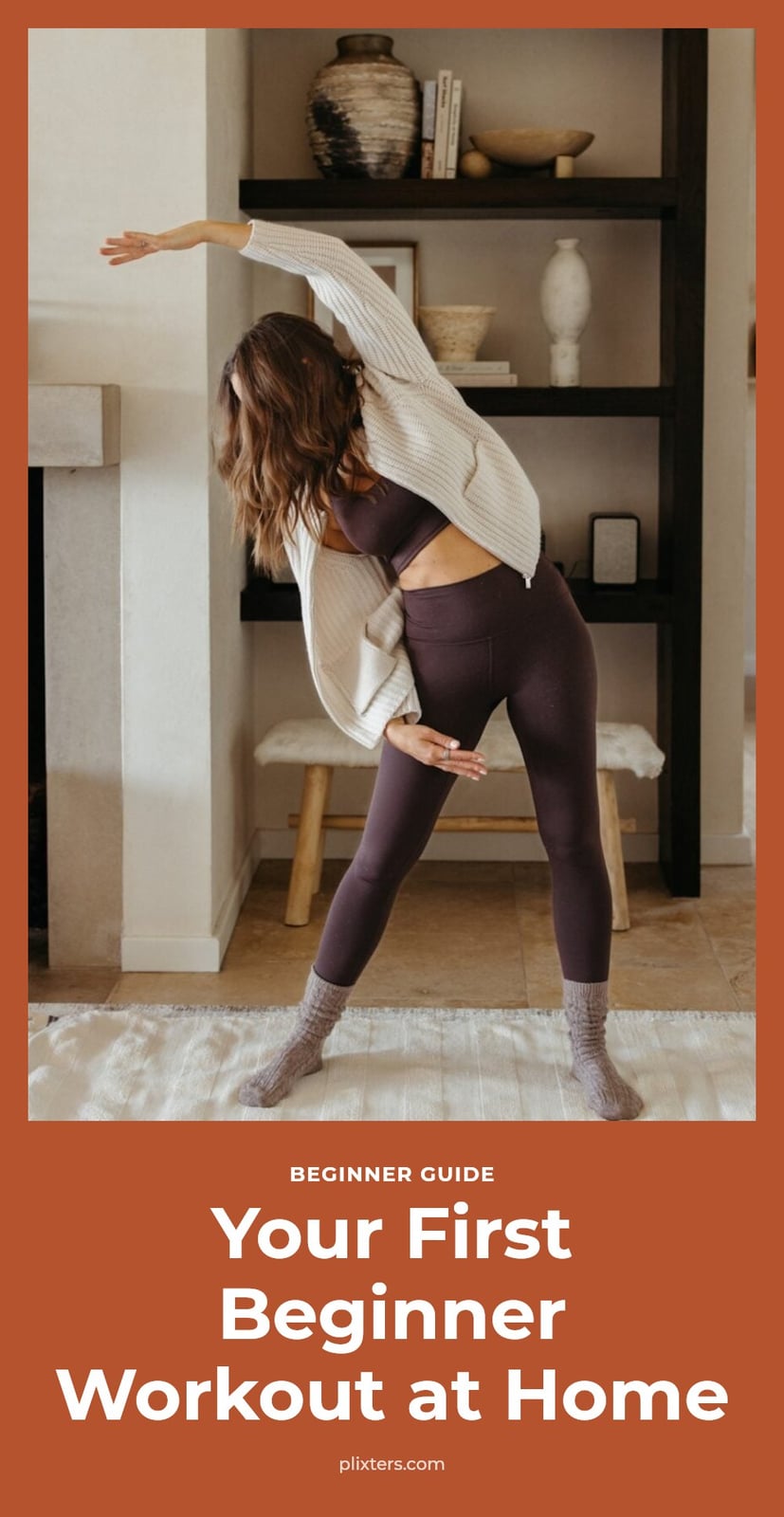
Starting a workout routine at home can feel overwhelming, but it doesn’t have to be. The key is to focus on simple, foundational movements that build strength and confidence without any fancy equipment. This plan walks you through a complete beginner workout, including a warm-up, strength exercises, and a cool-down, so you know exactly what to do and how to do it safely.
Whether you’re brand new to exercise or coming back after a long break, this routine is designed to meet you where you are. You’ll learn the essential exercises, how to structure your week, and the common mistakes to avoid, all from the comfort of your living room.
Key Takeaways
- Warm up for 5-10 minutes and cool down for 5-10 minutes with every workout.
- Perform 8-12 repetitions per set for strength exercises, starting with 1-2 sets.
- Aim for 2-3 full-body strength sessions and 150 minutes of moderate cardio per week.
- Focus on proper form over speed or heavy weights to prevent injury.
- Listen to your body, take rest days, and stop if you feel sharp pain.
12 ideas in this post
What You Need to Start Your Home Workout
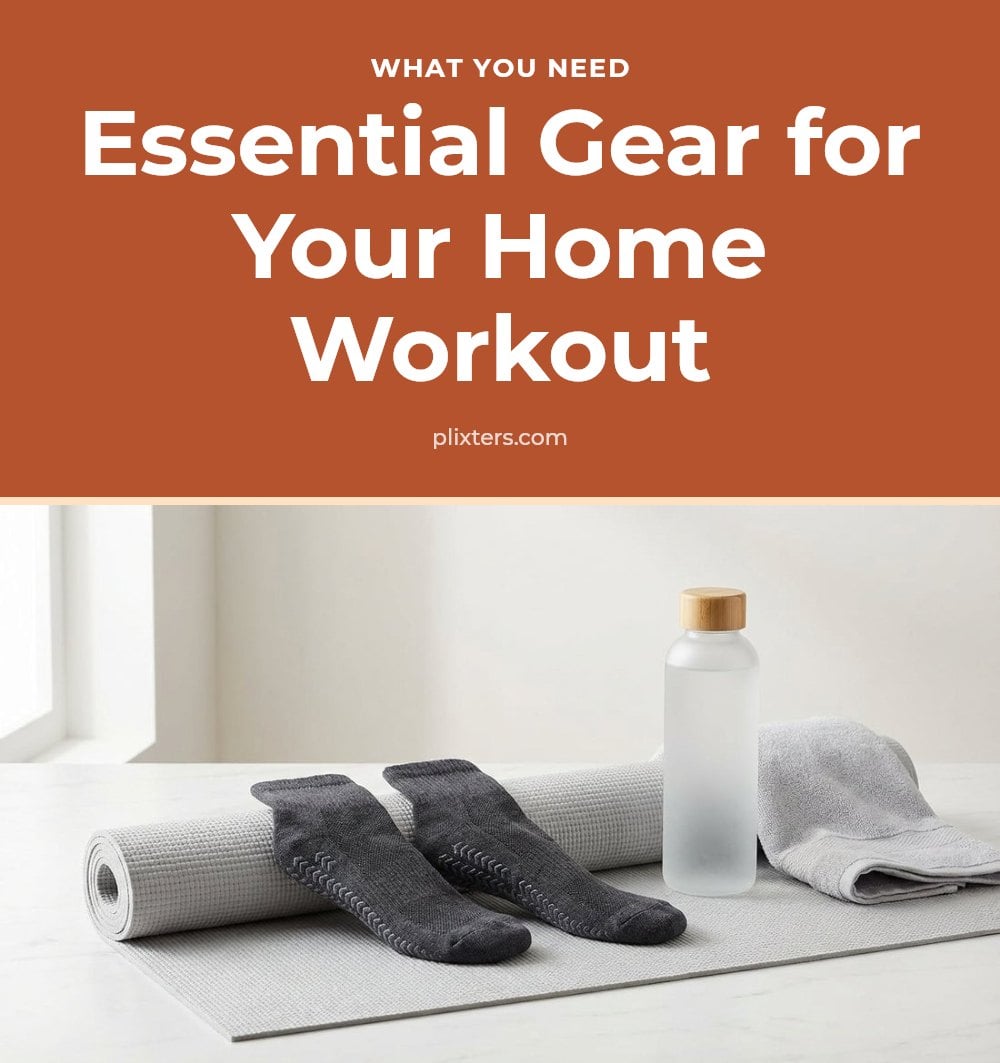
You don’t need a gym membership or fancy equipment to start working out at home. Comfortable athletic clothing that lets you move freely is your first priority, along with supportive athletic shoes to protect your feet and joints during standing exercises. Keep a water bottle nearby to stay hydrated before, during, and after your session. A yoga mat is optional but adds cushioning for floor moves like planks and glute bridges. A towel can come in handy for sweat, especially as you build intensity.
1. Warm-Up: Arm Circles

Warming up for 5-10 minutes prepares your muscles and joints for exercise, which can help prevent injury. Arm circles are a simple way to loosen up your shoulders and upper body.
- Sets and reps: 30 seconds forward, then 30 seconds reverse.
- Form cue: Keep your arms at shoulder height and move in small, controlled circles.
- Make it easier or harder: Start with smaller circles, or make them larger for more range of motion.
2. Squats

Squats are a foundational lower-body exercise that builds strength in your thighs and glutes. Start with your feet shoulder-width apart and toes slightly turned out. Lower your hips as if sitting back into a chair, keeping your chest up and back straight. Aim for thighs parallel to the floor, or as low as feels comfortable. Push through your heels to return to standing.
- Sets and reps: 2 sets of 8-12 reps, rest 60-90 seconds between sets.
- Form cue: Keep your knees tracking over your toes, not caving inward.
- Make it easier or harder: Hold a wall for balance, or raise your arms forward as you lower for a greater challenge.
3. Modified Push-Ups
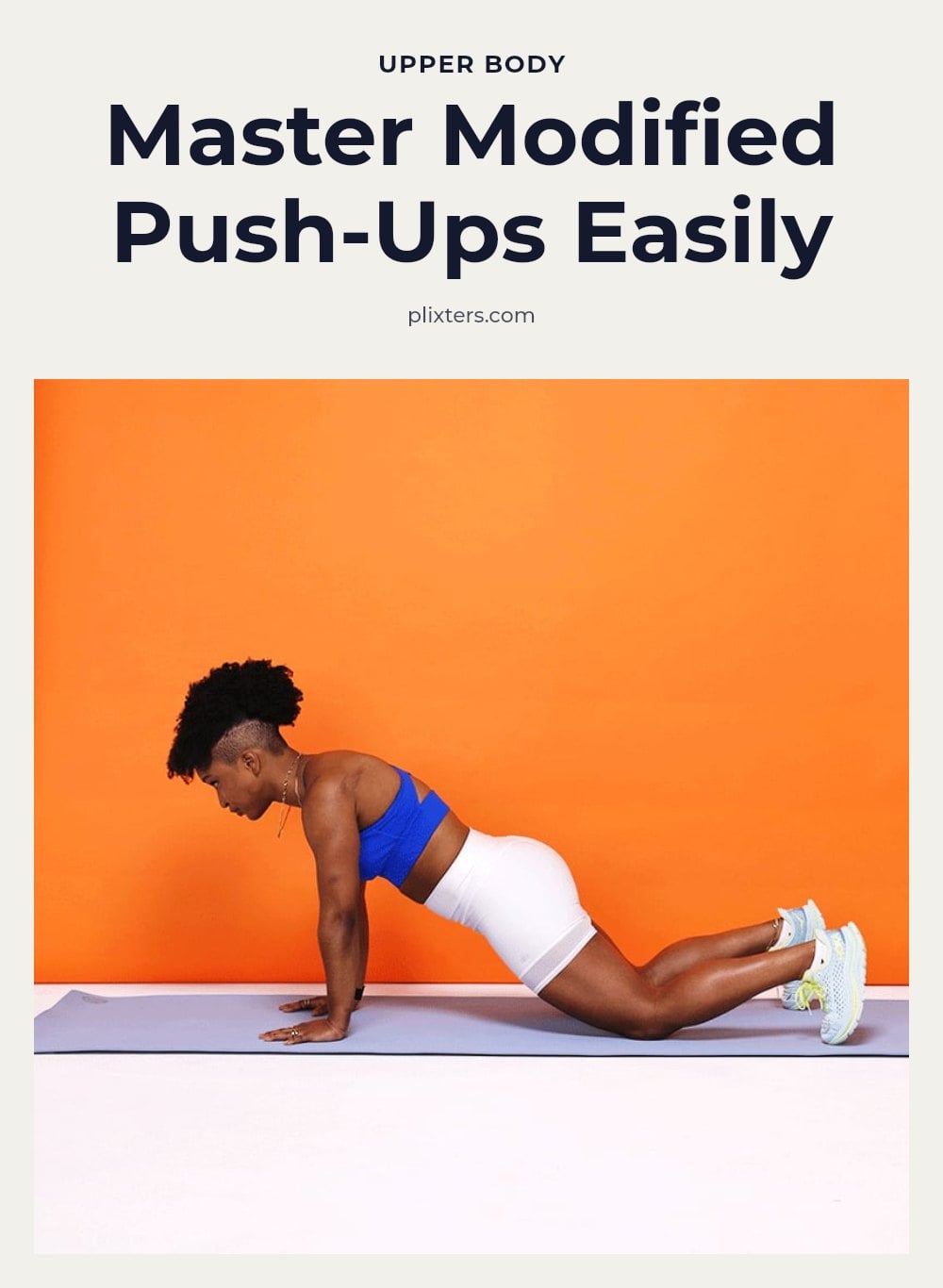
Modified push-ups on your knees are perfect for beginners who aren’t ready for full push-ups yet. Start on your hands and knees with hands slightly wider than shoulder-width apart. Keep your back straight and core engaged as you lower your chest toward the floor by bending your elbows. Push back up to the starting position with control.
- Sets and reps: 2 sets of 8-12 reps, rest 60-90 seconds between sets.
- Form cue: Keep your body in a straight line from head to knees, no sagging hips.
- Make it easier or harder: Place your hands on a sturdy elevated surface, or progress to full push-ups when you’re ready.
4. Glute Bridges
Lie on your back with knees bent, feet flat on the floor hip-width apart, and arms by your sides. Engage your glutes to lift your hips until your body forms a straight line from shoulders to knees. Hold for a second at the top, squeezing your glutes, then slowly lower back down.
- Sets and reps: 2 sets of 8-12 repetitions, resting 60-90 seconds between sets.
- Form cue: Keep your core tight and avoid arching your lower back at the top.
- Make it easier or harder: For less intensity, reduce the range of motion. For more, hold the top position for 2-3 seconds or perform single-leg glute bridges.
5. Plank
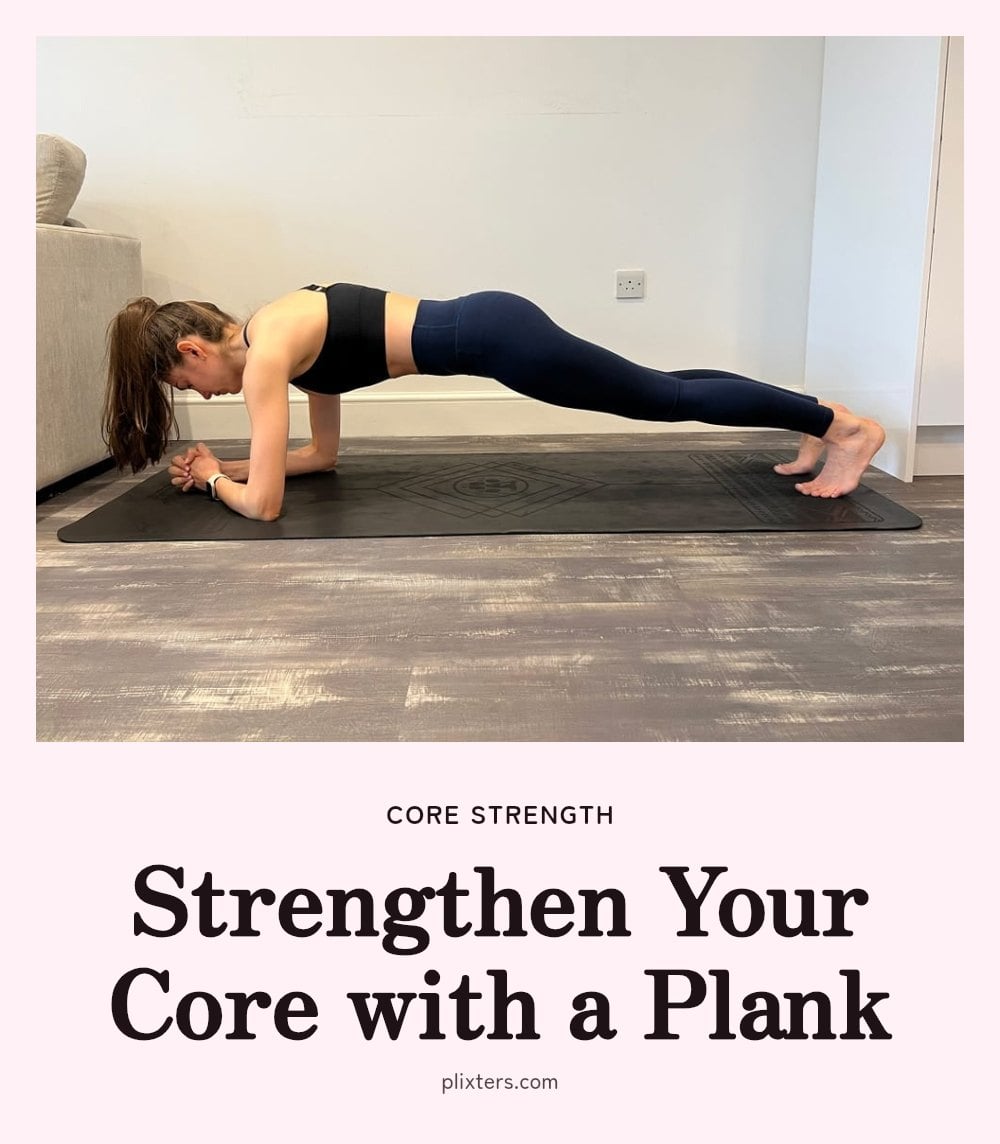
Start in a push-up position, then lower onto your forearms. Keep your body in a straight line from head to heels by engaging your core, glutes, and quads. Avoid letting your hips sag or rise too high.
- Time: Hold for 20-30 seconds, or as long as you can maintain good form. Perform 2 sets, resting 60-90 seconds between sets.
- Form cue: Imagine a straight line from your shoulders to your ankles; your hips should not dip or pike.
- Make it easier or harder: Drop to your knees for a modified plank. To challenge yourself, hold for 5-10 seconds longer each session.
6. Standing Lunges
Stand tall with feet hip-width apart. Step one leg forward and lower your hips until both knees are bent at about a 90-degree angle. Your front knee should be directly above your ankle, and your back knee should hover just above the floor. Push off your front foot to return to standing.
- Sets and reps: 2 sets of 8-12 repetitions per leg, resting 60-90 seconds between sets.
- Form cue: Keep your torso upright and your front knee tracking over your second toe, not past your toes.
- Make it easier or harder: Hold onto a wall or chair for balance. For more difficulty, add a rear foot elevated split squat (Bulgarian split squat) once you master the basic lunge.
7. Cool-Down: Hamstring Stretch
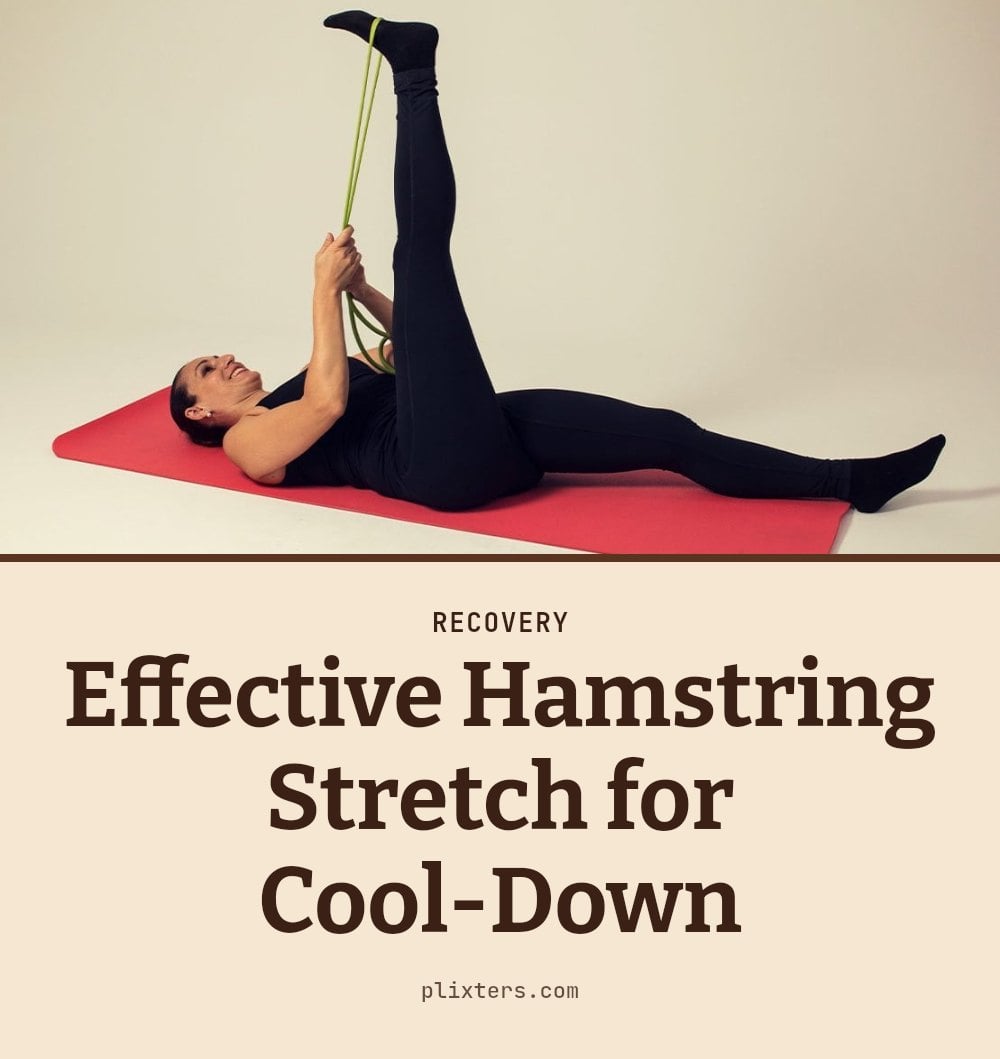
Lie on your back and bring one knee toward your chest. Extend that leg toward the ceiling and gently grasp behind your thigh or calf, avoid pulling on the knee itself. Pull the leg closer until you feel a stretch in the back of your thigh.
- Time: Hold for 20-30 seconds per leg, then switch. Repeat for a total of 5-10 minutes of stretching.
- Form cue: Keep your hips flat on the floor and your extended leg straight but not locked.
- Make it easier or harder: Bend your knee slightly to reduce the stretch. For a deeper stretch, flex your foot and pull the leg closer.
Your Weekly Beginner Workout Schedule
To build a sustainable routine, aim for 2-3 full-body strength training sessions per week, using the exercises above. On other days, incorporate aerobic activity to reach a total of 150 minutes of moderate-intensity cardio (like brisk walking or jogging in place) or 75 minutes of vigorous-intensity cardio (like jumping jacks or high knees) spread throughout the week.
| Day | Workout Focus | Notes |
|---|---|---|
| Monday | Full-body strength | 2 sets, 10-12 reps each |
| Tuesday | Cardio (30-40 min moderate) | Brisk walk or jog in place |
| Wednesday | Rest or light stretching | Listen to your body |
| Thursday | Full-body strength | Same as Monday |
| Friday | Cardio (30-40 min moderate) | Or 15-20 min vigorous |
| Saturday | Full-body strength | Optional third session |
| Sunday | Rest | Muscle recovery |
Consistency matters more than intensity when you’re starting out. Take rest days whenever you feel sore or tired. Your muscles need time to repair and grow stronger.
Common Beginner Workout Mistakes to Avoid
Even with good intentions, beginners often fall into a few common traps. Here’s how to avoid them.
- Skipping Warm-Ups and Cool-Downs: Always dedicate 5-10 minutes to prepare your body and 5-10 minutes to aid recovery. This reduces injury risk and helps you perform better.
- Prioritizing Speed Over Form: Focus on slow, controlled movements and correct technique for every exercise. Rushing through reps can lead to bad habits and injury.
- Not Taking Rest Days: Your muscles need time to repair and grow stronger. Aim for 1-2 rest days per week and don’t feel guilty about taking them.
- Ignoring Pain Signals: Sharp pain is your body’s way of telling you to stop. Don’t push through it. If something hurts, stop the exercise and consult a doctor if needed.
- Trying Too Much Too Soon: Start with 1-2 sets per exercise and gradually increase as you get stronger. Don’t compare yourself to others; focus on your own progress.
- Holding Your Breath: Remember to breathe throughout your exercises. Typically, exhale on the effort (lifting or pushing) and inhale on the release.
Frequently Asked Questions
How often should a beginner workout?
Beginners should aim for 3-5 days of exercise per week. This typically includes 2-3 days of full-body strength training and a couple of days of aerobic activity like brisk walking or jogging in place. Rest days are important for muscle recovery, so listen to your body and take a day off when you need it.
How long should a beginner workout last?
A complete beginner workout session, including a warm-up, strength exercises, and a cool-down, can take about 20-40 minutes. Start with a 5-10 minute warm-up, perform 1-2 sets of each strength exercise with 60-90 seconds of rest between sets, and finish with a 5-10 minute cool-down. You can gradually increase the duration as you get stronger.
Can I lose weight with a beginner workout?
Yes, many people find that a consistent beginner workout routine can support weight loss, especially when combined with a balanced diet. The plan includes both strength training and aerobic activity, which can help burn calories and build muscle. For best results, aim for 150 minutes of moderate-intensity cardio per week and focus on gradual progress.
What should I eat before and after a workout?
Before a workout, a light snack with carbohydrates and a little protein, like a banana or a small piece of toast with peanut butter, can give you energy. After your workout, a meal or snack with protein and carbs, such as yogurt with fruit or a chicken salad, can help with muscle recovery. Proper hydration with water is also crucial before, during, and after exercise.
What are the best beginner exercises at home?
The best beginner exercises are bodyweight movements that build foundational strength and are easy to modify. Examples include squats, lunges, modified push-ups, glute bridges, and planks. These exercises target major muscle groups and can be done without any equipment, making them ideal for a home workout routine.
Final Thoughts
My tip: Start with just two strength sessions and one or two cardio days per week. It is better to build a consistent habit with a simple schedule than to burn out by doing too much too soon. You can expect to see noticeable improvements in your strength and endurance within 4-6 weeks of sticking with it. Remember, every workout is a step forward, so celebrate the small wins along the way.
This information is for general informational purposes only and does not constitute medical advice. Always consult with a qualified healthcare professional before starting any new exercise program, especially if you have any underlying health conditions or concerns. Stop immediately and seek medical attention if you experience chest pain, severe shortness of breath, or sharp pain.




