
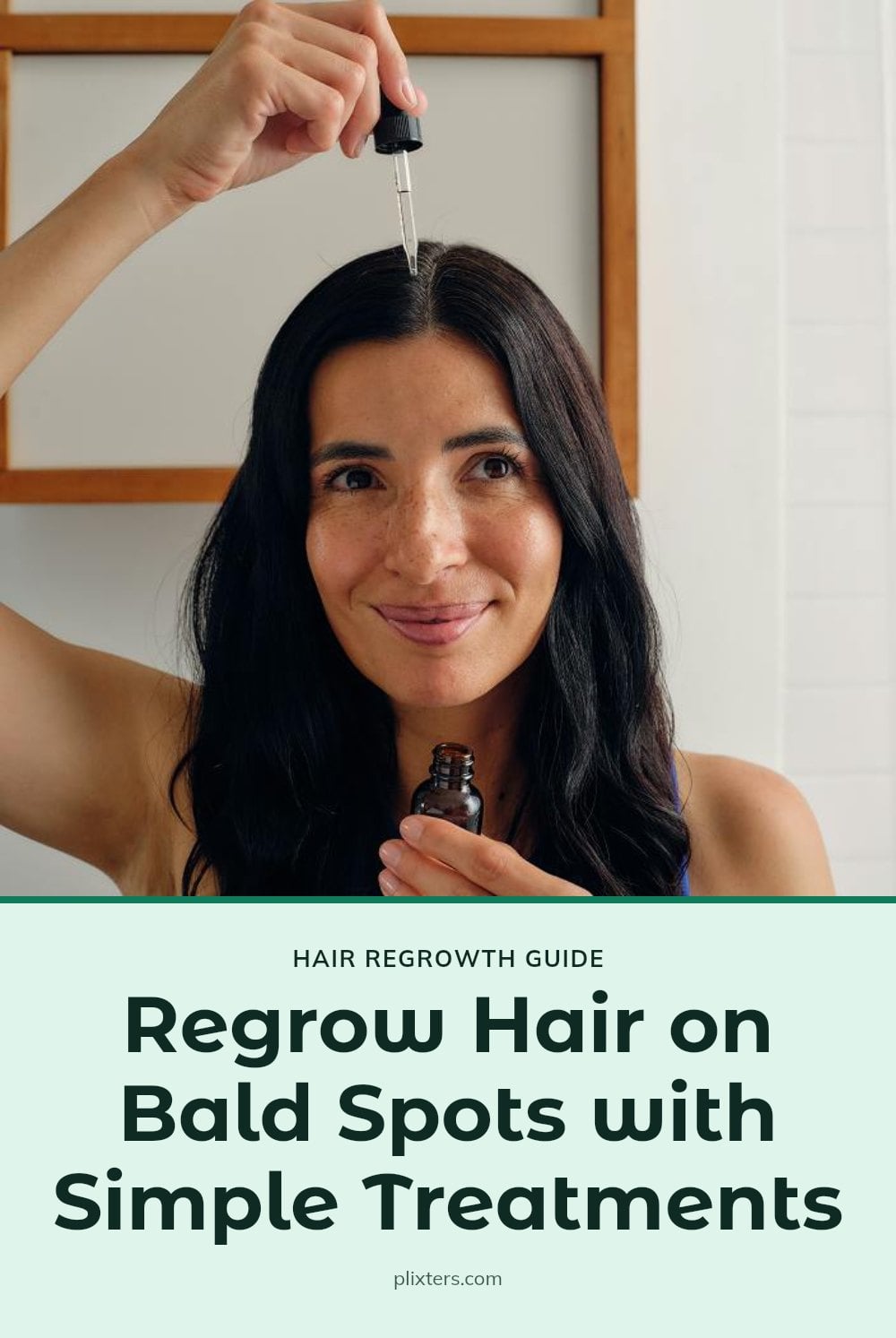
 Save
Seeing a bald spot in the mirror can be unsettling, especially when you’re not sure why it appeared or what to do about it. The good news is that many bald spots can be treated, and the right approach starts with understanding the cause. This guide covers the most common reasons for bald spots, the treatments that actually work, and what you can realistically expect from regrowth efforts.
Key Takeaways
- See a dermatologist to identify the cause before starting any treatment.
- Topical minoxidil is an over-the-counter option for pattern baldness, but results take 3-6 months.
- Avoid tight hairstyles and harsh chemicals to prevent further damage to hair follicles.
- Nutritional gaps in iron, zinc, biotin, or vitamin D can contribute to hair loss.
- Consistent use of treatments is critical; skipping applications delays progress.
10 ideas in this post
- What Causes Bald Spots and How Can You Treat Them?
- Understanding Why Bald Spots Appear
- Effective Methods to Treat and Regrow Hair on Bald Spots
- Tools and Products for Managing Bald Spots
- Common Mistakes to Avoid When Treating Bald Spots
- Preventing Further Hair Loss and New Bald Spots
- What to Expect: Treatment Timeline and Cost Considerations
- When to Consult a Professional for Your Bald Spots
- Frequently Asked Questions
- Final Thoughts
What Causes Bald Spots and How Can You Treat Them?
Bald spots can appear from several sources: genetics, autoimmune conditions like alopecia areata, high stress, tight hairstyles, or nutritional gaps in iron, zinc, biotin, and vitamin D. The right treatment depends entirely on what is causing your hair loss, so options range from topical minoxidil and lifestyle changes to medical interventions such as corticosteroids or hair transplants. My tip: Always see a dermatologist first for an accurate diagnosis. Self-treating without knowing the cause can waste time and may even make things worse.
Understanding Why Bald Spots Appear
Understanding Why Bald Spots Appear
Pinpointing the reason behind your bald spot is the first step toward effective treatment. Here are the most common causes:
- Androgenetic alopecia (pattern baldness): This is the most frequent cause, driven by genetics and hormones. It typically shows up as thinning or a distinct bald spot, often at the crown or temples.
- Alopecia areata: An autoimmune condition where your immune system mistakenly attacks hair follicles, producing smooth, round bald patches that can appear suddenly.
- Telogen effluvium: Triggered by major stress, illness, childbirth, or severe dieting, this temporary condition causes widespread thinning. While it usually affects the whole scalp, it can sometimes look like distinct bald spots.
- Traction alopecia: Caused by repeated tension on hair follicles from tight hairstyles like braids, ponytails, or extensions. It commonly appears along the hairline or where the tension is applied.
- Nutritional deficiencies: Low levels of iron, zinc, biotin, or vitamin D can contribute to hair loss and make bald spots more likely.
Effective Methods to Treat and Regrow Hair on Bald Spots
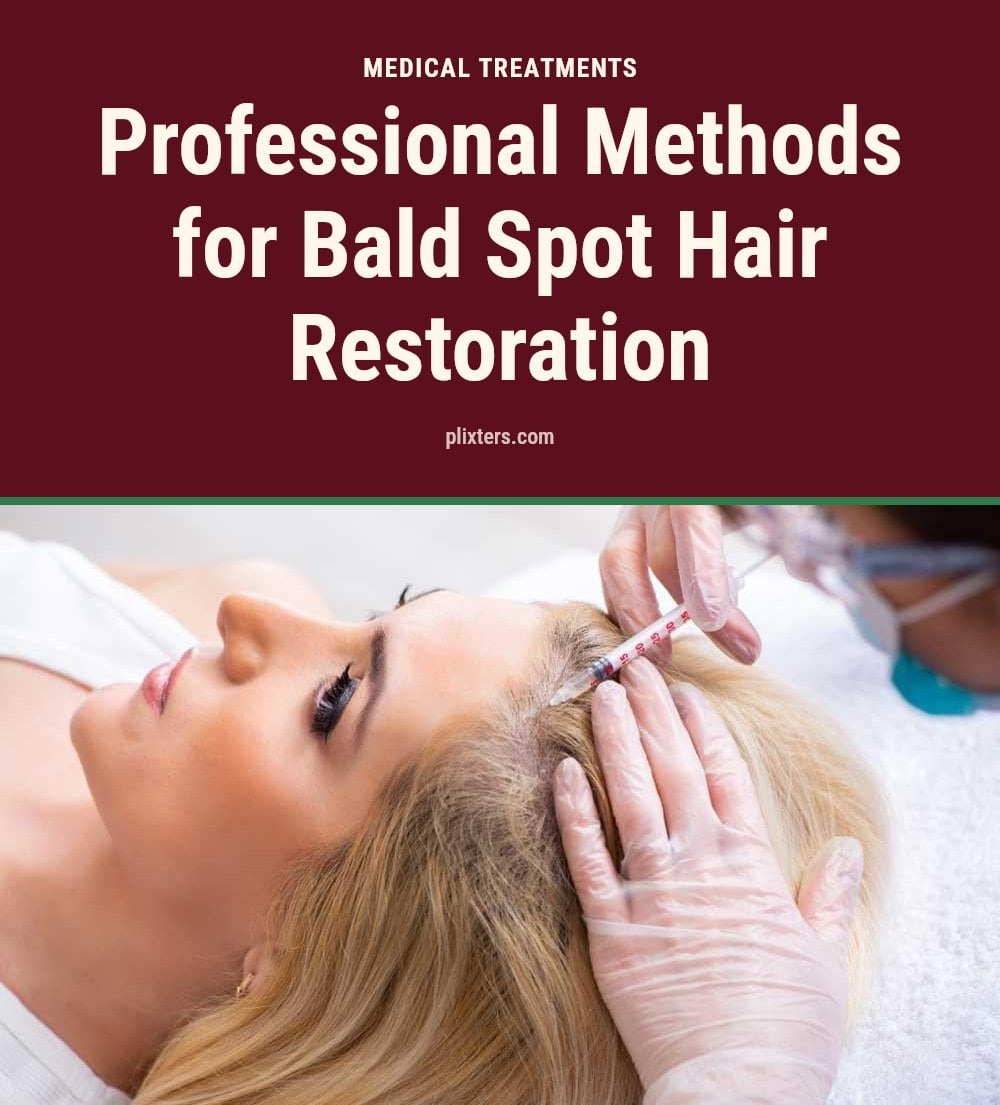
Effective Methods to Treat and Regrow Hair on Bald Spots
Once you know what is causing your bald spots, you can choose a treatment approach that targets the root issue. Here are the most effective options:
- Topical minoxidil: This over-the-counter solution is approved for pattern baldness and can stimulate regrowth. Caution: Apply it consistently as directed, usually twice daily, and expect visible results in 3 to 6 months. Skipping doses delays progress.
- Corticosteroids: Often prescribed for alopecia areata, these come as creams, injections, or oral medications. They work by calming the immune system’s attack on hair follicles. Tip: A dermatologist typically performs injections, and a treatment plan may span several months.
- Platelet-rich plasma (PRP) therapy: This procedure uses a concentration of your own platelets injected into the scalp to encourage growth. It is a promising option, though research is still ongoing and results vary. Multiple sessions are usually needed.
- Hair transplant surgery: A permanent solution for certain types of baldness, this involves moving healthy hair follicles from a donor area to the bald spots. It is a surgical procedure with a recovery period.
- Address underlying medical conditions: Treating root causes like thyroid disorders or autoimmune diseases can resolve associated hair loss. Caution: Work with your doctor to manage these conditions, as hair regrowth may take time after treatment begins.
Tools and Products for Managing Bald Spots
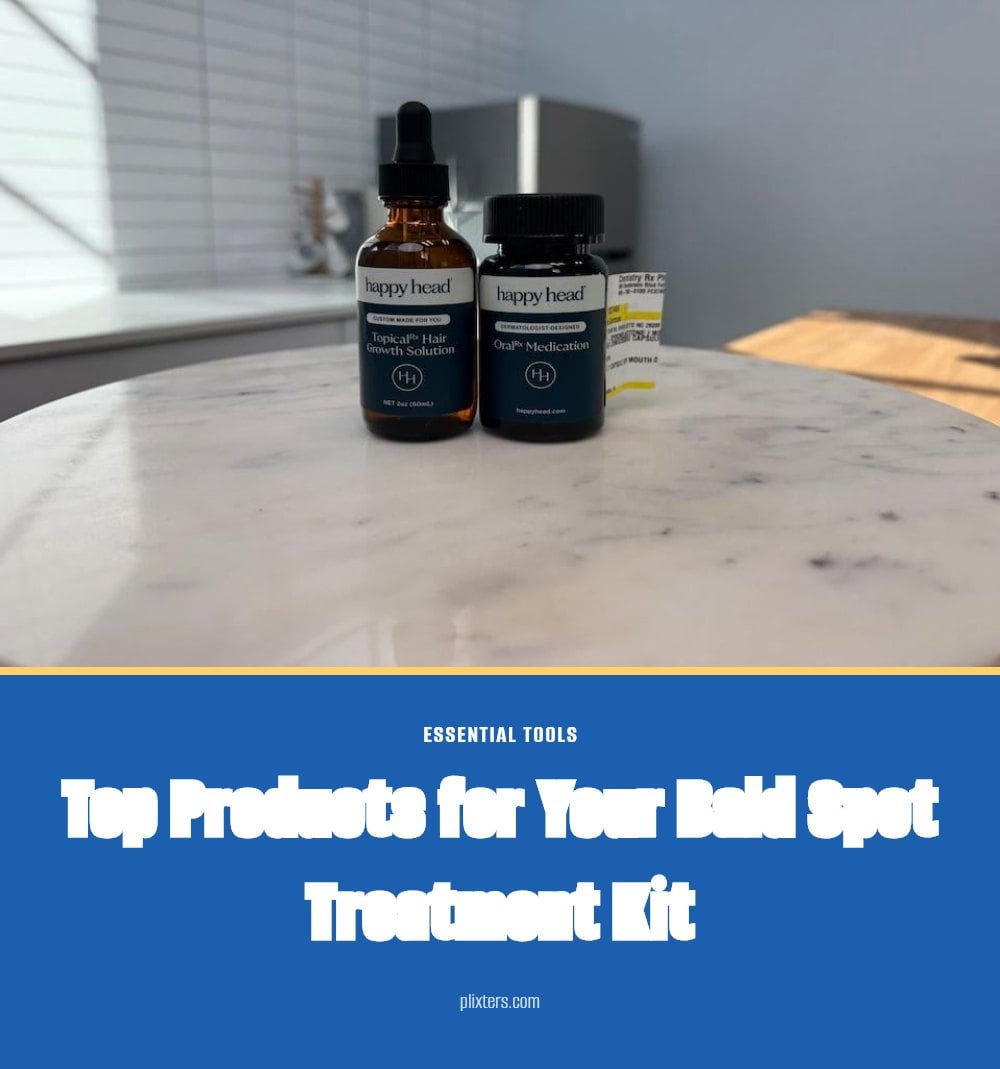
Having the right tools and products on hand can make managing bald spots easier and more effective. Here is what to consider:
- Topical minoxidil (solution or foam): An over-the-counter option for stimulating regrowth in pattern baldness. Apply consistently as directed.
- Corticosteroid creams or injections: Prescription treatments for autoimmune-related hair loss like alopecia areata. Only use under a doctor’s supervision.
- Nutritional supplements: Iron, zinc, biotin, and vitamin D can help if a deficiency is contributing to your hair loss. Have your levels checked first.
- Gentle shampoos and conditioners: Sulfate-free formulas protect your scalp and existing hair from harsh chemicals that can worsen irritation.
- Essential oils (rosemary, peppermint): Some people find these supportive, though scientific evidence is less robust than for medical treatments. Caution: Always dilute essential oils with a carrier oil, like jojoba or coconut oil, before applying to your scalp to avoid irritation. Undiluted oils can cause burns or allergic reactions.
Common Mistakes to Avoid When Treating Bald Spots
Self-diagnosing: Assuming all bald spots share the same cause leads to wasted time and money. My tip: Always see a dermatologist first to get an accurate diagnosis.
Stopping treatment prematurely: Hair regrowth takes months of consistent use. Discontinuing because you don’t see instant results can undo any progress you have made.
Over-applying topical treatments: Using more minoxidil than the label recommends won’t speed up growth and may cause scalp irritation, itching, or redness.
Ignoring underlying health issues: Deficiencies in iron, zinc, biotin, or vitamin D, or conditions like thyroid disorders, can contribute to hair loss. Treating the root cause is essential.
Using harsh hair products: Strong chemicals and aggressive styling methods can further damage hair follicles and irritate the scalp. Stick to gentle, sulfate-free formulas.
Preventing Further Hair Loss and New Bald Spots

Maintain a balanced diet: Ensure you get enough iron, zinc, biotin, and vitamin D through food or supplements if a deficiency is diagnosed.
Handle hair gently: Avoid tight braids, ponytails, or extensions that create traction on the follicles. Limit heat styling tools and let hair air-dry when possible.
Manage stress effectively: Incorporate yoga, meditation, or mindfulness into your routine to lower stress levels that can trigger telogen effluvium.
Use gentle hair products: Opt for sulfate-free shampoos and conditioners to keep the scalp calm and reduce irritation.
Regular scalp massage: While not a proven cure, massaging the scalp may improve blood circulation to hair follicles, potentially supporting overall hair health.
What to Expect: Treatment Timeline and Cost Considerations
Timeline for Results: Visible hair regrowth from topical treatments typically takes 3 to 6 months of consistent daily application. Full effects may require 12 months or longer.
Consistency is Key: Adhere strictly to your prescribed plan. Skipping applications delays progress and can diminish the results you have achieved.
Over-the-Counter Costs: Topical minoxidil generally runs $20 to $50 per month depending on the brand and form.
Prescription Treatment Costs: Corticosteroid injections or oral medications vary widely by insurance and frequency, often ranging from $50 to $300 or more per session or month.
Advanced Treatment Costs: PRP therapy can cost $500 to $1,500 per session, with multiple sessions typically needed. Hair transplants range from $4,000 to $15,000 or more depending on the extent of the procedure.
When to Consult a Professional for Your Bald Spots
Sudden or severe hair loss: If you notice rapid or extensive shedding, see a doctor promptly to rule out serious underlying conditions.
Persistent bald spots: When over-the-counter remedies show no improvement after a few months, a dermatologist can recommend more targeted treatments.
Scalp irritation or pain: Redness, itching, burning, or discomfort on the scalp warrants professional evaluation.
New or worsening symptoms: Any changes that accompany your hair loss should be assessed by a healthcare provider.
Uncertainty about the cause: A dermatologist can accurately diagnose the reason behind your bald spots and create a personalized treatment plan.
Frequently Asked Questions
Can bald spots grow back naturally?
Some bald spots can grow back on their own, especially if the cause is temporary, such as stress-related telogen effluvium or traction alopecia from a change in hairstyle. However, pattern baldness and autoimmune-related alopecia areata often require treatment to stimulate regrowth. A doctor can tell you whether your specific case is likely to resolve without intervention.
How long does it take for hair to regrow on a bald spot?
Visible regrowth from treatments like minoxidil or corticosteroids typically takes 3 to 6 months of consistent use. Full results may take 12 months or longer. If you see no improvement after several months, a dermatologist can reassess your plan and consider stronger options.
Are there any natural remedies for bald spots?
Some natural approaches, such as scalp massage or essential oils like rosemary and peppermint oil, are sometimes suggested to support hair growth, but scientific evidence is limited compared to medical treatments. These may help as complementary steps, but they are not reliable substitutes for proven therapies, especially for persistent bald spots.
What is the difference between pattern baldness and alopecia areata?
Pattern baldness, or androgenetic alopecia, is driven by genetics and hormones and typically causes gradual thinning or bald spots in a predictable pattern. Alopecia areata is an autoimmune condition where the immune system attacks hair follicles, leading to smooth, round bald patches that can appear suddenly. Treatment differs for each, so a correct diagnosis is essential.
What causes bald spots on my head?
Bald spots can be caused by genetics (pattern baldness), autoimmune conditions (alopecia areata), stress (telogen effluvium), tight hairstyles (traction alopecia), or nutritional deficiencies in iron, zinc, biotin, or vitamin D. A dermatologist can run tests to pinpoint the exact cause, which determines the most effective treatment.
Final Thoughts
Your best move is to get a professional diagnosis first, then stick with the recommended treatment for at least six months before judging results. Hair regrowth is slow, and most treatments need daily use for three to six months before you see visible changes. With patience and the right plan, many people can improve the appearance of bald spots over time.
This article provides general information for educational purposes and does not constitute medical or professional advice. Hair loss can stem from serious underlying conditions, so always consult a doctor or dermatologist for a proper diagnosis and treatment plan, especially if your hair loss is sudden or severe.




