
 Save
Have you ever set a big goal, only to feel stuck or overwhelmed after a few weeks? I think we have all been there. Atomic Habits, by James Clear, offers a refreshingly simple solution: focus on tiny, incremental changes that compound over time. This article breaks down the core principles of the book, from building systems over goals to using the Four Laws of Behavior Change, so you can start creating habits that actually stick.
Key Takeaways
- Focus on building systems, not just setting goals, for lasting change.
- Use habit stacking to link a new habit to an existing one.
- Apply the Two-Minute Rule to make starting any habit incredibly easy.
- Track your progress with a simple habit tracker to reinforce satisfaction.
- Never miss twice if you slip up; get back on track immediately.
15 ideas in this post
- What Are Atomic Habits?
- 1. Focus on Systems, Not Goals
- 2. Make It Obvious
- 3. Make It Attractive
- 4. Make It Easy
- 5. Make It Satisfying
- 6. Identity-Based Habits
- 7. The Inverse for Bad Habits
- 8. Start Incredibly Small
- 9. Environment Design
- 10. Track Your Progress
- 11. Be Patient and Persistent
- Common Mistakes When Building Habits
- Frequently Asked Questions
- Final Thoughts
What Are Atomic Habits?
Atomic Habits, by James Clear, teaches that tiny, incremental changes compound over time to create significant results. It’s about building systems, not just setting goals, and focusing on who you want to become through identity-based habits. The framework uses four laws of behavior change: Make it Obvious, Attractive, Easy, and Satisfying.
1. Focus on Systems, Not Goals
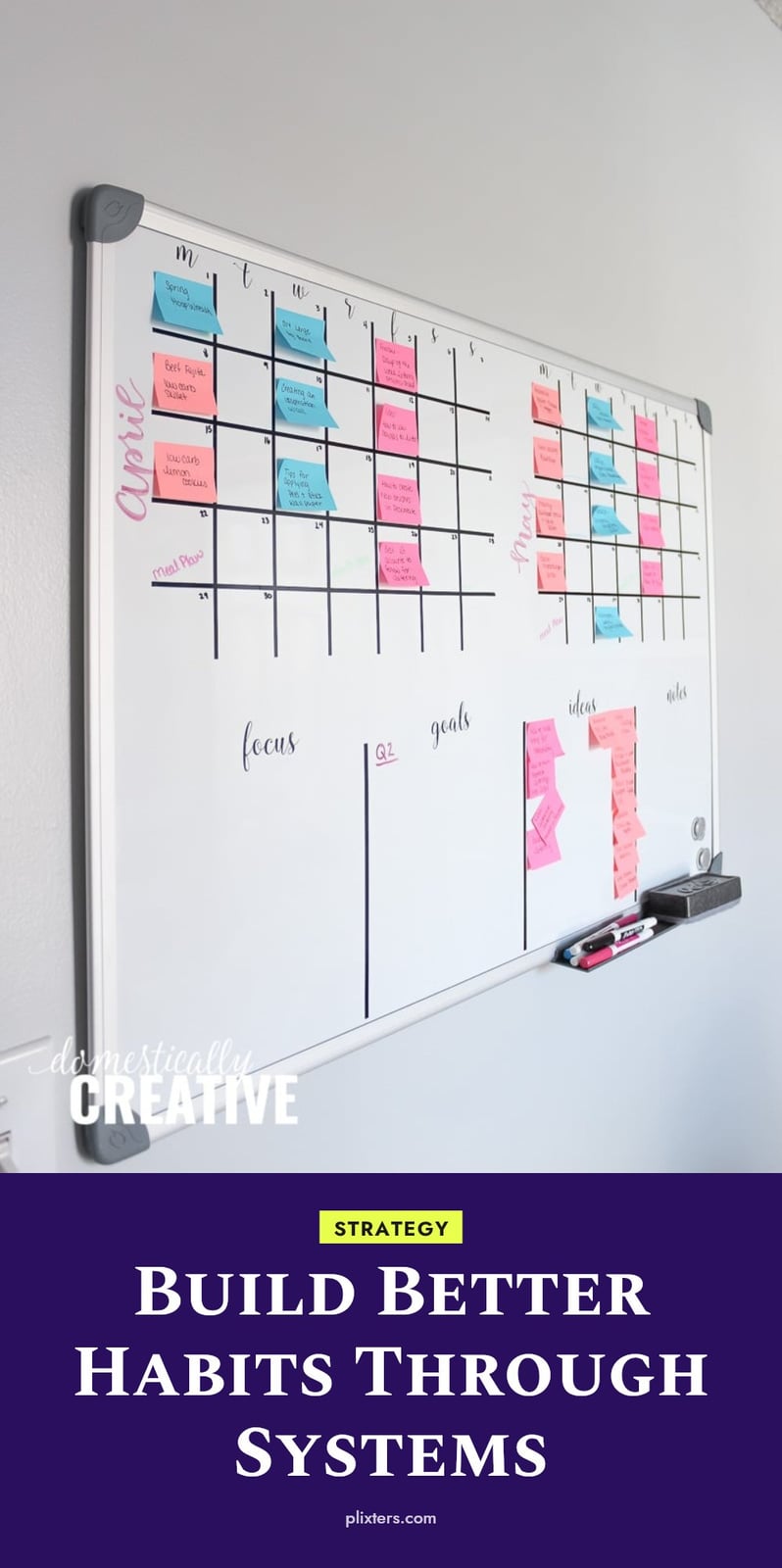
My tip: Instead of just saying ‘I want to lose 10 pounds,’ focus on the system: ‘I will walk for 30 minutes every day.’ Goals are about the results you want to achieve, but systems are about the processes that lead to those results. True progress comes from consistently improving your system, not just fixating on the outcome.
2. Make It Obvious
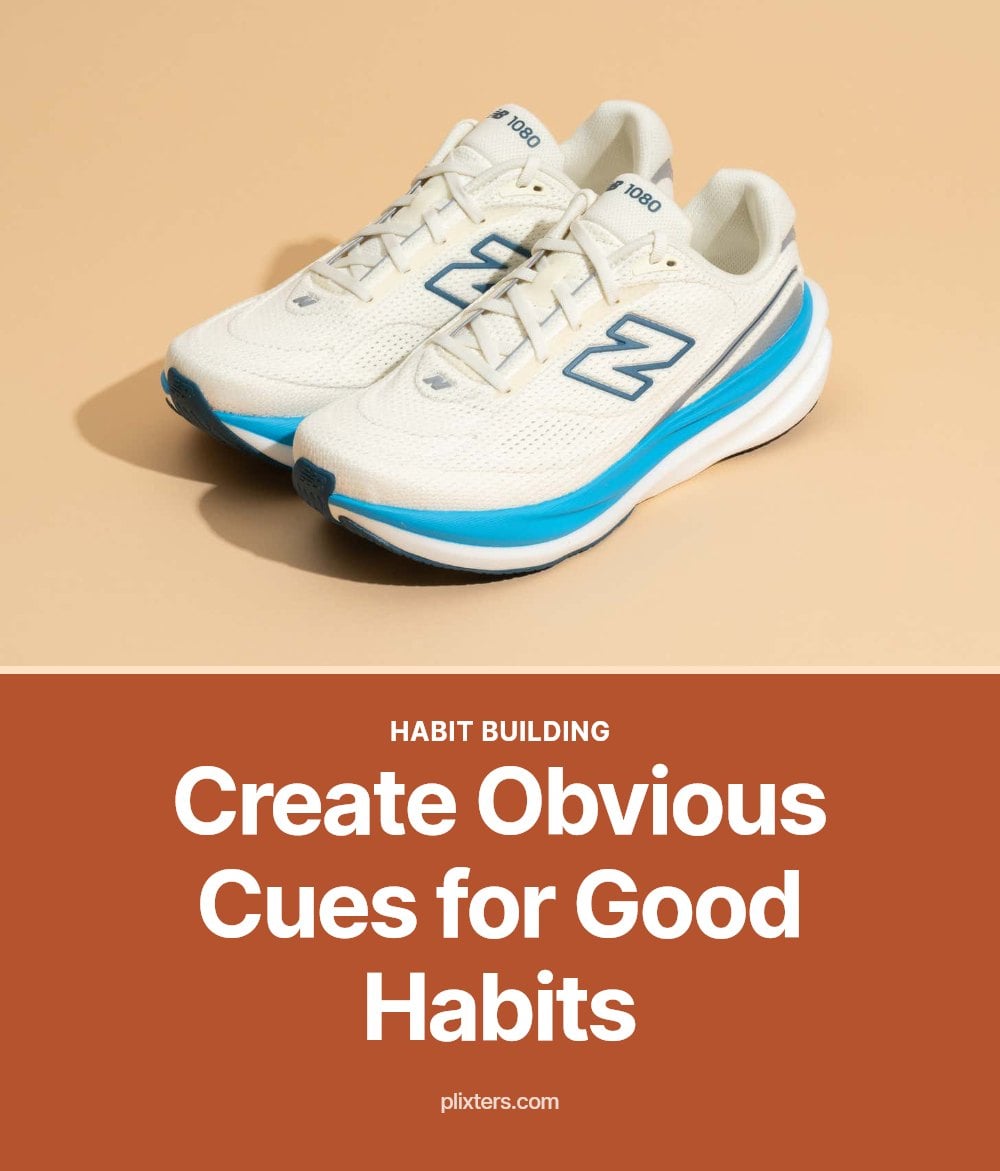
My tip: Place your running shoes by the door the night before, or put your vitamins next to your toothbrush. Good habits should be visible and easy to remember. Use habit stacking by linking a new habit to an existing one (e.g., ‘After I brush my teeth, I will do 10 squats’). Design your environment to make desired actions impossible to ignore.
3. Make It Attractive
My tip: Pair something you need to do (like exercising) with something you want to do (like listening to your favorite podcast). Our brains are wired to seek rewards, so make your habits appealing. Temptation bundling is a powerful strategy: only allow yourself to do something you enjoy while performing a habit you need to build. Join groups where your desired behavior is the norm; we naturally imitate those around us.
4. Make It Easy
My tip: If you want to read more, keep a book on your pillow. If you want to eat healthier, pre-chop veggies for snacks. The goal is to reduce friction for good habits, making them as effortless as possible to start.
The ‘Two-Minute Rule’ is your best friend here: start with a version of your habit that takes less than two minutes. ‘Read one page’ instead of ‘read a chapter.’ ‘Put on my workout clothes’ instead of ‘run for 30 minutes.’ You’re mastering the art of showing up, even if it’s just for a moment. That consistency builds momentum.
5. Make It Satisfying
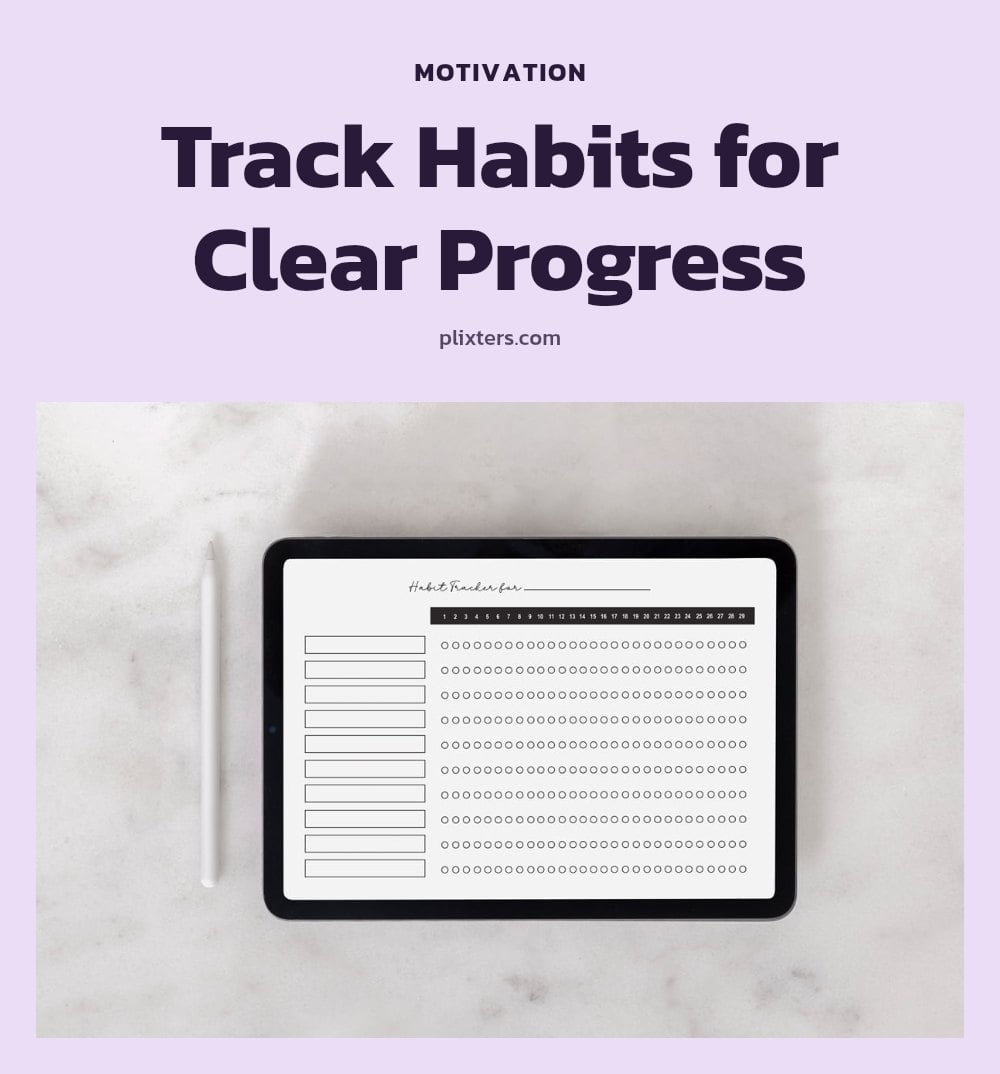
My tip: Use a habit tracker. Seeing that chain of checkmarks is incredibly motivating. We are more likely to repeat a behavior when the experience is satisfying, and immediate gratification reinforces habits.
Habit trackers provide visual proof of progress, even if the reward is artificial. If you miss a day, don’t let it derail you. The ‘never miss twice’ rule helps you recover quickly from setbacks without losing your streak entirely.
6. Identity-Based Habits
Tip: Instead of ‘I want to write a book,’ think ‘I am a writer.’ This shifts your focus from outcome to identity. True behavior change is identity change. Focus on who you want to become, not just what you want to achieve.
Every action you take is a vote for the type of person you wish to be. The more votes you cast, the stronger your new identity becomes. Start small: each tiny action reinforces the belief that you are that person.
7. The Inverse for Bad Habits
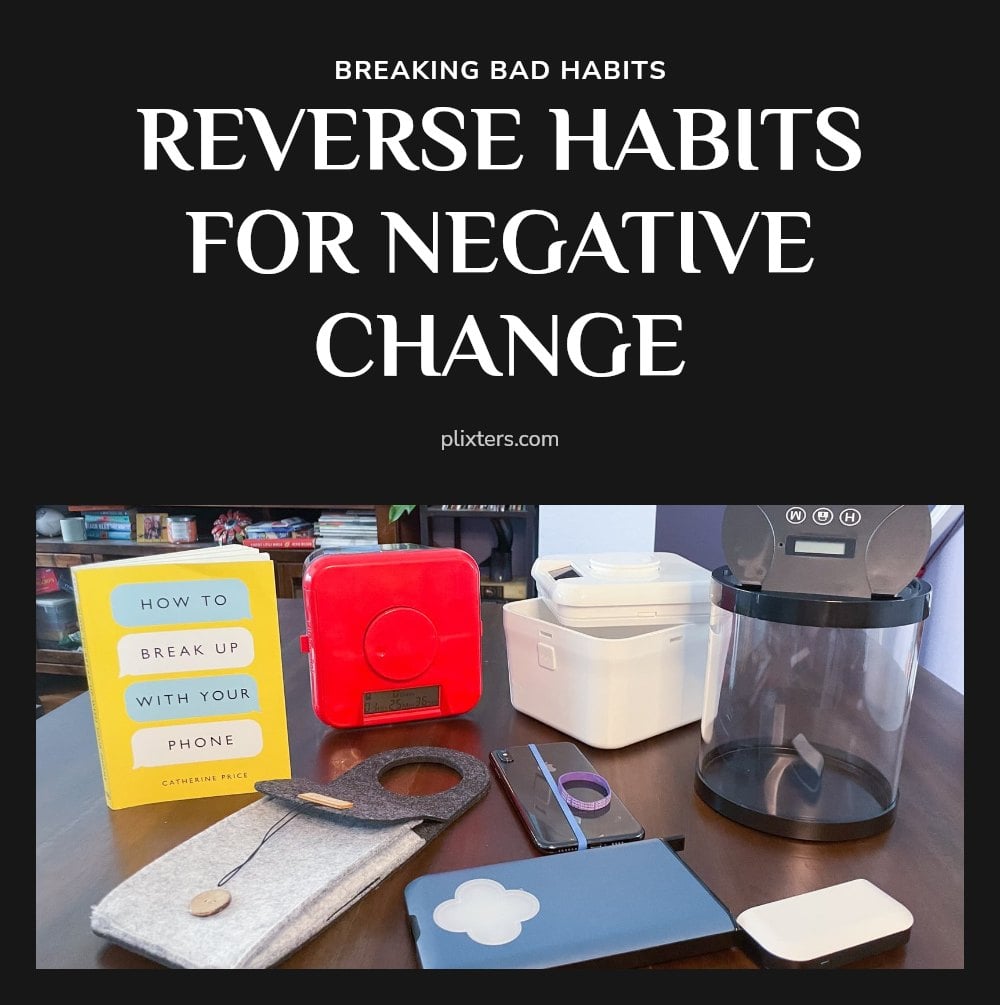
Good to know: If you want to watch less TV, unplug it and put the remote in a drawer. To break bad habits, reverse the four laws: Make it Invisible, Make it Unattractive, Make it Difficult, and Make it Unsatisfying.
Remove cues for bad habits from your environment and add friction to make them harder to perform. Hide the snacks, log out of social media, or put your phone in another room. The harder a bad habit is to start, the less likely you are to do it.
8. Start Incredibly Small
Pro move: Don’t aim for a full workout if you’re just starting; aim for ‘put on my workout clothes.’ The smaller the habit, the easier it is to start and maintain consistency. Focus on the ‘atomic’ part, tiny, incremental improvements that are almost too small to fail. Consistency is more important than intensity in the early stages of habit formation.
9. Environment Design

Quick tip: If you want to eat healthier, keep fruit on the counter and junk food out of sight in a high cupboard. Your environment is a powerful, often overlooked, driver of your habits. Proactively design your space to make good habits obvious and easy, and bad habits invisible and difficult. Small changes to your surroundings can lead to significant shifts in behavior.
10. Track Your Progress
Tip: Whether it’s a simple X on a calendar or a dedicated app, seeing your streak grow is a huge motivator. Habit tracking provides immediate visual feedback, making your progress tangible and satisfying. It also helps you stay accountable and identify patterns in your behavior. Don’t let a missed day derail you; just make sure you ‘never miss twice.’
11. Be Patient and Persistent
Good to know: Remember that results compound over time. Don’t expect overnight success; celebrate small wins. Habit formation is a continuous process, not a one-time event. The effects of atomic habits are often invisible in the short term but become remarkable over months and years. Consistency, even when imperfect, is the key to long-term success.
Common Mistakes When Building Habits
Trying to change too much at once: Focus on one or two habits at a time to avoid burnout. Spreading your energy across too many new behaviors makes none of them stick.
Focusing only on the goal: Shift your attention to the daily process and system, not just the outcome. The goal is the direction, but the system is the vehicle that gets you there.
Underestimating small actions: Remember that tiny, consistent efforts lead to significant results over time. A 1% improvement each day compounds into a 37x gain over a year. That’s because daily progress builds on itself, like interest on savings, not just adding up.
Ignoring your environment: Actively design your surroundings to support good habits and deter bad ones. A visible cue is far more reliable than a mental reminder.
Relying solely on willpower: Willpower is finite; system design is more sustainable. Reduce friction for good habits and increase it for bad ones so you don’t have to rely on motivation.
Failing to make habits satisfying: Find ways to give yourself immediate, small rewards to reinforce positive behavior. Without a payoff, your brain will not prioritize the habit.
Frequently Asked Questions
What is the main idea behind Atomic Habits?
The main idea is that tiny, incremental changes, called atomic habits, compound over time to produce remarkable results. Instead of focusing solely on big goals, the book emphasizes building small, consistent systems that shape your identity and make good habits automatic.
How do I start implementing Atomic Habits?
Start by picking one small habit you want to build and make it obvious, attractive, easy, and satisfying. For example, if you want to read more, place a book on your pillow and read for just two minutes each night. Use habit stacking by linking it to an existing routine, like after you brush your teeth.
Can Atomic Habits help with breaking bad habits?
Yes. The book applies the inverse of the Four Laws to break bad habits: make it invisible, unattractive, difficult, and unsatisfying. For instance, if you want to watch less TV, unplug the TV and put the remote in a drawer to increase friction and remove the cue.
Is Atomic Habits suitable for everyone?
The principles are designed to be universal and can be adapted to almost any area of life, including health, work, relationships, and personal growth. However, individual results depend on consistency and personal circumstances, so it’s best to start small and adjust based on what works for you.
How long does it take to see results with Atomic Habits?
Results are often invisible in the short term but become remarkable over weeks, months, and years of consistent effort. The book emphasizes that habit formation is a continuous process, and the compounding effect means you may not notice changes for a while, but they add up significantly over time.
Final Thoughts
My tip: Pick just one small habit from the book’s framework and commit to it for two weeks. Start with something so easy it feels almost too simple, like two minutes of stretching or reading one page. Remember, results compound over weeks and months, not days, so be patient and trust the process. Consistency, not perfection, is what transforms your habits and your identity.




