
 Save
Anger is a normal human emotion, but when it feels overwhelming or happens too often, it can take a toll on your relationships and well-being. The good news is that you can learn to manage it with practical strategies that fit into your daily life. This article covers simple techniques to recognize your triggers, calm your body, and express your feelings in a healthy way.
Key Takeaways
- Identify your personal anger triggers by keeping a journal or noting common situations.
- Practice deep breathing to quickly calm your nervous system when anger rises.
- Use ‘I’ statements to communicate assertively without blaming others.
- Take a 10-15 minute time-out to step away from a heated situation.
- Seek professional help if anger feels overwhelming or leads to destructive behavior.
15 ideas in this post
- What is Anger and How Can I Manage It?
- 1. Recognize Your Anger Triggers
- 2. Notice Early Warning Signs
- 3. Practice Deep Breathing
- 4. Take a Time-Out
- 5. Communicate Assertively
- 6. Challenge Negative Thoughts
- 7. Engage in Physical Activity
- 8. Practice Empathy
- 9. Create a ‘Calm Down’ Kit
- 10. Journal Your Feelings
- 11. Don’t Suppress Anger
- When to Seek Professional Help for Anger
- Frequently Asked Questions
- Final Thoughts
What is Anger and How Can I Manage It?
Anger is a natural human emotion, as normal as happiness or fear. It often signals that you perceive an injustice or feel frustrated. Managing it isn’t about eliminating anger; it’s about recognizing your triggers and physical signs early. Developing healthy coping mechanisms, like deep breathing and assertive communication, can help you respond constructively. If your anger feels overwhelming or leads to destructive behavior, seeking professional help is a wise and important step.
1. Recognize Your Anger Triggers

Understanding what sets you off is the first step. I’ve found that pinpointing the ‘why’ behind my anger helps me prepare for future situations. Common triggers include feeling disrespected, facing perceived injustice, experiencing frustration, or feeling threatened.
- Keep a small journal or a note on your phone to jot down situations, people, or thoughts that spark anger.
- Look for patterns over a week or two. You might notice that certain times of day, specific people, or particular topics consistently raise your ire.
My tip: Don’t judge yourself for what you write. The goal is awareness, not self-criticism.
2. Notice Early Warning Signs
Before anger explodes, your body usually gives you clues. I’ve learned to pay attention to these subtle shifts. Physical signs can include a racing heart, tense shoulders, a clenched jaw, or shallow breathing. These are your body’s alarm bells, letting you know that your fight-or-flight response has kicked in.
Recognizing these early signs gives you a window of opportunity to intervene before the anger takes over. The sooner you notice, the easier it is to calm yourself down. Try scanning your body for tension a few times a day so you become more familiar with your personal warning signals.
3. Practice Deep Breathing

This is my go-to strategy when I feel anger rising. Deep breathing can quickly calm your nervous system by activating the parasympathetic response, which counteracts the stress reaction. Inhale slowly through your nose, letting your belly rise, then exhale slowly through your mouth.
My tip: Try the ‘4-7-8’ technique: breathe in for 4 counts, hold for 7, and exhale for 8. Repeat several times. The extended exhale helps slow your heart rate and signals your body to relax. Practice this even when you’re calm so it becomes second nature when you need it.
4. Take a Time-Out
Sometimes, the best thing you can do is step away from the situation. It’s not avoidance; it’s self-preservation. Physically remove yourself from the triggering environment for at least 10-15 minutes. Use this time to calm down, gain perspective, and prevent escalation. Tip: Set a timer if you need to. A short walk, a change of room, or even stepping outside can break the cycle of rising anger.
5. Communicate Assertively

Expressing your feelings constructively is crucial. This means stating your needs and feelings without aggression. Use ‘I’ statements instead of ‘you’ statements. For example, ‘I feel frustrated when…’ instead of ‘You always make me…’ Healthy communication involves setting boundaries and problem-solving, not blaming. Assertiveness is about respect for both you and the other person.
6. Challenge Negative Thoughts
Our thoughts often fuel our anger. Cognitive restructuring helps you reframe unhelpful thought patterns. Ask yourself: ‘Is this thought 100% true? Is there another way to look at this situation?’ Good to know: Replace ‘always’ and ‘never’ statements with more balanced perspectives. This helps break the cycle of rumination. For instance, ‘My partner never listens’ becomes ‘I felt unheard just now.’
7. Engage in Physical Activity
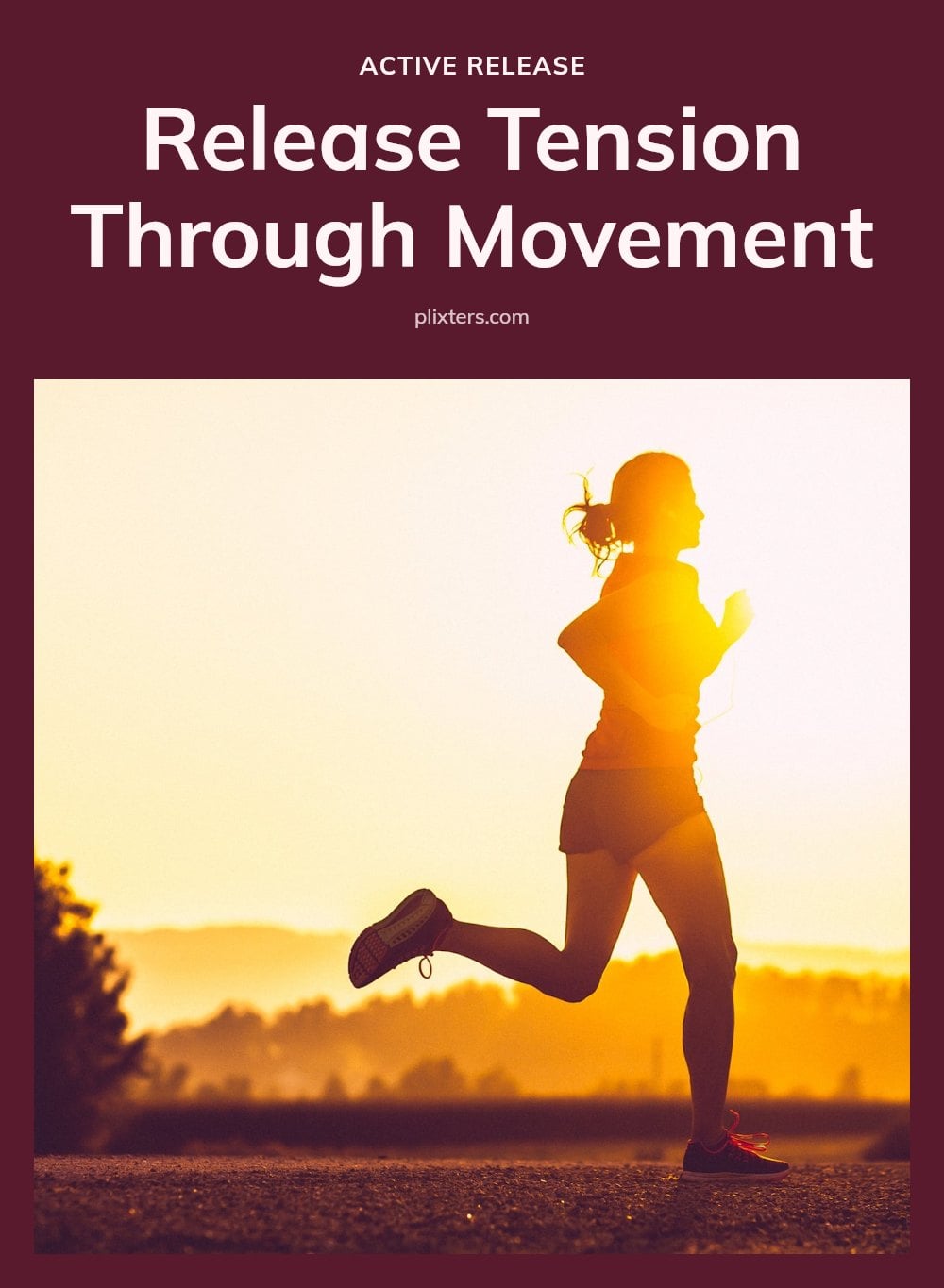
Exercise is a fantastic outlet for pent-up energy and stress, which often contribute to anger. Whether it’s a brisk walk, a run, yoga, or dancing, moving your body can release tension. I’ve found that even 20-30 minutes of activity can make a huge difference in my mood and ability to cope. The key is consistency, not intensity.
8. Practice Empathy
Trying to understand another person’s perspective can significantly reduce anger, especially during conflicts. Ask yourself why someone might be acting a certain way, even if you don’t agree with it. This shifts your focus from blame to curiosity, which can de-escalate your own emotional response.
Pro move: This doesn’t mean condoning their behavior. It’s about gaining insight that helps you respond with more control and less reactivity.
9. Create a ‘Calm Down’ Kit
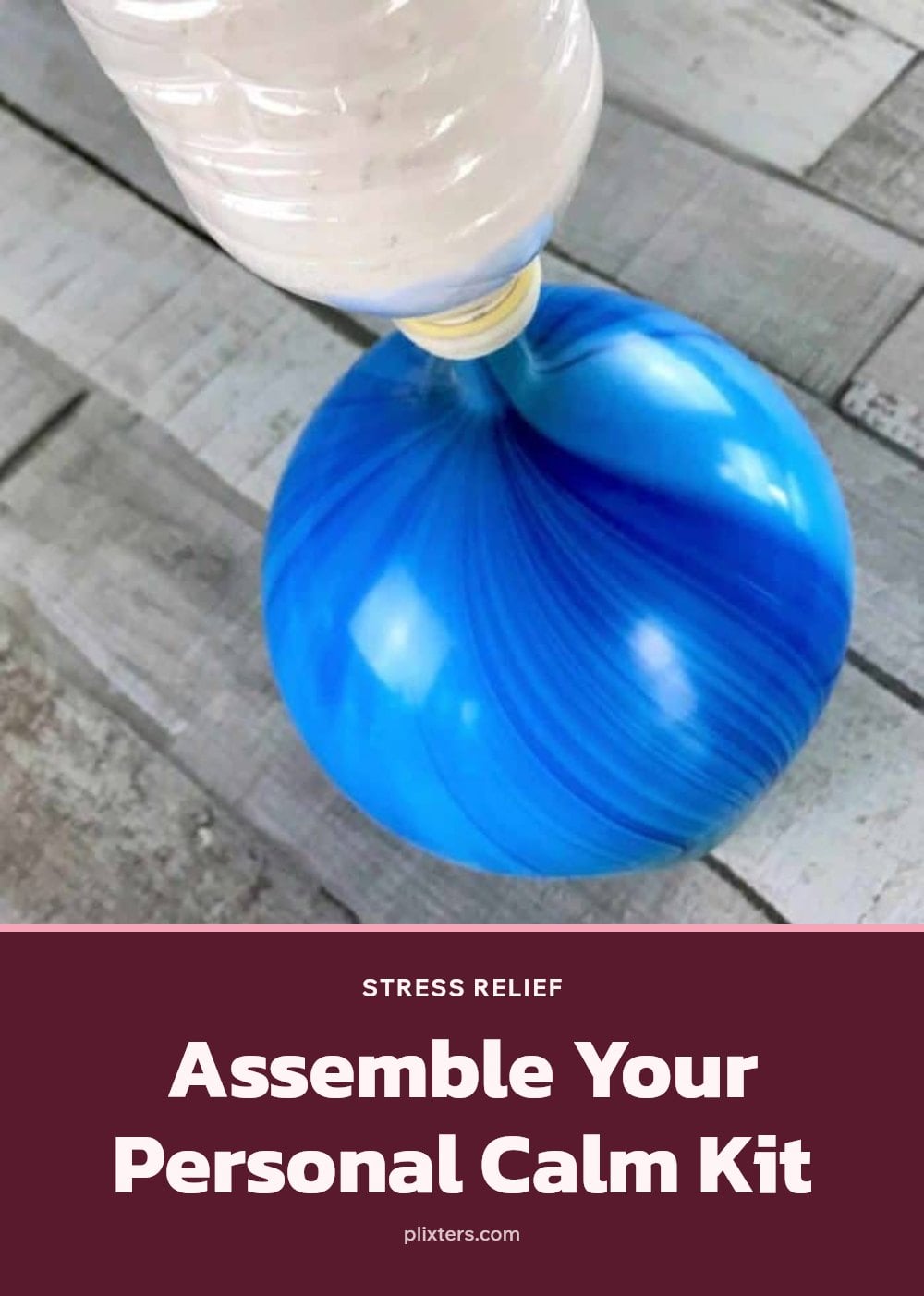
A ‘calm down’ kit is a personal collection of items that help you relax and recenter when anger strikes. It could include a stress ball, essential oils, calming music, a favorite book, or a comforting object. Having these tools ready gives you a tangible way to self-soothe.
Quick tip: Keep it accessible in a drawer or bag. Use it proactively when you feel your anger rising, not after you’ve already escalated.
10. Journal Your Feelings
Writing down your angry thoughts and feelings can provide immense clarity and insight. It helps you identify recurring triggers, understand the depth of your emotions, and process them safely. I’ve found that putting pen to paper makes the emotion feel more manageable.
Tip: Don’t censor yourself. Just write freely for 10-15 minutes, then reflect on what you’ve written. Patterns often emerge that you wouldn’t notice otherwise.
11. Don’t Suppress Anger
Ignoring or bottling up anger often leads to resentment, passive-aggression, or explosive outbursts later. It’s about managing and expressing it healthily, not eliminating it entirely. Suppression doesn’t make the anger disappear; it stores it for later.
Good to know: Acknowledge your anger when it arises, then choose a constructive way to deal with it from the strategies above. This prevents it from building up over time.
When to Seek Professional Help for Anger
If your anger feels overwhelming, happens often, or leads to destructive behaviors like yelling or breaking things, it’s time to talk to a professional. Seek immediate help if you have thoughts of harming yourself or others. A therapist or counselor can provide tailored strategies for managing anger when it’s impacting your relationships, work, or overall well-being. Persistent, unmanageable anger can also be a symptom of underlying conditions like depression or anxiety, which warrant a professional evaluation. Reaching out is a sign of strength, not failure.
Frequently Asked Questions
Is anger always a bad emotion?
No, anger is not inherently bad. It is a natural emotion that can signal a problem or an injustice. The key is how you express and manage it. Healthy anger can motivate you to set boundaries or solve problems, while unmanaged anger can lead to negative consequences.
How long does it take for anger management techniques to work?
There is no set timeline, as results vary by person. Consistency is important, and many people notice gradual improvements in their emotional regulation over weeks or months of regular practice. The techniques are skills that become more effective the more you use them.
Can anger affect my physical health?
Yes, unmanaged anger can contribute to health problems over time. It may increase the risk of heart disease, high blood pressure, and digestive issues. Managing anger effectively can help reduce these physical risks and improve overall well-being.
What’s the difference between assertiveness and aggression?
Assertiveness means expressing your needs and feelings respectfully without violating others’ rights. Aggression involves hostile or violent language and actions that disrespect or harm others. Assertiveness builds understanding, while aggression escalates conflict.
Are there apps that can help with anger management?
Yes, many apps offer guided meditations, breathing exercises, and mood tracking that can support anger management. While apps can be helpful tools, they should not replace professional help if your anger is severe or causing problems in your life.
Final Thoughts
Managing anger is a skill that takes practice, but small daily efforts can make a real difference. Start with one or two techniques, like deep breathing or journaling, and build from there. Over weeks or months, you’ll likely notice gradual improvements in how you handle frustrating moments. Remember, the goal isn’t to eliminate anger entirely, but to express it in a way that respects both you and those around you.
This article is for general informational purposes only and does not constitute medical or professional advice. If you are experiencing persistent, overwhelming anger or thoughts of harming yourself or others, please consult a qualified mental health professional.




