 Save
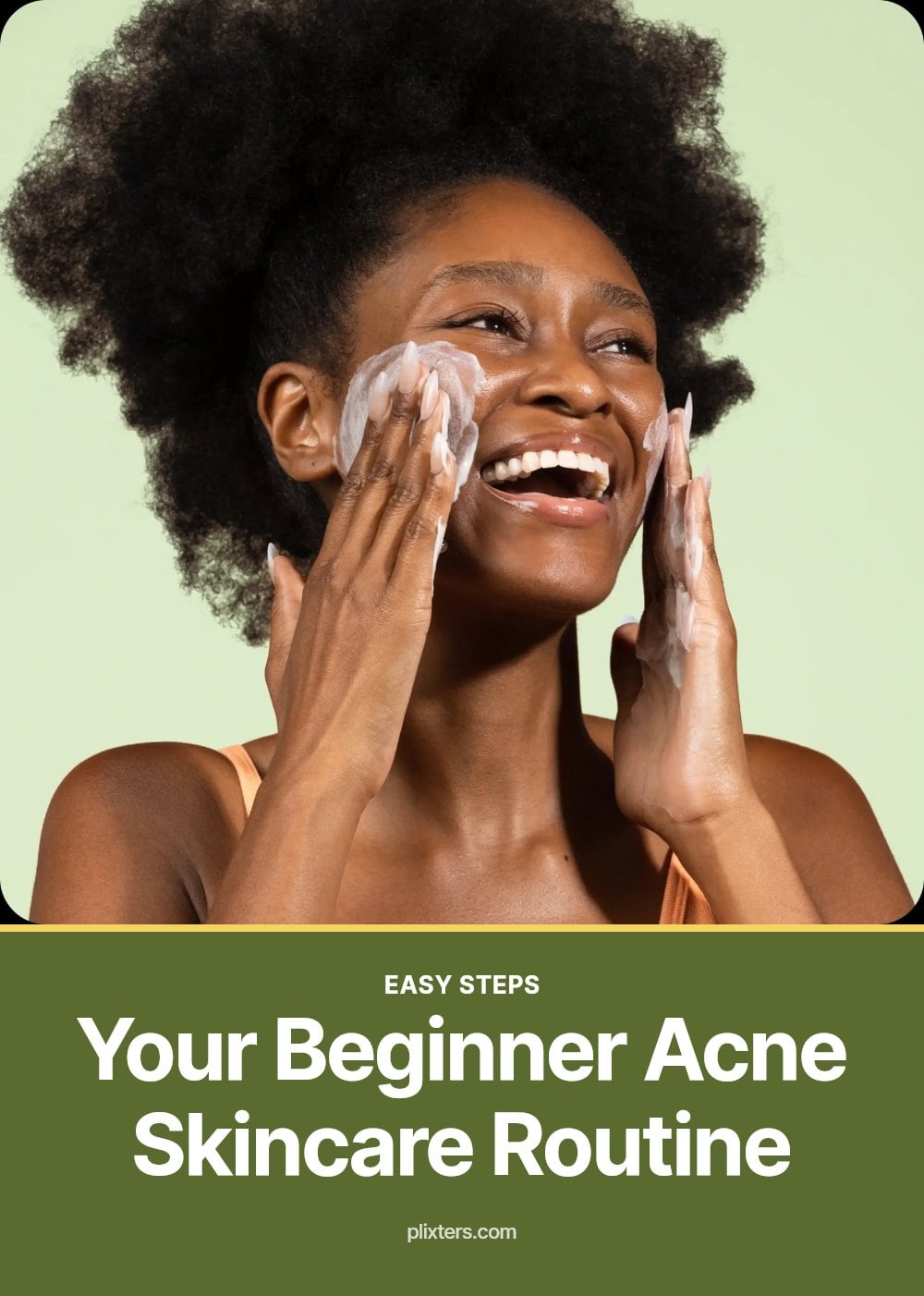
You do not need a shelf full of strong products to get acne under control. What works is a simple routine you can repeat every day: cleanse gently, apply a targeted treatment, moisturize, and wear sunscreen in the morning. That is the core of this article, which walks you through the products worth having, the morning and evening steps, and the mistakes that tend to make breakouts worse.
I keep coming back to the same idea: consistency beats intensity. You will also find out how the main active ingredients differ, what a realistic timeline looks like, and when it makes sense to bring in a dermatologist.
Key Takeaways
- Cleanse gently twice a day with a mild, pH-balanced cleanser and lukewarm water.
- Apply one targeted treatment, such as salicylic acid or benzoyl peroxide, then moisturize daily.
- Use broad-spectrum sunscreen with at least SPF 30 every morning, especially with active treatments.
- Give your routine 2 to 3 months of daily use before judging the results.
- Do not pick or squeeze pimples, and skip harsh scrubs and abrasive tools.
10 ideas in this post
- Your First Steps to Clearer Skin
- Essential Skincare Products for Acne-Prone Skin
- Your Morning Acne Skincare Routine
- Your Evening Acne Skincare Routine
- Understanding Active Ingredients: Salicylic Acid, Benzoyl Peroxide, and Retinoids
- Common Acne Skincare Mistakes to Avoid
- Top Tips for Managing Acne-Prone Skin
- When to Consult a Dermatologist for Your Acne
- Frequently Asked Questions
- Final Thoughts
Your First Steps to Clearer Skin
Clearer skin starts with a routine you can actually stick to, not a cabinet full of harsh products. The foundation is simple: cleanse gently, apply a targeted treatment, and moisturize, twice a day. Consistency matters more than intensity, so choose products that feel comfortable and use them daily. Significant results typically take 2 to 3 months, so give your skin time to respond before you switch things up.
Essential Skincare Products for Acne-Prone Skin
Building an acne-friendly routine means picking products that work with your skin, not against it. Here is what to look for:
- Gentle cleanser: Removes impurities and oil without stripping your skin barrier.
- Salicylic acid or benzoyl peroxide: Targets active breakouts by unclogging pores or killing bacteria.
- Adapalene gel: An over-the-counter retinoid that helps prevent future clogs.
- Lightweight, non-comedogenic moisturizer: Keeps your barrier healthy, even if your skin feels oily.
- Broad-spectrum SPF 30+: Protects sensitive skin from sun damage, especially when using active treatments.
Your Morning Acne Skincare Routine
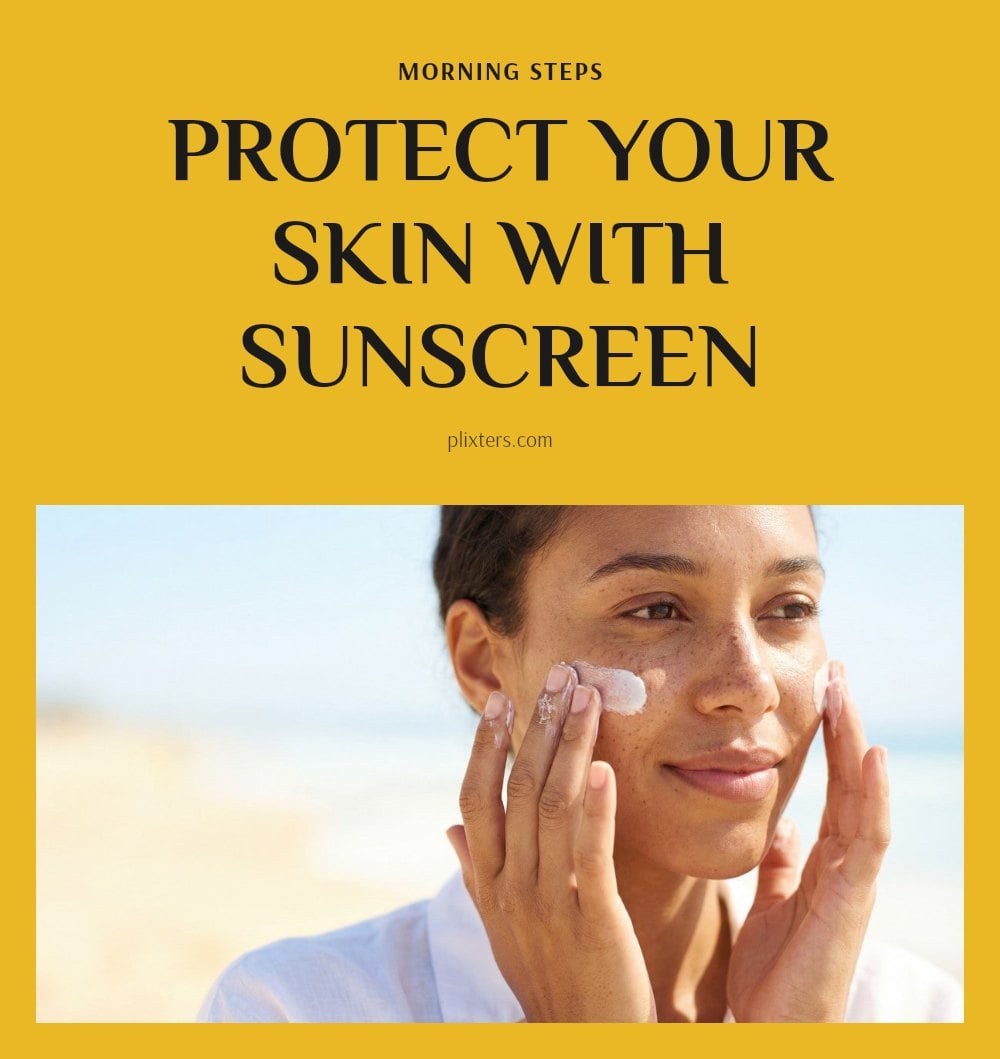
My morning routine is all about protecting my skin for the day ahead. I keep it light but consistent, and I never skip the sunscreen.
- Cleanse gently: Use a mild, pH-balanced cleanser to remove overnight buildup. Rinse with lukewarm water, not hot.
- Apply treatment: Dab a thin layer of salicylic acid or benzoyl peroxide onto problem areas only. Let it absorb for a minute.
- Moisturize: Smooth on a lightweight, non-comedogenic moisturizer to hydrate and protect your skin barrier.
- Finish with SPF: Apply a broad-spectrum sunscreen with at least SPF 30. This is non-negotiable, especially since active treatments can increase sun sensitivity.
Your Evening Acne Skincare Routine
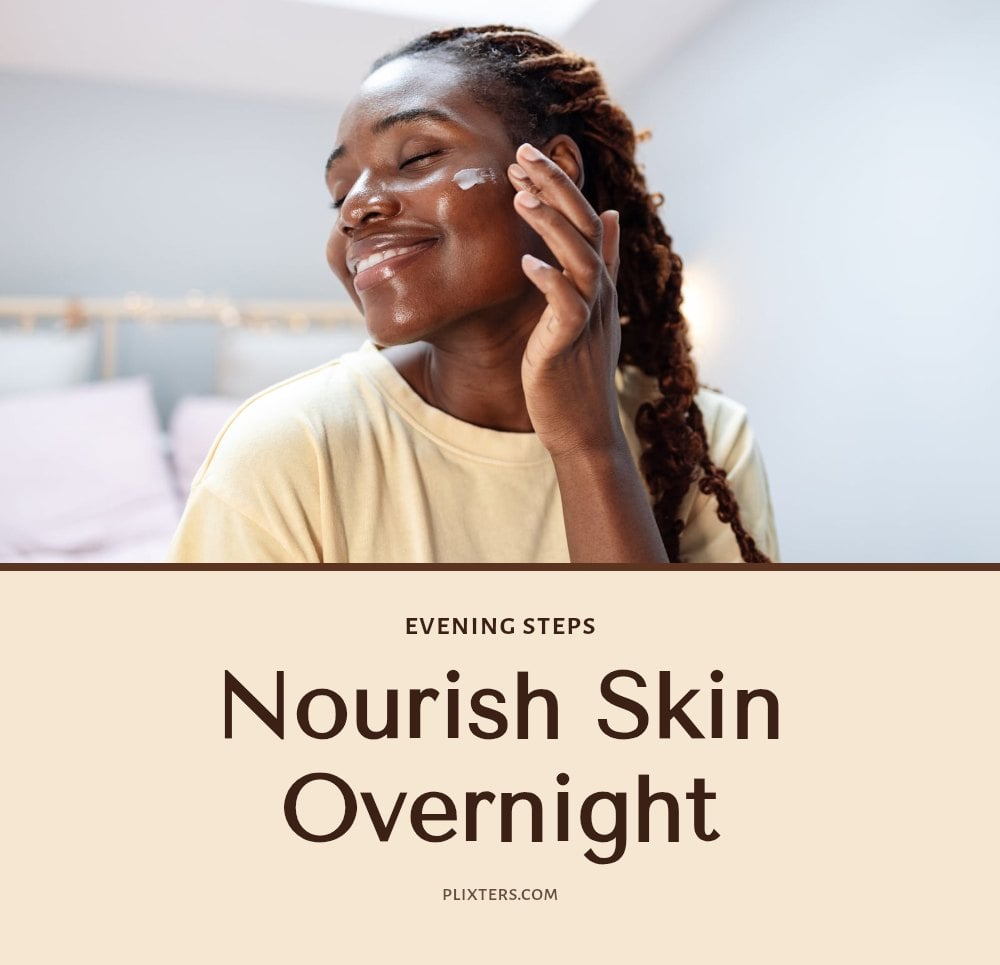
My evening routine focuses on clearing out the day and letting my skin repair overnight. I take a little more time here, especially with makeup removal.
- Cleanse thoroughly: Start with a gentle cleanser to remove makeup, dirt, and oil. If you wear heavy makeup, a first cleanse with a cleansing balm or oil can help, followed by your regular cleanser.
- Apply treatment: If you are using a retinoid like adapalene, start with a pea-sized amount every other night on clean, dry skin to let your skin adjust. For active breakouts, a spot treatment (such as one with benzoyl peroxide or salicylic acid) can be used as needed on targeted areas. Do not apply both to the same spot at once.
- Moisturize: Finish with a non-comedogenic moisturizer to support overnight repair. Even if your skin feels oily, this step keeps your barrier strong and reduces irritation from treatments.
Understanding Active Ingredients: Salicylic Acid, Benzoyl Peroxide, and Retinoids
Active ingredients are the workhorses of any acne routine, but they each do something different. Salicylic acid is a beta-hydroxy acid that works inside the pore. It exfoliates the lining, helping to unclog it and calm inflammation. That makes it a solid choice for blackheads and whiteheads.
Benzoyl peroxide takes a different route. It kills the bacteria that contribute to acne and helps shed dead skin cells on the surface. It can be drying, so start with a lower concentration and use it on problem areas only. My tip: introduce benzoyl peroxide gradually, similar to retinoids, to give your skin time to adjust. Apply it in a thin layer and let it absorb before moisturizing.
Retinoids, like adapalene, are vitamin A derivatives that speed up cell turnover. Over time, they help prevent pores from clogging in the first place, which means fewer breakouts. They can cause dryness and peeling at first, so ease in by using them every other night.
Caution: All three can increase sun sensitivity, so never skip your SPF during the day.
Common Acne Skincare Mistakes to Avoid
I’ve made most of these mistakes myself, and each one set my skin back. The biggest one is picking or squeezing pimples. It feels productive in the moment, but it leads to scarring and infection, and it makes the breakout last longer. My tip: keep your hands busy and let the treatment do its job.
Over-washing or using harsh scrubs is another trap. It strips your skin’s natural oils, which causes irritation and can actually trigger more oil production. Twice a day with a gentle cleanser is plenty. And do not skip moisturizer, even if your skin feels oily. Your barrier needs hydration to stay healthy, and a lightweight, non-comedogenic moisturizer won’t clog your pores.
Introducing too many new products at once makes it hard to tell what’s helping and what’s hurting. Add one at a time and give it a couple of weeks. Tip: For stronger actives like retinoids, start by applying every other night so your skin can adjust gradually. Finally, never skip sunscreen. Active treatments like salicylic acid and retinoids increase sun sensitivity, so a broad-spectrum SPF 30+ every morning is non-negotiable.
Top Tips for Managing Acne-Prone Skin
Consistency beats intensity every time with acne-prone skin. Use your products daily, even on days when you see no change, and give the routine a full 2 to 3 months before judging it. My tip: set a phone reminder for your morning and evening routine so you do not skip a day, because skipping breaks the cycle your skin needs.
Change your pillowcase at least once a week. Overnight, it collects oil, dead skin, and bacteria, and then you press your face right back into it. Keep a couple of extras in your drawer so swapping takes less than a minute.
Avoid touching your face during the day. Your hands carry dirt and bacteria that can settle into pores. If you rest your chin on your palm while working, try keeping your hands busy with a pen or a stress ball instead.
Introduce new products slowly, but adjust the pace based on the type. For most products, add one at a time and wait at least a week to see how your skin responds. Retinoids are the exception: start them every other night to let your skin adjust, then build up as tolerated. Check labels for the word “non-comedogenic” on moisturizers and sunscreens, since those are formulated not to block pores.
When to Consult a Dermatologist for Your Acne
If you have been using over-the-counter products consistently for several months and your skin is not improving, it is worth getting a professional opinion. The same goes for severe or cystic acne, which often needs prescription-strength treatment. Scarring or significant emotional distress from acne are also good reasons to book an appointment.
My tip: if you are pregnant or breastfeeding, talk to a doctor before starting any acne treatment, including salicylic acid or retinoids. A dermatologist can tailor a plan that is safe for you and effective for your skin.
Frequently Asked Questions
How long does it take for an acne skincare routine to show results?
Initial improvements may show up within 4 to 6 weeks, but significant results often take 2 to 3 months of consistent daily use. This is why consistency matters more than intensity. If you keep switching products before giving each one time, you never learn what is actually working for your skin.
Can I use salicylic acid and benzoyl peroxide together?
Many people can, but it helps to introduce one first and see how your skin responds before adding the other. Using several actives at once raises the chance of dryness, redness, and peeling. If you layer them, watch for irritation, and always follow with moisturizer and morning sunscreen.
Is it okay to wear makeup if I have acne?
Yes, you can wear makeup, but choose non-comedogenic formulas that are less likely to clog pores. Remove it gently at night as part of your cleanse, and avoid heavy layers that trap oil and sweat. If a product seems to trigger breakouts, set it aside and see whether your skin settles.
What ingredients should I avoid in my skincare products for acne?
Try to steer clear of products with irritating ingredients like alcohol and strong fragrances, plus harsh scrubs and abrasive tools. These can strip your skin barrier and worsen inflammation. Non-comedogenic formulas are the safer bet for acne-prone skin.
Does diet affect acne?
Diet may play a role for some people, but it is not the main driver of acne for everyone, and there is no single eating plan that clears skin. Focus first on a consistent skincare routine. If you suspect a food is linked to your breakouts, talk with a doctor or dietitian before cutting out whole food groups.
Final Thoughts
If you take one thing from this, make it this: build a short routine you can repeat every single day, and add new products one at a time so you can tell what your skin actually likes. Expect small changes in the first 4 to 6 weeks, with more noticeable results after 2 to 3 months of consistent use. If your skin is not improving after several months of over-the-counter products, or if you have severe or cystic acne, a dermatologist can help. My tip: set a phone reminder for your morning and evening routine so it becomes automatic, not a decision you have to make each day.
This article is general information, not medical advice. Acne treatments can cause dryness, redness, or peeling, and some increase sun sensitivity. If you have severe or persistent acne, a reaction such as hives or swelling, or you are pregnant or breastfeeding, consult a doctor or dermatologist before starting new products.