 Save
A pixie, an afro, a bob, or a braided updo: the shape of the cut decides how much work your natural texture has to do. Soft face-framing layers and lived-in color are replacing rigid lines, so the hair moves rather than holds still.
These 20 Natural Hair Black Women Styles run the gamut from a five-minute buzz cut to a full afternoon of braiding. There is a shape here for fine strands that need volume, thick coils that need weight removed, and every fringe that refuses to sit still. No two require the same styling time, but every one starts with asking for the right cut.
21 ideas in this post
- Textured Silver Pixie Cut
- Voluminous Shoulder-Length Gray Afro
- Thick Coily Black Natural Afro
- Sculpted Short Pixie With Defined Coils
- Sharp Line-Up Buzz Cut
- Voluminous Blowout With Subtle Highlights
- Two-Tone Curly Mohawk
- Shoulder-Length Defined Twist Out
- Short Braids With Side Undercut
- Micro Braids Bob With Side Swept Fringe
- Glossy Black Finger Waves
- Updo With Beaded Braids
- Neat Shoulder-Length Braided Pigtails
- Short Undercut With Textured Curly Top
- Defined Coils With Side Undercut
- Long Brown Box Braids With Highlights
- Short Layered Bob With Side-Swept Bangs
- Curly Mohawk With Undercut
- Textured Top With Sharp Undercut
- Ear-Length Afro With Face-Framing Layers
- Final Thoughts
Textured Silver Pixie Cut
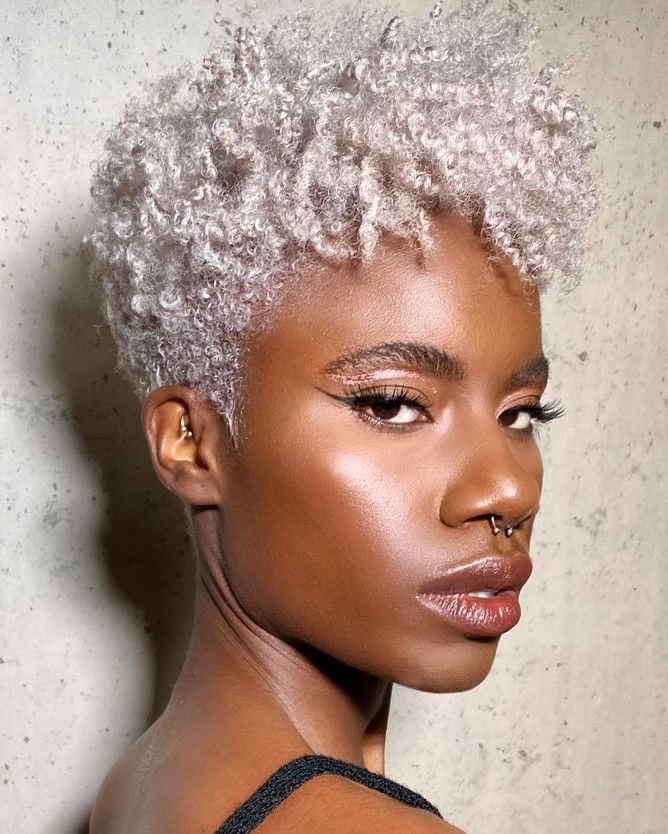
A short pixie cut in silver with tight, coily texture and a short fringe, plus a sharp side detail near the ear. This shape works best for fine, coily hair that is already short, and it suits most face shapes when the fringe is part of the design. Ask your stylist for: short textured pixie, silver color, sharp side detail. A light pomade keeps the texture defined, and a trim every four to six weeks holds the line.
Voluminous Shoulder-Length Gray Afro
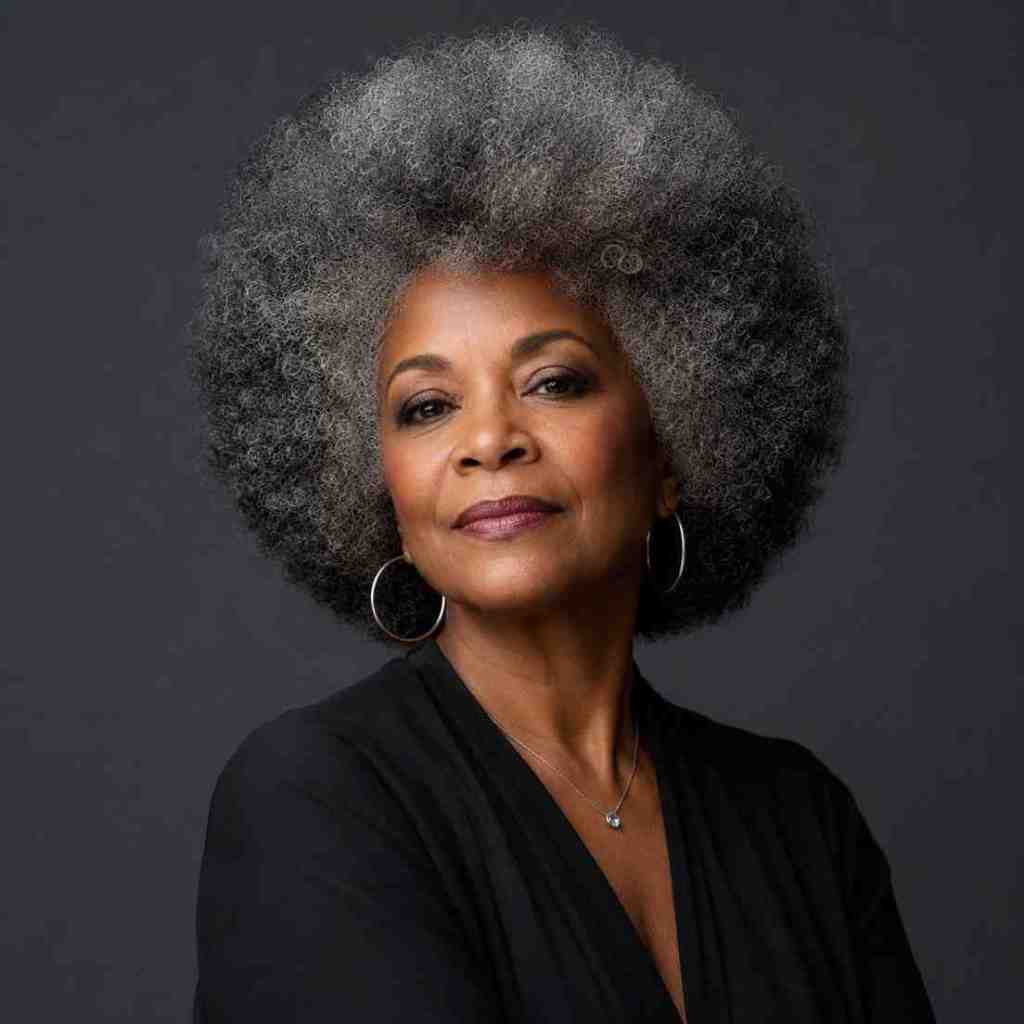
Can you get a full gray afro without spending hours on it? This shoulder-length version is air-dried, so the answer is yes. The thick, curly texture does the work. Ask your stylist for: voluminous shoulder-length gray afro, middle parting. Refresh it with water and a curl enhancer between washes, and schedule a trim about once a year to maintain the shape.
Keep the routine short. A satin bonnet at night protects the volume, and a wide-tooth comb is all you need for detangling in the morning.
Thick Coily Black Natural Afro
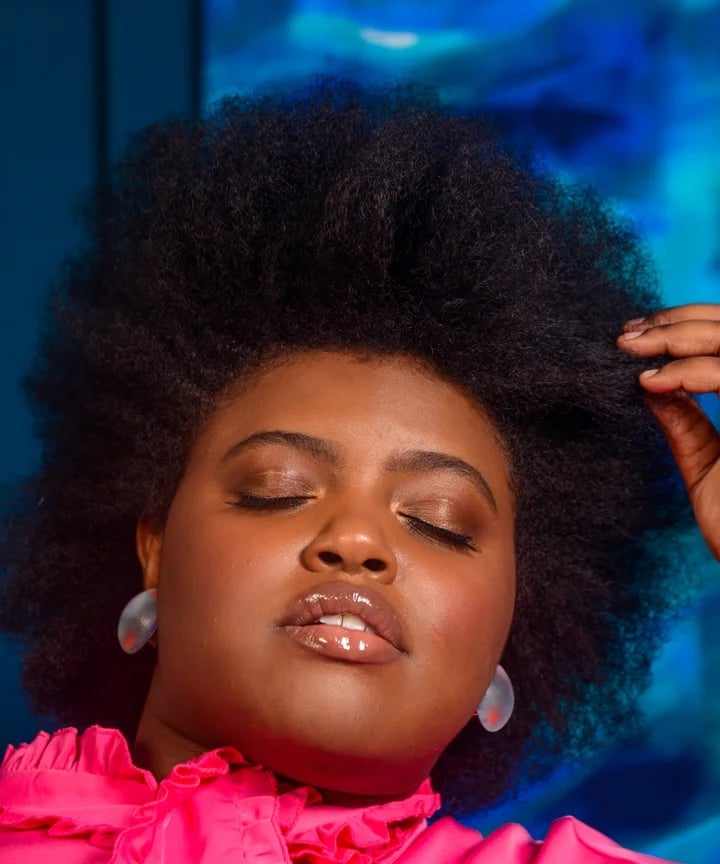
A full, rounded afro with thick coily black hair uses the hair’s natural density for its shape. This is a DIY style in principle, but the honest trade-off is time: detangling a thick afro of shoulder length or longer takes patience and a good wide-tooth comb. Ask your stylist for: voluminous natural afro, emphasize coil pattern. A satin bonnet at night reduces friction, and skipping heat tools keeps the texture intact. The volume is the point, so be ready for the space it occupies.
Sculpted Short Pixie With Defined Coils
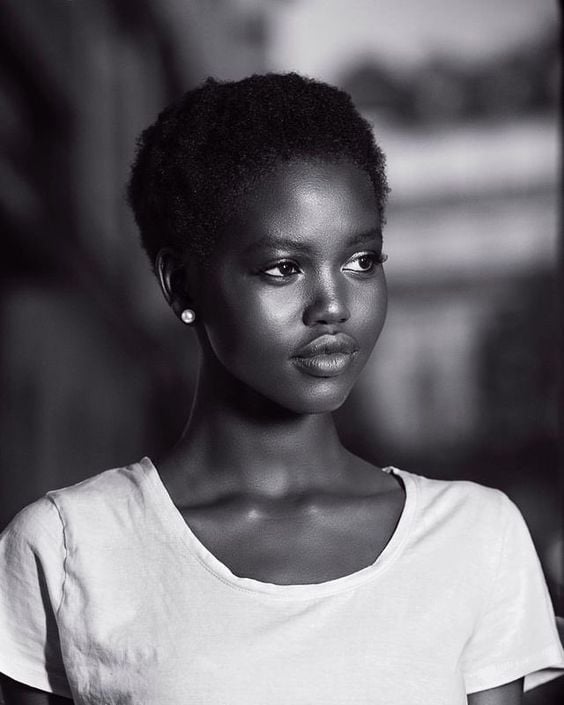
A short pixie in deep black with tightly coiled, thick hair, where each coil is sharply defined rather than blurred. The precision is the point: this cut needs a stylist who understands coil patterns and can sculpt the shape around them. Ask your stylist for: short pixie with sharply defined coils, side parting. A curl-defining cream applied to wet hair, followed by air drying or a diffuser, sets the definition. Trims every four to six weeks keep the silhouette clean.
Sharp Line-Up Buzz Cut
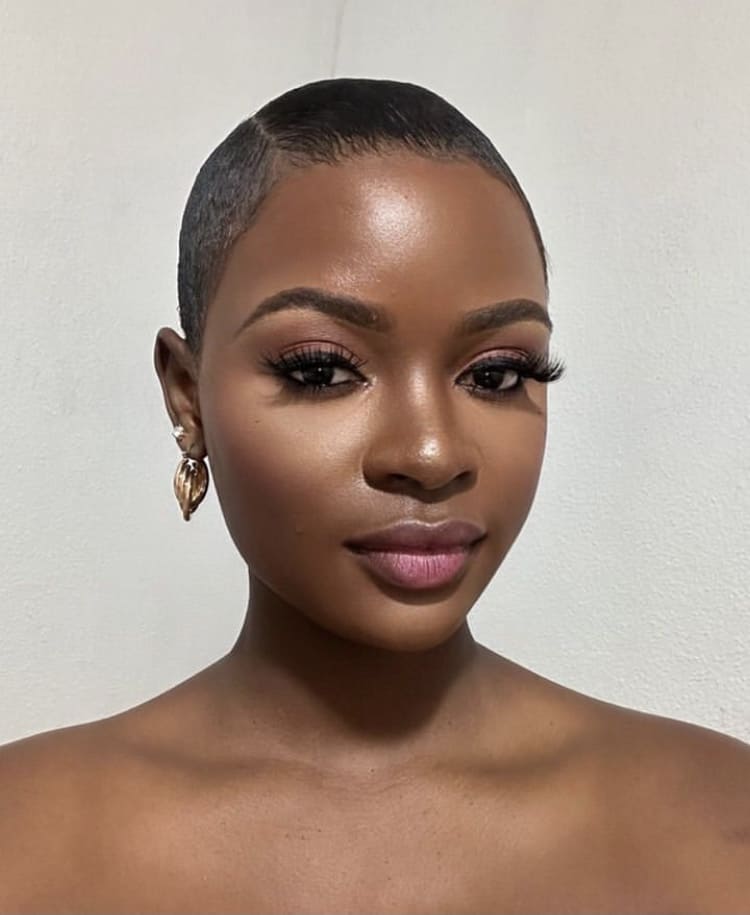
A buzz cut with a sharp line-up along the hairline and side parting is not the same as a soft fade. The line-up is deliberate and geometric, drawing a clean boundary between hair and skin. Ask your stylist for: buzz cut with a sharp line-up and side parting. This cut works for all hair types and densities because the length is uniform, but the line-up demands a barber visit every two to three weeks. Let the line grow a week past its prime and the whole effect softens.
Voluminous Blowout With Subtle Highlights
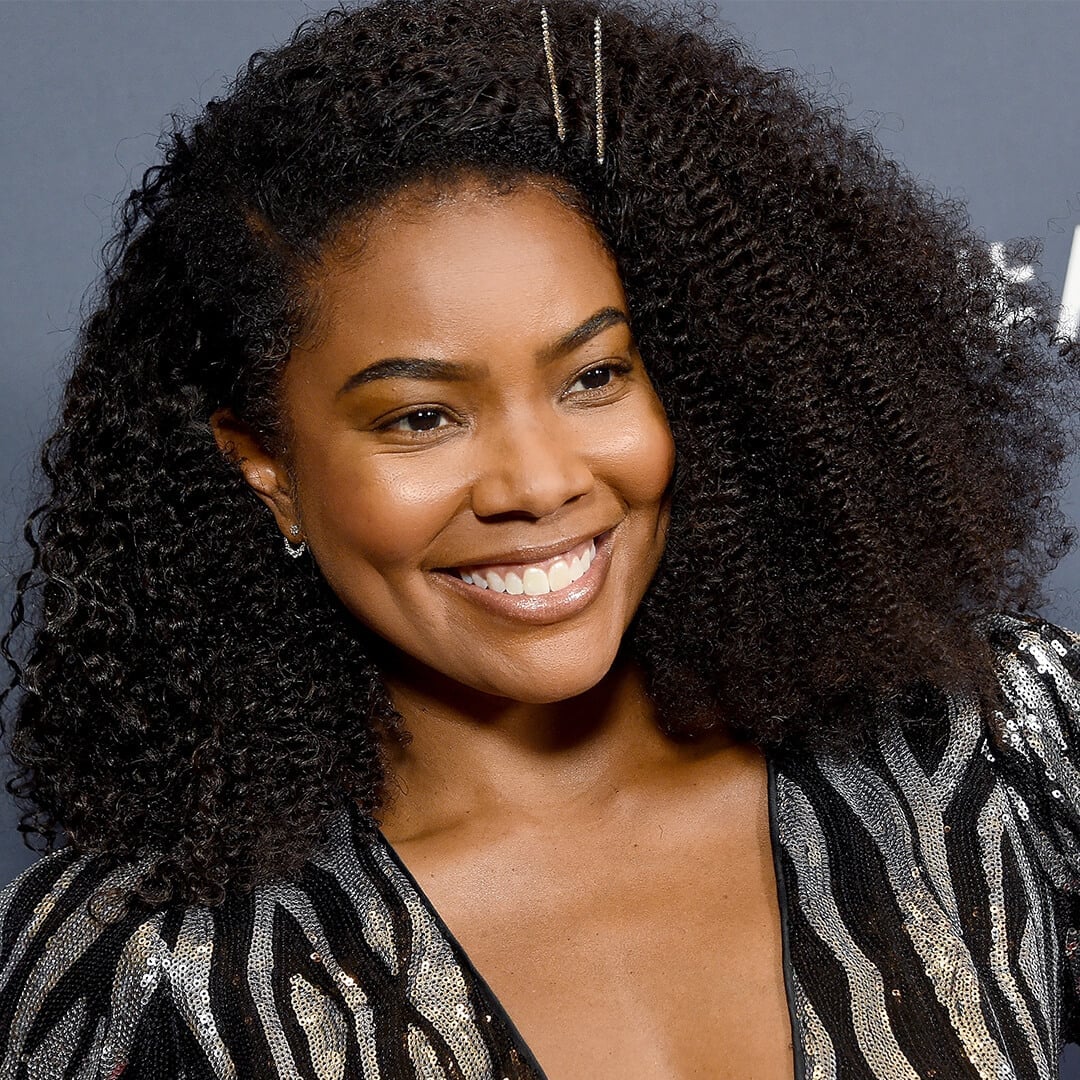
You know the voluminous black hair blowout that looks like it took a professional an hour and a half? The secret is in the request, not the round brush. This collarbone-length cut relies on layers cut through the thick, wavy texture so the hair swings instead of stacking. The subtle highlights are what save it from looking like a solid helmet of black.
Ask your stylist for a collarbone-length blowout with subtle highlights, and specify a side part with the front sections swept back. The highlights should be a few shades lighter than your base, painted on sparingly so they catch light without turning brassy. This suits thick, wavy hair that holds a curl from a large round brush; oval and long face shapes carry the side sweep well. Expect to refresh the blowout with dry shampoo at the roots on day two, and book a trim every eight weeks to keep the ends from splitting.
Two-Tone Curly Mohawk
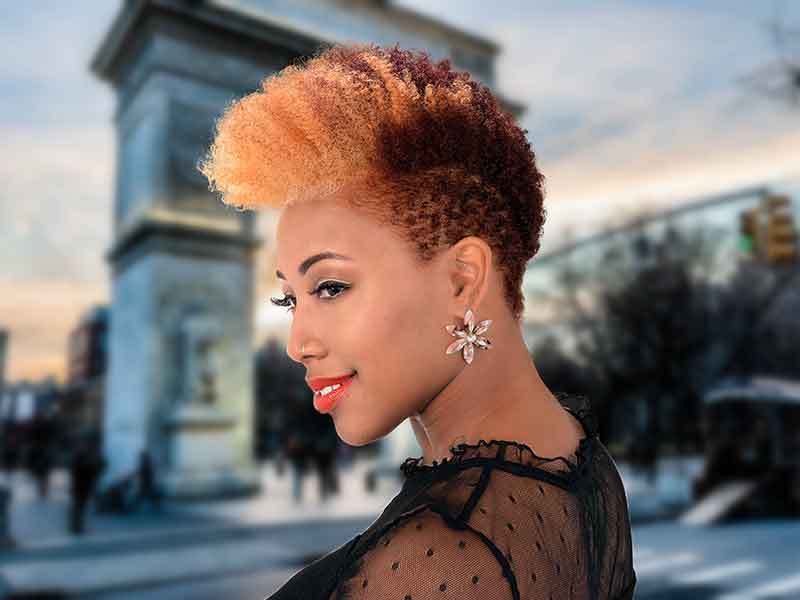
This cut announces itself before you do. Blonde on top, auburn on the sides and back, the two-tone curly mohawk uses the contrast to define the shape, so the short, thick curls read as deliberate even when they are not. The side parting keeps the height from feeling like a helmet. It is the kind of style that belongs at a summer festival or a gallery opening, anywhere the room is already loud. Because the color is what makes the silhouette work, the auburn needs a gloss or toner every four to six weeks to prevent fading into a muddy brown.
Shoulder-Length Defined Twist Out
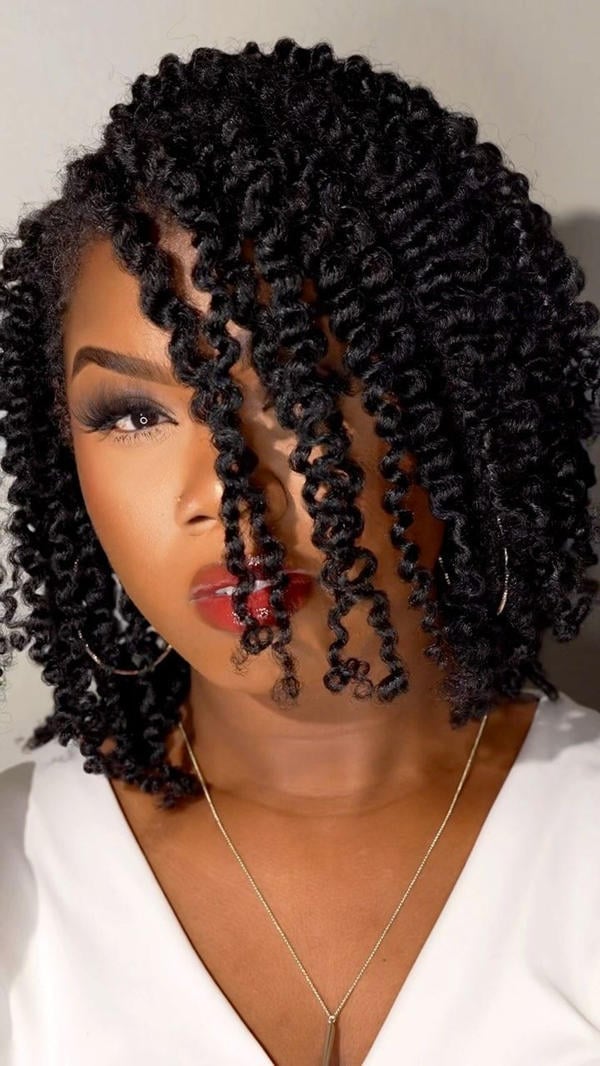
A twist out looks polished only if the twists were done right the night before. This shoulder-length version starts with thick, curly hair twisted in sections, then separated for volume. The result is a defined, bouncy texture that moves when you turn your head, and the side parting keeps the volume from sitting too wide.
The upkeep is about preservation. Separate the twists gently with your fingers or a wide-tooth pick, then refresh with a water and leave-in conditioner mist. This keeps the definition from turning into frizz by day three. The volume at the sides suits round and oval face shapes, and the length works for anyone who wants movement without committing to a full wash-and-go routine. Re-twist every one to two weeks to reset the pattern.
Short Braids With Side Undercut
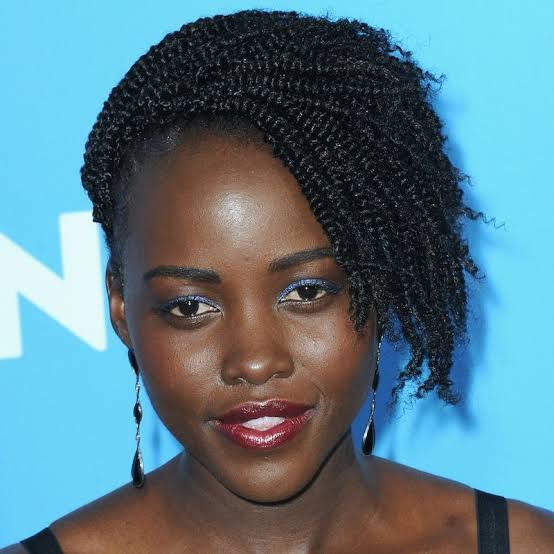
The undercut on one side is the quiet rebel here, but the intricate twisted braids do the negotiating. This ear-length style starts with the braids sectioned on a visible side part, then the other side shaved clean, so the braids get all the attention and the undercut adds the edge. It is a salon-only build because the braiding pattern needs to be laid out around the shaved side, and the line between braid and skin has to stay sharp. A skilled braider will anchor each twist close to the scalp so the style holds its shape. The coily texture is ideal, since it grips the braids and keeps them from slipping.
Micro Braids Bob With Side Swept Fringe
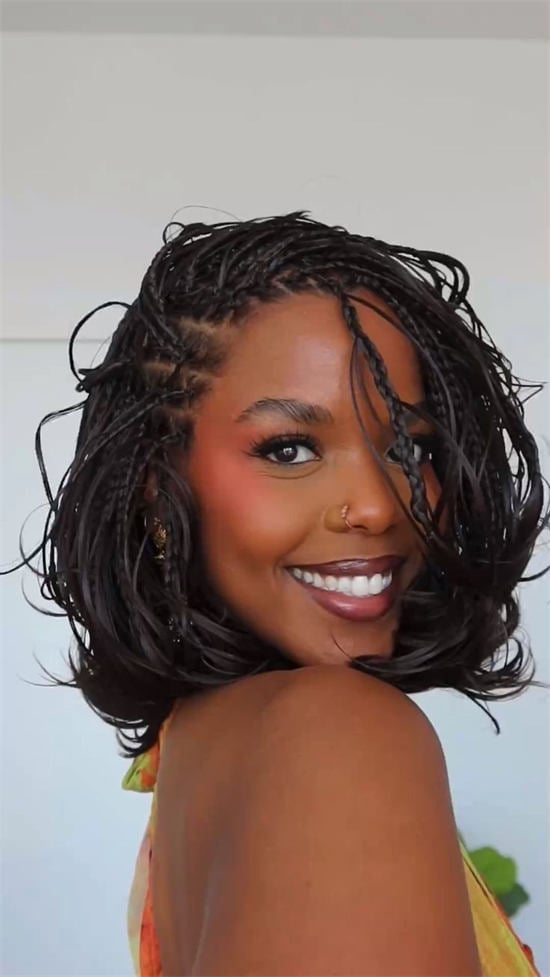
Wondering if micro braids can work in a bob without looking like a wig? Yes, when the fringe is part of the cut. This collarbone-length bob is built from micro braids, and the side-swept fringe makes it read as a haircut rather than a style. The straight, fine texture of micro braids gives the bob a sleek weight that swings, and the side parting keeps the fringe from sitting too heavy.
This suits straight or loosely wavy hair that can hold small braids without frizzing, and the soft angle of the fringe balances square and round face shapes. Ask your stylist for a collarbone-length micro braid bob with a side-swept fringe. The braids need a light oil to keep the shine, and the ends will need re-braiding or a trim every eight to ten weeks. If you prefer a sharper line, keep the bob blunt; if you want movement, ask for a few layers underneath.
Glossy Black Finger Waves
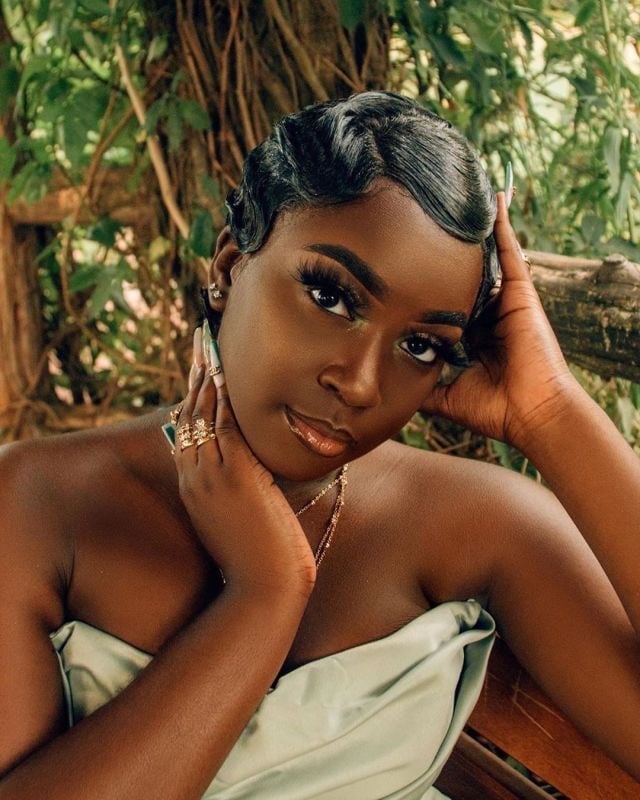
The geometry is the point: each wave is carved into a precise S-shape that sweeps from a side part across the forehead, hugging the head like a sculpted cap. You start with damp, clean hair and a firm setting lotion, then use a wide-tooth comb to mold the curves section by section. A fine-tooth comb traces the part lines and smoothes the surface. Once the pattern is set, a blast of cool air from a blow dryer locks the shape in place. Finish with a light-hold hairspray so the gloss stays and the waves don’t budge. Ask your stylist for: short pixie with glossy finger waves, side parting.
Updo With Beaded Braids
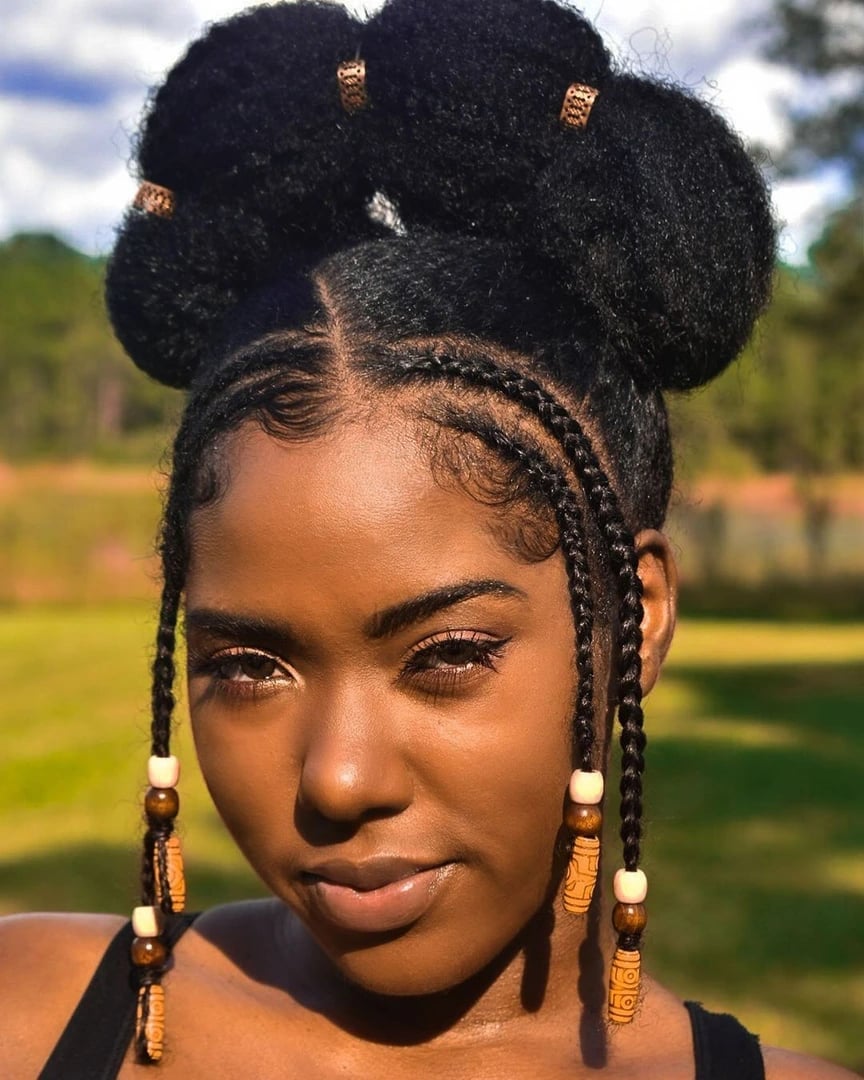
Two large buns sit on top like a crown, while intricate braids run along the hairline and sides, each woven with small wooden beads. The beads add weight, which helps the braids lie flat, and they catch light. This is a salon-only build: sectioning and tension matter if you want the buns to stay symmetrical and the braids to stay neat.
On the upkeep side, a lightweight moisturizing spray every other day keeps the braids from drying out. The beads can be swapped or removed entirely when you want a quieter version. The style holds for about two to three weeks with a silk scarf at night, and it works for events where you want something protective that still looks finished. Ask your stylist for: updo with large buns and beaded braids.
Neat Shoulder-Length Braided Pigtails
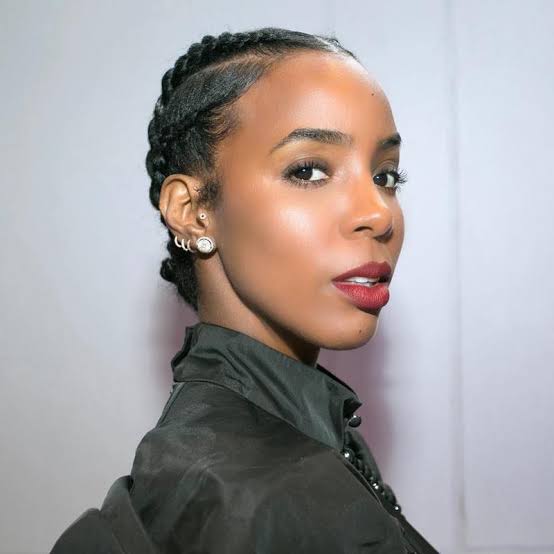
Where a relaxed braid out lets strands loosen and puff over time, these pigtails stay smooth and uniform from part to elastic. The middle parting is razor-straight, the braids are the same thickness from root to tip, and the ends are sealed with small elastic bands. The result is a tidy look that works as a useful alternative when you want symmetry without a full updo. It works best on straight or loosely wavy hair that holds a clean line. Ask your stylist for: shoulder-length neat braided pigtails, middle parting.
Short Undercut With Textured Curly Top

The undercut runs clean along both sides, shaved close enough that the contrast between bare skin and dense curls is the whole point. On top, thick natural black curls are left long enough to form a rounded shape, styled with a side part that adds volume on one side. The honest drawback: the undercut needs a trim every three to four weeks to keep that sharp line. Let it go past five weeks and the grow-out starts to blur the contrast that makes this cut work. Ask your stylist for: short undercut with textured curly top, side parting.
Defined Coils With Side Undercut
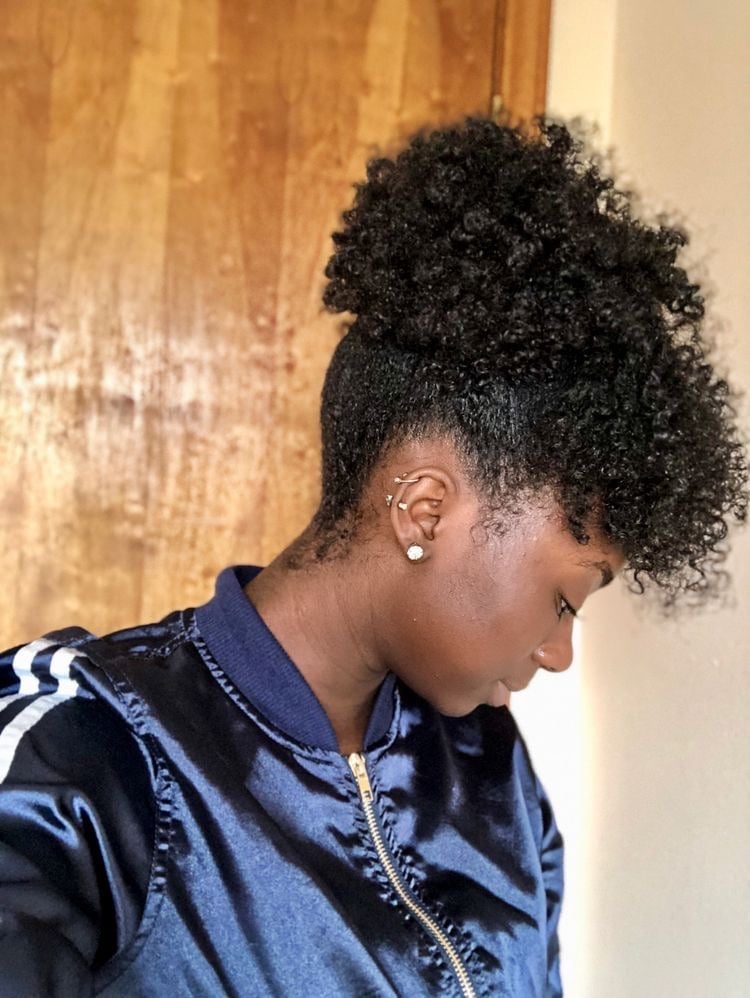
Each coil is separated and defined, not clumped into a fro, so the springy texture reads clearly against the bare undercut on the sides and nape. The technique is straightforward: apply a coil-defining gel or cream to damp hair, then finger-twist small sections and let them air dry or diffuse on low. The undercut is carved on one side only, which keeps the shape asymmetrical and keeps the top from looking top-heavy. The full effect relies on definition, so a refresh with water and a light gel every few days helps the coils stay distinct. Ask your stylist for: short cut with defined coils and side undercut.
Long Brown Box Braids With Highlights
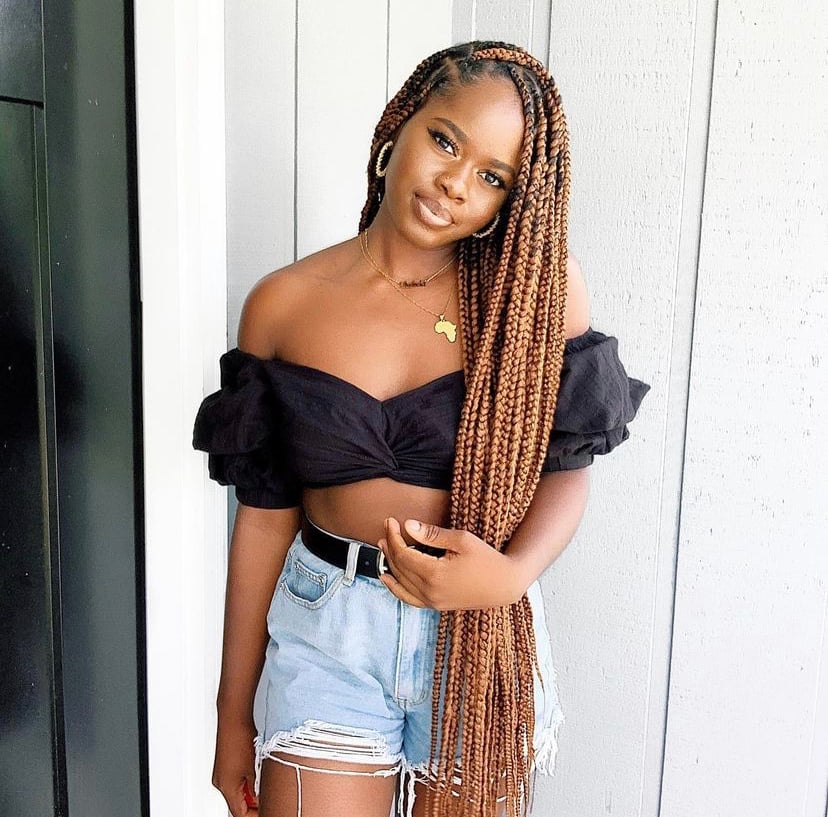
Wondering how to ask for those mid-back length braids with a warm brown base and subtle blonde highlights? The middle parting keeps the look neat, and the straight texture of the braids lets the color dimension do the work. Box braids protect the hair underneath, so you can wear them for weeks with the right care.
Ask your stylist for: mid-back length box braids, warm brown with blonde highlights. Use a leave-in spray to keep the braids moisturized and the scalp comfortable. Plan a re-braid appointment every six to eight weeks to maintain the neat line at the roots and refresh the ends.
Short Layered Bob With Side-Swept Bangs
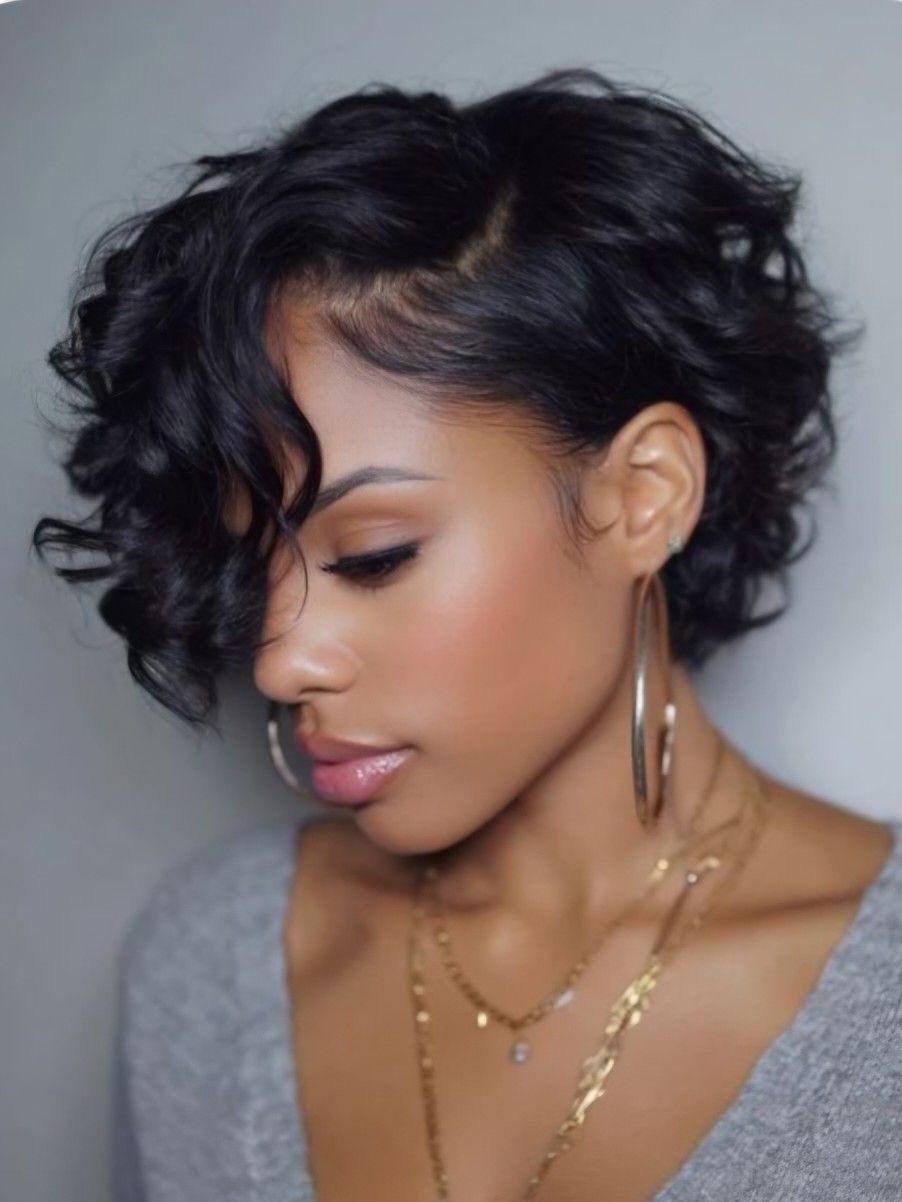
The side-swept bangs do the heavy lifting here. On a chin-length layered bob with fine, wavy black hair, that diagonal fringe softens the angles of a square or angular face without losing the cut’s structure. The layers add movement, so the bob never sits flat. A side parting completes the shape. The short layered bob with side-swept bangs works best when the bangs hit just past the brow, enough to sweep but not hide the eye.
Curly Mohawk With Undercut
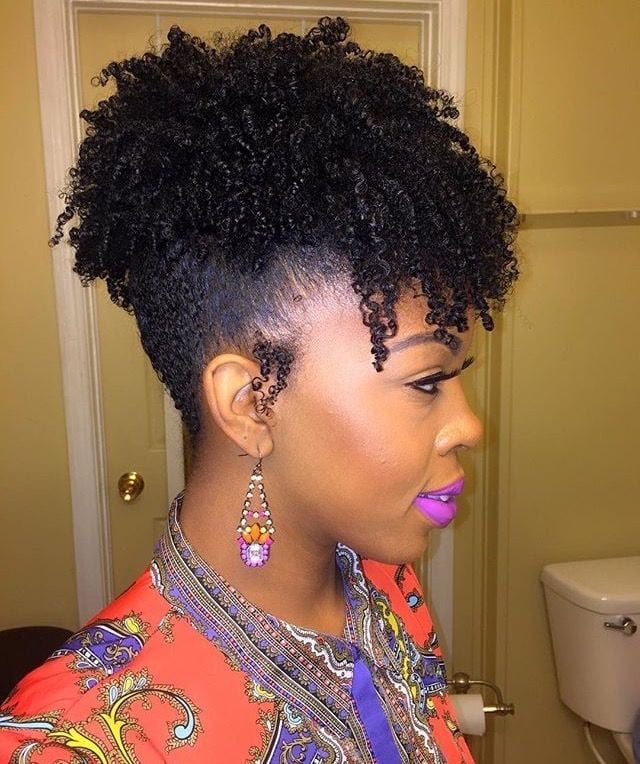
Is there a better summer cut than a curly mohawk with an undercut? The shaved sides mean less heat on the neck, and the voluminous curly top catches every breeze. The side parting lets the curls cascade forward, which keeps the profile interesting from every angle. This ear-length style with black, thick texture holds up through humidity and works well at outdoor events from cookouts to concerts.
Textured Top With Sharp Undercut
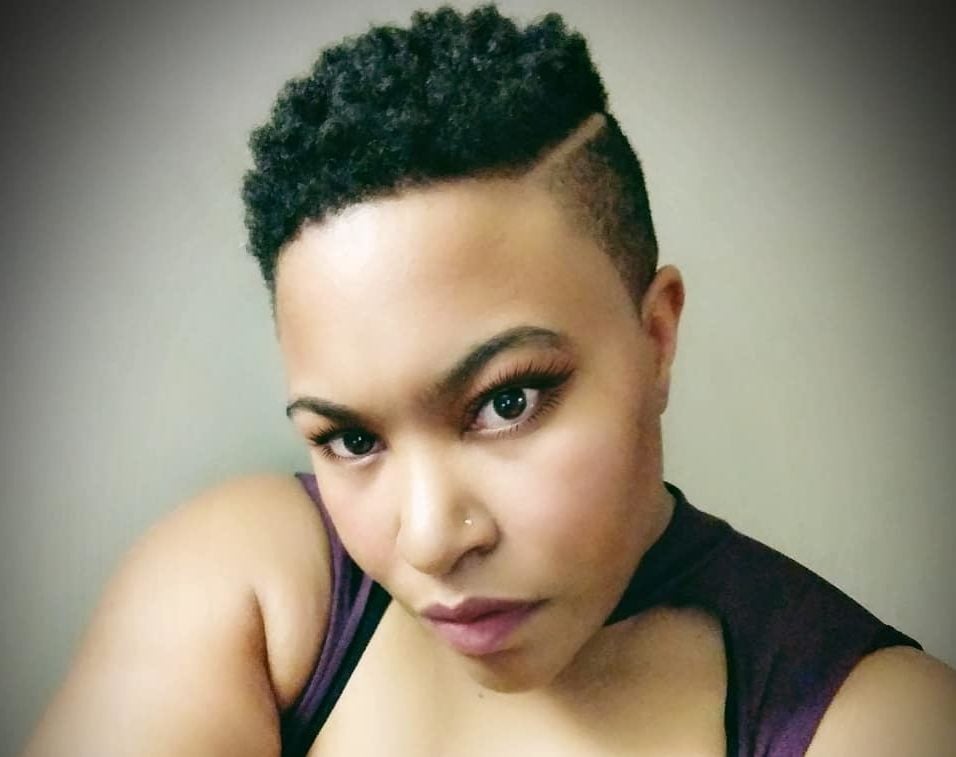
The sharp undercut demands a regular schedule. With a short, coily, thick top and shaved sides, the contrast is the whole point, and that edge blurs fast if the undercut goes two weeks too long. A barber or stylist is the only way to keep the line crisp. The top section stays low maintenance: a styling paste on damp coils shapes the side-parted volume, and the rest is air-dry. About three weeks between edge-ups is realistic.
Ear-Length Afro With Face-Framing Layers
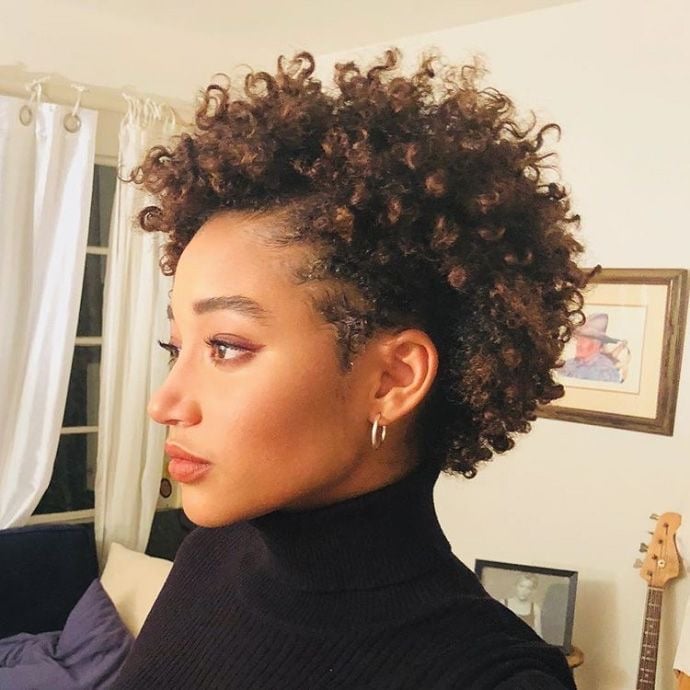
The ear-length afro with defined curls and face-framing layers is one of those cuts that looks like the stylist spent an hour but actually takes minutes to maintain. Air drying is the method here: apply a curl-enhancing product to wet hair, shake at the roots, and let the side parting fall where it wants. The dark brown color adds richness to the texture without needing upkeep. Trim the layers every six to eight weeks to keep the shape from turning round.
Final Thoughts
For low-maintenance, prioritize air-dried textures and simple cuts like afros or defined coils. For protective styles, factor in regular salon visits for intricate braiding or twisting.
- Trim afros and textured cuts every 8-12 weeks to maintain shape.
- Refresh braided styles weekly with a light moisturizing spray.
- Deep condition natural hair weekly to maintain moisture and elasticity.
- Protect hair at night with a satin bonnet or pillowcase.
Embrace your natural texture with confidence and creativity.