 Save
Jennifer Aniston’s haircuts have a way of becoming the default answer when you want something that works without a fight. The modern take swaps the old-school volume for a shaggier, more relaxed shape that actually moves with you.
This collection of 19 Trendy Jennifer Aniston Hair ideas covers the full spectrum: collarbone shags with curtain bangs, chin bobs with face-framing layers, and shoulder-length cuts with sun-kissed blonde. Whether your hair is fine and falls flat or thick and needs taming, there is a shape here that keeps its line without demanding a weekly trim.
20 ideas in this post
- Collarbone Shag With Curtain Bangs
- Collarbone Shag With Face-Framing Layers
- Collarbone Cut With Long Face-Framing Layers
- Textured Collarbone Shag With Wispy Bangs
- Chic Chin-Length Bob With Side Part
- Chin Bob With Face-Framing Layers And Side Sweep
- Collarbone Layers With Face-Framing Pieces and Blonde Balayage
- Shoulder Layers With Honey Blonde And Waves
- Collarbone Loose Waves With Money Piece
- Layered Lob With Dimensional Blonde
- Shoulder Layers With Golden Blonde
- Shoulder Layers With Bronde Highlights
- Shoulder Layers With Brunette Base
- Iconic Chin-Length Rachel With Volume
- Shoulder Layers With Root Shadow
- Mid-Back Layers With Wavy Texture
- Shoulder Ponytail With Full Fringe
- Chin Layered Bob With Heavy Bangs
- Short Blonde Bob With Side Swept Bangs
- Final Thoughts
Collarbone Shag With Curtain Bangs
That collarbone-length shag with curtain bangs is essentially the grown-up version of the layered cuts you coveted in 2002, but with a modern, air-dried finish. The medium, wavy texture is what makes it work, those curtain bangs naturally blend into the shag’s layers without looking forced or precious. Ask your stylist for: collarbone shag, soft curtain bangs, natural texture. The middle part and darker, ash-toned roots keep this from feeling too polished, which is the point. Air dry with a texturizing spray or diffuse for a bit more wave, and plan on trimming those bangs every four to six weeks. The cut softens round and square faces, but only if your hair has enough natural wave to carry its movement.
Collarbone Shag With Face-Framing Layers
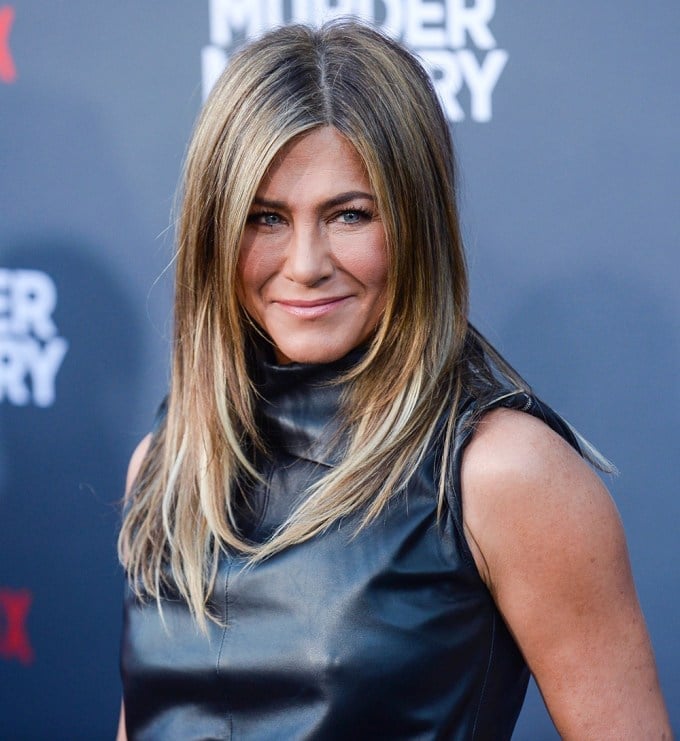
Is it a shag or just heavily layered? The difference is in the face-framing layers. They start higher and wrap around the cheekbones instead of falling in uniform tiers. On fine, straight hair, this precision matters: layers that start too low can look sparse. Ask your stylist for: collarbone shag, face-framing layers, smooth blowout. The blonde balayage with visible darker roots adds the contrast that keeps fine texture from looking flat. A round brush blowout, concentrating on flicking the ends outward, is your best bet for making those layers land exactly where they should.
Collarbone Cut With Long Face-Framing Layers
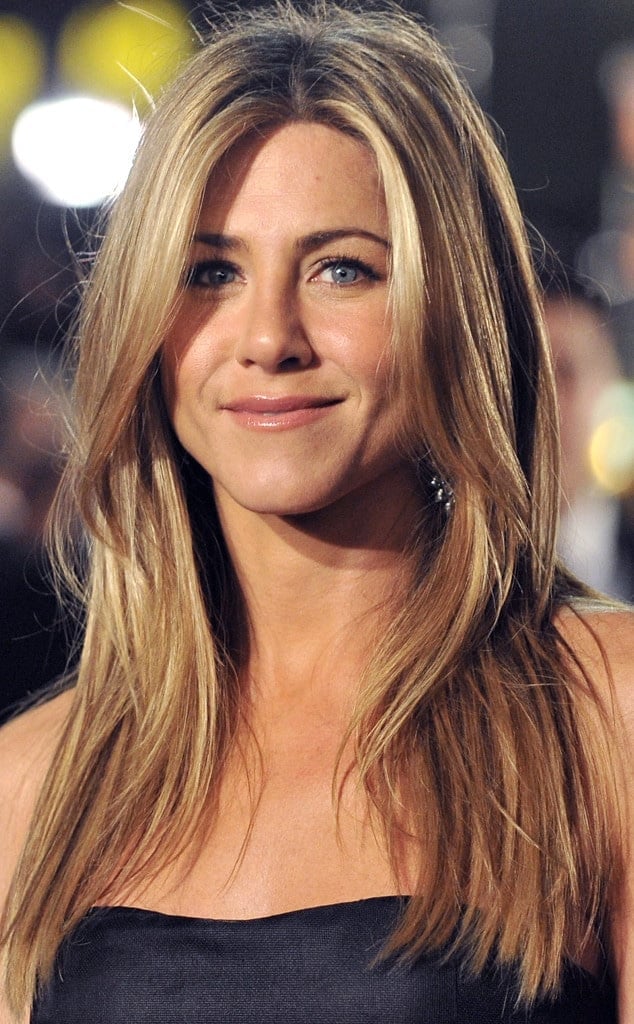
This cut is the less aggressive cousin of the shag, with long face-framing layers instead of the shorter, stacked kind seen on thicker hair. On fine, straight textures, the longer layers maintain density while still adding movement around the jaw and shoulders. The sun-kissed blonde balayage reinforces that soft, grown-out feel. Ask your stylist for: collarbone length, long face-framing layers, smooth blowout. It is a safer bet than a true shag if your hair is on the finer side and you want versatility. The layers are subtle enough to pull back without creating awkward disconnected pieces.
Textured Collarbone Shag With Wispy Bangs
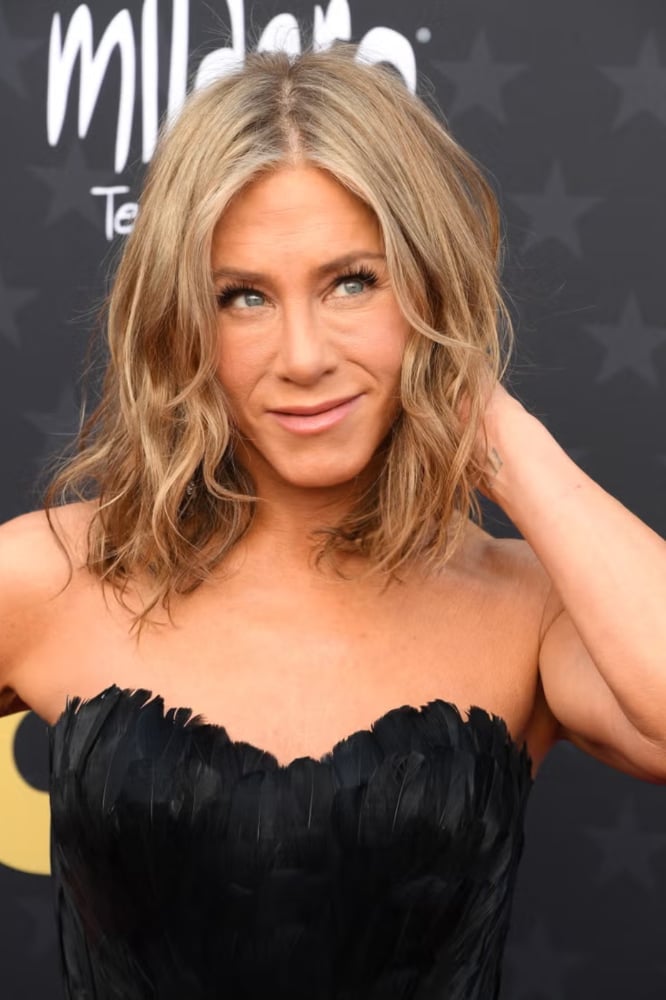
When a shag is cut with wispy bangs and heavily textured layers on thick, wavy hair, the result looks natural in photos but requires a bit of daily negotiation. The wispy bangs will fall exactly as they please, usually forward and slightly piecey, which is the look, but only if you accept that they will not stay neatly swept. Ask your stylist for: collarbone shag, textured layers, wispy bangs, natural finish. Mousse on damp hair, then air dry or diffuse, and resist the urge to over-brush. The trim schedule is six to eight weeks, because those bangs grow fast and the shag’s shape blurs quickly on thicker hair.
Chic Chin-Length Bob With Side Part
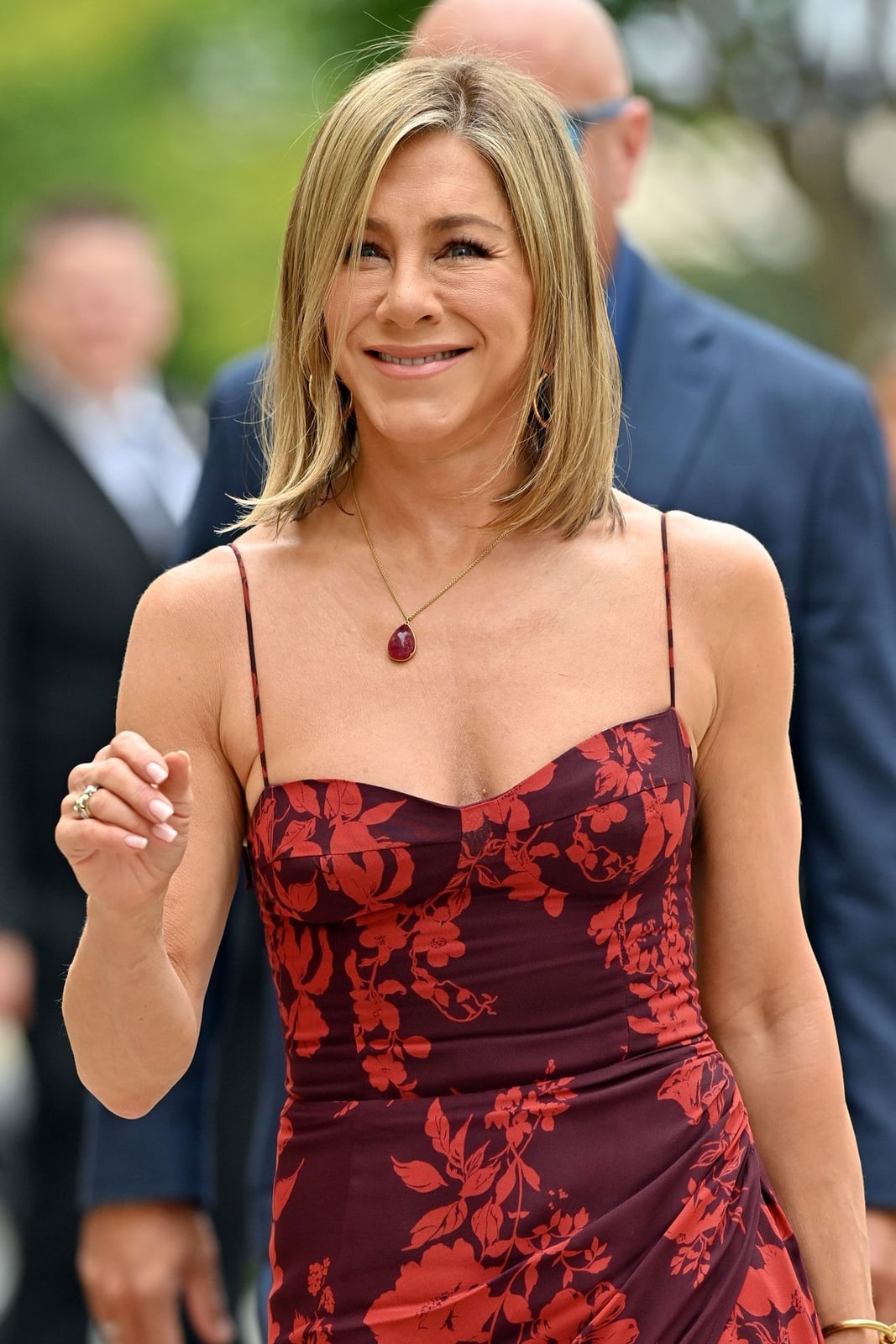
A blunt chin-length bob on fine, straight hair looks deceptively simple. The common mistake is assuming you can cut it yourself or let a generalist handle it, the precision of that side part and the subtle side-swept bangs requires a steady hand and a clean line. Ask your stylist for: chin-length bob, side parting, subtle side-swept bangs. This cut is strictly a salon job, and a flat iron is non-negotiable for the crisp finish it needs. The side part adds volume where a middle part would just sit flat, which is the whole trick for fine textures at this length. Without that asymmetry, it reads as a bowl cut.
Chin Bob With Face-Framing Layers And Side Sweep
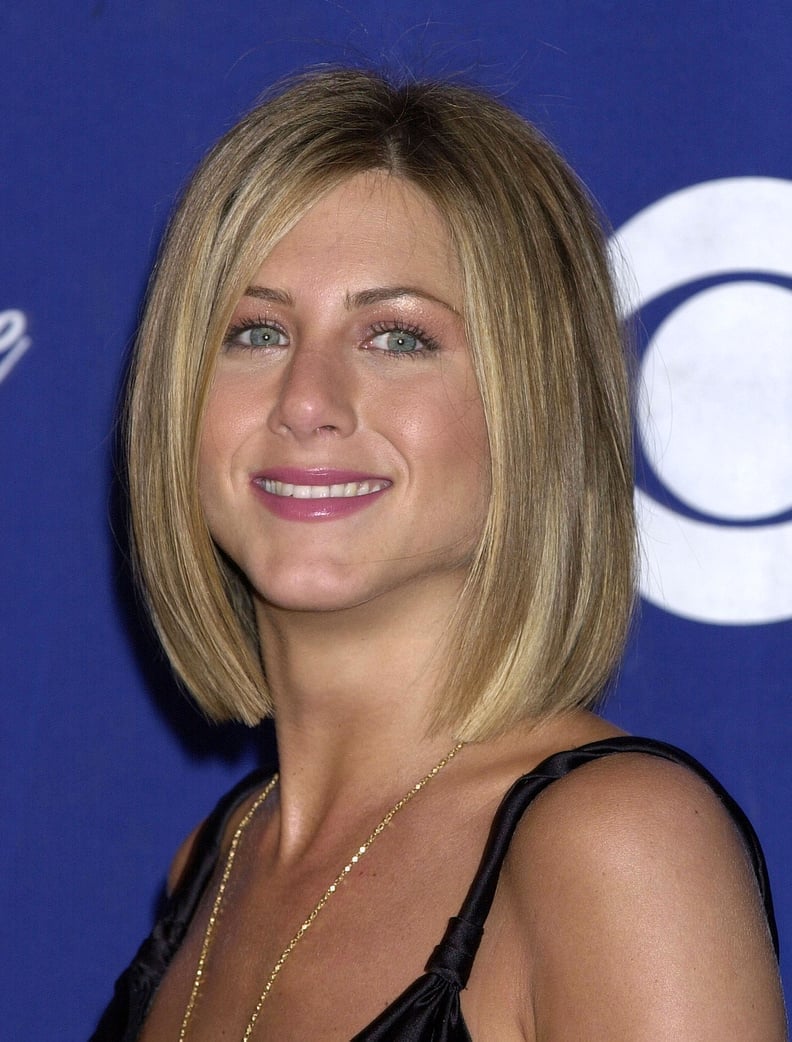
Does a chin-length bob always mean fighting with fine hair that falls flat? Not when face-framing layers are cut in. The subtle layering around the jaw adds movement to straight, fine texture, so the bob keeps its shape without looking weighed down. Ask your stylist for: chin-length bob, subtle face-framing layers, side-swept bangs. The side-swept bangs and side parting work well for square and round faces, softening the angles. A smooth blowout with a round brush, directing hair away from the face, is the styling method, and a trim every six to eight weeks keeps the ends sharp.
Collarbone Layers With Face-Framing Pieces and Blonde Balayage
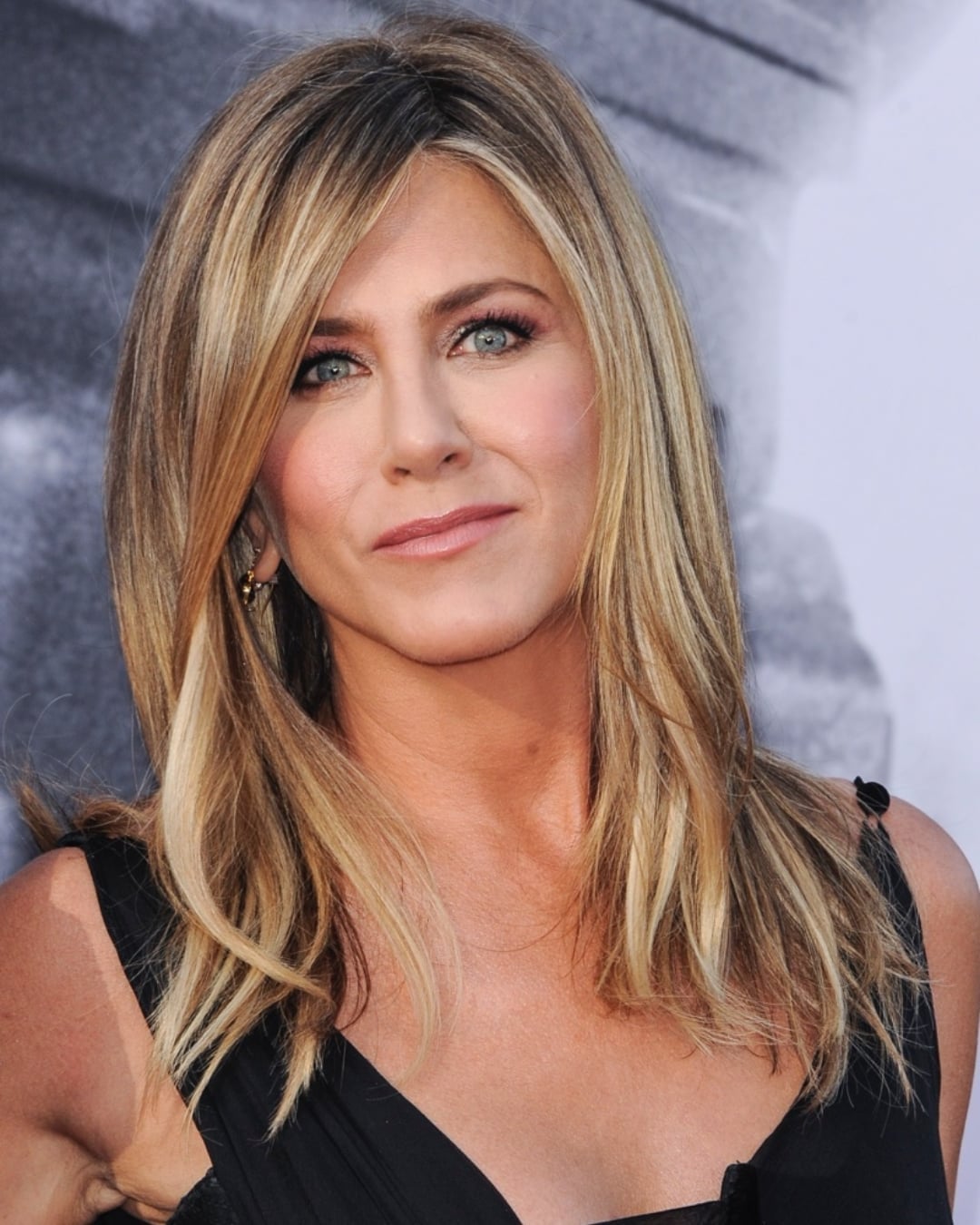
The blonde balayage starts lower on the lengths, which lets the thick, wavy texture show off the color’s dimension. Face-framing pieces are painted a shade or two lighter, pulling the eye toward the collarbone layers while the side parting keeps the movement natural. Ask your colorist for: collarbone length, face-framing layers, natural waves, blonde balayage. The technique suits thick, wavy hair because the lighter pieces define the shape without needing heat styling. Air drying will do, with a trim every six to eight weeks to keep the layers from growing out heavy.
Shoulder Layers With Honey Blonde And Waves
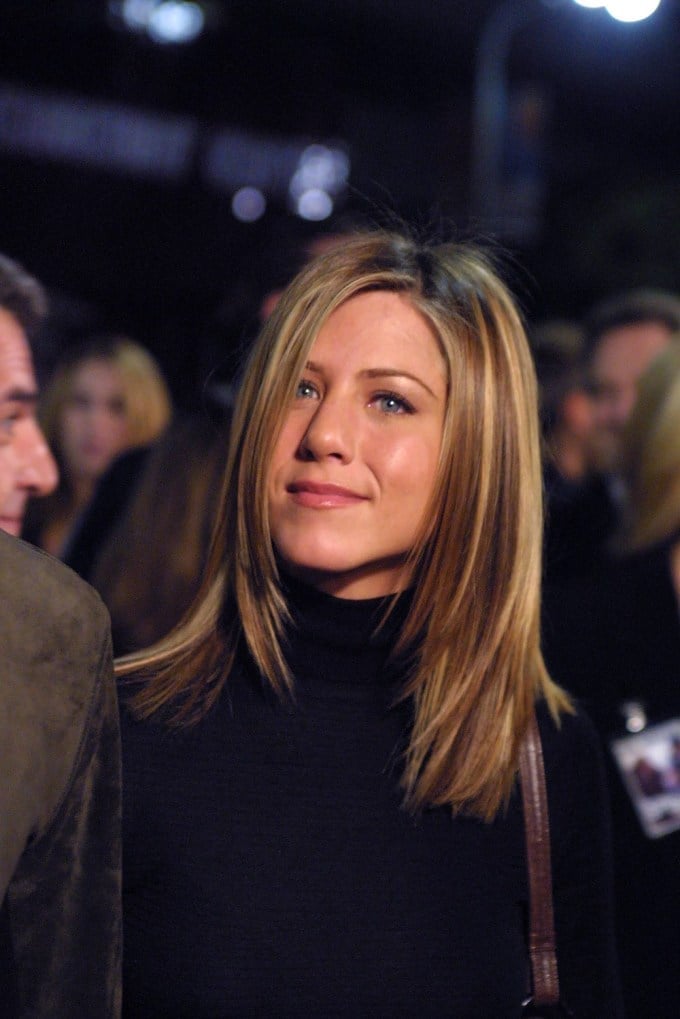
Unlike a cool ash blonde that reads crisp for summer, the honey blonde with lighter streaks here leans warm, which suits the softer, inviting mood of fall. Shoulder-length layers carry the subtle waves nicely, and the side-swept bangs break up the shape so it doesn’t sit too round. Ask your stylist for: shoulder length layers, honey blonde, side-swept bangs, soft waves. Medium-thick wavy hair holds the blowout well, and the layered texture gives it that lived-in feel. A large barrel curling iron creates the waves, or you can enhance what is already there, with a trim every six to eight weeks to maintain the movement.
Collarbone Loose Waves With Money Piece
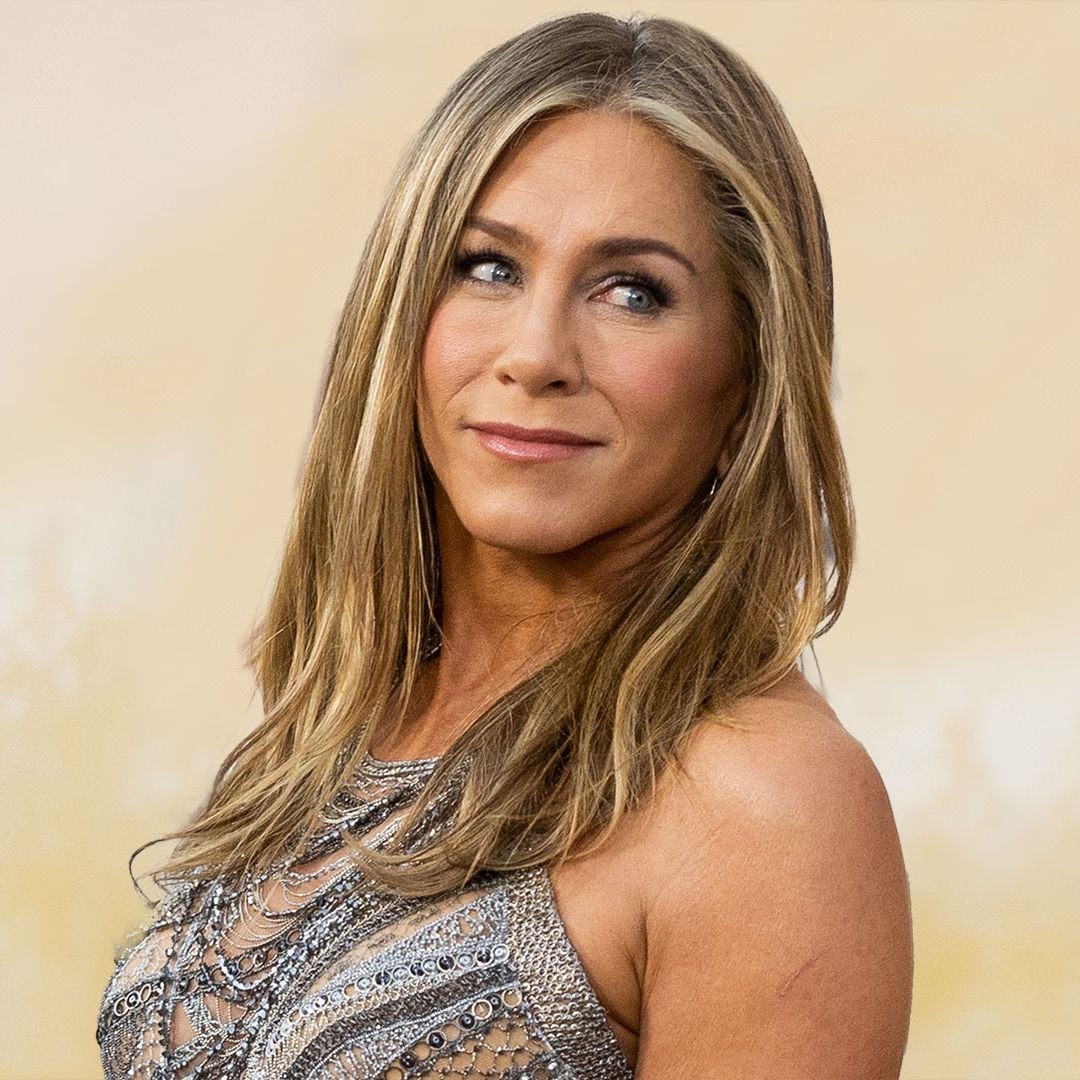
The money piece is the brightest section of the blonde balayage, framing the face in two distinct lighter panels that catch the eye first. It is a strong look on thick, wavy collarbone hair, where the loose waves add body and the face-framing pieces keep the overall shape from feeling heavy. Ask your colorist for: collarbone layers, loose waves, blonde balayage, money piece. The trade-off is upkeep: that brightness needs a toner every eight to ten weeks to avoid turning brassy. A texturizing spray and a diffuser will set the loose waves, though you should be ready to commit to the maintenance schedule.
Layered Lob With Dimensional Blonde
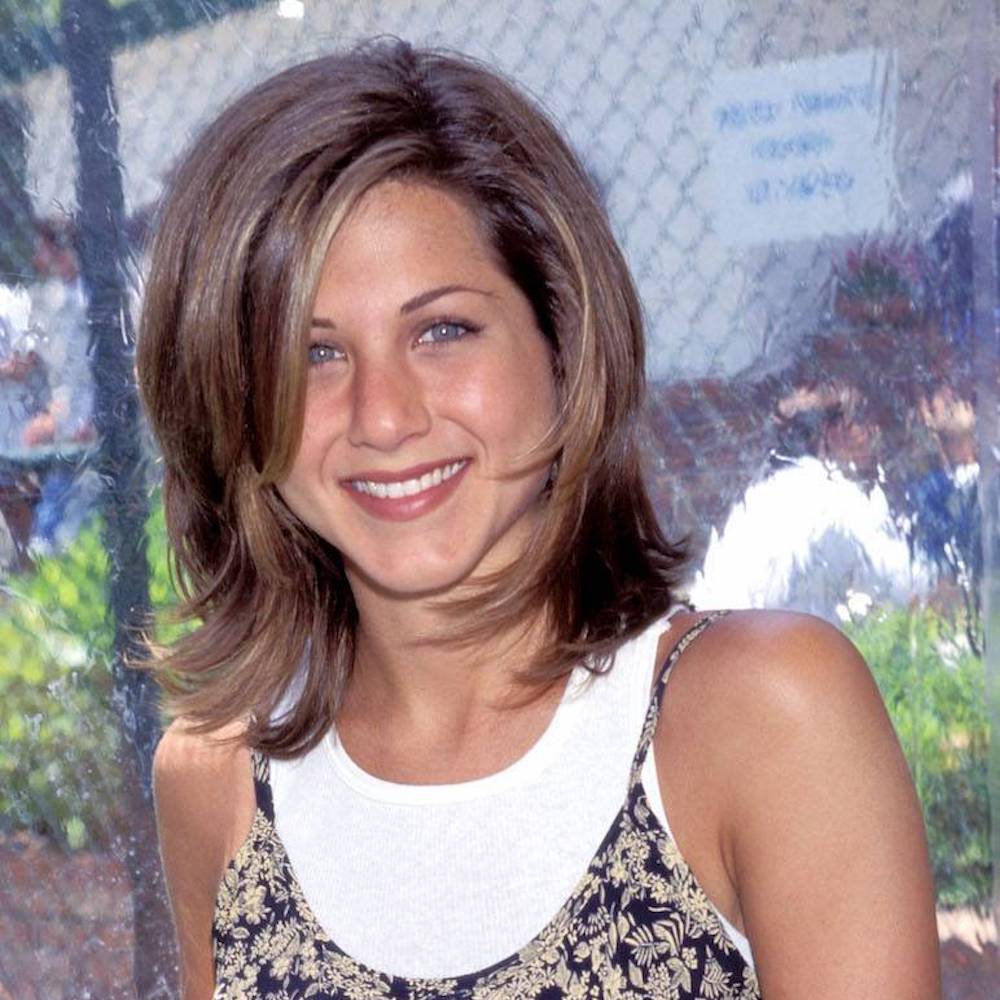
The layered lob ends at the collarbone, and the dimensional blonde prevents it from looking like a single block of color. Thick, wavy hair helps the face-framing layers bend outward instead of collapsing flat. Ask your stylist for: collarbone lob, face-framing layers, dimensional blonde, natural texture. A sea salt spray and air drying is all the styling this needs. A trim every six to eight weeks keeps the lob from turning into a shapeless mop.
Shoulder Layers With Golden Blonde
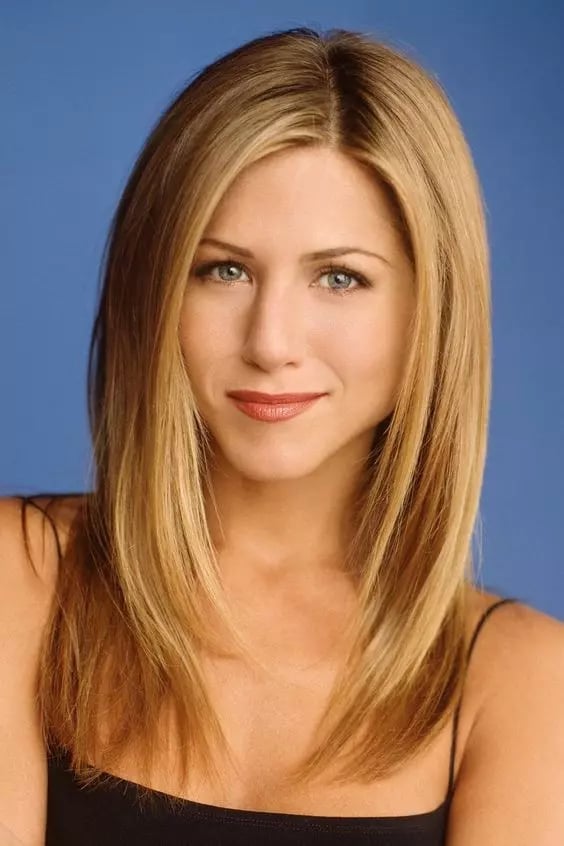
Wondering how to get those smooth face-framing pieces that actually stay put? The key is asking for long layers cut to graze the collarbone with a middle part, not short choppy ones that flip out. This shoulder-length cut relies on subtle golden blonde highlights woven through the ends to catch light without looking streaky. Ask your stylist for: shoulder length, long face-framing layers, golden blonde. Straight, medium-density hair holds this blowout shape best, and a round brush at the roots gives the front pieces their gentle curve. Plan on a toner refresh every eight to twelve weeks to keep the blonde from turning brassy.
Shoulder Layers With Bronde Highlights
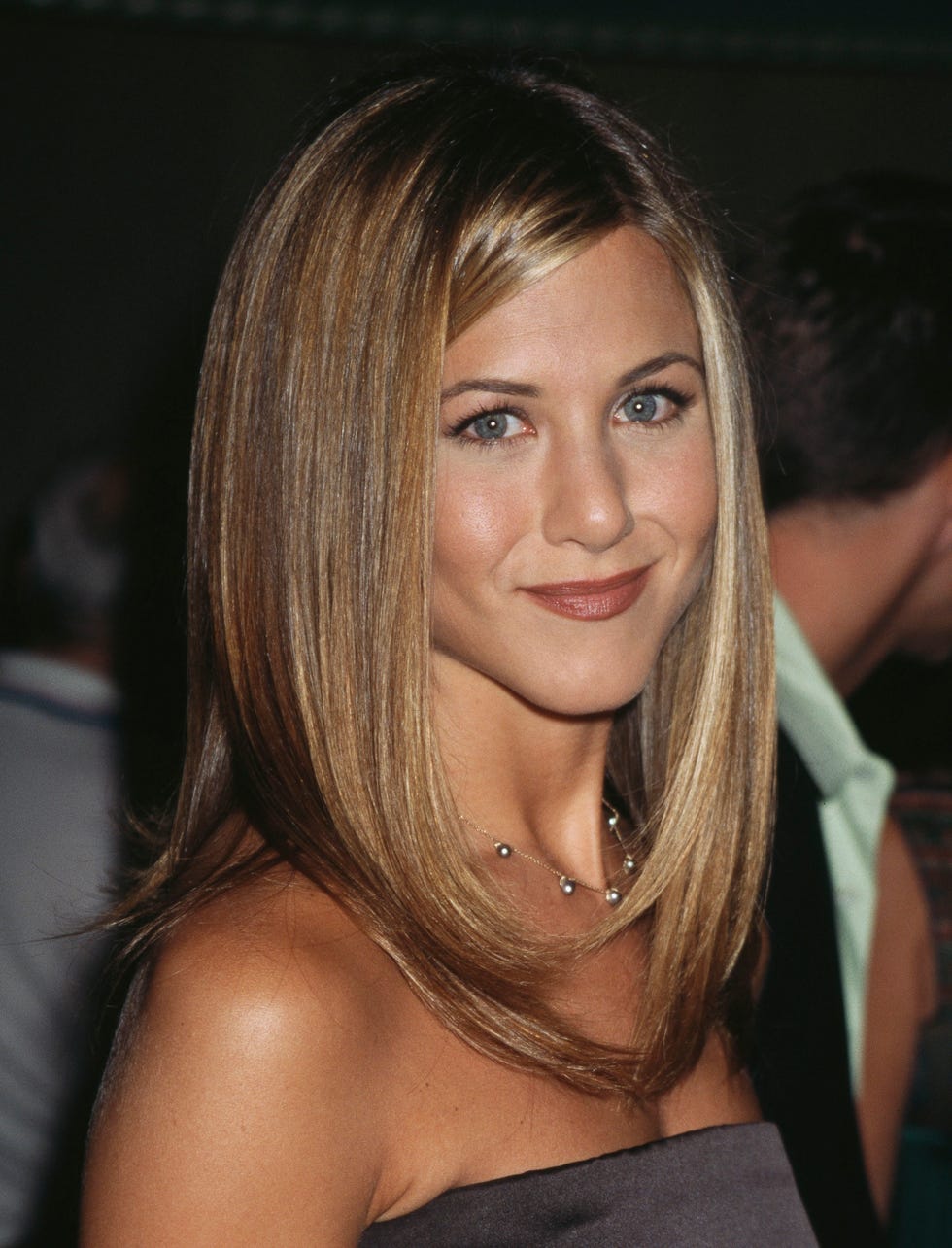
This cut convinced a generation that layers and volume belong together. The shoulder-length shape uses face-framing bangs that blend into longer layers, creating the illusion of thickness where there is not much to work with. Fine, straight hair benefits from the stacked interior, which provides volume at the crown without teasing. Ask your stylist for: shoulder length, layered ‘Rachel’ cut, face-framing bangs, bronde. The glossy bronde color with sun-kissed highlights keeps the overall look soft, which matters when the texture is naturally fine. It is a salon cut through and through, but the daily styling is a simple blowout with a round brush.
Shoulder Layers With Brunette Base
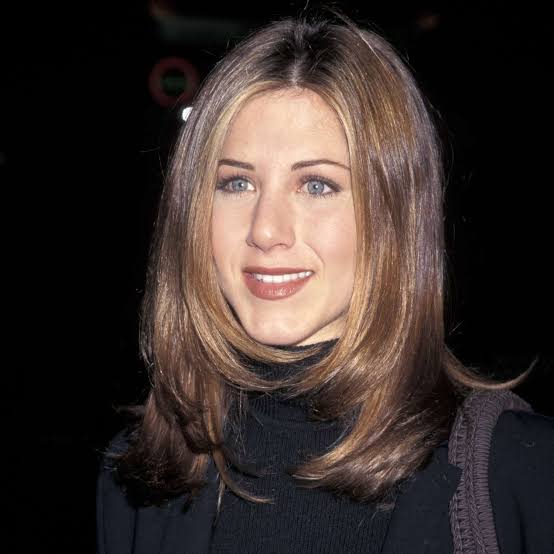
A solid one-length bob and this layered ‘Rachel’ cut live in different zip codes. The bob sits still; this cut moves. The shoulder-length shape relies on a middle part and face-framing bangs that feather into the layers, giving fine, straight hair a lift that a blunt edge cannot deliver.
The brunette base with subtle highlights keeps the dimension subtle and low-contrast, which means the grow-out is gentler on the eye. Ask your stylist for: shoulder length ‘Rachel’ cut, face-framing bangs, voluminous blowout. This cut asks for a blowout with a large round brush to create that flick at the ends, whereas a blunt bob can air-dry in a pinch. For volume that moves, it is worth the extra ten minutes.
Iconic Chin-Length Rachel With Volume
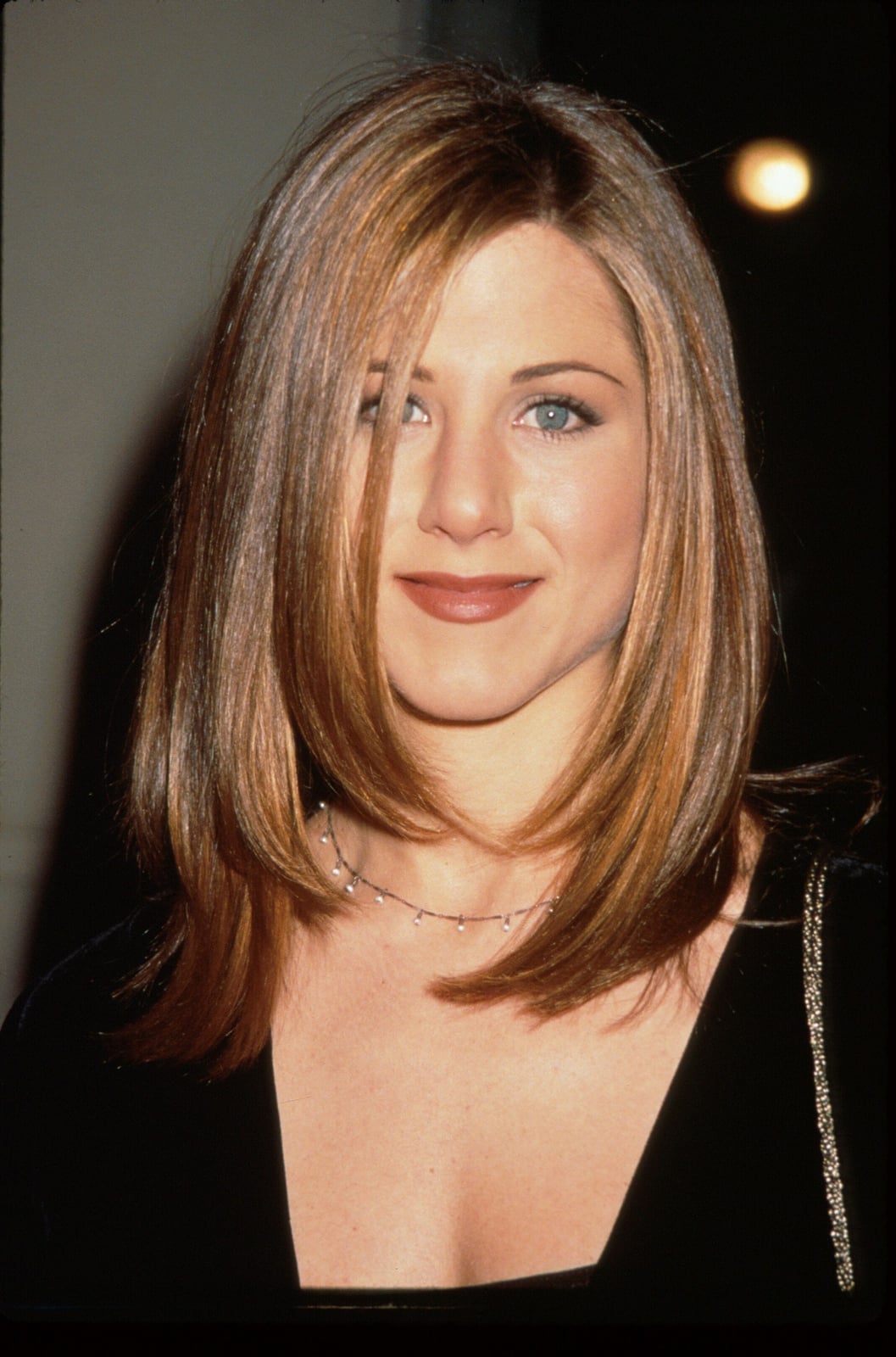
The chin-length ‘Rachel’ cut is built on a specific geometry: face-framing layers that start at the jaw and stack toward the ends, with a middle part that lets the flipped ends look polished. Thick, straight hair takes this shape best because the layers need density to hold their curve without falling flat. Ask your stylist for: chin-length ‘Rachel’ cut, voluminous style, flipped ends. The styling technique involves lifting the roots with a round brush and rolling the ends outward as you dry, section by section. The brown base with blonde highlights adds dimension that makes the layering visible even from across the room. A trim every six weeks keeps the flipped ends from looking shaggy.
Shoulder Layers With Root Shadow

How do you keep blonde highlights from announcing their grow-out every four weeks? A root shadow. This shoulder-length cut uses face-framing pieces and a middle part to show off the dimension, while the darker base at the roots buys you time between salon visits. Thick, straight hair holds the blowout shape well, and the subtle root shadow blends the highlights downward so the line is soft. Ask your stylist for: shoulder length layers, subtle root shadow, blonde highlights. Styling uses a round brush to smooth the face-framing pieces forward. Plan on a toner refresh every ten to twelve weeks to maintain the blonde tone, but the roots themselves will not need touching up for months.
Mid-Back Layers With Wavy Texture
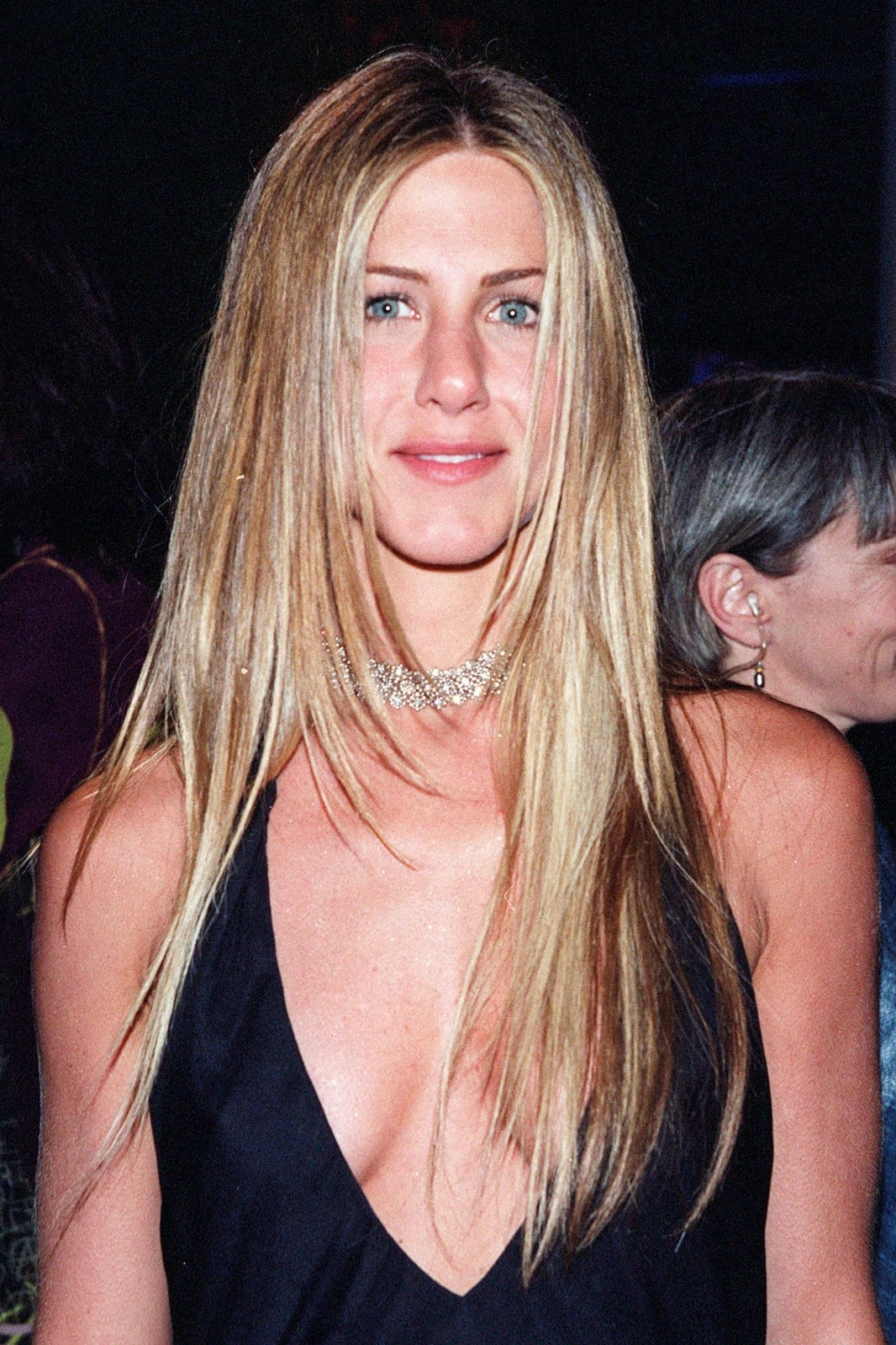
The long, mid-back layers here are cut to move with the wave, not against it. On fine, wavy hair, that means the interior layers stay long enough to preserve density while the face-framing bangs soften a round or square face. Ask your stylist for: mid-back length layers, natural waves, face-framing bangs. The side parting and air-dried texture keep the blonde balayage looking lived-in rather than freshly blown out.
To get this shape, request layers that start around the collarbone and graduate down, so the ends feather without thinning out. A wave-enhancing product on damp hair, then air dry or diffuse, keeps the texture defined. A trim every 8 to 10 weeks maintains the layer shape before the ends start to look stringy.
Shoulder Ponytail With Full Fringe
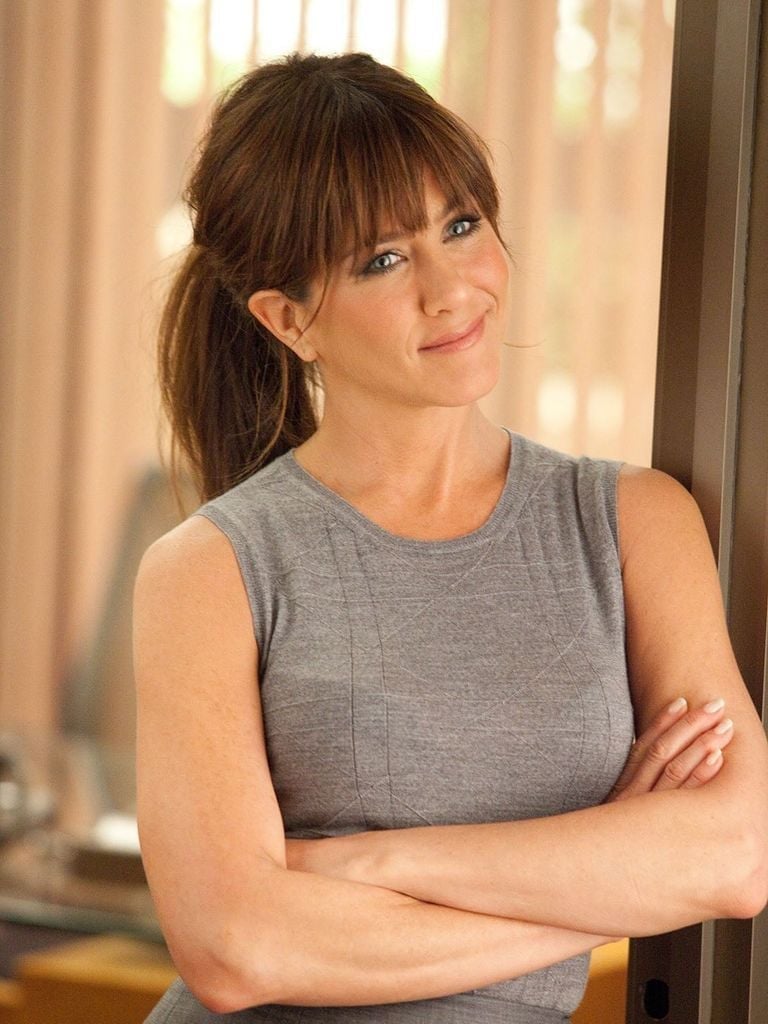
The mistake with a full fringe on thick, straight hair is treating it like an afterthought. This shoulder-length ponytail works because the fringe is cut with weight, not razored to wispy nothing, so it holds its line against a middle parting. Ask your stylist for: shoulder length ponytail, full fringe. A full fringe suits oval and long faces, but on fine hair it can go flat fast unless the stylist leaves enough density. Styling it is a two-minute job: a smoothing cream before the ponytail, and the fringe gets a quick blow dry. Bangs need a trim every 4 to 6 weeks, no negotiation. Doing it at home with kitchen scissors is how you end up with a forehead that looks like a lawnmower got loose.
Chin Layered Bob With Heavy Bangs
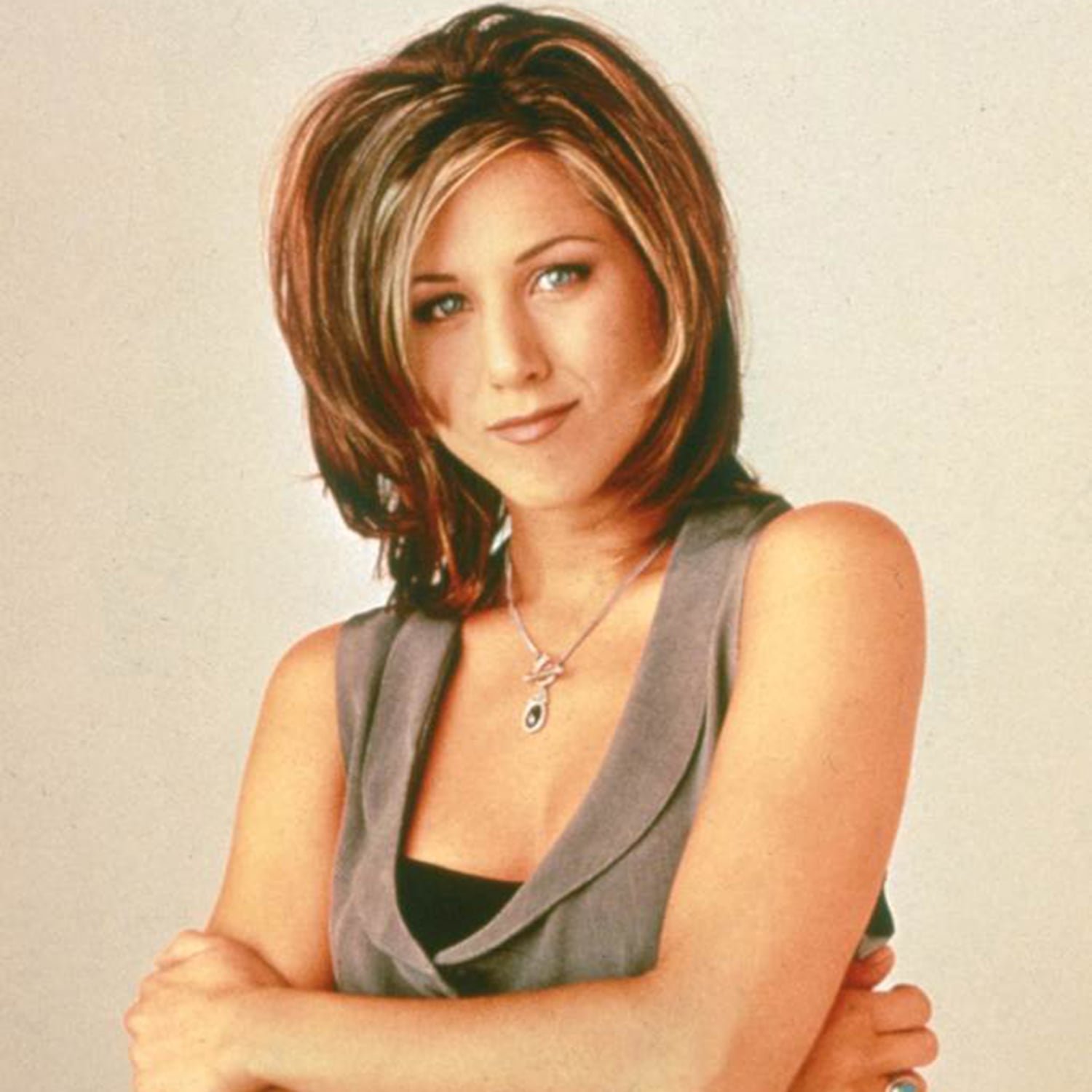
Wondering if a chin-length bob with heavy bangs will swallow your face? The answer depends on texture. On thick, straight hair, the weight of the full bangs and the voluminous blowout balance each other, and the heavy fringe can soften a strong jawline. Ask your stylist for: chin-length layered bob, heavy full bangs, voluminous style. The dark brown base with blonde streaks adds contrast, but the real trick is the layering: it removes bulk without sacrificing density. A round brush blowout maximizes the volume, and yes, the bangs will demand trims every 4 to 6 weeks to keep them out of your eyes. If your hair is fine or thin, skip this one, the weight will sit too heavy.
Short Blonde Bob With Side Swept Bangs
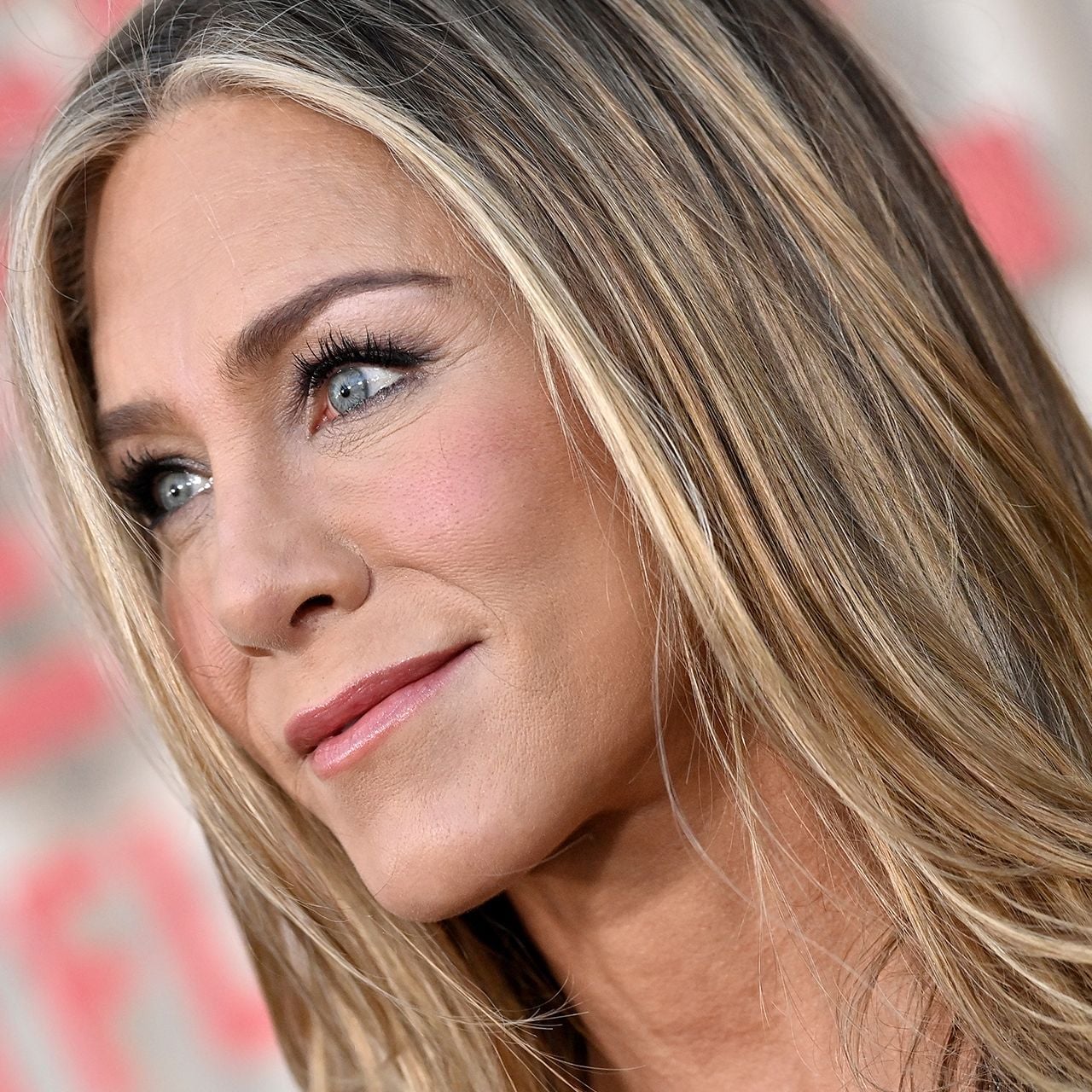
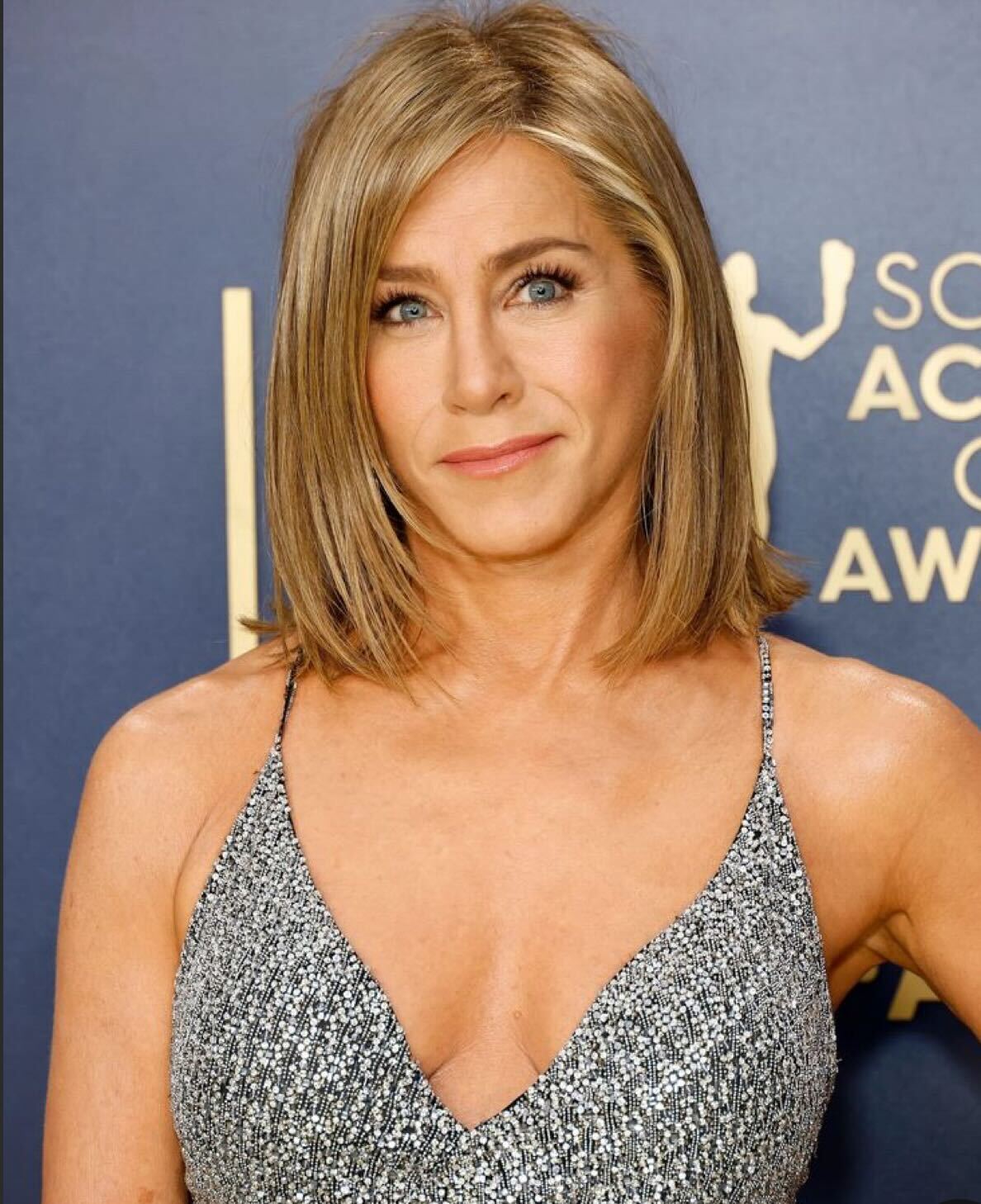
The short blonde bob here is cut to ear length with side-swept bangs and a side parting, and it is precise in a way that forgives nothing. On fine, straight hair, the sharp lines create a fuller look, and the subtle highlights keep the blonde from reading as a single flat block. Ask your stylist for: short bob, ear length, side-swept bangs. It suits oval faces best, and the side sweep softens the sharpness. The honest trade-off: this cut lives and dies by the trim. Every 4 to 6 weeks, or the line blurs into a shapeless mess. A flat iron gets the sleek finish, but the upkeep is the price of admission.
Final Thoughts
For fine hair, prioritize styles with face-framing layers and a good blowout for volume. For thicker hair, embrace the shag or layered cuts that allow for natural texture and movement. Always consult your stylist on the best length and layering to suit your face shape.
- Trim layers and bangs every 6-8 weeks for shape maintenance.
- Toning may be needed every 8-12 weeks to maintain blonde tones.
- Use heat protectant spray before blow-drying or styling.
- Wash hair 2-3 times a week to preserve natural oils and color.
Aniston’s hair remains a benchmark in versatile, enduring style.