 Save
Hiking hairstyles have to earn their keep: no slipping, no tangling, no fighting the wind. Right now, the shift is toward braids that stay put and ponytails that don’t pull, with soft face-framing layers and lived-in color that still read as intentional even after miles of trail.
These 15 Trendy Hiking Hairstyles cover the range from low-upkeep air-dried looks to salon-braided styles, for fine or thick hair, shoulder-length or long. If your usual ponytail falls flat by midday or curtain bangs refuse to cooperate, this collection gives you a concrete fix for the trail.
16 ideas in this post
- High Ponytail Braid For The Trail
- Loose Double Braids With Curtain Bangs
- Numerous Long Braids
- Practical Double Braids
- Ash Blonde Blowout With Face-Framing Layers
- Natural Air-Dried Dark Brown Hair
- Neat Dutch Braids
- Air Dried Low Ponytail With Scrunchie
- Single Long Braid
- Side Braid With Headband
- Glossy Brown Blowout
- Practical Shoulder Length Braid
- Dark Blonde Blowout With Curtain Bangs
- Protective Shoulder Length Braids
- Natural Shoulder Length Waves
- Final Thoughts
High Ponytail Braid For The Trail
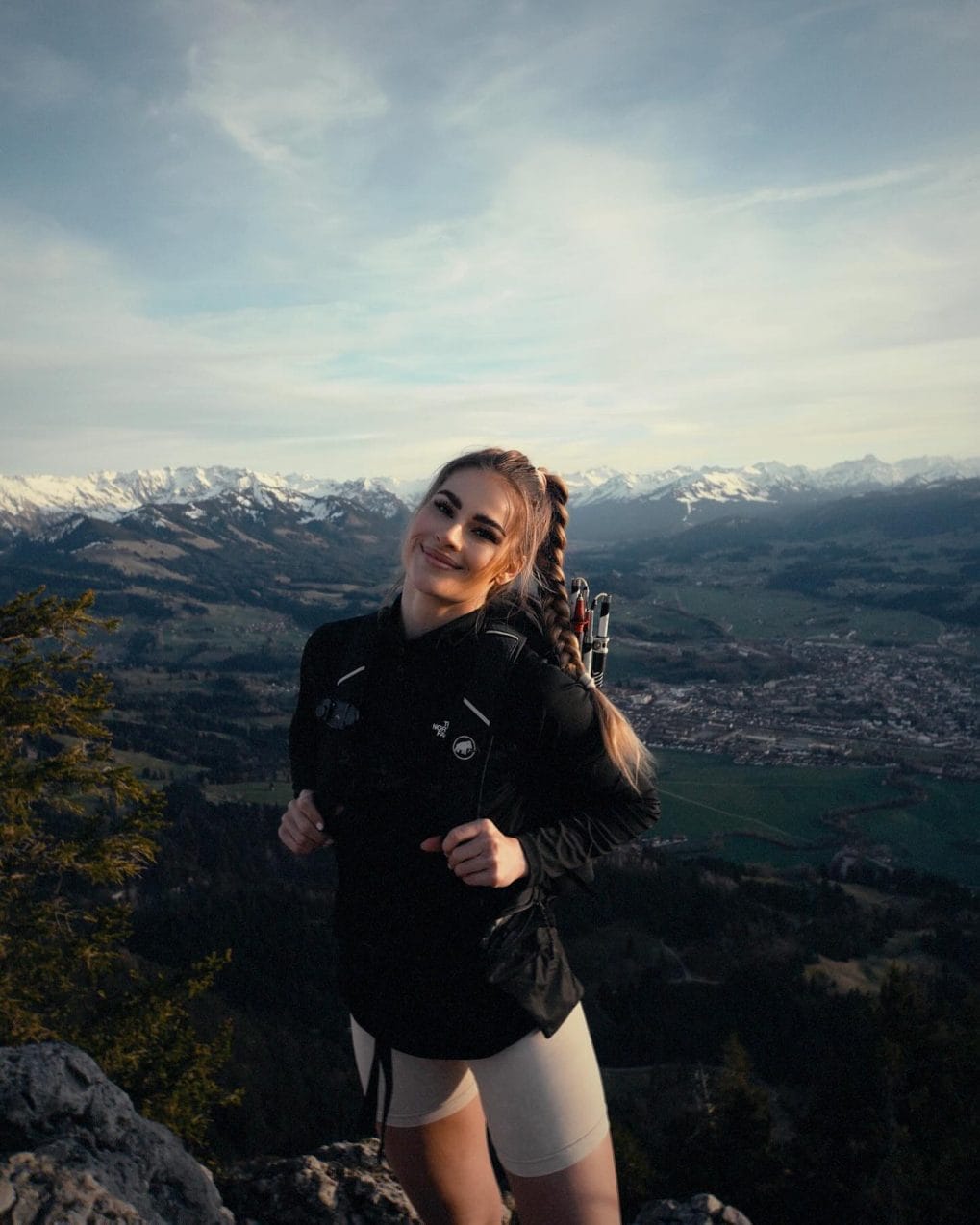
What keeps every strand off your neck when the trail gains elevation? A high ponytail braid that starts at the crown and holds tight all the way through. Thick, wavy hair at mid-back length has enough weight to stay put, and a side parting adds a little lift at the root. Ask your stylist for: high ponytail braid. Secure the base with a strong elastic, braid firmly, and the whole thing stays locked even under a hat. A few minutes of sectioning is all it takes.
Blonde strands catch the sunset light, but the real payoff is zero adjustments. No re-tying, no tucking, no stray pieces creeping forward. This is the style that lets you look up at the view instead of down at your hair.
Loose Double Braids With Curtain Bangs
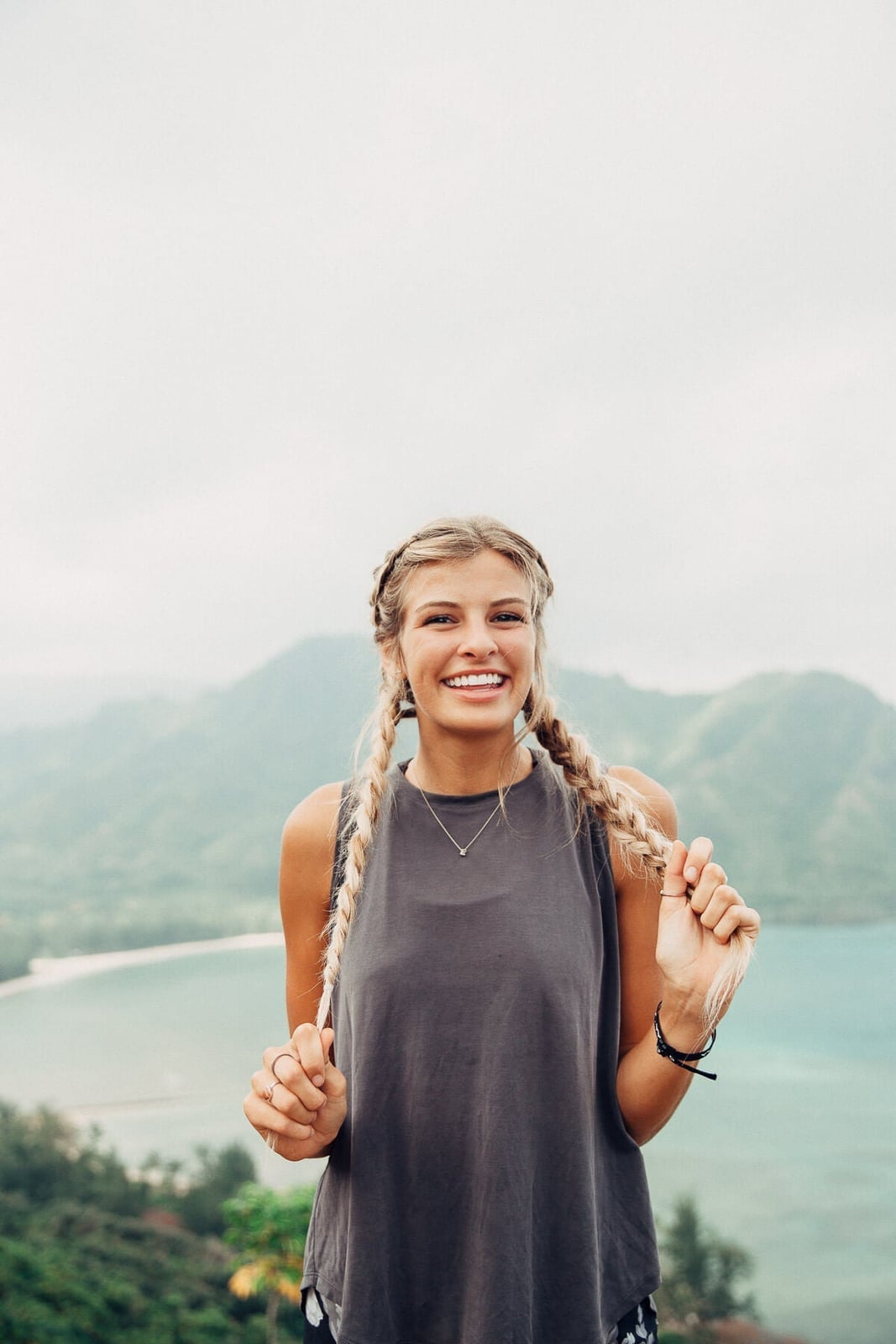
Double braids are practical, but the curtain bangs are what keep this from looking like summer camp. Thick, wavy blonde hair with subtle highlights gets two relaxed braids that fall mid-back, while the bangs stay loose to frame the face. A middle parting keeps everything symmetrical. Ask your stylist for: loose double braids with soft curtain bangs. The bangs behave better when hair is pulled back. They soften the line of the braids and hide a developing root situation.
Upkeep is straightforward: the braids last two to three days if slept on in a silk scarf, and the bangs need a quick refresh with a round brush. A trim every eight weeks keeps the ends clean.
Numerous Long Braids
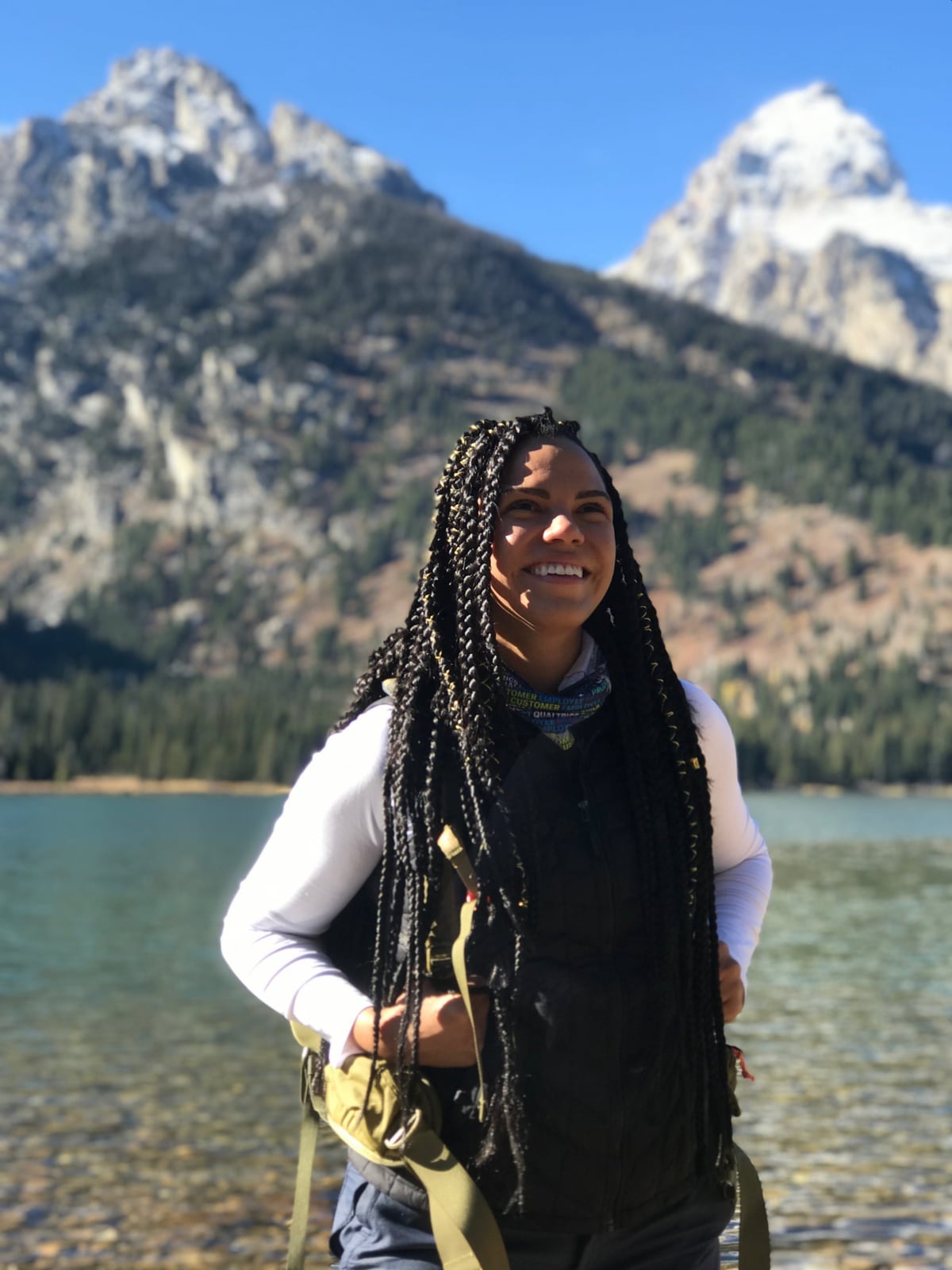
A single braid is a ten-minute job. Numerous long braids, like the ones that reach mid-back on thick, coily black hair with blonde highlights, are a salon commitment. The trade-off is a protective style that holds for weeks and requires almost no daily effort. Ask your colorist for: multiple long braids with blonde highlights. This is the opposite of a last-minute decision, expect a few hours in the chair.
Practical Double Braids
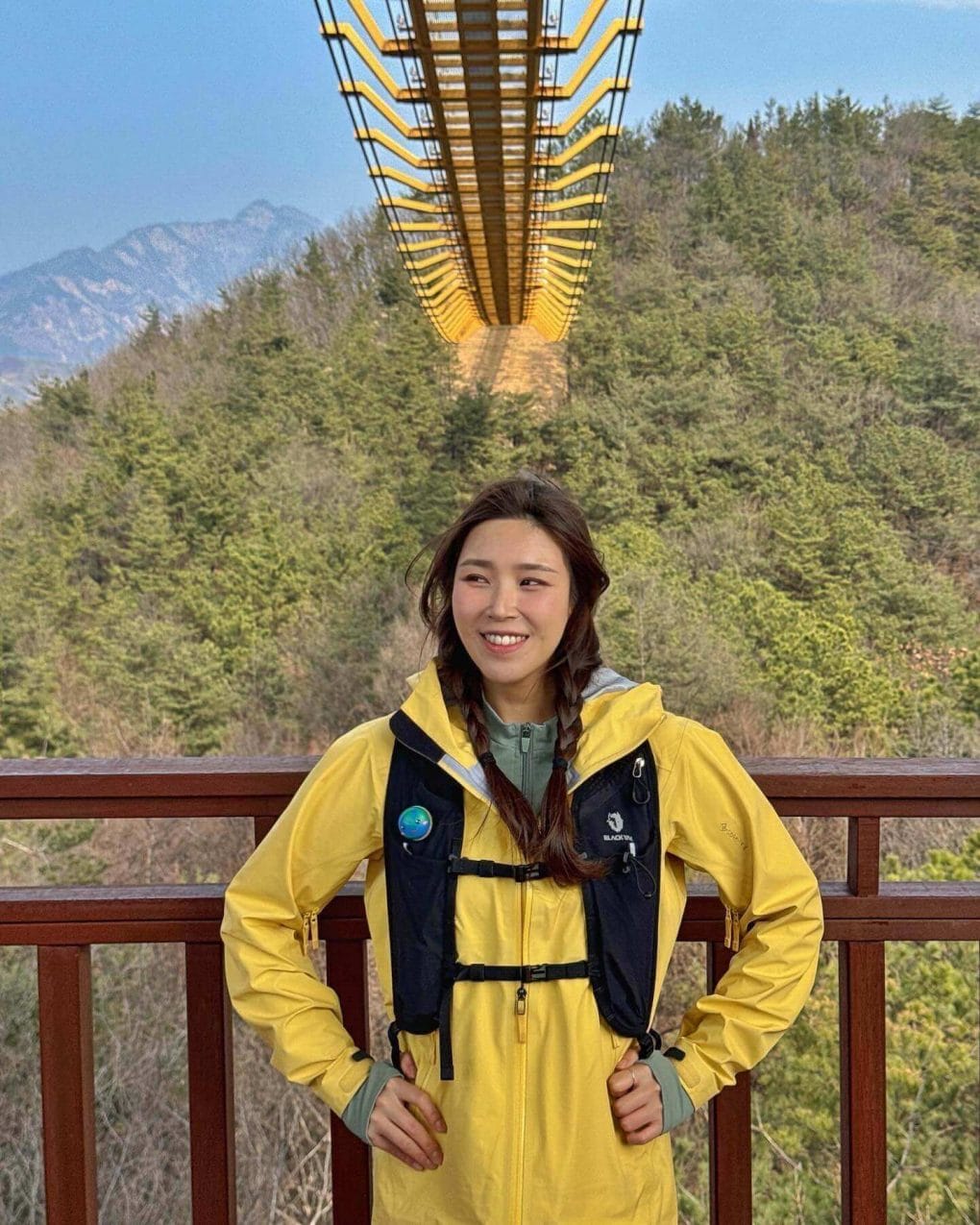
Straight, medium-textured dark brown hair braids cleanly with zero fuss, which is the whole point of a practical double braid. Two simple braids at mid-back length, parted down the middle, stay secure through a steep climb or a windy ridge. Ask your stylist for: simple double braids. The braids hold best when the hair is slightly damp, and a middle parting keeps the tension even. Straight hair does not slip out the way wavy or fine hair can, so this style actually lasts.
Ash Blonde Blowout With Face-Framing Layers
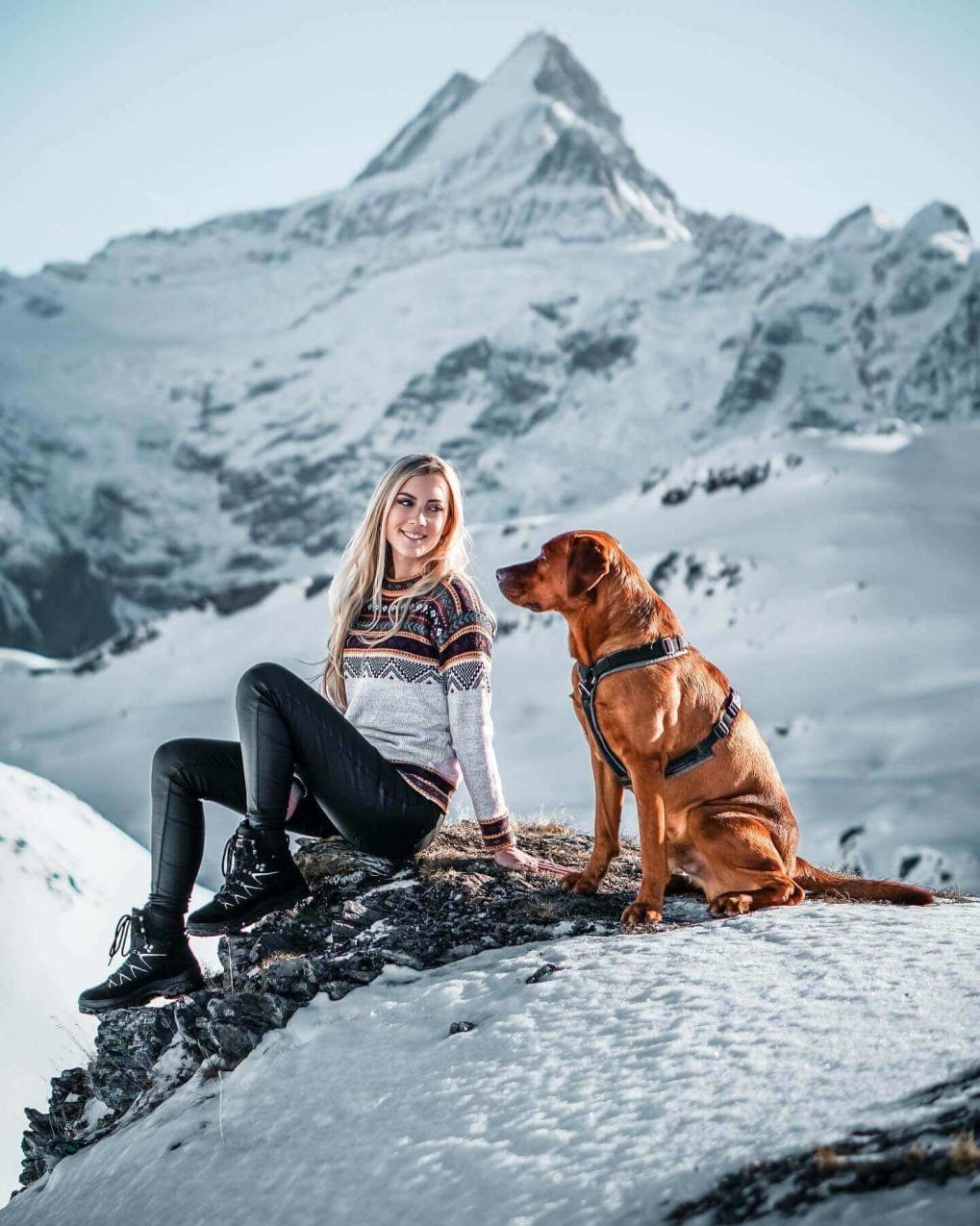
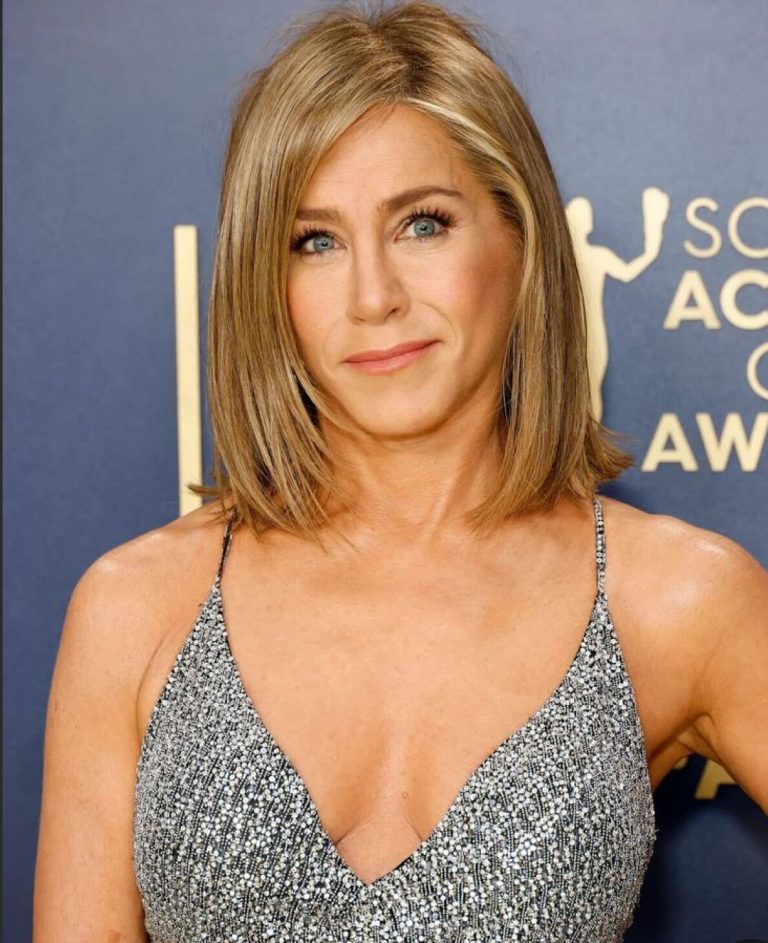
A collarbone-length blowout with soft waves and curtain bangs is not the first thing you pack for a hike. But an ash blonde shade with subtle lighter highlights looks polished when the rest of you is in trail gear. Ask your colorist for: collarbone length blowout with curtain bangs, ash blonde. The technique is a blow-dry with a round brush for volume at the root, then a one-inch wand for loose waves that do not need re-curling.
This works best for a casual outdoor lunch or a walk in the snow, where the cold air holds the waves in place. The downside is that a single drizzle undoes the blowout, so keep it for fair-weather days.
Natural Air-Dried Dark Brown Hair
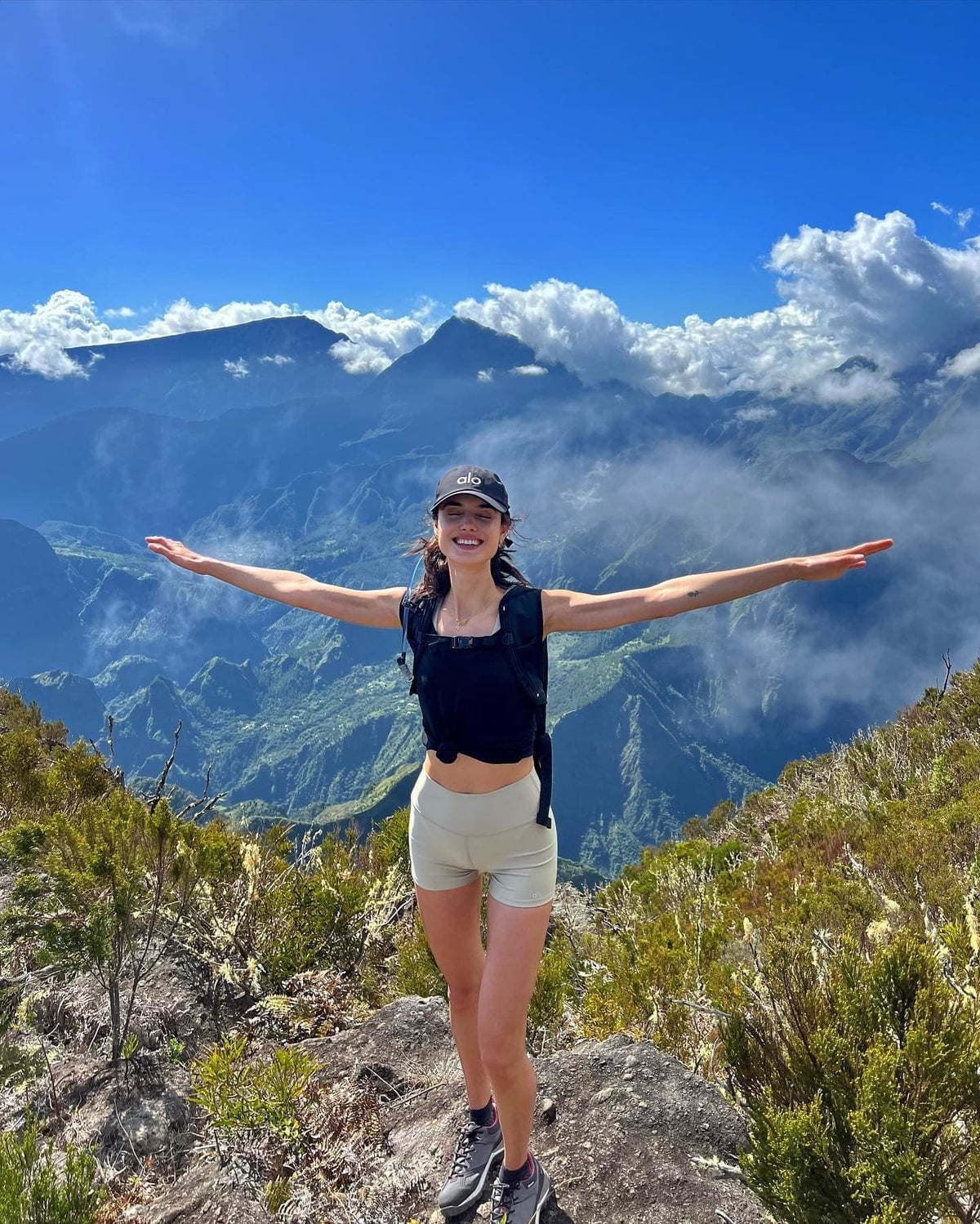
There is a fine line between intentionally undone and just undone, and air-dried hair lives right on it. This mid-back length style works because the hair is thick and wavy enough to hold its own shape without help from a round brush. The dark brown color looks rich and dimensional when the natural wave moves. The middle part keeps things symmetrical, which helps the texture look deliberate.
Ask your stylist for a natural air-dried style at mid-back length. Apply a leave-in conditioner on damp hair, then scrunch to encourage the wave pattern and let it dry completely before touching it. On humid days or with finer density, this look can appear frizzy instead of textured. A trim every eight weeks keeps the ends from looking straggly when worn loose.
Neat Dutch Braids
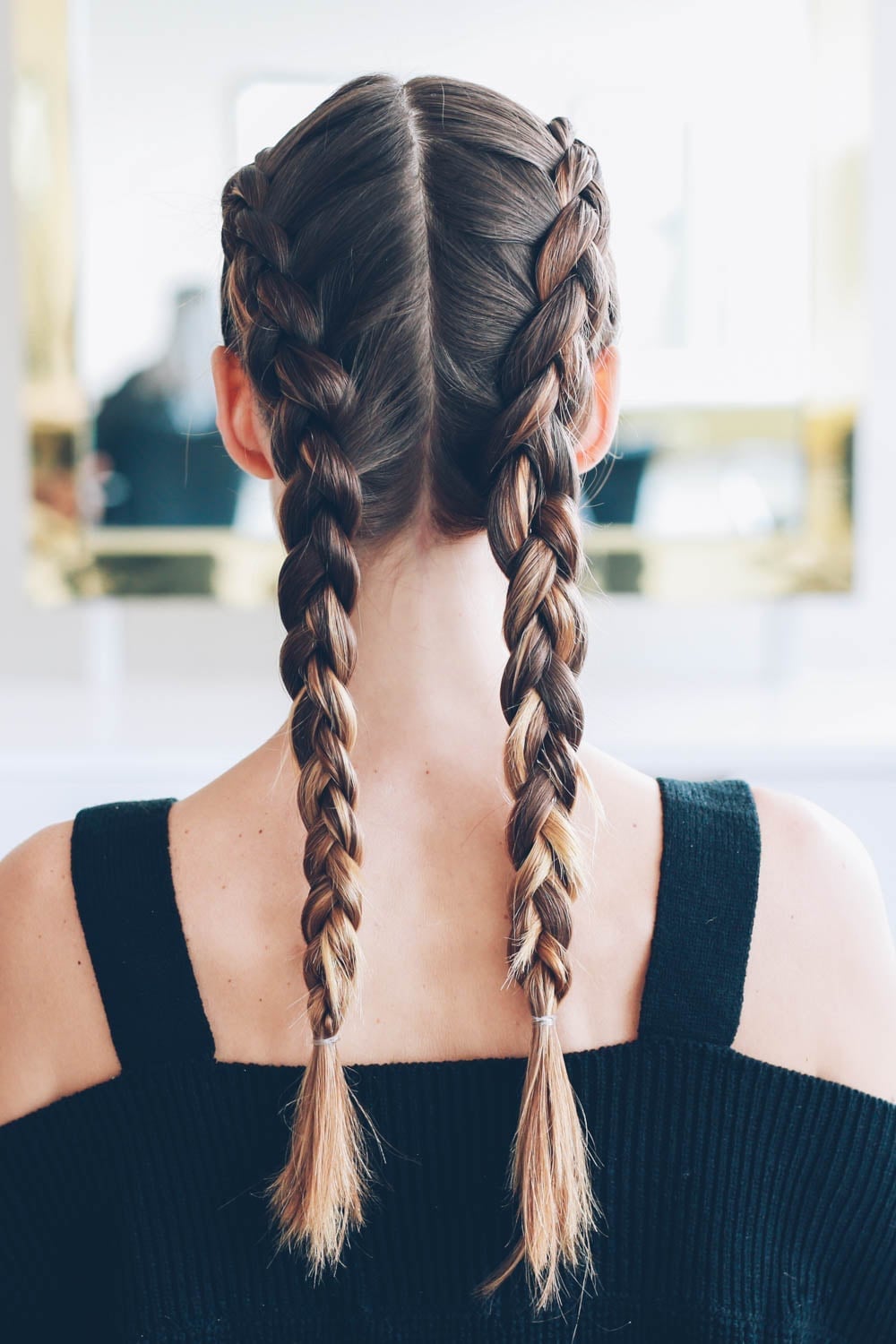
What is the difference between a braid that stays put and one that unravels by mile two? Tightness at the scalp. These two Dutch braids are woven close to the head, which means they grip the hair from the root and keep it secure through a full day of movement. The dark brown base with blonde highlights creates visible dimension in the braid pattern, so the texture shows clear contrast. The middle part keeps both sides even.
Ask your stylist for two neat Dutch braids. This is a salon-level finish because achieving consistent tension from crown to nape takes practice. The thick, wavy texture at mid-back length is ideal: it holds the braid shape without slipping. A smoothing cream applied before braiding controls flyaways. The style lasts until you take it out, no re-braiding required.
Air Dried Low Ponytail With Scrunchie
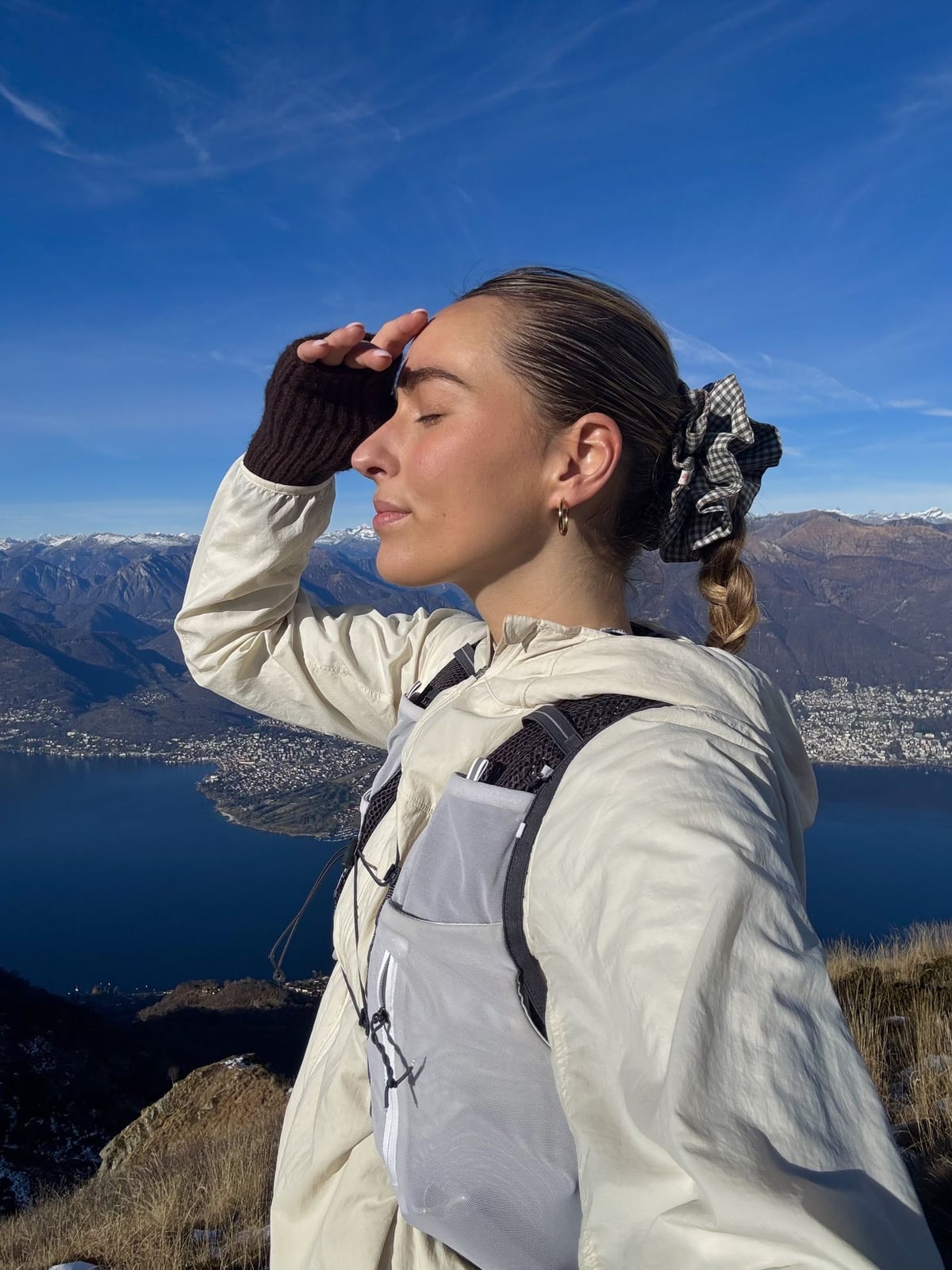
A low ponytail built on air-dried texture skips the heat damage and still looks put together. The collarbone length is key here: it is long enough to gather cleanly but short enough that the ponytail does not swing into your face on an incline. The side parting adds a little asymmetry to an otherwise straightforward style. The blonde balayage shows up well in the ponytail, giving the hair depth that a single-process color would not.
Ask your stylist for a low ponytail with a scrunchie. To recreate it, let your hair air dry with a texture spray at the roots for grip. Gather it low at the nape and secure with a fabric scrunchie, which prevents creases and adds a soft hold. Pull a few front pieces loose for a relaxed finish. This is a true DIY style: two minutes, no mirror required.
Single Long Braid
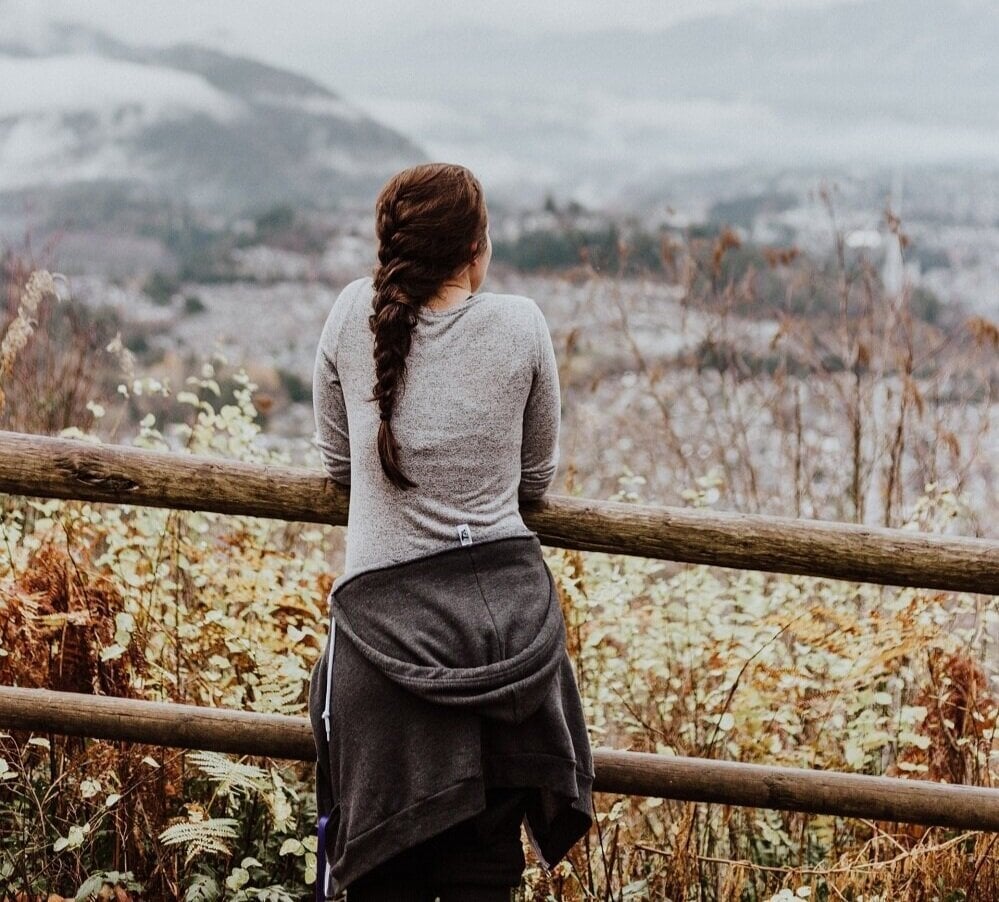
A single braid worn down the back is the hiking equivalent of a seatbelt: simple, effective, and you forget it is there until you need it. This one starts at the nape and runs straight down, built from straight, thick brown hair that braids cleanly without bumpy sections. The side parting adds a little interest at the crown, but the real work is in the tension. A braid that is too loose will shed strands within an hour of movement.
Ask your stylist for a single long braid. Braid tightly from the nape to the ends, securing with a small elastic that will not snag. Thick, straight hair at mid-back length is the ideal candidate: it stays smooth and does not require product to hold the shape. A trim every ten weeks prevents the ends from thinning out, which keeps the braid looking full. This style holds all day without adjustment.
Side Braid With Headband
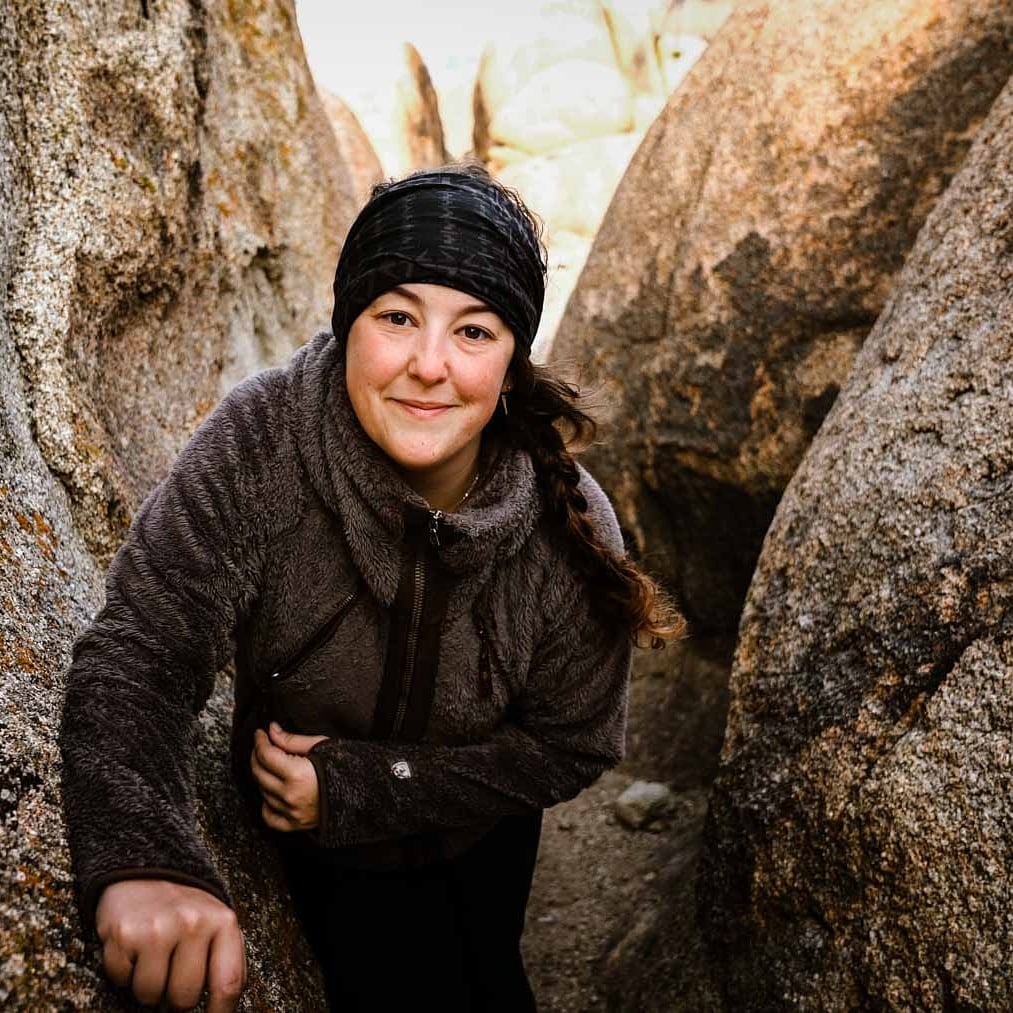
Who actually benefits from a side braid on the trail? Anyone with thick, wavy hair at mid-back length who wants the braid out of the way but still visible. The side placement means the braid does not rub against a backpack strap the way a center-back braid can. The middle part keeps the front balanced, while the braid itself catches the waves and holds them in place. The dark brown color stays low-maintenance: no roots to worry about.
Ask your stylist for a side braid with a headband. The headband is the real hero here: it catches any shorter layers around the face and keeps them from escaping. Braid loosely for comfort, since a tight side braid can pull on the scalp during a long hike. This style suits medium to thick textures best; fine hair may slip out of the braid before the trail ends.
Glossy Brown Blowout
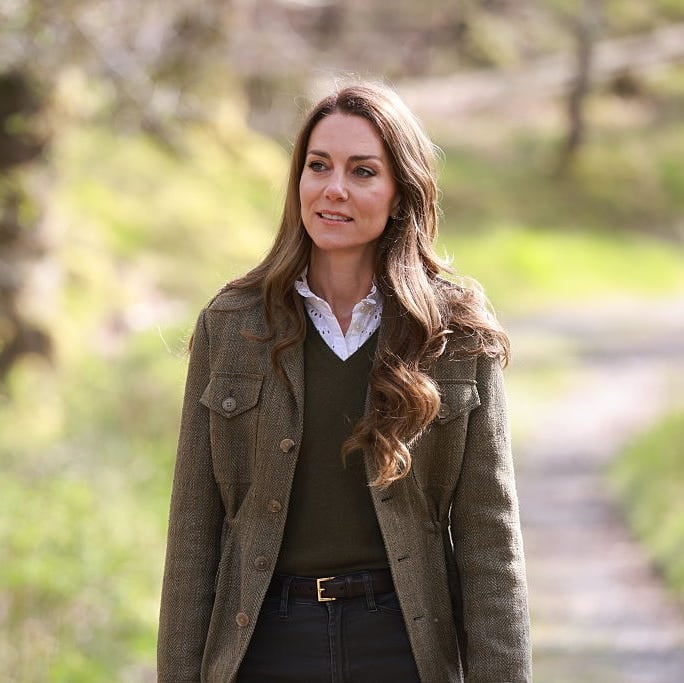
Thick, wavy hair of this length takes the shape well, and the blowout holds for a day of easy trail walking. Ask your stylist for: glossy mid-back blowout. Finish with a shine serum worked through the ends, then brush through once for that glassy surface. It is a salon-level finish, so save it for when you want to look pulled together at the trailhead, not after three miles of switchbacks.
Practical Shoulder Length Braid
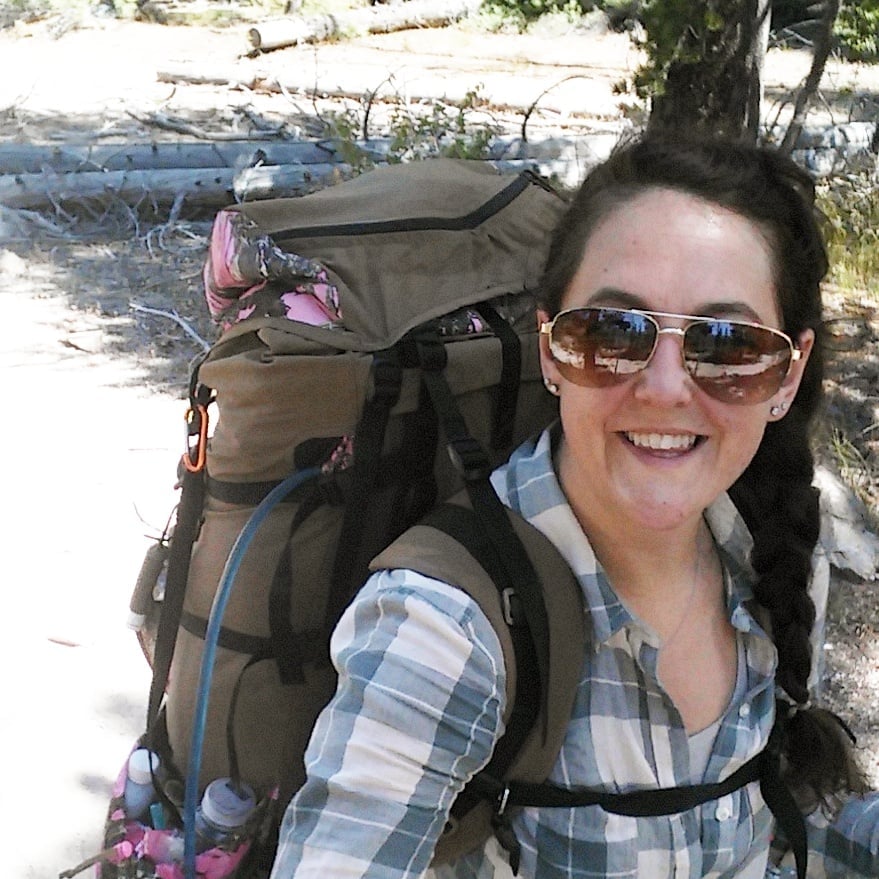
A side-parted braid at the shoulder keeps fine, wavy blonde hair out of your face, but fine strands tend to slip their moorings. The braid starts at the nape, leaving a few loose pieces around the face for softness, and those pieces will escape within a couple of hours. Ask your stylist for: shoulder length braid with face-framing pieces. A spritz of texture spray before braiding helps the weave grip, though you may still be re-pinning flyaways by lunch. It is a solid everyday style, just not one that survives a full summit push untouched.
Dark Blonde Blowout With Curtain Bangs
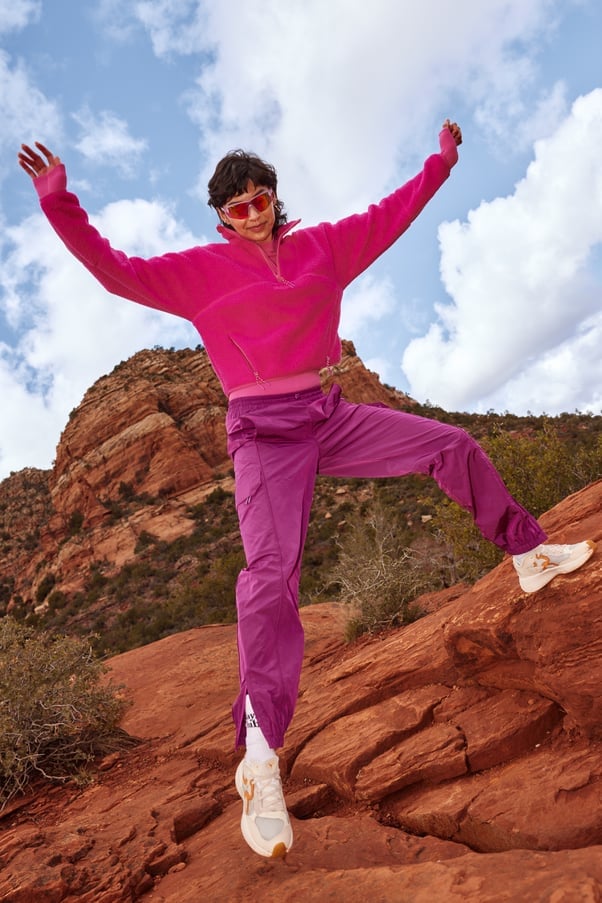
Set this collarbone-length blowout against a simple braid and the difference is effort: the layered cut with soft waves needs a round brush and a few minutes of heat, while the braid is grab-and-go. The dark blonde base with subtle lighter highlights gives the waves depth, and the curtain bangs soften the face without demanding constant styling. Ask your colorist for: collarbone length blowout with curtain bangs, dark blonde. Curtain bangs suit oval and heart face shapes, and they dry quickly on the trail. A salon blowout will hold through a short hike, but a DIY version with a diffuser gets you most of the way there for less time in the mirror.
Protective Shoulder Length Braids
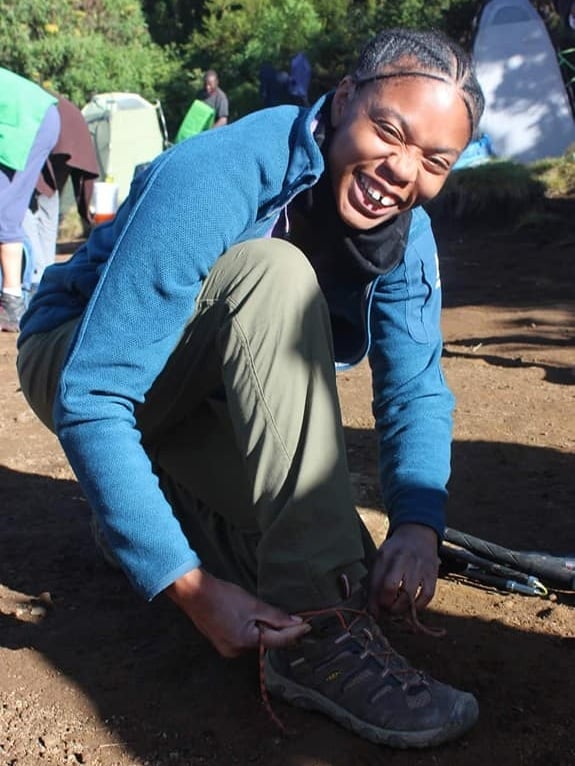
Multiple small braids on thick, coily black hair reach the shoulders and tuck some strands back from the face, which is the kind of design that shrugs off wind and sweat. The braids keep the ends sealed and the scalp breathing, so it is a protective style for active days. Ask your stylist for: multiple small braids, shoulder length. Keep the scalp moisturized with a light oil or spritz to stop dryness from creeping in under the braids. They hold for days, not hours, and need only a quick re-tie at the nape after a long hike, which is more than most styles can claim.
Natural Shoulder Length Waves
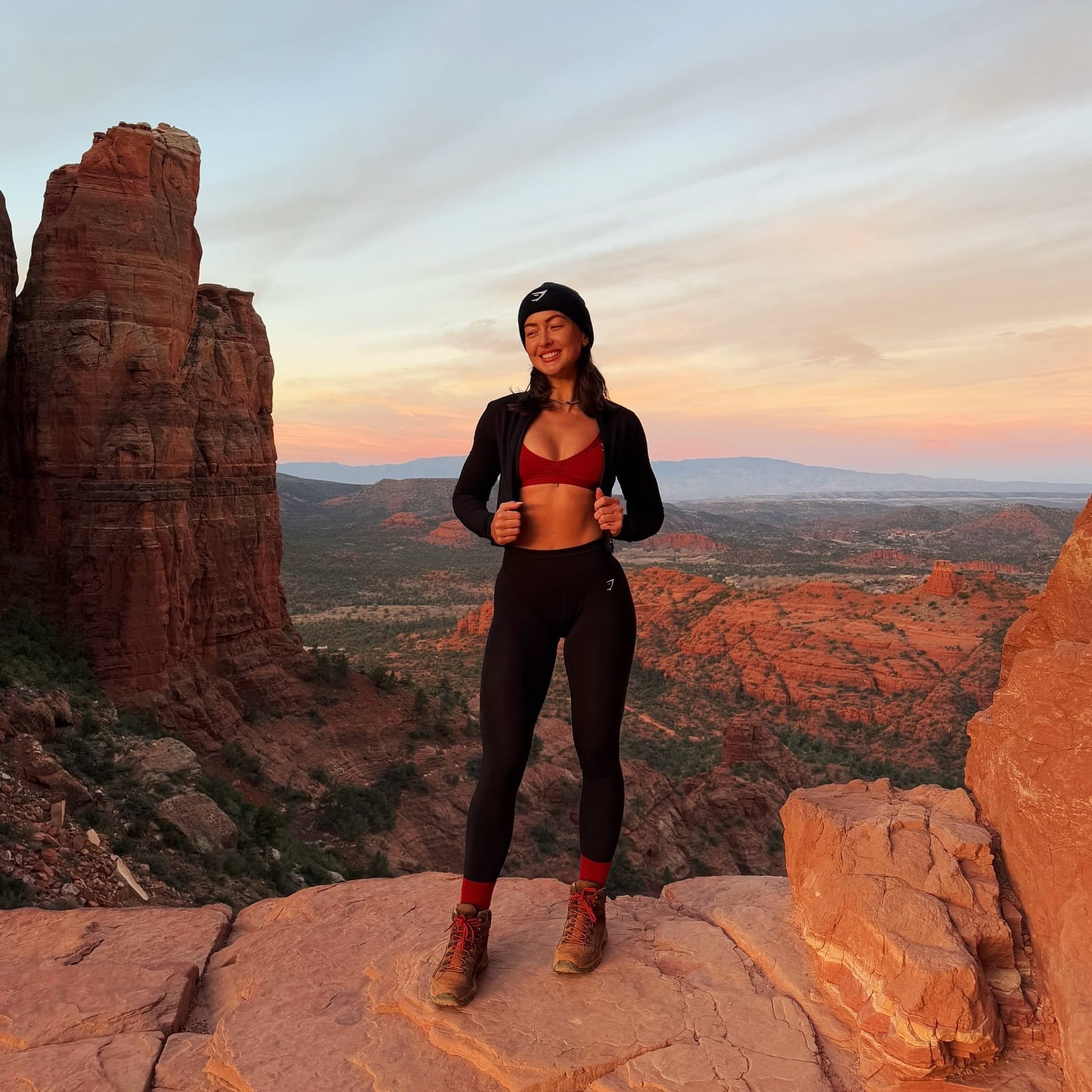
Air drying is the whole method here: wash, part down the middle, and let the waves set on their own. Ask your stylist for: natural air-dried shoulder length waves. A sea salt spray on damp hair, then a gentle scrunch, beefs up the wave and gives it a bit of hold against humidity. This low-maintenance look survives a trailhead start and still looks intentional by the time you hit the ridge, provided you resist the urge to touch it.
Final Thoughts
For active days, prioritize styles that pull hair away from the face and secure it firmly. Braids and high ponytails are ideal for preventing tangles and wind disruption, while air-dried options keep things simple when you want less effort.
- Braids: Undo braids gently to prevent snagging, especially on fine or dry hair. Apply a leave-in conditioner before braiding for added protection.
- Ponytails: Use fabric scrunchies or soft ties to avoid breakage at the hairline. Loosen the elastic slightly after activity.
- Air-dried styles: Refresh texture with a dry texturizing spray. Avoid excessive brushing to maintain natural waves.
- General upkeep: Trim split ends every 8-10 weeks to maintain hair health, especially with outdoor exposure.
Style that works as hard as you do on the trail.