 Save
You are in the chair, the consultation over, and the question is how to get out of the grow-out cycle without a full head of foil. A few lighter pieces around the face buy you months before the next appointment, which is the whole point of a partial now.
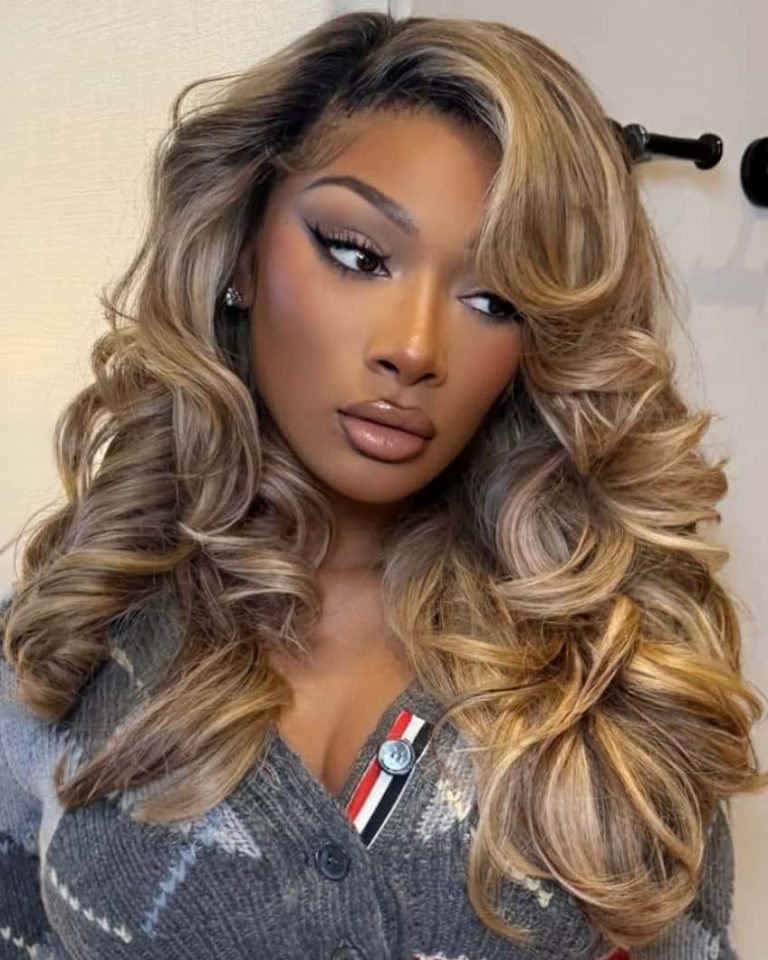
30 looks that actually work, from a five-minute wave to a neat blowout, across ash, caramel, copper and blonde. This is for anyone with a medium to thick texture who wants contrast without the commitment of a full highlight. The struggle is finding the right balance between bright and natural, which is why Aesthetic Partial Highlights 2027 fill so many saved boards.
31 ideas in this post
- Ash blonde base with platinum highlights and curtain bangs
- Dark brown pixie with bold blonde highlights and side-swept fringe
- Lighter effect with partial blonde highlights on layered dark brown
- A softer balayage transition from dark brown to lighter blonde ends
- Blue peekaboo strands on a dark brown base
- Curtain bangs frame a dark blonde lob
- Dark brown base with ash blonde face-framing highlights
- Blonde face-framing strands add dimension
- Dark brown base with face-framing blonde partial, low-key version
- Dark blonde base with face-framing blonde, office-safe version
- Striking contrast with face-framing blonde highlights, close-up take
- Dark brown layered cut with face-framing blonde highlights, wavy
- Dark blonde layers with face-framing blonde highlights
- Dark blonde base with ash blonde partial highlights
- Contrasting ash blonde strands create striking effect
- Voluminous dark blonde with contrasting blonde highlights
- Pink strands accent dark brown ends
- Copper base with subtle blonde highlights and curtain bangs
- Dark brown base with ash blonde highlights and soft blowout, wavy
- Subtle ash blonde strands add depth
- Wavy layered cut with ash blonde partial highlights
- Dark brown base with ash blonde highlights styled in waves, middle
- Dark brown base with contrasting ash blonde, everyday version
- Low maintenance dark brown with blended blonde highlights
- Natural lighter effect with partial blonde highlights
- Lighter blonde highlights adding brightness
- Caramel strands create lighter effect
- Dark brown base with caramel-toned partial highlights
- Red strands create rich dimension
- Lighter blonde highlights with balayage on dark, close-up take
- Final Thoughts
Ash blonde base with platinum highlights and curtain bangs
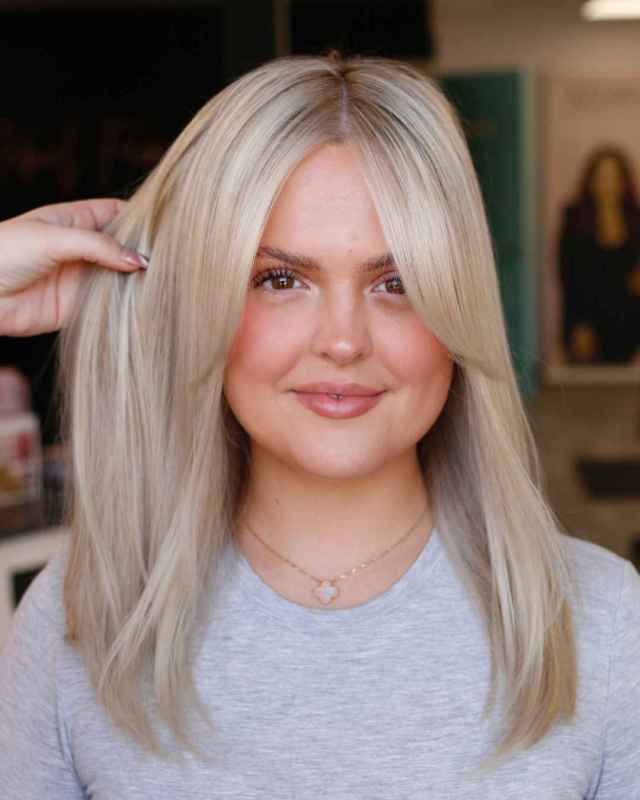
Curtain bangs that start at the brow bone and feather outward set this look apart before color even enters the conversation. The ash blonde base sits cool and neutral, while platinum highlights land closer to white than yellow, a combination that looks deliberate rather than sun-bleached. Fine, straight texture lets the blowout hold its shape without product weight. The middle part keeps the bangs symmetrical. You need a layered cut underneath so the shorter front pieces blend into the longer ones behind them. A round brush and ten minutes of blow-drying keep the curtain shape intact. Ask your colorist for: ash blonde base, platinum face-framing strands.
Dark brown pixie with bold blonde highlights and side-swept fringe
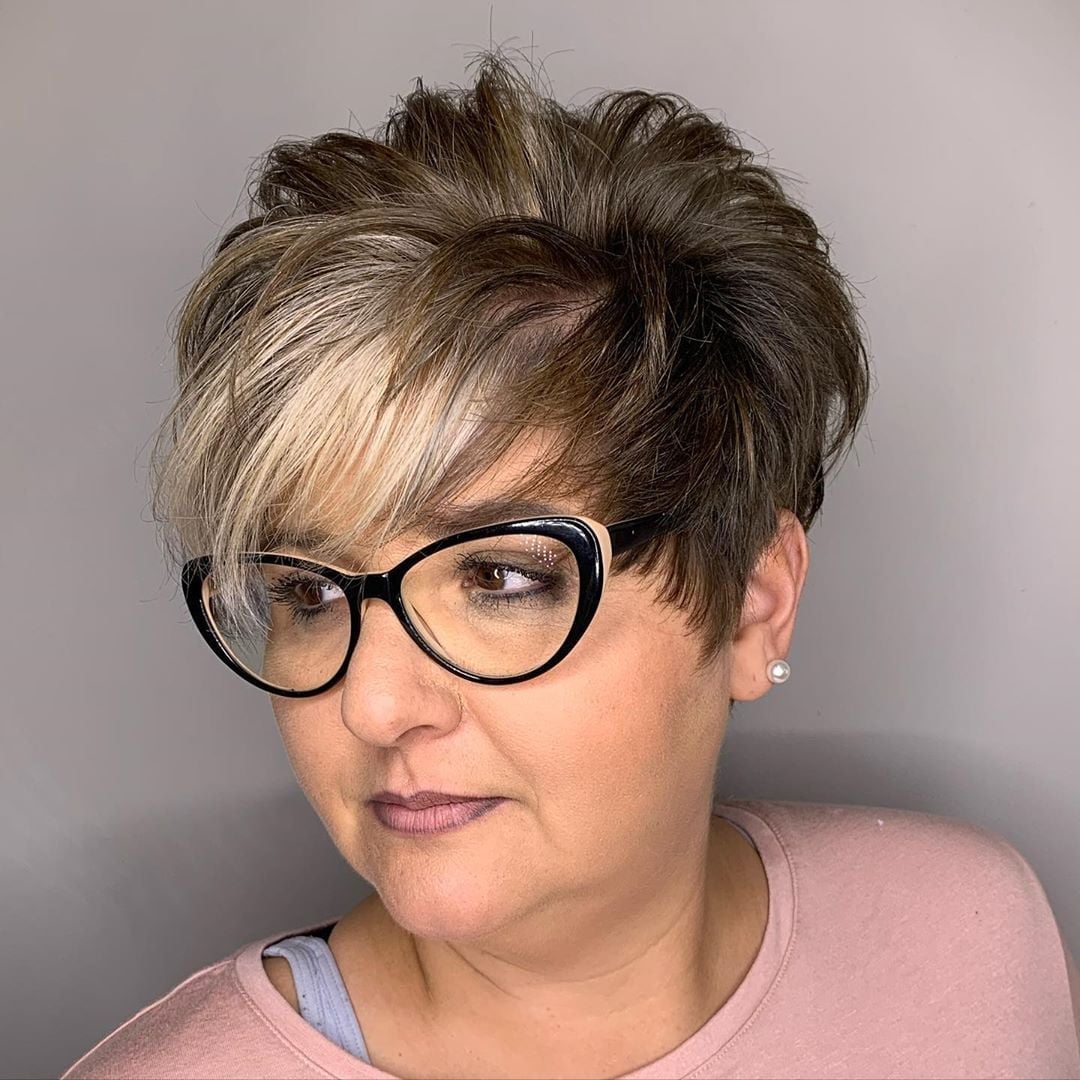
How do you get a pixie that looks intentional rather than grown-out? The answer is placement. A dark brown base keeps the root line low-contrast, while bold blonde highlights land mostly at the crown and along the side-swept fringe, the areas that catch light when you turn your head. The fine texture here works in your favor: shorter lengths mean less weight pulling the shape flat. A side part directs the fringe across the forehead instead of straight down. The cut needs precision around the ears and nape, so this is not a between-salon-trims style. You want the blonde concentrated where the eye lands first.
Lighter effect with partial blonde highlights on layered dark brown
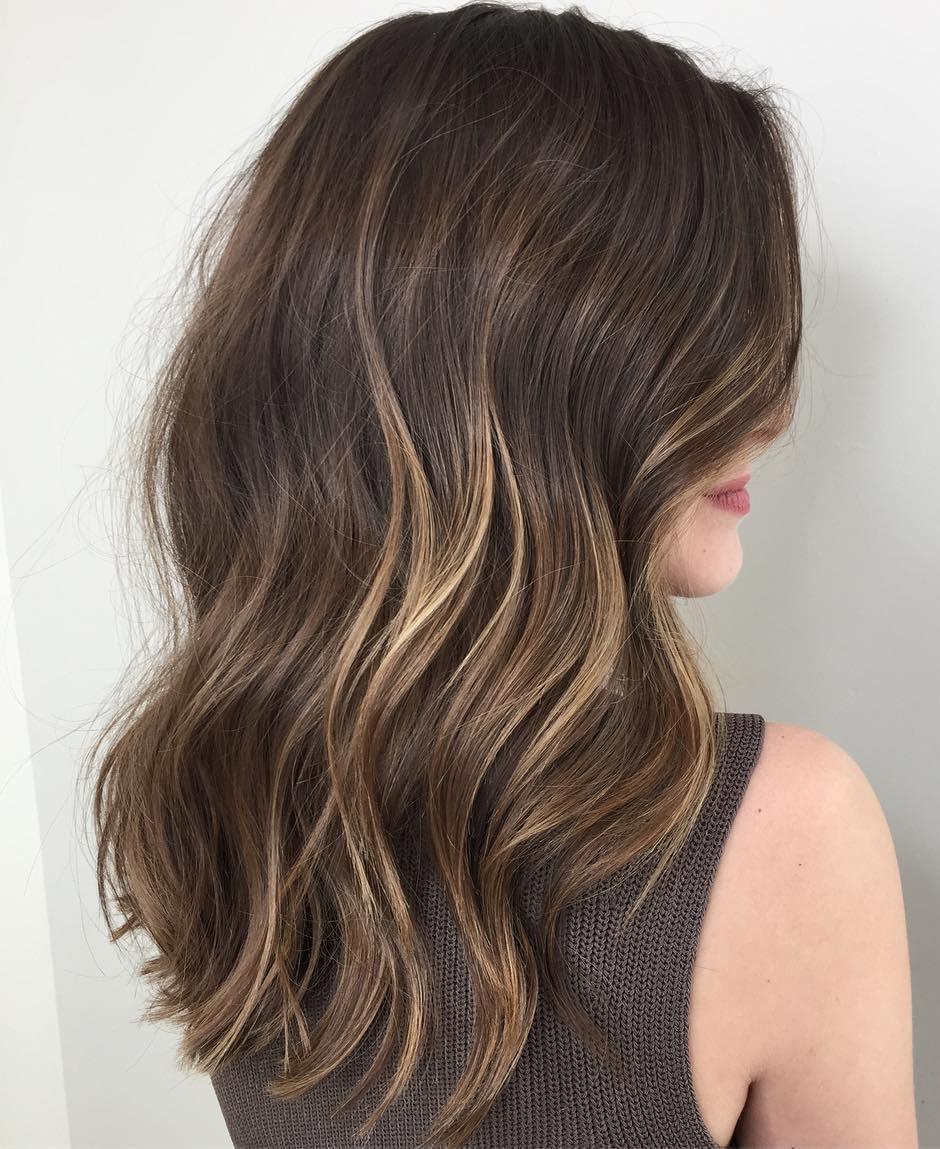
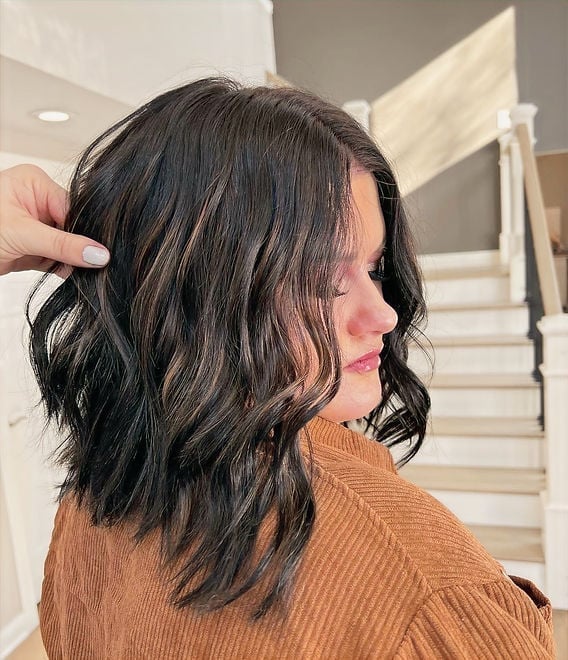
A partial head of highlights gives the impression of time spent in the sun. The dark brown base stays mostly intact, with subtle blonde highlights concentrated around the face and through the mid-lengths of a layered cut. The side parting angles the lighter pieces forward instead of scattering them evenly. No bangs means the face-framing strands do the work alone.
Fine, wavy texture benefits from the partial approach. Fewer highlights mean less contrast when the waves shift direction. Trim the layers every eight weeks to keep the ends from looking straggly.
A softer balayage transition from dark brown to lighter blonde ends
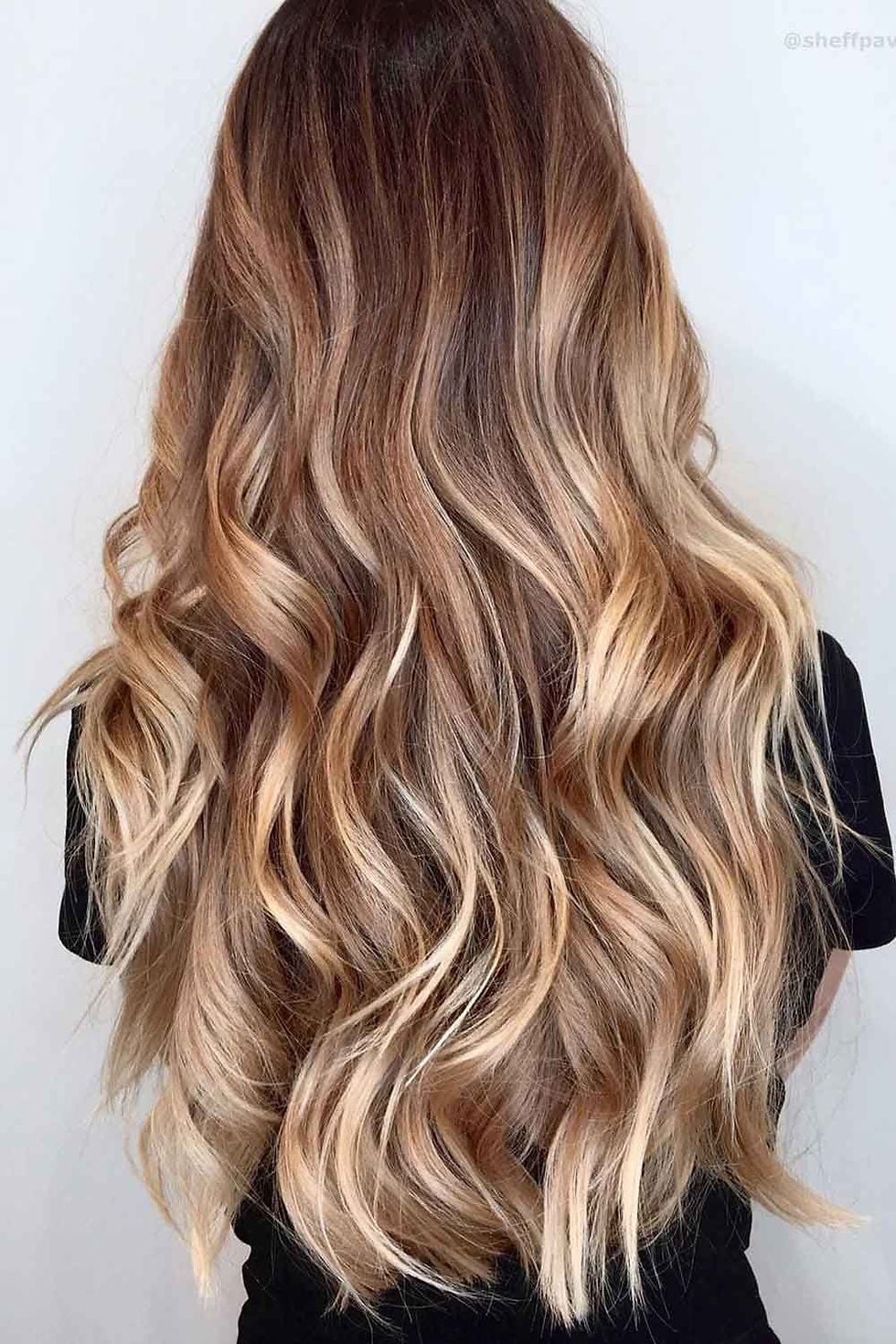
Balayage creates a gradient rather than a stripe. The dark brown base here starts at the root and softens through the mid-lengths until it reaches lighter blonde at the ends. No hard line, no regrowth band. The back view tells the real story: the lightest pieces cluster toward the perimeter, so the color looks dimensional from every angle. Thick, wavy texture helps the transition blend because the wave pattern scatters the tone naturally.
Two things make this technique work. First, the stylist paints each section by hand rather than using foils through the midsection. Second, they leave more base color at the crown so the lighter ends do not overpower the shape. Tell your colorist: hand-painted balayage, dark brown root, blonde ends only. The chair time runs longer than standard foils, budget for it.
Blue peekaboo strands on a dark brown base
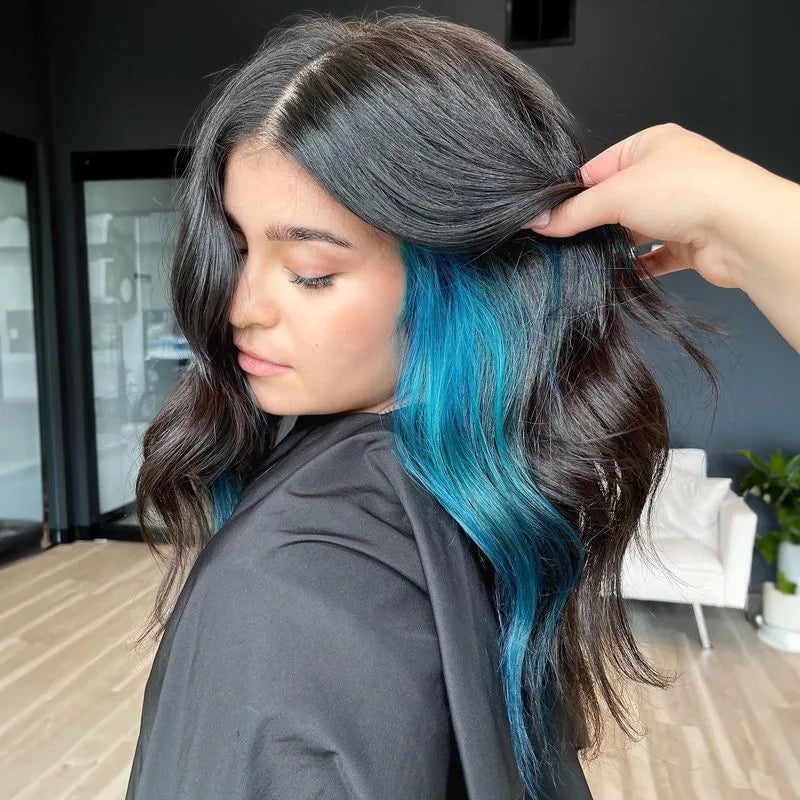
Vibrant blue strands hidden beneath a dark brown top layer. You see them when the hair moves or when it is styled with a middle part that lets the underlayer peek through. The contrast works because the blue is saturated, not pastel: it needs the dark base underneath to keep from looking faded. Thick, wavy texture gives the blue pieces enough body to stay visible instead of disappearing into the waves. Layers cut into the lower half prevent the color from sitting in a solid block. It works best for those without a workplace dress code that bans visible color. The middle part is essential for the peekaboo effect. The blue demands a color-safe shampoo and cool water to stay bright past week three.
Curtain bangs frame a dark blonde lob
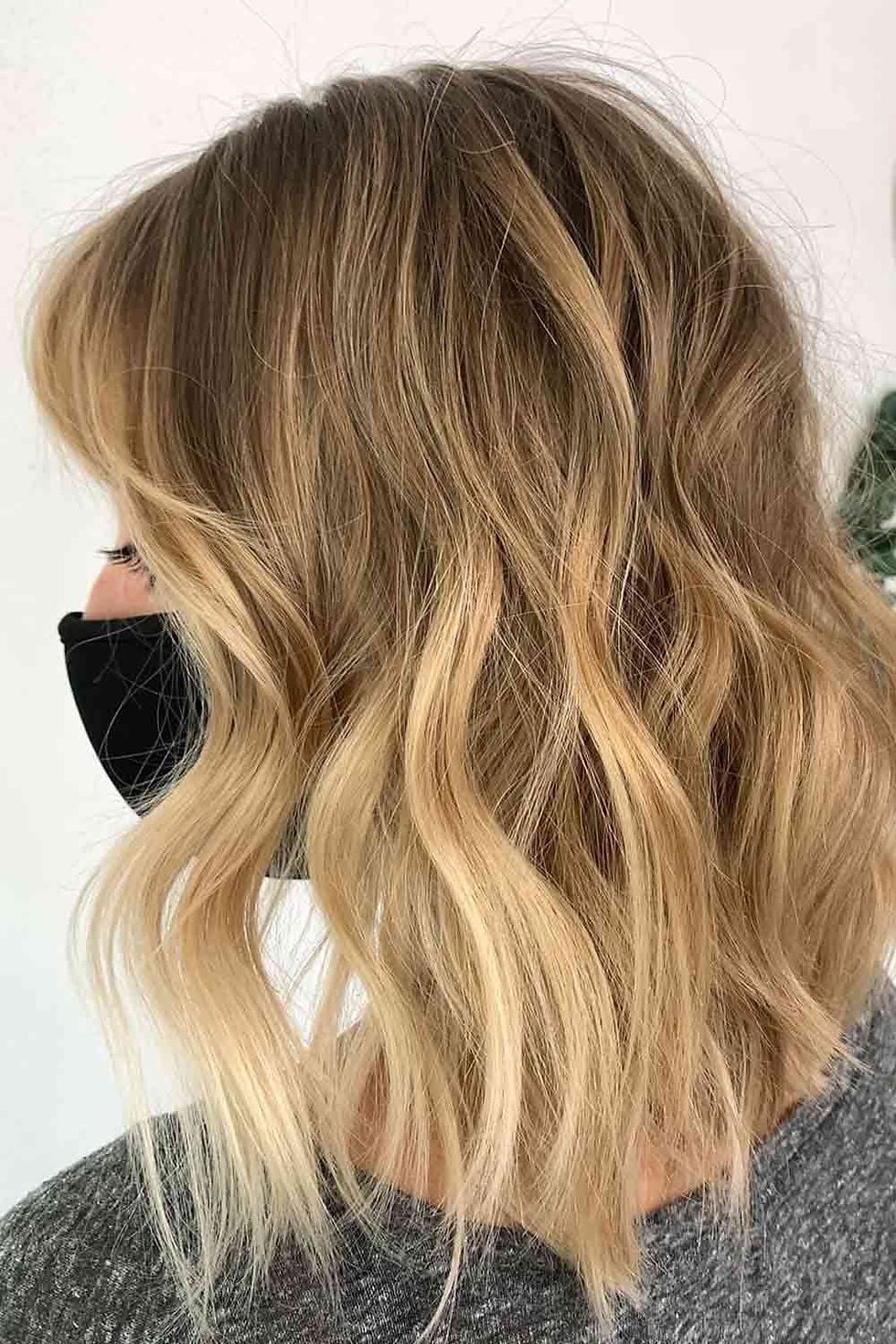
Fine, wavy hair with a lob and curtain bangs gets the most out of a middle part. The dark blonde base carries subtle blonde highlights that wrap around the face from a side view, not a solid strip. A blow-dry forward sets the bangs; the rest dries into loose waves. The catch: a lob this length needs a trim every six to eight weeks, and curtain bangs land on your forehead every single morning.
Oval and heart faces read the proportion best. A longer cut or no bangs at all changes the look. Tell your colorist: lob, dark blonde base, subtle blonde balayage highlights, curtain bangs.
Dark brown base with ash blonde face-framing highlights
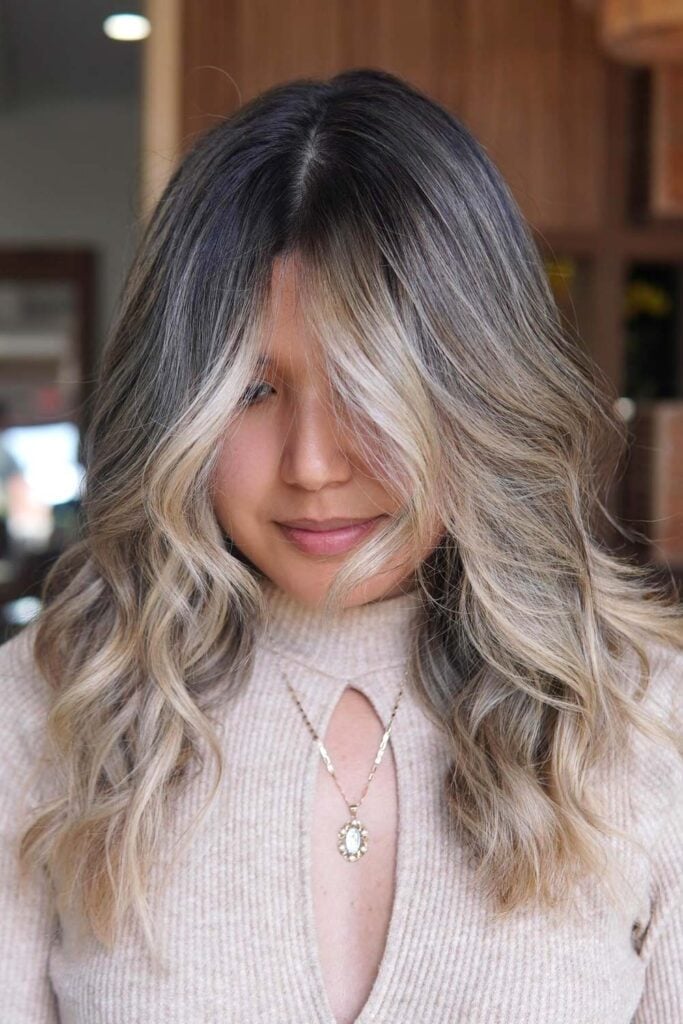
A dark brown base with ash blonde face-framing highlights is a fair trade: the contrast reads clearly, but the blend demands a colorist who can place pieces without stripes. The layered cut and middle part let the lighter strands sit at the front, softening the edges of round and square faces. Fine, wavy texture carries the tone without looking heavy.
This is a salon-only job. A home kit will pull brassy or patchy, and a side parting breaks the intended balance. Highlights throughout the hair instead of concentrated face-framing is a different look.
Blonde face-framing strands add dimension
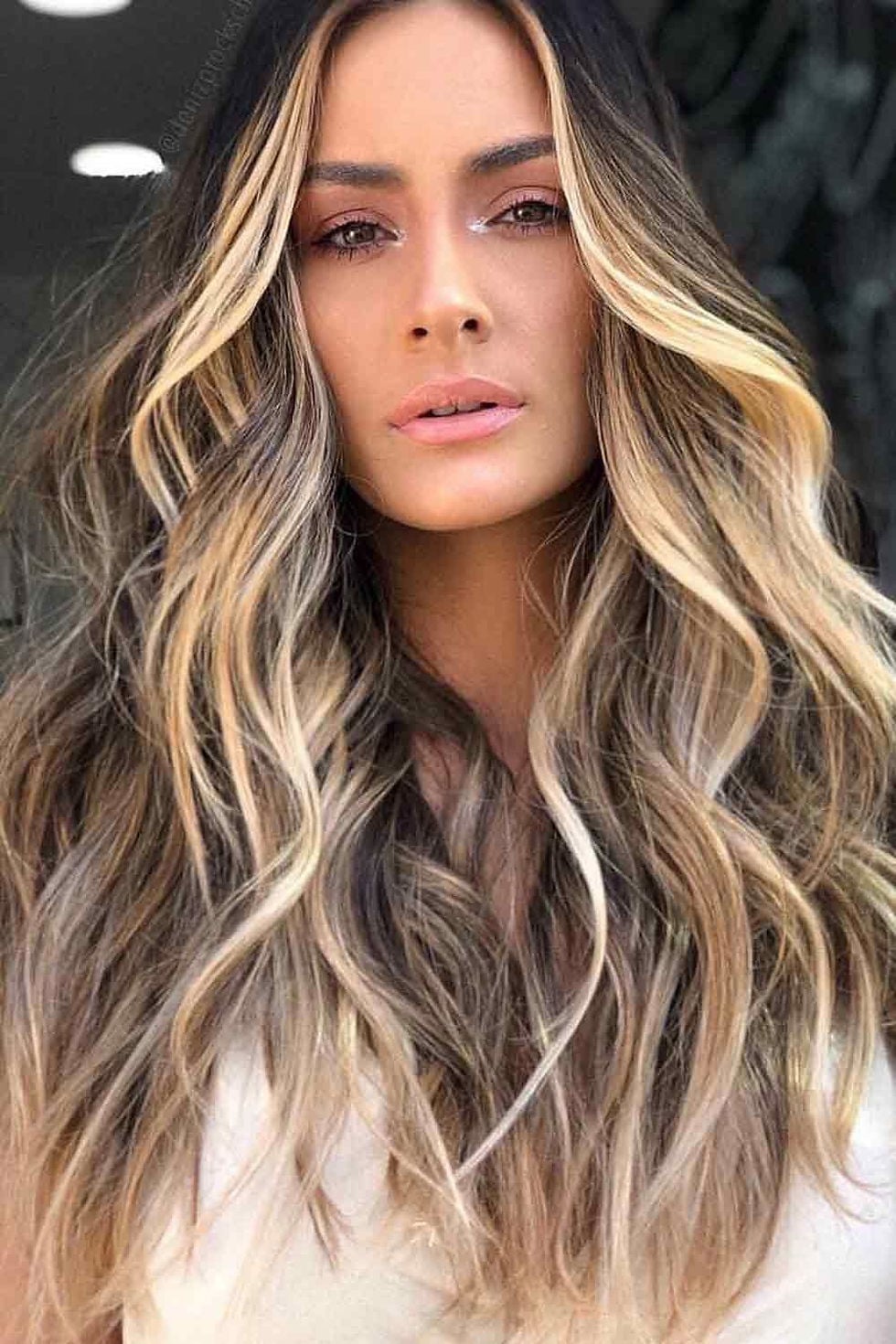
Blonde face-framing strands on a dark brown base work because the contrast is deliberate. The layers and middle parting let the lighter pieces frame the face, while the deeper brown remains. Loose waves show the difference between base and highlight without needing full saturation. The blend stays soft thanks to the fine wavy texture. Oval and heart faces read the framing clearly. Choose this if you want highlights that focus on the front rather than throughout the hair. For the appointment: dark brown base, face-framing blonde highlights, blended technique.
Dark brown base with face-framing blonde partial, low-key version
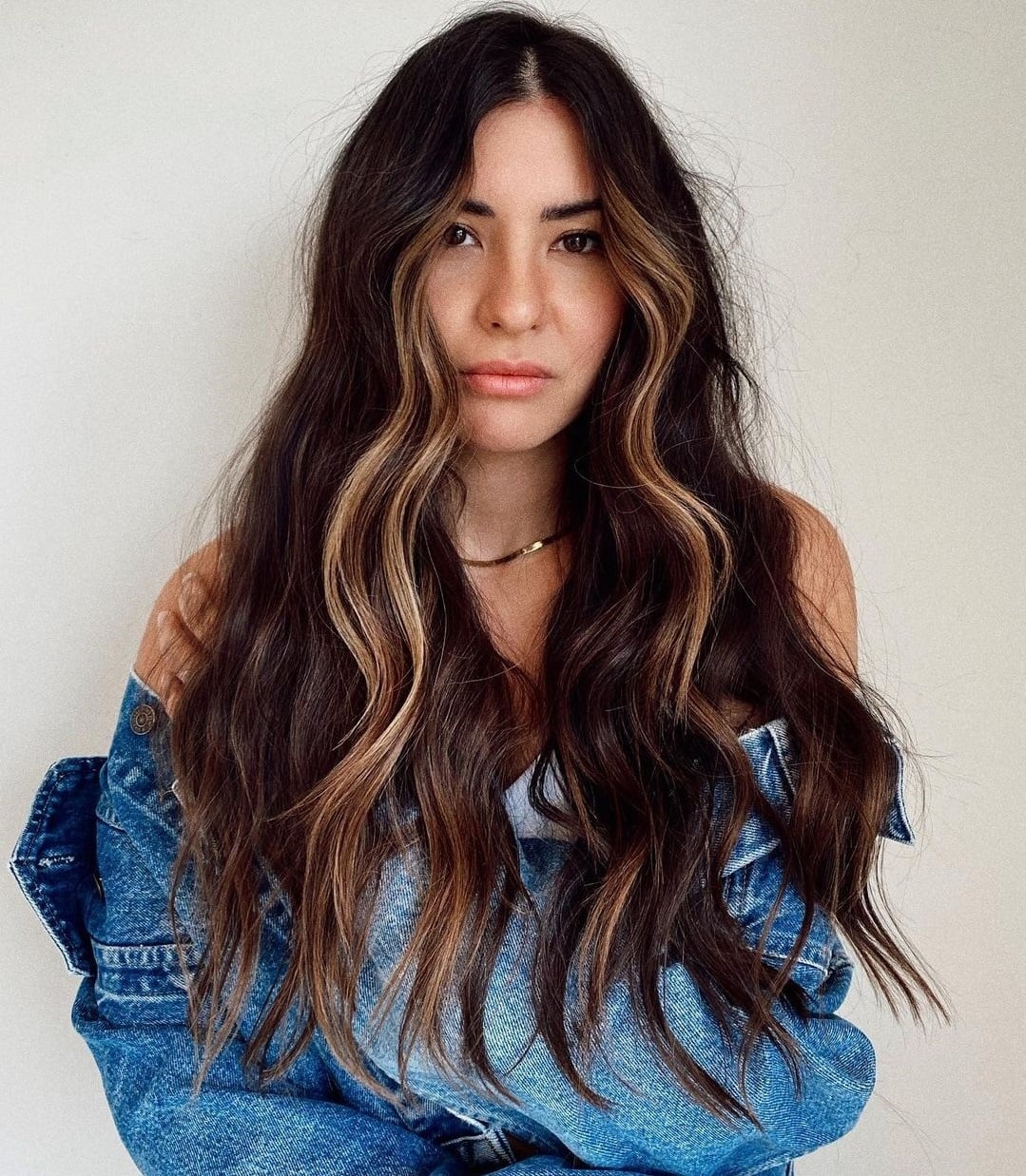
Compared to a full head of highlights, this version keeps the dark brown base dominant everywhere except the front. The blonde highlights wrap around the face from a middle parting, so the brightness lands exactly where it catches the eye first. Thick, wavy hair carries this well because the texture disperses the lighter strands naturally, no stripe risk. A wavy blowout adds volume without flattening the contrast.
Highlights are concentrated at the front with a middle parting, so the placement is built for front visibility. The grown-out root line matters less here because the base color stays dark and the highlights sit close to the root. Use a diffuser to set the wave pattern without disturbing the face-framing strands. For your colorist: dark brown base, face-framing blonde highlights, subtle blending.
Dark blonde base with face-framing blonde, office-safe version
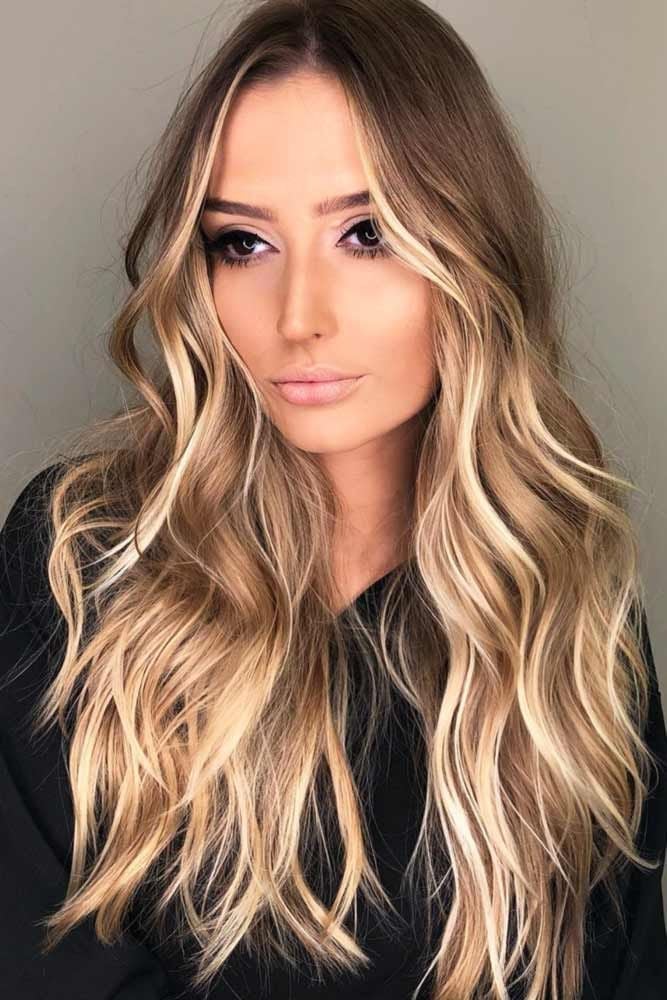
Wondering how to brighten without looking like you spent the weekend at the salon? A dark blonde base with face-framing blonde highlights does exactly that. The layers and middle parting let the lighter pieces frame the face, while the rest of the hair stays a neutral dark blonde. The blend carries well on fine wavy texture. Oval and heart faces read the framing as natural, not forced.
For the appointment: dark blonde base, face-framing blonde highlights, subtle blending.
Striking contrast with face-framing blonde highlights, close-up take
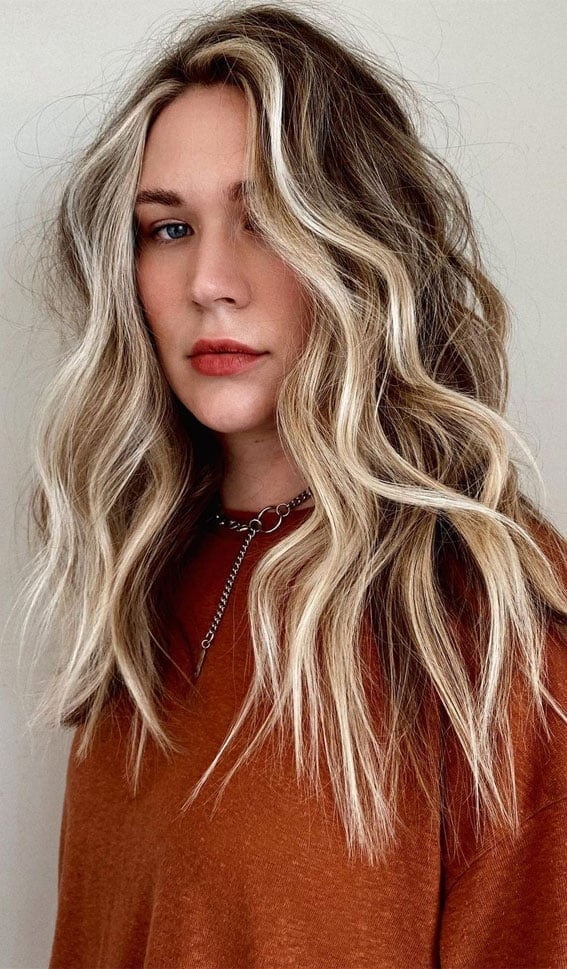
Two tones on one head: dark brown base and distinct blonde highlights that wrap around the front. The side parting lets those face-framing strands land where they catch the eye first. The contrast stays light because the hair moves, so the color moves with it. The catch: this precision requires a skilled hand. A foil service for the front sections only, with the rest left dark, creates that deliberate asymmetry. Use a texturizing spray on the waves, then leave it alone.
Dark brown layered cut with face-framing blonde highlights, wavy
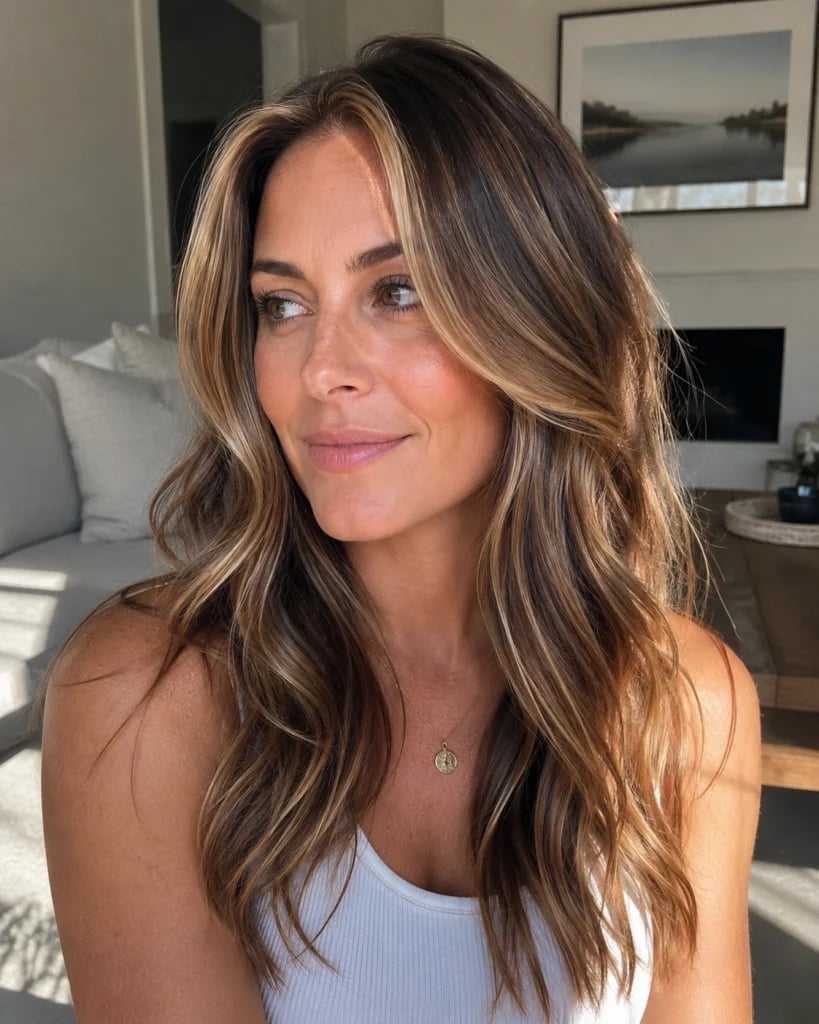
Layers cut through the dark brown base so the blonde highlights land at different heights. The side parting pushes more of those lighter pieces forward, making the face-framing effect the whole point. Loose waves give the fine texture enough body to show every layer. Prominent blonde against dark brown looks intentional, not accidental. Tell your stylist: layered cut, dark brown base, prominent blonde face-framing highlights. A round brush and a blow-dryer handle the rest.
Dark blonde layers with face-framing blonde highlights
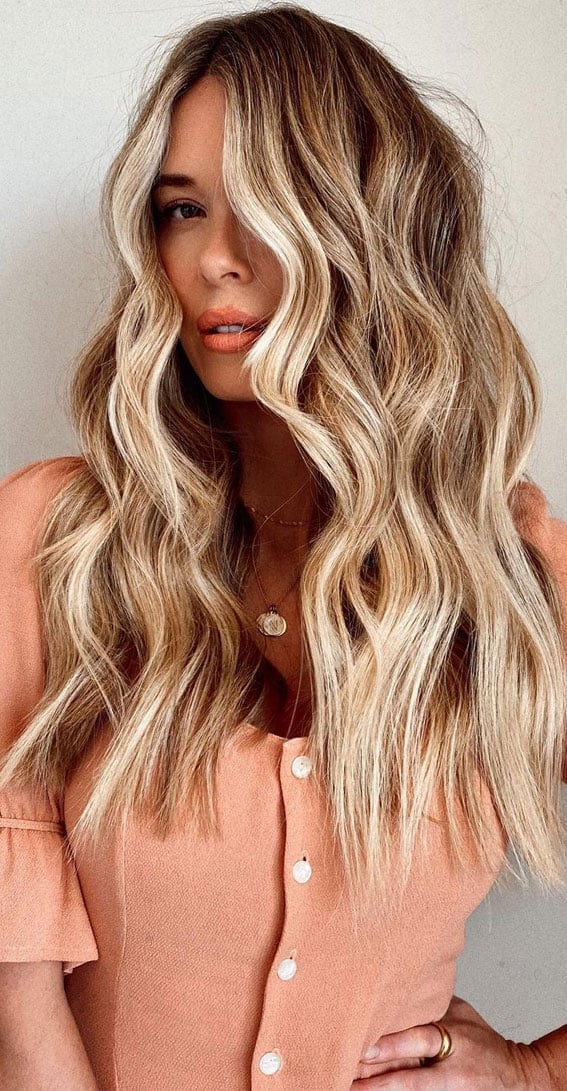
Dark blonde base, distinct blonde highlights, and a side part that directs the lighter strands forward. Where a full highlight might wash out a finer texture, this placement keeps the contrast concentrated at the front. The layers do the work: they let each highlighted piece sit on its own plane, so the color registers even when the hair is down. Soft waves add volume without heat damage if you use a medium-barrel iron. The upkeep is manageable.
Dark blonde base with ash blonde partial highlights
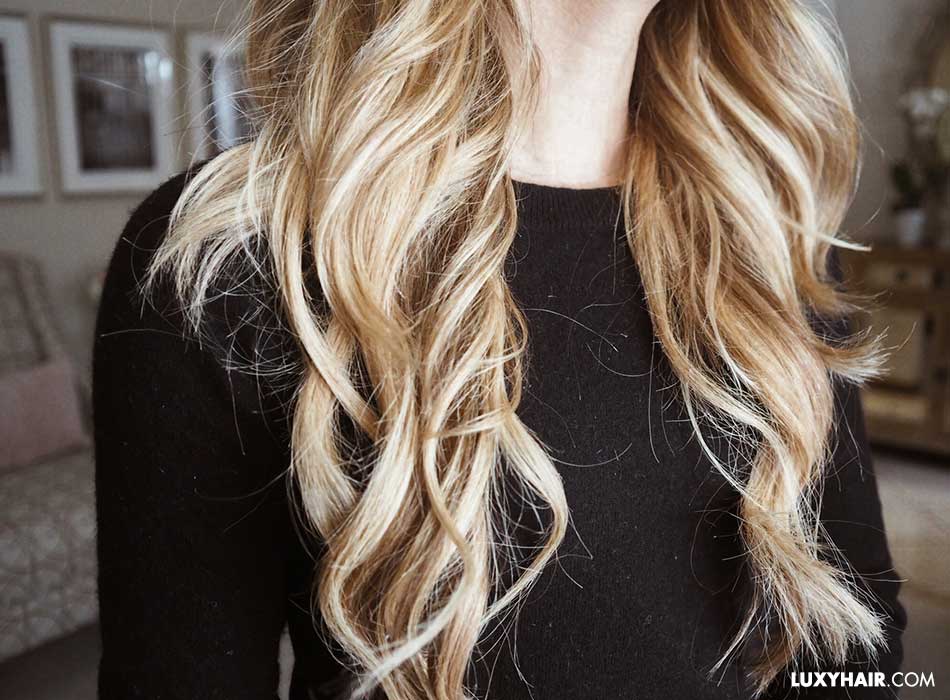
Ash blonde partial highlights against a dark blonde base create a cooler contrast than warm caramel would. The loose waves make the lighter pieces catch the light at different angles. Fine texture benefits from the partial approach, fewer foils mean less damage overall. Pass when your natural base is warmer than a level 6; the ash tones need a neutral starting point. Book it as: dark blonde base, ash blonde partial highlights, loose waves.
Contrasting ash blonde strands create striking effect
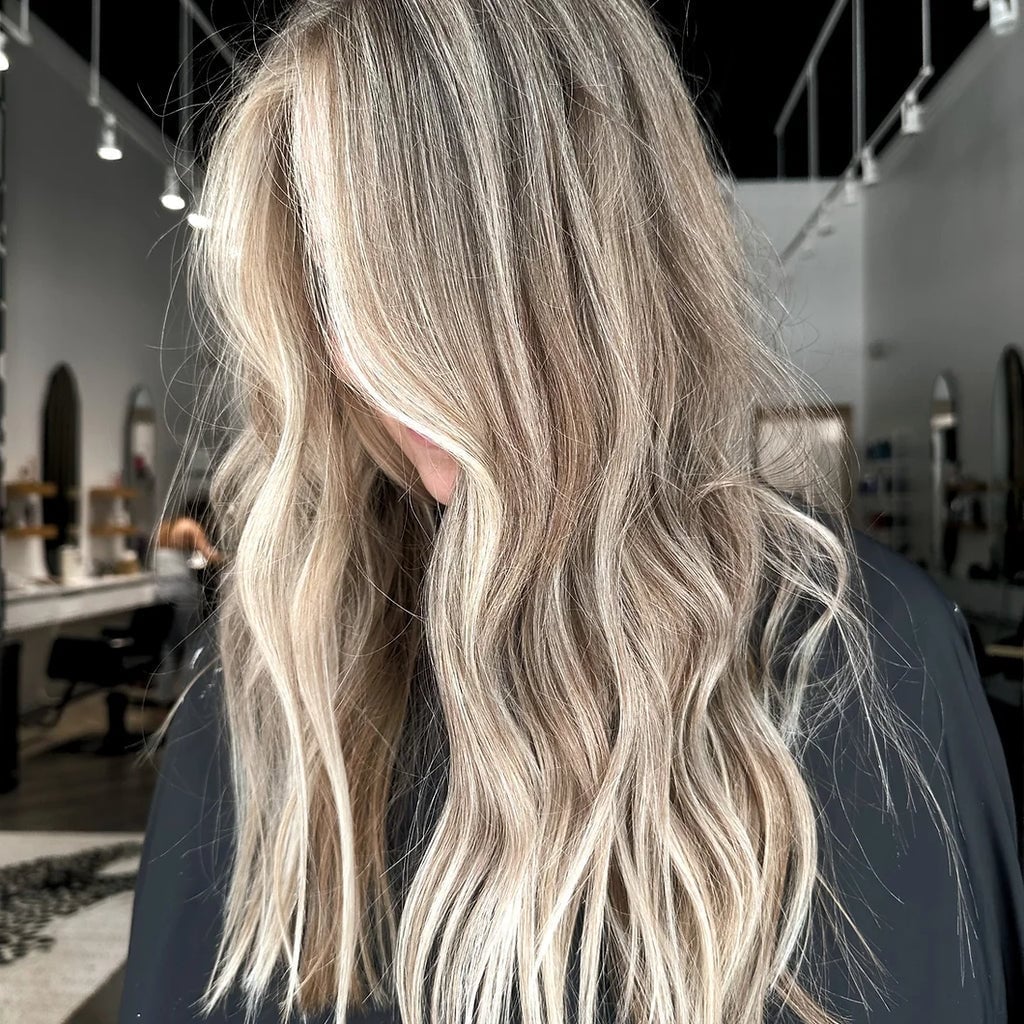
Ash blonde strands against a dark blonde base create a deliberate contrast, not faded highlights. The side parting gives the lighter pieces a longer run along the hairline, so they frame without overwhelming. The two tones stay distinct because the wave peaks catch the ash, the valleys stay dark. This is a hard stop between shades, not a soft, melted look. A diffuser on low heat sets the wave pattern without disrupting the color separation.
Voluminous dark blonde with contrasting blonde highlights
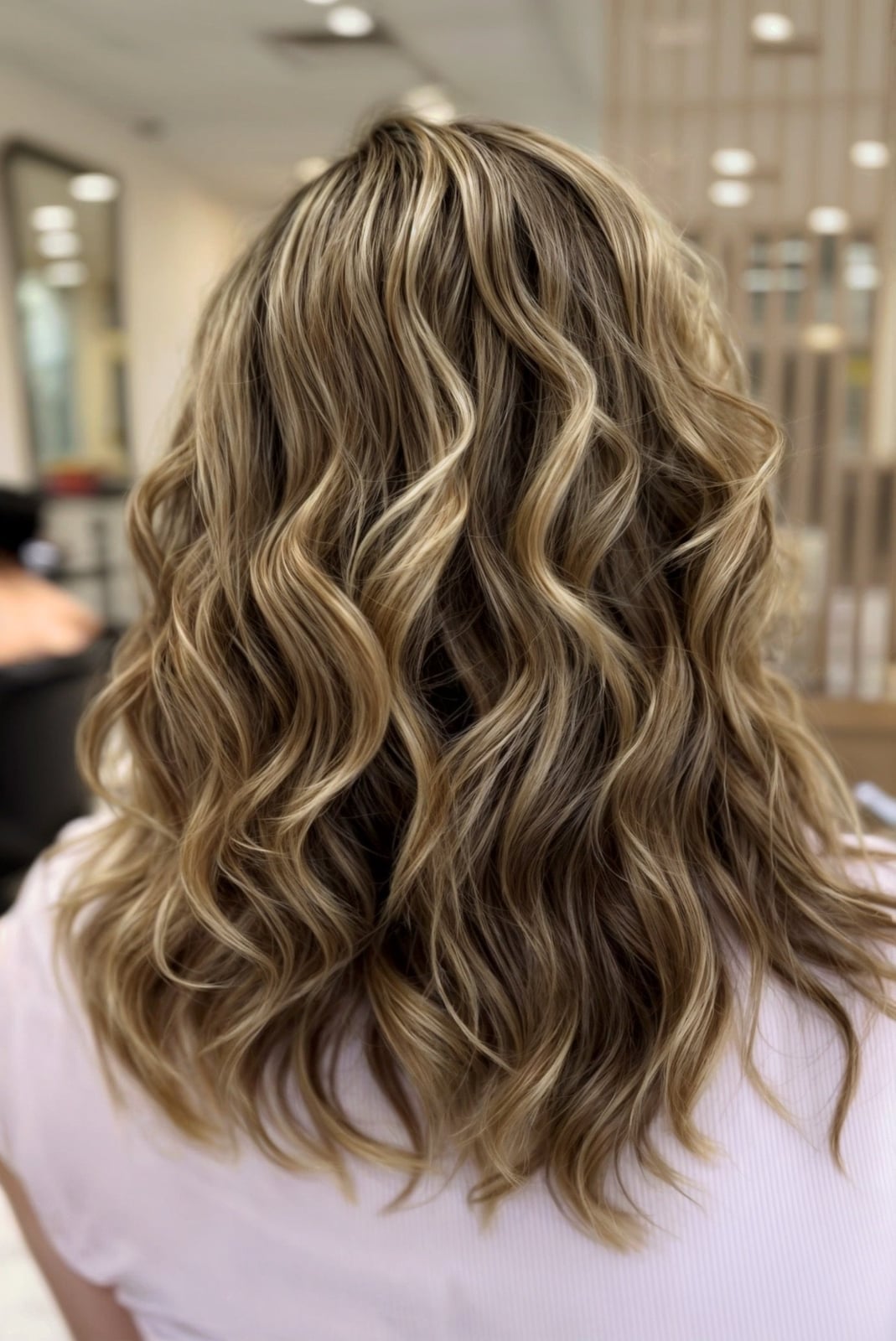
Layers cut through a dark blonde base create the volume that holds these contrasting blonde highlights. The loose waves widen the silhouette, so the lighter pieces appear as deliberate bands of brightness. Thick, wavy hair handles this best. The density stops the highlights from disappearing into the base. A straight style flattens the contrast. For your colorist: dark blonde base, contrasting blonde highlights, layered cut. A volumizing mousse at the roots keeps the lift for two days.
Pink strands accent dark brown ends
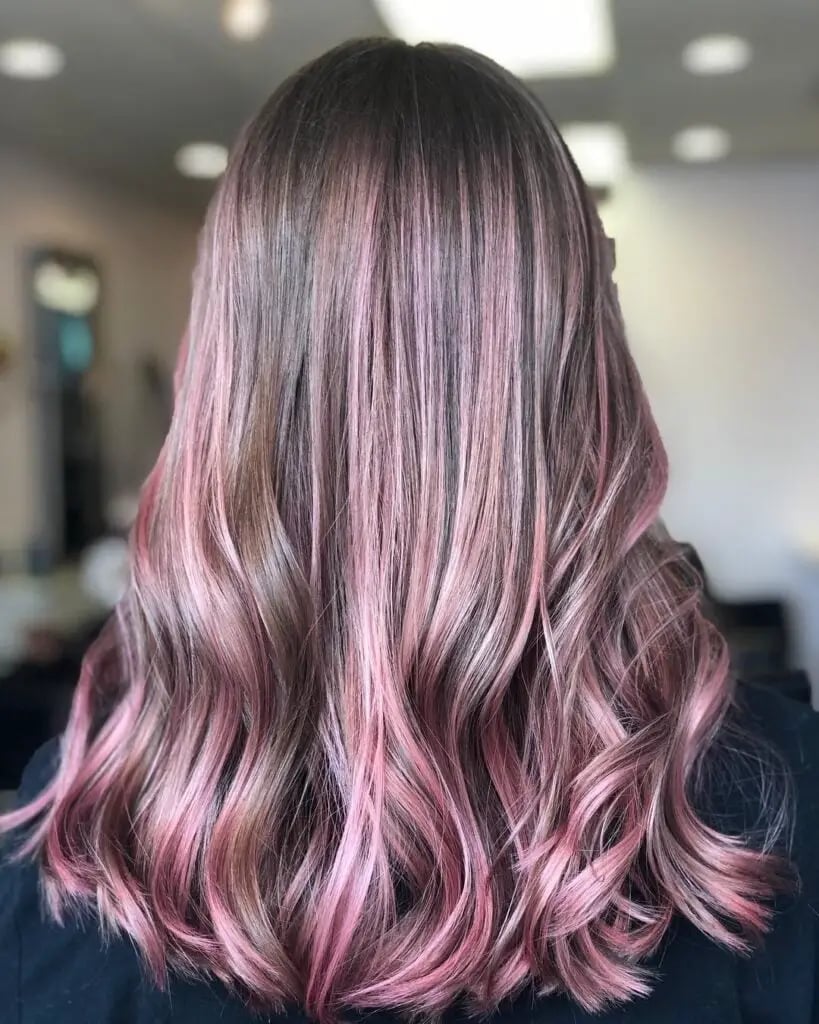
Set this against a full head of vivid pink and the difference is immediate: the color stays concentrated on the ends, so the root stays a wearable dark brown. Fine, wavy hair lets those pink pieces peek through without looking heavy. The catch: pink fades fast. Pass when you want a low-maintenance color that does not require weekly upkeep.
Copper base with subtle blonde highlights and curtain bangs
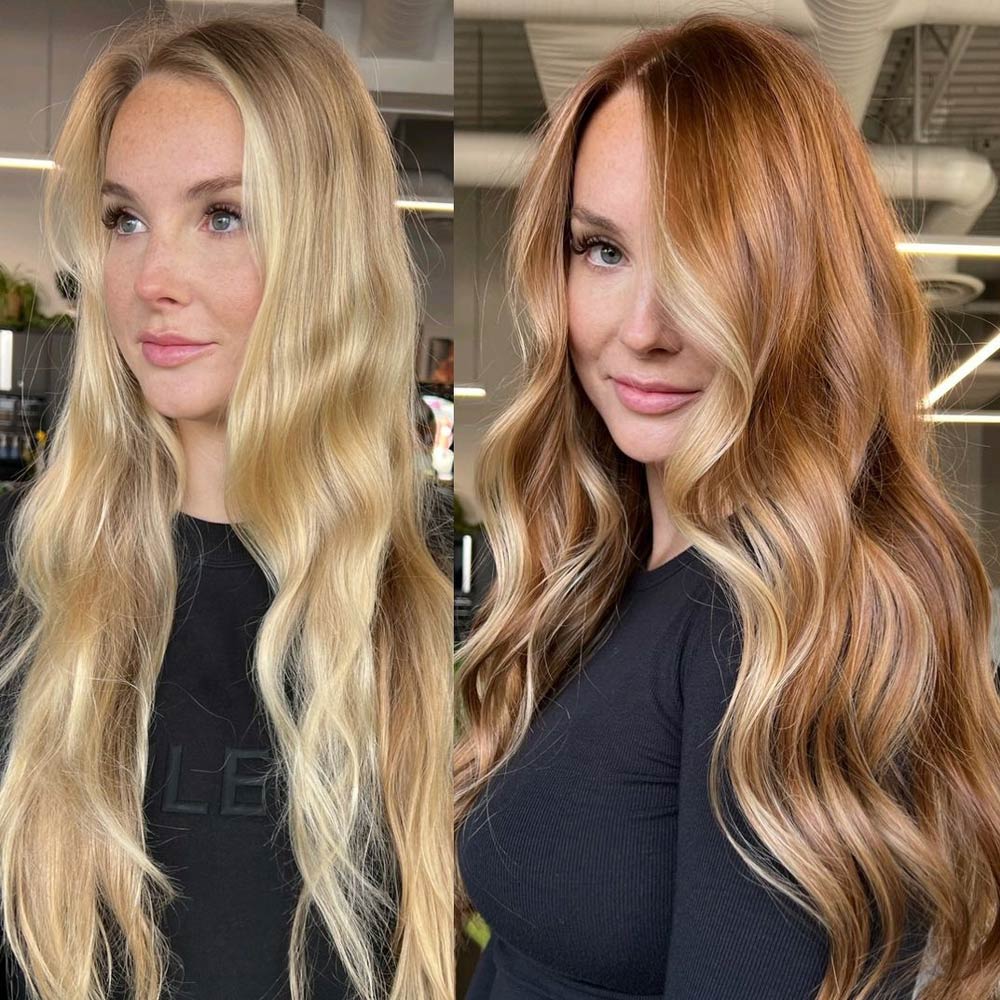
A warm copper base works best when the blonde highlights stay subtle, too many lighter strands and the copper turns brassy. The curtain bangs stay light; they sweep to the sides without fighting the wave. Oval and heart face shapes get the most from this combination because the bangs soften the forehead while the side part balances the jaw. A cooler palette or bangs that need a blow-dry every morning are not for everyone.
Dark brown base with ash blonde highlights and soft blowout, wavy
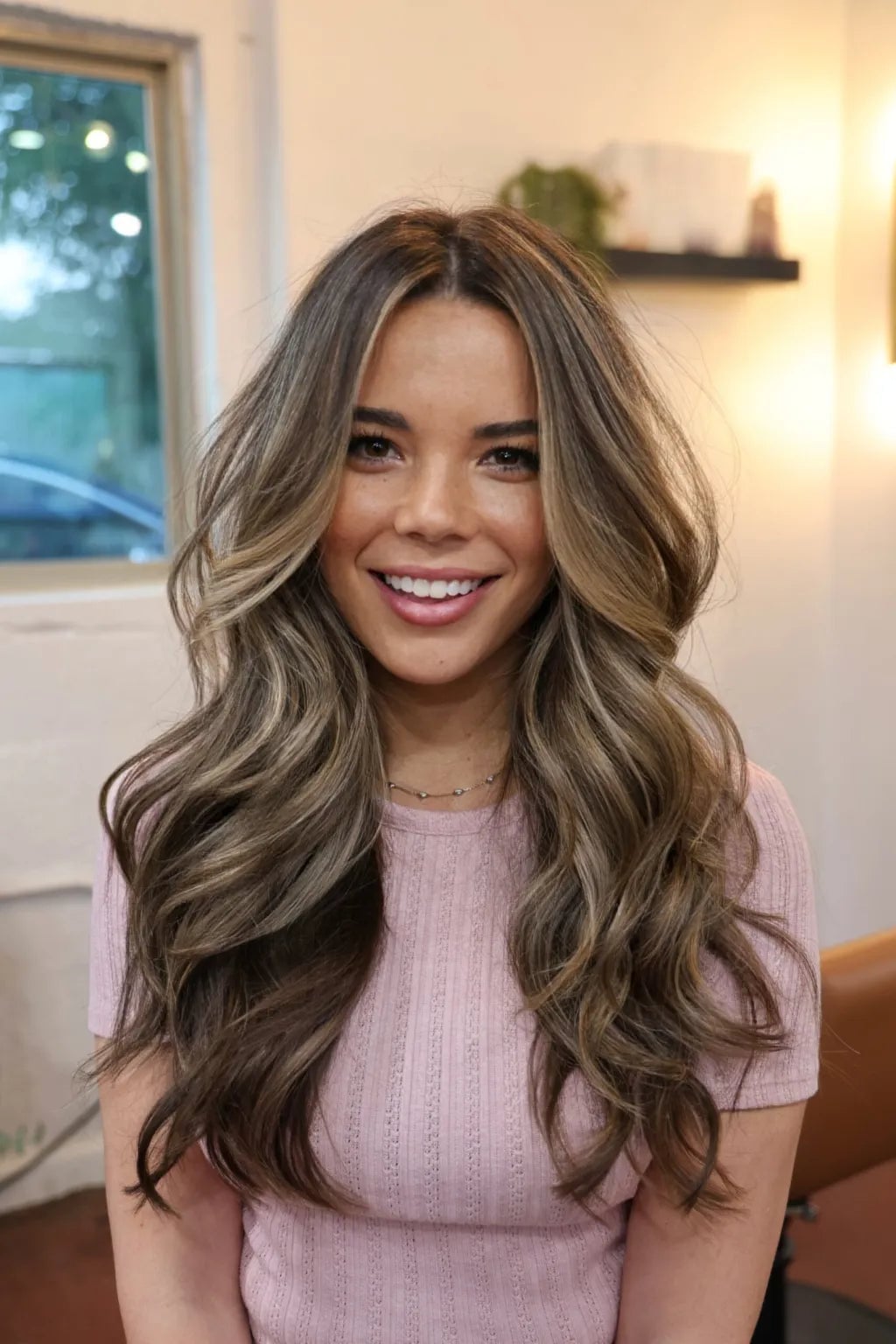
Strategically placed ash blonde strands lift a dark brown base without turning brassy. The soft blowout smooths the cuticle so the wavy texture appears smooth, not frizzy. A middle part lets the highlights fall evenly on both sides, keeping the look balanced. Fine hair benefits from the layers. They add movement without sacrificing density. For your colorist: dark brown base, ash blonde highlights, layered cut. The blowout holds for about two days before the natural wave reasserts itself.
Subtle ash blonde strands add depth
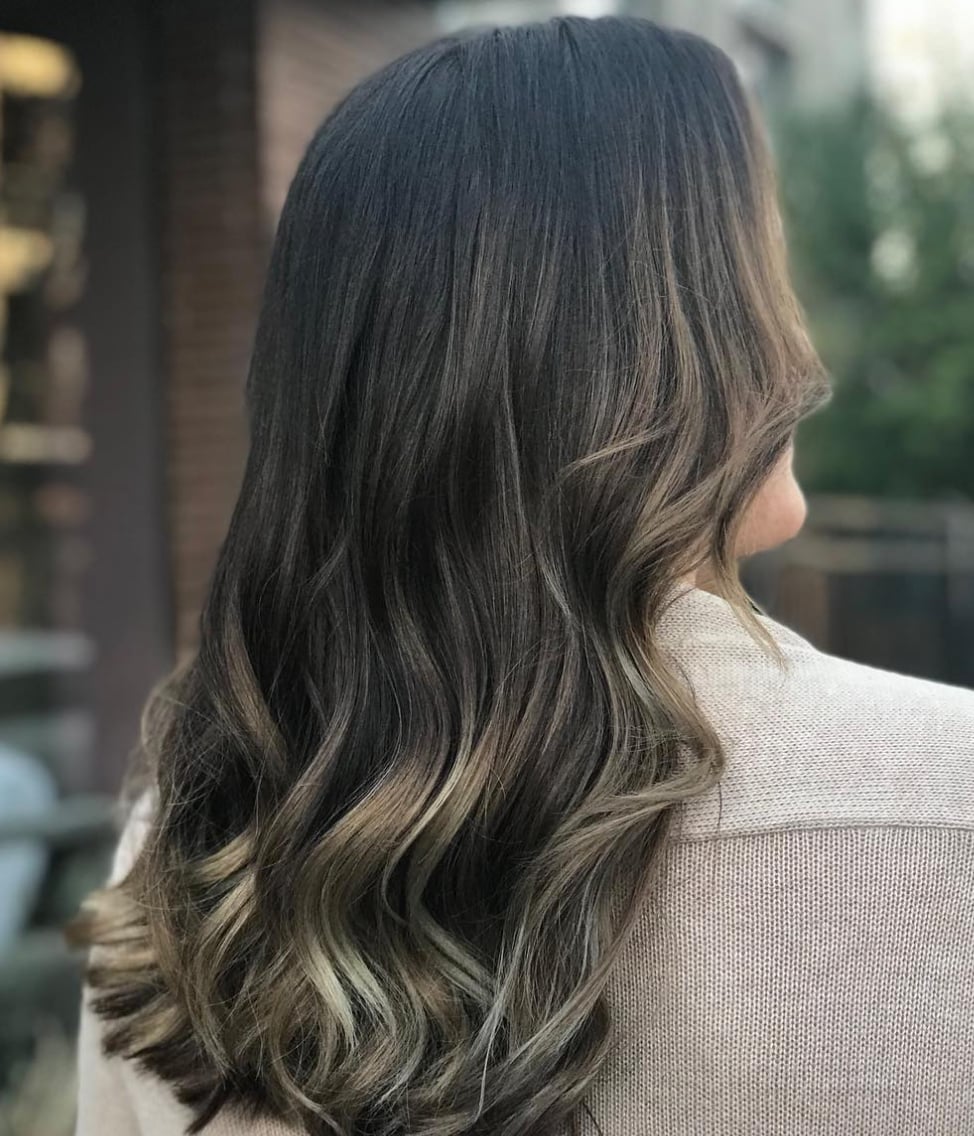
Here the ash blonde strands are sparse enough that the dark brown base stays dominant. A side part changes the fall of the highlights, so the lighter pieces cluster on one side for a more natural sunlit effect. The layers stay smooth on wavy, fine texture. The result looks a grown-in color rather than a fresh appointment, which is exactly the point.
Wavy layered cut with ash blonde partial highlights
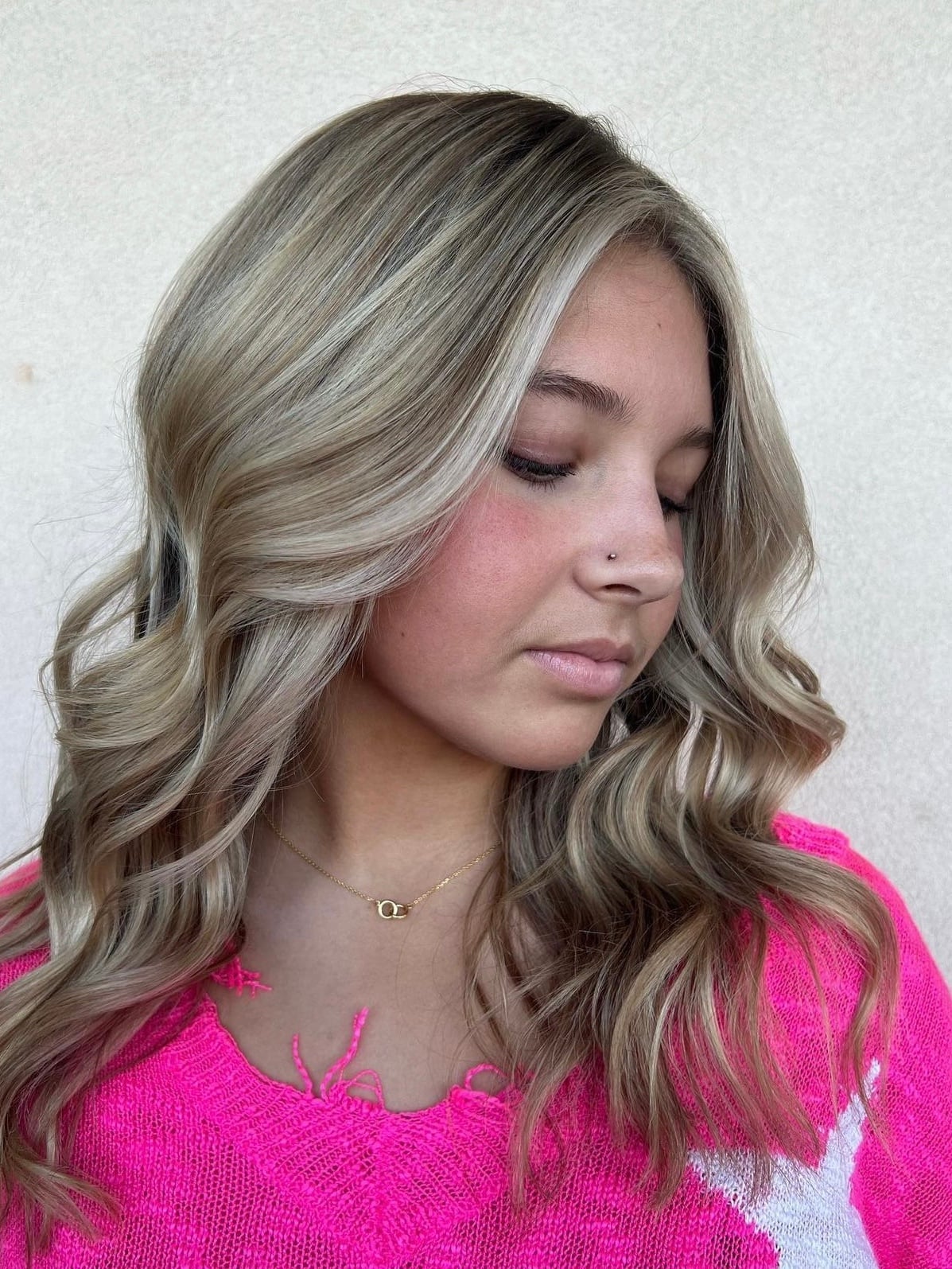
Fine hair needs a formula, not a wish. Ash blonde highlights lift a wavy layered cut without weighing it down, and the side parting keeps volume at the crown. The color sits in the front sections, so you get brightness where the light hits. Skip it if you prefer a middle part, the balance shifts. A volumizing spray at the roots holds the shape. For the appointment: wavy layered cut, ash blonde partial highlights, side parting.
Dark brown base with ash blonde highlights styled in waves, middle
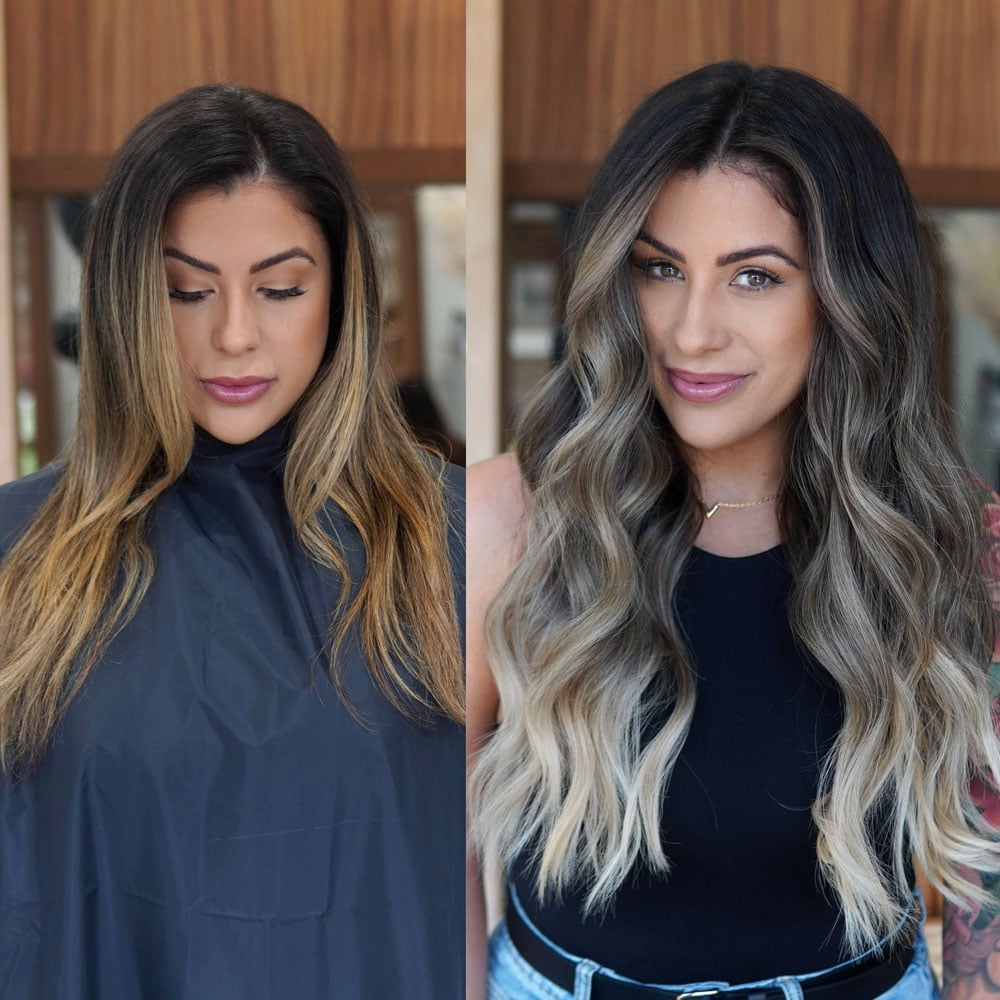
A middle parting sounds straightforward, but the wrong highlight placement makes it look like two separate colors. Here, the ash blonde strands sit close to the root on a dark brown base, so the contrast looks intentional, not accidental. The density keeps the blonde from overpowering the brown. A diffuser helps define the wave pattern without frizz. The catch: if your hair is fine, the middle part can make the crown look flat.
Dark brown base with contrasting ash blonde, everyday version
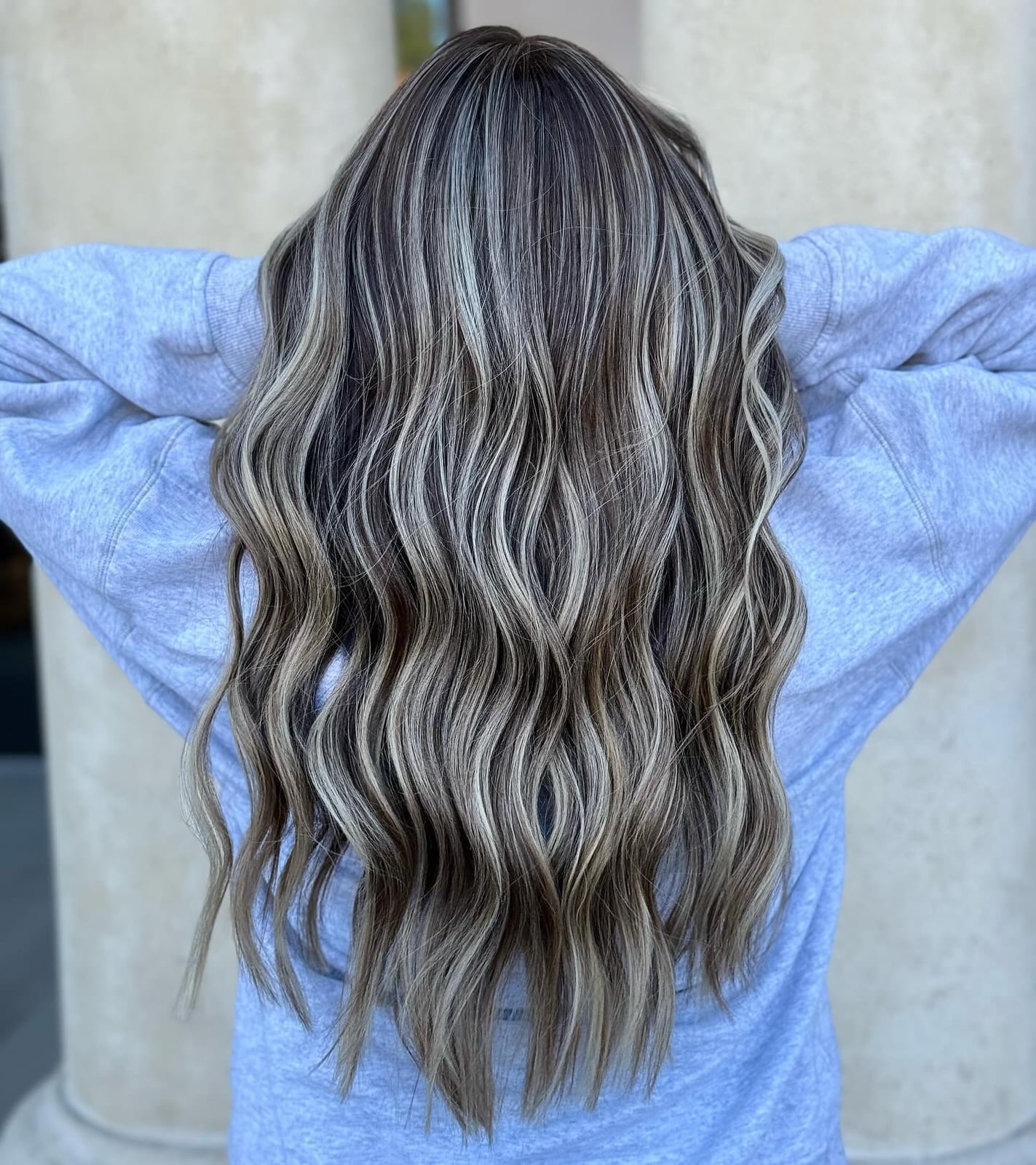
Contrast alone does not make a look wearable. The difference between this and a chunky stripe is the layer sandwich. The ash blonde sits between dark brown layers, so it shows when the hair moves, not all at once. The centered parting works because the cut has enough weight to frame the face. Choose this if you want dimension that looks modern, not streaky. A volumizing mousse at the roots prevents the contrast from falling flat.
Low maintenance dark brown with blended blonde highlights
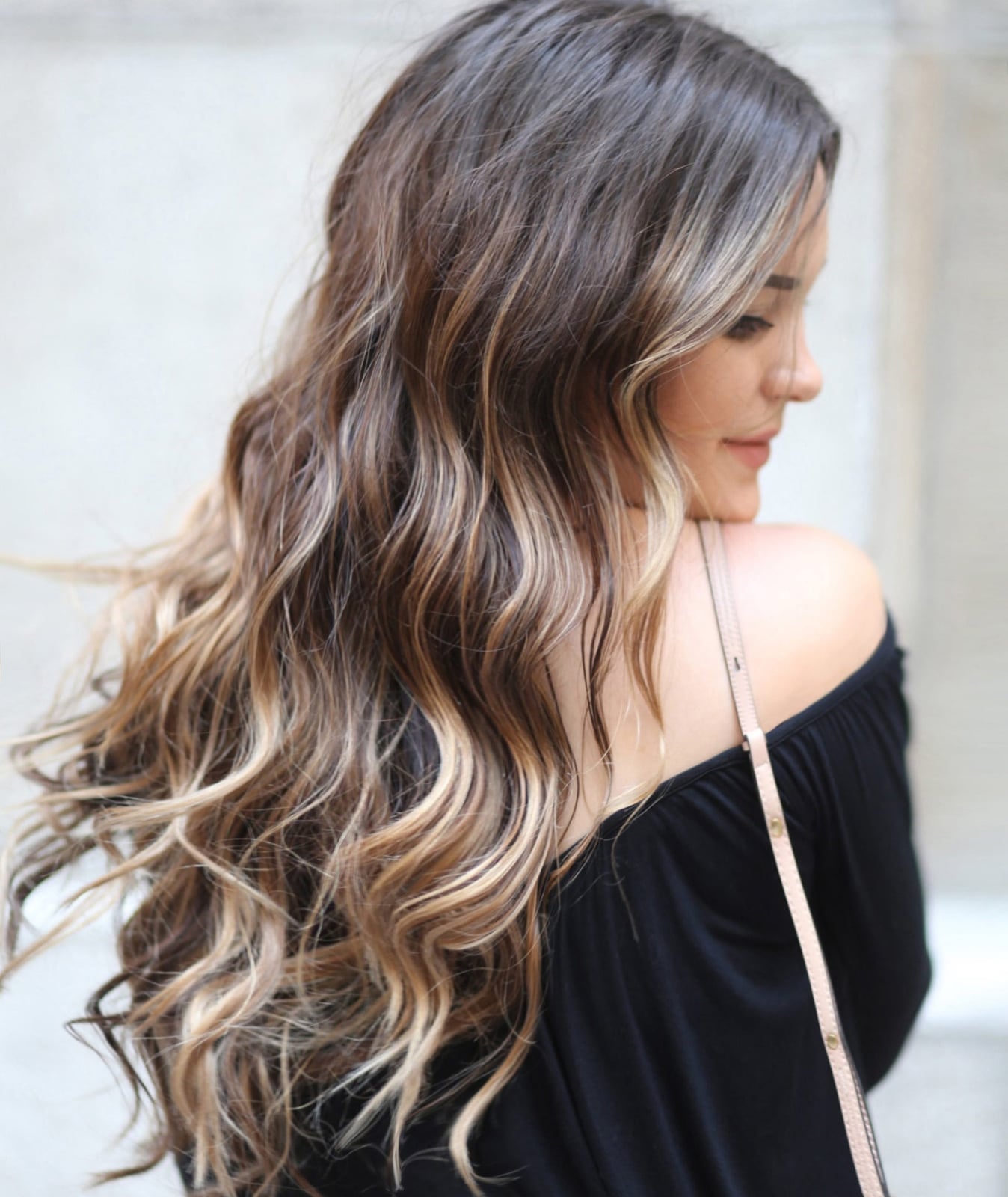
Blended blonde highlights on a dark brown base are the closest thing to a grow-out you do not have to police. The color melts into the natural shade, so the root line stays soft for weeks. This is a salon-only job because the blending needs a practiced hand; at home, you get a stripe. The side parting and air-dried waves keep the texture casual. Apply a leave-in conditioner to keep the blonde from drying out.
Natural lighter effect with partial blonde highlights
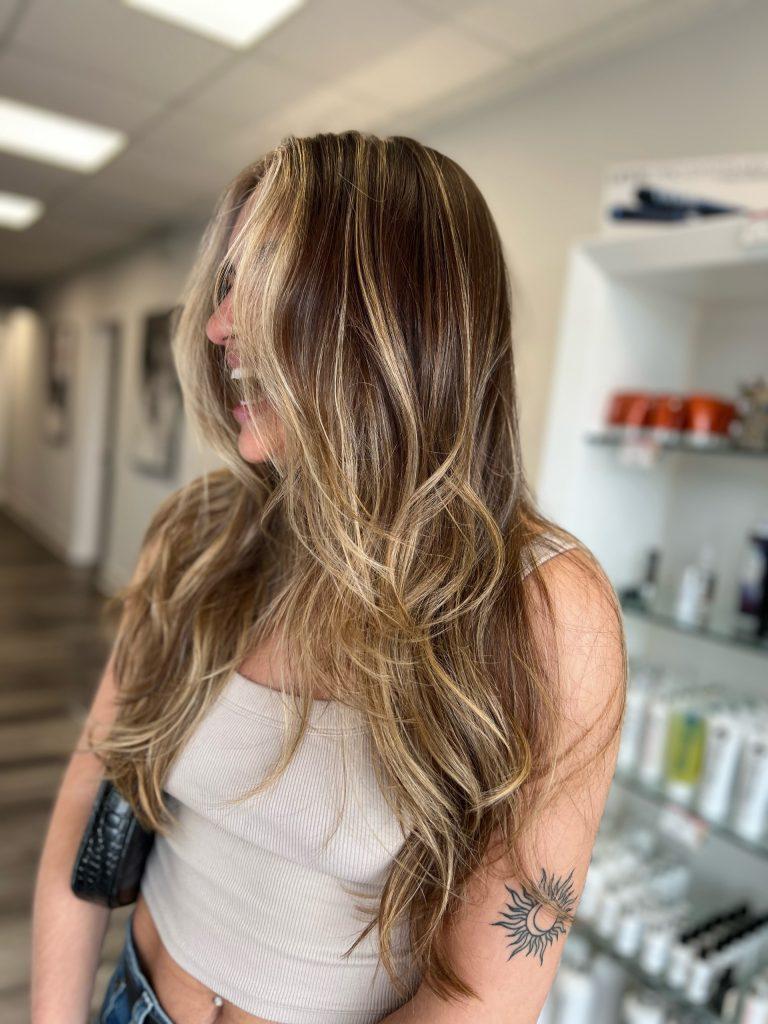
Real sun does not hit evenly, and neither should this. The blonde strands sit only in the front and top layers of a dark brown base, so the effect looks faded, not painted. Wavy fine hair benefits from the lighter weight; coarse hair needs more layering to carry the look. A side parting opens the face without exposing too much root. Pass when you want a middle part or a more dramatic contrast. Scrunch a texturizing spray into damp hair to mimic the air-dried finish.
Lighter blonde highlights adding brightness
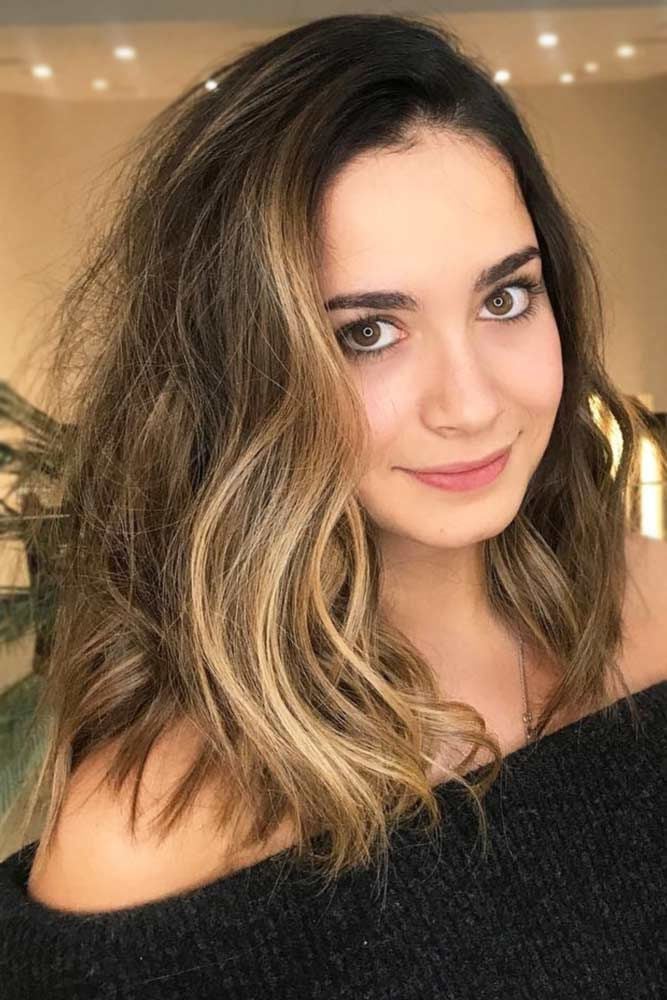
Side parts work with partial highlights because the heavier side shows more of the lighter strands. Dark brown base with blonde highlights woven through fine wavy hair. The lighter effect lands softly, not stripey. The catch: this placement leaves the deeper side of the part darker, so you see the contrast more in motion than in a mirror selfie. For your colorist: dark brown base, subtle lighter blonde highlights, side parting.
Caramel strands create lighter effect
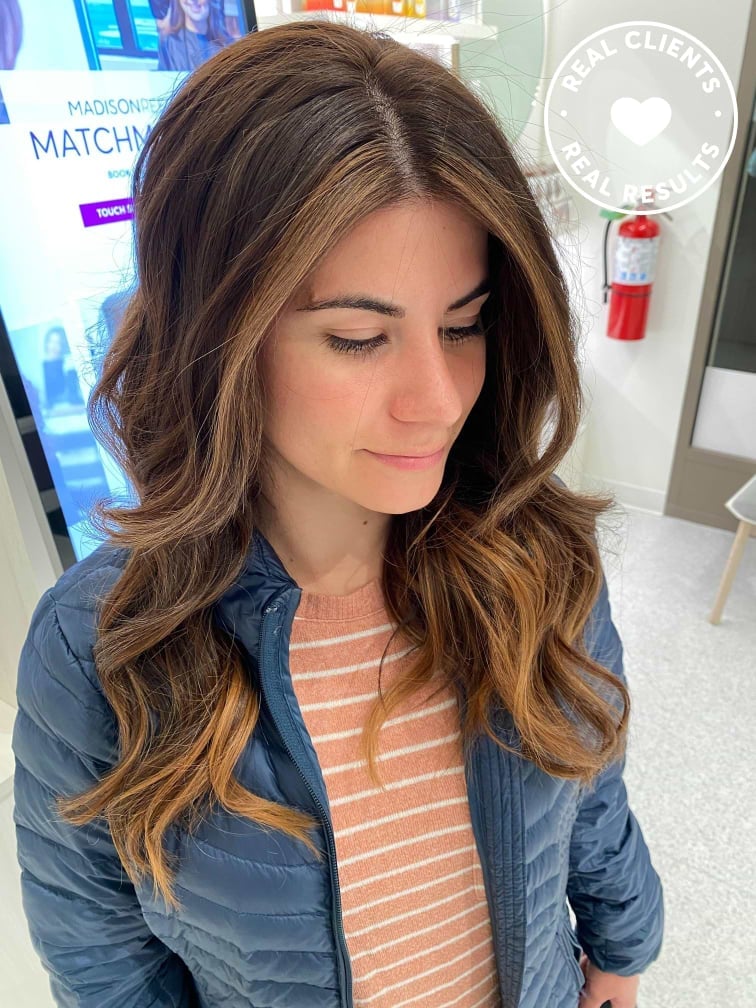
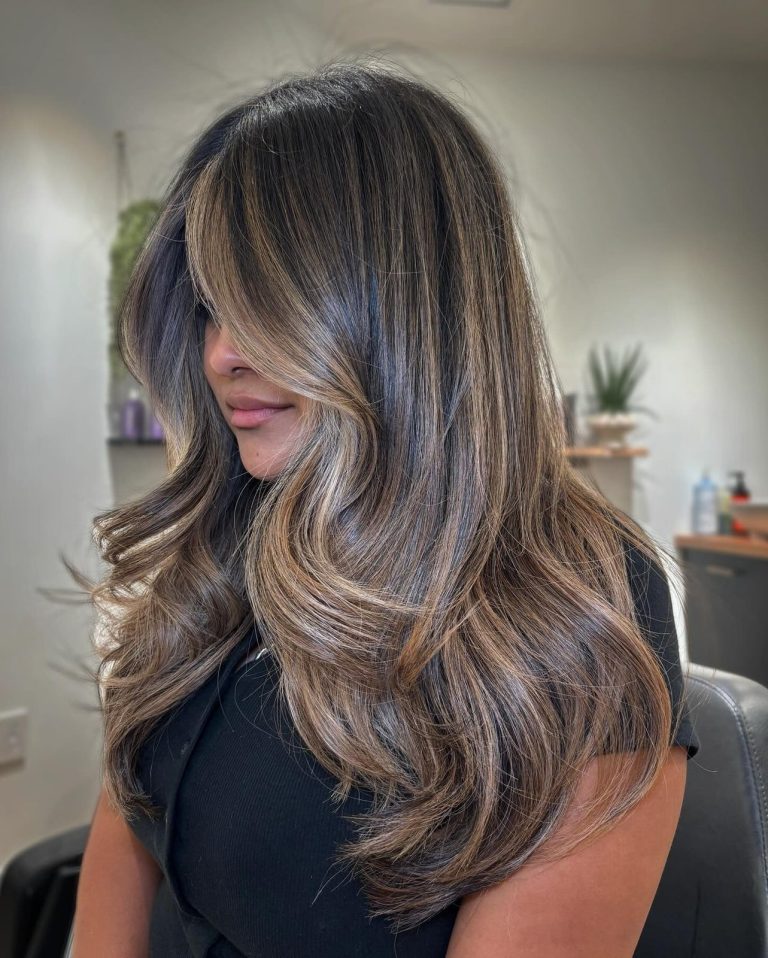
Caramel on dark brown reads warmer than ash at the same depth, but the real difference is in the blending. Ash blonde partials sit flat against a dark base; caramel picks up gold tones from the light and softens the contrast. Fine wavy hair with a middle parting benefits from the subtle caramel highlights through a layered cut. A texturizing spray on damp waves keeps the blend visible. The caramel works best for everyday wear. It fades warmer, not greener, which buys you a week or two between toning sessions.
Dark brown base with caramel-toned partial highlights
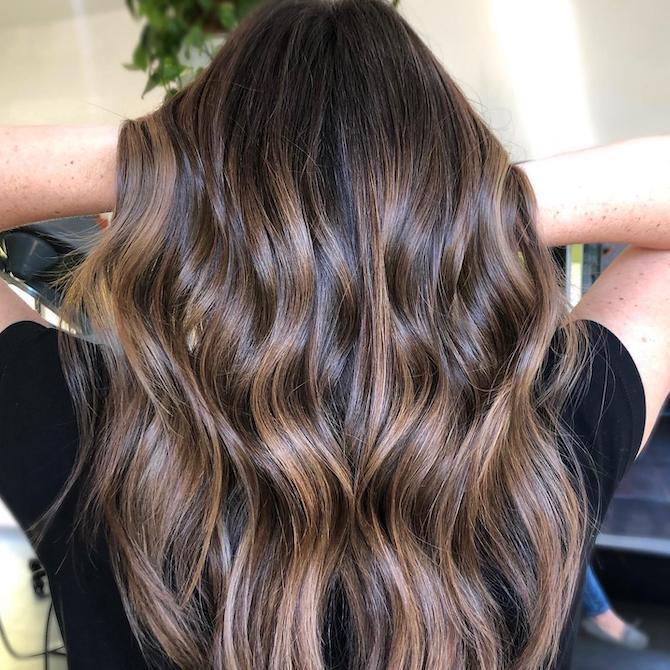
Partial highlights suit thick wavy hair because you can leave half the darkness intact. Dark brown base with caramel-toned partial highlights, styled in a wavy blowout. The caramel sits on the surface sections, so the hair still looks dark from the back. Skip it if you prefer ash tones or a dramatic contrast. For the appointment: dark brown base, caramel-toned partial highlights, wavy style. A heat protectant before the blowout keeps the caramel from looking brassy after a few washes.
Red strands create rich dimension
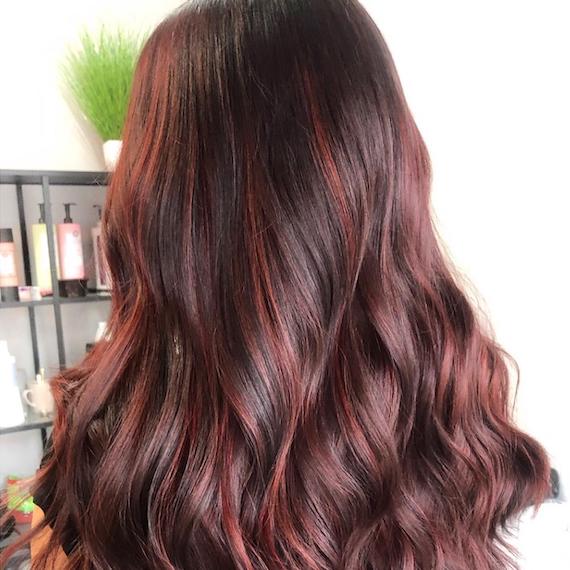
Red partials on a dark brown base are a commitment, not a test run. The color lifts warm and fades to copper, so the tone shifts after week three. The wave breaks up the strands, so the red looks depth, not streaks. The technique is foilyage, which keeps the red off the scalp for a softer grow-out. The drawback: red requires a color-safe shampoo and a cooler wash temp, or it mutes into brown. Skip it if you prefer cooler tones or a lighter base.
Lighter blonde highlights with balayage on dark, close-up take
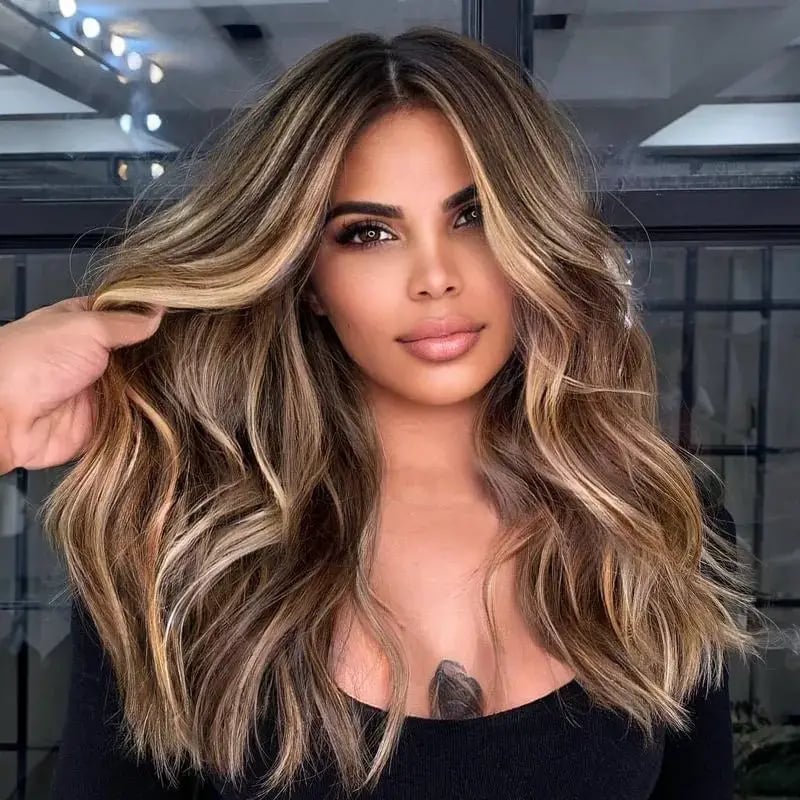
Balayage on a dark brown base with blonde highlights needs a middle parting to show the blend. The lighter effect relies on fine wavy hair because the wave disperses the highlight line. Layers cut through the length keep the ends from feeling heavy. A leave-in conditioner on the ends prevents the blonde sections from drying out faster than the base. For your colorist: dark brown base, blended blonde highlights and balayage, layered cut.
Final Thoughts
The choice comes down to how much contrast you want and how often you are willing to tone. Pick by what you have.
- Fine hair: keep the highlights fine and close to the part.
- Ten minutes in the morning: ask for a balayage soft transition.
- Cool base that pulls brassy: reach for a purple shampoo every third wash.
- Dark brown with dimension: caramel or ash-blonde face-framing strands.
Find the partial that blends with your life.